How to Identify Supermarket category managers in China
A commercial roadmap for winery export directors to identify, reach, and pitch supermarket category managers and retail buyers across China's multi-tiered grocery channels.
To identify supermarket category managers in China, international wine brands must navigate beyond generic public procurement inboxes and address the operational gatekeepers who control off-trade retail shelves. Supermarket category managers (often titled Category Procurement Directors, Commercial Purchasing Managers, or Alcoholic Beverage Category Buyers) evaluate imported wine through rigorous commercial metrics: gross margin return on inventory investment (GMROI), inventory turnover velocity, local regulatory compliance, and proven sell-through support.
Foreign wineries frequently miscalculate how China’s retail ecosystem functions. Modern Chinese supermarkets—ranging from high-end regional grocery chains (such as Ole’, BLT, and City’super) to nationwide hypermarkets and membership warehouse clubs (such as Sam’s Club and Costco)—rarely purchase wine directly from unvetted overseas cellars. Instead, retail category managers operate in tandem with authorized first-tier importers and bonded supply chain facilitators. To secure placement, export directors must map retailer procurement hierarchies, verify category management roles, pitch with commercially structured dossiers, and leverage dedicated trade platforms.
Understanding the Supermarket Category Structure in China
Chinese grocery and mass retail are fundamentally divided into distinct tiers, each managed by procurement teams with radically different stock-keeping unit (SKU) selection criteria and velocity targets.
1. Premium and Boutique Supermarkets
Chains such as Ole’ (China Resources Vanguard), BLT, City’super, and BHG operate primarily in Tier 1 and Tier 2 metropolitan hubs (Shanghai, Beijing, Shenzhen, Guangzhou, Chengdu). Category managers in these chains seek differentiated SKUs, emerging varietals, organic certifications, and estate-bottled narratives that appeal to middle- and upper-middle-class urban professionals seeking lifestyle purchases.
2. Membership Warehouse Clubs
Chains like Sam’s Club and Costco have reshaped off-trade wine volumes in China. Category buyers here prioritize extreme supply reliability, aggressive pallet pricing, recognized region-of-origin credentials (such as Bordeaux AOC, Rioja DOCa, or Barolo DOCG), and multipack or custom packaging formats that move rapid, predictable volumes.
3. National Hypermarkets and Regional Grocers
Chains such as Yonghui Superstores, RT-Mart, and regional supermarket groups require competitive mid-tier pricing, accessible taste profiles, and guaranteed shelf-clearing support. Category managers in these organizations must minimize slow-moving stock and evaluate whether an overseas brand can match domestic logistics efficiency.
Understanding which channel matches your winery's production volume, cost of goods sold (COGS), and pricing architecture is the first filter before identifying specific commercial buyers. Reviewing industry updates via Market Insights can help brands benchmark which off-trade formats are expanding retail shelf space.
Organizational Titles: Who Holds Real Purchasing Authority?
Western corporate titles rarely translate directly into Chinese corporate directories. When researching retail organizations, wineries must look for specific functional titles within procurement departments (采购部 - Cǎigòubù):
- Category Director / Head of Category Management (品类总监 - Pǐnlèi Zǒngjiān): Sets overarching category budgets, allocates shelf-space percentages across domestic versus imported spirits and wines, and approves annual margin frameworks.
- Senior Category Manager / Procurement Manager (采购经理 - Cǎigòu Jīnglǐ): Directly responsible for the wine portfolio. This individual conducts vendor interviews, analyzes SKU velocity, negotiates payment terms, and decides which new items enter seasonal range reviews.
- Merchandising & Sourcing Buyer (采购专员 / 买手 - Cǎigòu Zhuānyuán / Mǎishǒu): Evaluates daily supplier proposals, verifies documentation, and manages sample tastings and compliance screening.
In warehouse clubs and large supermarket groups, sourcing decisions may also involve private label managers (自有品牌经理 - Zìyǒu Pǐnpái Jīnglǐ), who source contract-bottled wines directly from producers to fill custom private-label programs.
Practical Channels to Pinpoint and Connect with Category Managers
Identifying and engaging these decision-makers requires a structured multi-channel approach combining digital identification, distributor triangulation, and trade-floor interaction.
1. Professional B2B Platforms and Enterprise Ecosystems
While Western professionals rely primarily on standard career platforms, Chinese retail executives maintain presence across localized B2B touchpoints:
- LinkedIn China & Maimai (脉脉): Maimai functions as China's premier enterprise networking tool where mid-to-senior category managers discuss corporate updates. Professional Boolean queries targeting corporate entities (e.g.,
"China Resources Vanguard" + "Wine Buyer"or"Ole" + "Category Procurement") yield specific executive profiles. - WeChat Enterprise Directories and Industry Mini-Programs: Many corporate retail buying desks publish structured sourcing announcements and official vendor registration links through their verified WeChat corporate accounts.
2. Reverse-Engineering the Importer-Retailer Axis
According to an analysis by Asia Pro Distribution (2026), Chinese alcohol distribution is highly relational, with established national importers acting as primary suppliers to major supermarket chains. Retail category managers prefer sourcing new wine labels through their licensed, bonded first-tier vendor accounts to simplify customs clearance, CIQ testing, and domestic VAT invoicing.
Wineries should evaluate the shelf inventory of target supermarkets in Tier 1 cities. By reading the mandatory Chinese back labels (中文背标), export managers can identify the exact distributor supplying that retailer. Partnering with distributors that already hold active vendor codes with retail chains provides an immediate path to their category buyers.
3. Direct Engagement at National Wine Exhibitions
Cold outreach via email or unverified contact forms yields a negligible conversion rate among Chinese supermarket buyers. In-person engagement remains the most effective venue for conducting product evaluation and commercial discussions.
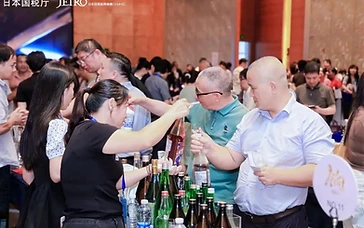
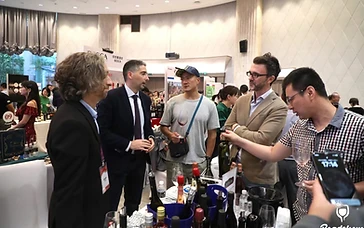
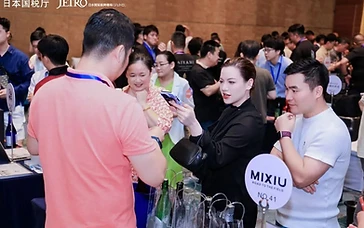
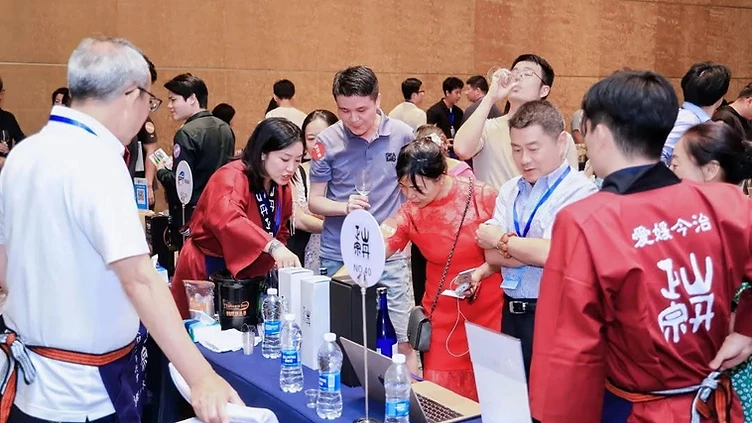
Supermarket category managers regularly attend major industry trade exhibitions to scout emerging regions, taste vintage releases, and meet export principals. Brands exhibiting at Interwine can leverage pre-scheduled Business Matching services, which directly introduce wineries to pre-screened off-trade category purchasers and supermarket vendor representatives. International wineries looking to secure commercial retail presence can explore booth formats and buyer demographics directly: Become an Exhibitor.
What Category Managers Look for in a Wine Pitch
Category managers in China receive hundreds of generic producer brochures each month. To command attention, your commercial pitch must focus on retail metrics rather than purely poetic tasting notes.
[Retail Readiness Checklist for China]
├── 1. Customs & Compliance Dossier (CIQ, GACC Registration, Bilingual Labelling)
├── 2. Pricing Ladder (Ex-Cellar -> CIF/FOB -> Landed Cost -> Retail Shelf Price / RRP)
├── 3. In-Store Sell-Through Strategy (Point-of-Sale materials, sampling budgets)
└── 4. Channel Conflict Protection (Guaranteed pricing parity across E-commerce & Offline)
- Commercial Margin Architecture: Present realistic retail shelf prices (RRP), landed costs, and healthy retailer gross margins (typically 35%–50% for standard supermarket retail, depending on payment terms and listing fees).
- Compliance & GACC Verification: Proof that your production facility holds active General Administration of Customs of China (GACC) registration and that laboratory test certificates can be promptly delivered.
- Channel Exclusivity: Modern buyers monitor online price erosion. If your wine is sold on JD.com, Tmall, or Douyin livestreams at heavy discounts, brick-and-mortar supermarket category managers will reject the brand to protect their shelf price integrity.
- Marketing and Sell-Through Support: State clearly your budget for in-store promoter subsidies, seasonal gift-box packaging, and bilingual tasting collaterals. Category buyers look for partners committed to moving bottles off the shelf, not just moving them into the warehouse.
Managing Regulatory, Listing, and Financial Risks
Direct commercial relationships with Chinese supermarket networks entail specific contractual terms that export directors must review carefully:
- Slotting Fees and Rebates: Major chains often negotiate promotional fees, listing charges (进场费), or annual anniversary rebates. Factor these operational deductions into your distributor margin calculations.
- Payment Cycles and Consignment: Supermarket payment windows in China can range from 60 to 120 days post-reconciliation. Ensure your regional distributor possesses the balance-sheet liquidity to absorb extended credit terms without disrupting replenishment.
- Regulatory Audits: Chinese market surveillance authorities conduct random shelf audits. Labels must comply fully with national food safety standards (GB 7718 and GB 2758) regarding allergen declarations and additive disclosures.
For ongoing updates on market entry standards and shifts in retail buying behavior, wineries can consult the News and Magazine section.
Conclusion: Turning Buyer Identification into Distribution
Identifying supermarket category managers in China is not a simple contact-scraping exercise. It requires matching your wine portfolio to the appropriate grocery tier, understanding the relationship between retail procurement desks and bonded import distributors, and presenting clear commercial pricing. By combining digital enterprise research with direct physical engagement at premier trade events like Interwine, export directors can build sustainable shelf presence in the world's most dynamic wine market.
Sources
- ResearchGate - Wine Distribution Channel Systems: Germany versus China (2026)
- Asia Pro Distribution - Tips for Wineries to Find Chinese Importers (2026)
- BestWineImporters - A Wine Exporter's Guide to Finding Buyers in China (2026)
- PwC China - Category Management Practices in China Retail (2025)
Key Takeaways
- —Supermarket category managers in China rarely import directly; they procure through licensed first-tier vendor accounts to simplify clearance, invoicing, and domestic distribution.
- —Target specific procurement titles such as Category Procurement Director (品类总监) and Category Buyer (采购经理) via platforms like Maimai and verified WeChat enterprise networks.
- —Category managers prioritize commercial metrics—GMROI, channel exclusivity, and proven sell-through budgets—over generic tasting notes.
- —Reverse-engineering Chinese back labels (中文背标) in target retail stores reveals the active distributors already holding vendor codes with major chains.
- —Trade exhibitions like Interwine provide direct access to retail decision-makers through curated B2B business-matching sessions.
Frequently Asked Questions
Do Chinese supermarket category managers buy directly from foreign wineries?
In most cases, no. Chinese supermarket chains prefer working with authorized domestic importers and logistics distributors who hold local vendor codes, manage GACC customs clearance, issue domestic VAT invoices, and guarantee buffer inventory in local bonded warehouses.
What business titles should wineries search for when targeting retail wine buyers in China?
Search for Chinese procurement titles such as Category Director (品类总监 - Pǐnlèi Zǒngjiān), Procurement Manager (采购经理 - Cǎigòu Jīnglǐ), or Alcoholic Beverage Sourcing Buyer (酒水采销/买手 - Jiǔshuǐ Cǎixiāo/Mǎishǒu) on business platforms like LinkedIn and Maimai.
Why is channel pricing protection critical for Chinese supermarket buyers?
Chinese off-trade category managers closely monitor e-commerce and livestream pricing on platforms like Douyin, JD.com, and Tmall. If a wine is sold online at deep discounts, physical retailers will reject the SKU to avoid margin erosion and customer dissatisfaction.
How can wineries meet retail category buyers face-to-face in China?
Participating as an exhibitor in specialized professional trade fairs such as Interwine provides direct access to retail buyers through pre-arranged B2B business matching, networking roundtables, and VIP buyer delegations.