How to Identify Boutique wine retailers in China
A commercial B2B guide for winery export directors on how to identify, evaluate, and partner with boutique wine retailers across China's evolving tier-1 and tier-2 wine markets.
To identify boutique wine retailers in China, international export directors must shift focus away from hypermarket buyers and state-owned commercial distributors. Instead, look for independent fine wine merchants, specialized bistro-retail hybrid venues (bistronomy cellars), niche regional distributors, and sommelier-curated bottle shops operating across tier-1 hubs (Shanghai, Beijing, Shenzhen, Guangzhou) and emerging tier-2 capitals (Chengdu, Hangzhou, Wuhan). Profiling these buyers requires evaluating their import relationships, verifying their local cold-chain logistics, and engaging them directly via structured trade events such as Become an Exhibitor platforms and B2B matchmaking programs.
China's wine consumption landscape has transformed significantly. According to the EU SME Centre (2023) and trade analysis published by SEO China Agency (2026), the market has pivoted away from banquet-driven gifting toward younger, educated urban professionals seeking authentic storytelling, sustainable viticulture, and artisanal regional identities. For premium wineries producing limited volumes, independent boutique retailers represent the most margin-resilient route to market. However, identifying legitimate buyers among fragmented regional channels requires commercial discipline and targeted field execution.
Understanding the Boutique Retail Ecosystem in China
Boutique wine retail in mainland China does not operate like standard off-trade European retail. High commercial rents and rapid e-commerce penetration have driven independent brick-and-mortar stores to evolve into multidimensional, experiential spaces. Understanding their operational models is the foundational step in identifying them.
1. Hybrid "Bistronomy" and Bottle Shops (Riliao / Bistro / Wine Bar)
In cities like Shanghai, Chengdu, and Shenzhen, the lines between on-trade and off-trade have blurred. Establishments operate as daytime bottle shops and curated retail outlets, transitioning into tapas bars, natural wine bistros, or Japanese dining concepts at night. These retailers charge retail shelf prices with a modest corkage fee for in-house consumption. They favor family-owned wineries, organic certifications, biodynamics, and expressive single-vineyard terroirs.
2. High-End Independent Fine Wine Merchants
Established independent merchants—such as Pudao Wines (operating high-touch concept shops in Shanghai and Beijing) or localized boutique portfolio clubs—maintain direct, loyal client bases of private collectors, corporate executives, and affluent lifestyle buyers. Rather than relying on public foot traffic, their commercial model is driven by private tastings, exclusive masterclasses, and direct-to-consumer WeChat Mini Programs.
3. Regional Specialty Importer-Retailers
Due to China's geographic scale, boutique wine retailers rarely cover the entire country. Often, regional importers operate their own retail storefronts or flagship experiential showrooms while acting as exclusive distributors to high-end local restaurants and boutique bottle shops in their province. According to BestWineImporters (2026), China’s landed cost structure involves a combined ~50% burden (incorporating a typical 14% customs duty, 10% consumption tax, and 13% VAT on CIF), meaning regional boutique buyers focus heavily on protecting distributor and retail margins through high-end SKU differentiation.
4 Key Steps to Identify and Track Down Qualified Retailers
Export directors cannot rely on generic Western online directories to map Chinese retail buyers. Identifying viable boutique retail accounts requires triangulating domestic Chinese trade tools and physical field engagement.
+-----------------------------------------------------------------------------------+
|              BOUTIQUE RETAILER DISCOVERY WORKFLOW IN MAINLAND CHINA               |
+-----------------------------------------------------------------------------------+
                                          |
                                          v
  [1. Digital Mapping] --------> Audit Little Red Book (RED) & Dianping for
                                 "Boutique Wine Shop" / "Bistro Cellar" footprints.
                                          |
                                          v
  [2. Wholesale Verification] -> Cross-reference suppliers via China customs &
                                 portfolio importers (EMW, Jointek, Ruby Red).
                                          |
                                          v
  [3. Trade Show Engagement] --> Pre-schedule targeted 1-on-1 sessions through
                                 [Business Matching](/business-matching) at regional trade fairs.
                                          |
                                          v
  [4. Due Diligence] ----------> Verify corporate registration on Qichacha/Tianyancha
                                 and confirm temperature-controlled inland logistics.
+-----------------------------------------------------------------------------------+
Step 1: Mine Chinese Lifestyle and Social Platforms
Boutique retailers thrive on private-traffic marketing and hyper-visual digital storytelling. Export managers and their China brand ambassadors should actively audit:
- Dazhong Dianping (大众点评): The primary local business discovery app. Filter by cities (e.g., Shanghai's Jing'an, Chengdu's Jinjiang) under categories like "Wine Shops" (葡萄酒专卖店) or "Specialty Cellars" to reveal the highest-rated independent bottle shops, their shelf selections, and customer reviews.
- Xiaohongshu / RED (小红书): The core consumer trend engine for young Chinese professionals. Searching for niche wine varietals, low-intervention labels, or boutique retail tags exposes the exact boutique venues promoting fine imported wines, along with the retail owners and sommeliers running them.
Step 2: Track Boutique Portfolio Importers
Many boutique retail shops do not import container-loads directly from overseas due to customs processing thresholds and bond requirements; they source from boutique-focused national or regional importers. As detailed in trade analyses by Beverage Trade Network and China Wine Competition (2024–2025), leading distributors specializing in boutique estates include companies like EMW Fine Wines, Jointek Fine Wines, and Ruby Red Fine Wines. Reviewing which independent retail bottle shops, lifestyle clubs, and bistros stock these curated portfolios reveals an instant prospect list of qualified boutique wine retail accounts.
Step 3: Attend Specialized Professional B2B Trade Expos
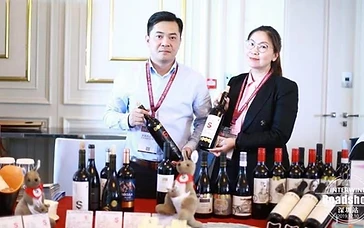
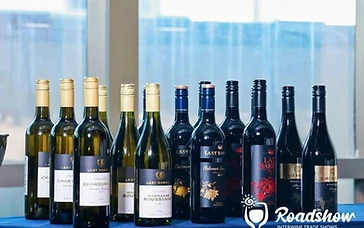
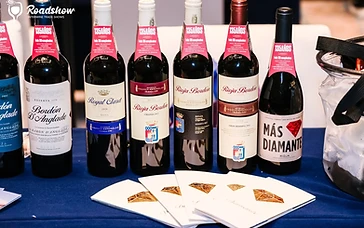
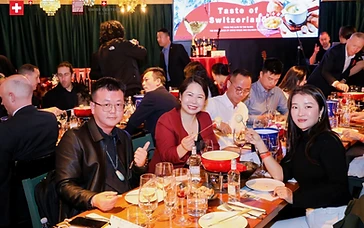
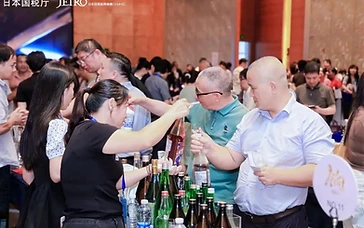
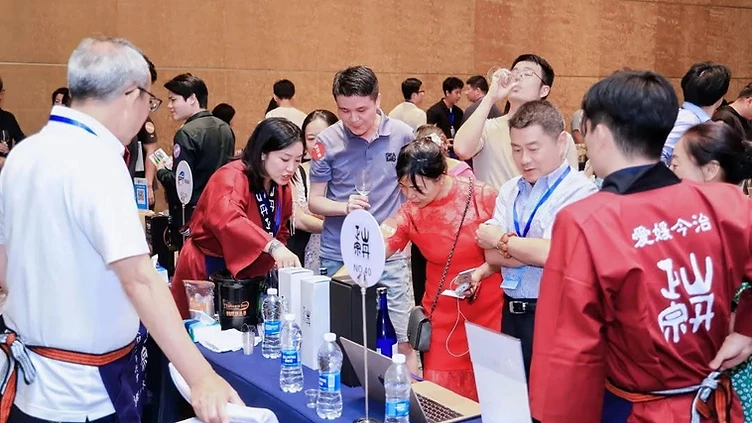
Generic megashows in Asia often attract mass-volume traders looking for bulk commodity pricing. To connect with regional boutique retailers, wineries should target specialized trade platforms that offer dedicated buyer screening. Utilizing targeted Interwine Events allows producers to engage directly with vetted boutique cellar owners, regional distributors, and sommeliers traveling from southern and inland China. Using curated Business Matching services before the fair ensures winery meetings are confirmed only with retail decision-makers rather than general public visitors.
Step 4: Leverage City Wine Associations and Sommelier Guilds
In tier-1 and tier-2 cities, boutique bottle shop owners are active in local sommelier associations and private tasting circles. Collaborating with regional trade boards or booking regional masterclasses allows producers to present wines directly to community leaders who make retail buying decisions.
Due Diligence: Vetting a Potential Boutique Wine Retailer
Finding a stylish shopfront is only the initial hurdle. Prior to signing agency agreements or extending credit terms, wineries must conduct strict commercial vetting.
| Assessment Category | Verification Target | Commercial Risk to Winery | | :--- | :--- | :--- | | Licensing & Legal Status | Business License (Yingye Zhizhao) with Food/Alcohol Business Permit (Shipin Jingying Xukezheng) | Severe customs or regulatory penalties; unauthorized resale risks. | | Cold-Chain Logistics | Temperature-controlled domestic warehousing and transport (especially across southern China during summer) | Product spoilage, cooked bottles, and permanent brand reputation damage. | | Digital Community Footprint | Active WeChat Official Account, Mini Program storefront, and curated private group chats (Shequn) | Slow inventory turnover; stock sitting statically on physical display shelves. | | Payment Reliability | Direct cross-border T/T settlement capability or designated licensed import partner | Foreign exchange delays, local currency entrapment, or payment defaults. |
Export managers should check the corporate registry using platforms like Qichacha (企查查) or Tianyancha (天眼查) to verify capitalization, operating longevity, and legal clean sheets.
Pitching to Chinese Boutique Retail Buyers
Chinese boutique retailers are inundated with samples from classic regions. To earn shelf space, your commercial proposition must align with their modern merchandising strategy:
- Tell an Authentic Terroir Story: Generic industrial labels fail in boutique spaces. Buyers want high-definition details about soil composition, parcel altitude, family heritage, or organic certifications that their retail staff can communicate to consumers.
- Provide Bilingual Point-of-Sale (POS) Assets: Equip the retailer with translated tasting cards, short WeChat-ready vertical videos of the winemaker, and clear food-pairing guidelines that fit regional Chinese culinary traditions.
- Protect Retail Margins: Independent shops cannot compete with deep discounting on public e-commerce channels (such as Douyin or Taobao). Provide price guarantees or exclusive SKU allocations to assure the merchant their shelf margins will not be undercut by unauthorized parallel imports.
Strategic Next Steps for Export Directors
Identifying and converting boutique wine retailers across China is an iterative process requiring on-the-ground presence and qualified matchmaking. Rather than hoping distributors discover your brand from afar, international wineries should take direct commercial initiative.
Evaluate the latest channel developments in our curated Market Insights section, verify incoming trade schedules, and register to Become an Exhibitor to secure dedicated face-to-face meetings with verified boutique retail owners, sommeliers, and regional buyers across China's most lucrative retail hubs.
Sources
- BestWineImporters (2026). A Wine Exporter’s Guide to Finding Buyers in China and Working with Chinese Wine Importers. URL: https://www.bestwineimporters.com/blog/resources/a-wine-exporters-guide-to-finding-buyers-in-china-and-working-with-chinese-wine-importers/
- EU SME Centre (2023). China's Wine Market(s): Drivers, Technical Requirements and Opportunities for EU Producers. URL: https://www.eusmecentre.org.cn/publications/chinas-wine-markets-drivers-technical-requirements-and-opportunities-for-eu-producers
- China Wine Competition & Beverage Trade Network (2024). China's Leading Wine Importers - A Comprehensive Guide For International Brands. URL: http://chinawinecompetition.com/en/blog/insights-1/chinas-leading-wine-importers-a-comprehensive-guide-for-international-brands-238.htm
- SEO China Agency (2026). China Wine Market Report 2026. URL: https://seoagencychina.com/china-wine-market-report-2026
- Market Research Future (2026). China Wine Market Size, Share Industry Analysis By 2035. URL: https://www.marketresearchfuture.com/reports/china-wine-market-44526
Key Takeaways
- —Boutique wine retail in China is predominantly hybrid, driven by bistro-cellars (bistronomy), independent fine wine merchants, and curated WeChat-driven community bottle shops.
- —Boutique buyers prioritize authentic terroir stories, sustainable or low-intervention viticulture, and strict margin protection over mass-market brand fame.
- —Prospecting requires localized digital tools, including Dazhong Dianping, Xiaohongshu (RED), and cross-referencing boutique importer portfolios (e.g., EMW, Jointek, Ruby Red).
- —Comprehensive due diligence must evaluate cold-chain logistics integrity, Chinese food/alcohol business licensing, and legal standing via platforms like Qichacha.
- —Meeting verified boutique retailers face-to-face via dedicated B2B trade platforms and business matching services shortens market entry timelines significantly.
Frequently Asked Questions
What defines a boutique wine retailer in China?
In China, a boutique wine retailer is typically an independent bottle shop, hybrid wine bistro ('bistronomy' concept), or private fine-wine merchant focusing on low-volume, high-quality artisanal wines, organic/biodynamic labels, or regional terroir selections rather than industrial mass-market brands.
Do Chinese boutique retailers import directly from overseas wineries?
While a growing minority hold direct import licenses, most boutique retailers source through specialized boutique importers to bypass minimum shipping thresholds, customs clearances, and regulatory labeling hurdles. Establishing partnerships with their designated distributor or exhibiting at local trade shows is often necessary.
Which Chinese cities have the highest density of boutique wine shops?
Shanghai represents the largest and most mature market for independent boutique cellars and bistros, followed by Beijing, Shenzhen, and Guangzhou. Emerging hubs with rapid growth include Chengdu, Hangzhou, and Wuhan.
How do boutique retailers in China evaluate new wine brands?
Boutique buyers look for distinctive terroir stories, sustainable/organic certifications, bilingual marketing collateral, guaranteed price discipline that prevents online discounting, and reliable cold-chain supply chains within mainland China.
How can an international winery meet verified boutique retailers face-to-face?
The most effective approach is participating in focused professional wine fairs such as Interwine and utilizing structured B2B business matching sessions that pre-qualify independent retail buyers and regional sommeliers before meetings take place.