What Chinese convenience retail buyers Expect From Imported Wine Brands
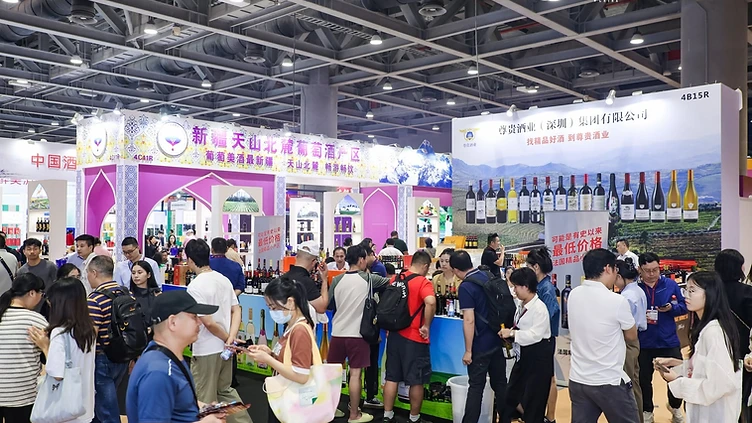
Discover what Chinese convenience retail buyers expect from imported wine brands, from margin models and CIFER compliance to small-format packaging and O2O quick-commerce fulfillment.
Chinese convenience retail (CVS) buyers operate under some of the tightest inventory turns, highest slotting fees, and most data-driven shelf-space algorithms in global wine commerce. As highlighted by China Briefing in its 2024 analysis of wine market dynamics, offline retail channels such as convenience chains and supermarkets generate roughly US$9.7 billion in annual at-home consumer expenditure out of a total projected wine retail valuation of US$26.8 billion. However, convenience store buyers—representing major national and regional banners such as Lawson, FamilyMart, 7-Eleven, Meiyijia, and Bianlifeng—evaluate imported wine through a commercial lens that contrasts sharply with white-tablecloth on-premise distributors or specialized fine-wine merchants.
For winery commercial directors, entering Chinese convenience retail requires moving past romantic storytelling and focusing on operational precision, SKU rationalization, shelf velocities, and margin structures that absorb retail listing rebates. Below is a research-led analysis of what buyers in China's modern convenience store sector actually expect from international wine brands seeking shelf space.
The Commercial Economics of China's CVS Wine Shelf
Convenience stores in Tier 1 and Tier 2 cities in China have very limited shelf space, often dedicating just one to three shelf bays to imported alcohol. As a result, product acceptance relies heavily on turnover velocity and unit gross margin rather than broad portfolio breadth.
1. Velocity and Slotting Structure Expectations
A convenience store wine category manager rarely accepts an entire vintage line. Instead, buyers evaluate individual SKUs based on their expected monthly turnover per store and their contribution to retail gross margins:
- Gross Margin Thresholds: CVS chains typically demand gross profit margins ranging from 35% to 50% on shelf retail, which often includes promotional reserves.
- Entry and Listing Fees (Chawei Fei): Commercial contracts with major operators frequently stipulate fixed listing fees per SKU, per store cluster, alongside promotional display fees for end-cap placement during peak seasonal campaigns.
- Inventory Turns: An imported wine SKU in a chain like FamilyMart or Lawson is expected to achieve minimum sell-through thresholds within 60 to 90 days. Products failing to maintain inventory turns face automatic delisting.
Winery commercial teams should focus their presentations on their top two high-velocity SKUs rather than presenting an entire portfolio. Producers ready to present high-turnover portfolios to regional buyers often connect with these commercial decision-makers by choosing to become an exhibitor at focused regional exhibitions.
2. The Dominant Price-Point Corridor
While gift-giving and banquet channels can support premium pricing, convenience store shoppers primarily purchase for immediate, casual personal consumption. According to data reported by China Briefing (2024), at-home everyday wine consumption represents over 913 million liters of product across China. Within convenience retail, the optimal price corridor falls squarely between RMB 49 and RMB 128 (approximately US$7 to US$18) per bottle. Brands priced below this band run into cheap domestic mass-market competition, while wines priced above RMB 150 face friction unless backed by significant consumer brand equity.
Product Differentiation and Packaging Format Demands
Chinese urban convenience consumers skew younger (predominantly Gen Z and young professionals living in single or dual-occupancy apartments). This demographic profile shapes retail buyer criteria around physical packaging and style.
Single-Serve and Half-Bottle Packaging
Traditional 750ml cork-finished bottles often underperform in convenience retail. As noted by MSA Advisory (2024), small-size wine bottles (187ml, 250ml, and 375ml) have surged in consumer interest across urban China. Buyers look for:
- 187ml to 375ml Formats: These meet the needs of solo consumers who prefer fresh servings without committing to a full standard bottle.
- Twist-Off Screw Caps: Because convenience purchases are frequently intended for immediate consumption in outdoor spaces, hotel rooms, or informal gatherings, closures requiring a corkscrew face commercial friction.
- Alternative Packaging: Premium aluminum cans and single-serve resealable glass packages are increasingly tested by buyers seeking to maximize cold-box visibility alongside ready-to-drink (RTD) beverages and craft beer.
Palate Profiles: Low-Tannin, Fruit-Forward, and Sweet Styles
While dry red wine remains the established historical foundation—often colloquially referenced as hóngjiǔ (red wine), as highlighted in Beverage Trade Network industry research (2023)—convenience shelf buyers seek accessible sensory profiles. Heavy, astringent, highly tannic wines requiring extensive aeration do not align with spontaneous consumption habits. Buyers prioritize:
- Fresh, fruit-forward reds (such as fruit-expressive Merlot or unoaked Shiraz)
- Lightly sparkling aromatic whites (such as Moscato d'Asti or Prosecco)
- Rosé and lower-ABV options tailored for warm-weather refrigeration displays
For ongoing updates regarding regional consumer palate shifts, exporters can review the latest analyses published through market insights.
Operational, Regulatory, and Supply Chain Prerequisites
Convenience retail chains operate through centralized distribution centers (CDCs) that require reliable logistics and regulatory compliance.
1. Mandatory CIFER Registration and Customs Compliance
Every overseas production facility exporting wine to mainland China must be formally registered under the General Administration of Customs of China (GACC) framework. As detailed by the EU SME Centre (2023), all food and beverage manufacturers must secure approved registration through the GACC CIFER platform before shipping. Any discrepancy in documentation, HS codes, or facility registration numbers will halt shipments at customs. Convenience store procurement directors require importers to show active CIFER credentials and pre-cleared Chinese compliant labels before listing discussions begin.
2. O2O and Quick-Commerce Fulfillment Compatibility
In modern Chinese retail, a convenience store functions simultaneously as a brick-and-mortar storefront and a micro-fulfillment hub for on-demand delivery apps like Meituan, Ele.me, and JD Daojia. Buyers expect wine suppliers to accommodate this omnichannel flow:
- Durable Packaging: Outer cases and labels must endure fast picking and motorcycle delivery without scuffing.
- Digital Visual Assets: Brand owners must provide high-resolution digital cutouts, localized Chinese digital assets, and brief tasting notes designed for mobile screen viewing.
Building Buyer Trust: Co-Marketing and Relationship Management
Securing a listing in a regional CVS banner is only the first step; maintaining shelf presence requires active sell-through support. Category buyers do not expect overseas winemakers to fund national campaigns, but they do require realistic marketing support tailored to their retail footprint.
Targeted Digital Co-Marketing
Buyers favor brands that can drive foot traffic directly to their stores through digital touchpoints. This involves:
- Targeted geotargeted advertising using WeChat Mini-Programs linked to the chain’s membership loyalty systems.
- Point-of-sale shelf-talkers featuring simple QR codes directing consumers to localized content or tasting guides.
- Promotional bundle funding for seasonal periods, particularly around the Mid-Autumn Festival and Chinese New Year, when convenience stores assemble gift packs for neighborhood shoppers.
Wineries seeking qualified distributors with direct master-supply contracts into regional convenience store chains can arrange structured distributor meetings through dedicated business matching services.
Conclusion: Strategic Steps for Export Directors
Penetrating China's convenience retail landscape requires wineries to approach category buyers with a consumer-ready commercial proposal. Buyers in this sector prioritize:
- Products compliant with GACC CIFER regulations with verified Chinese-language back labels
- Tailored formats (single-serve, screw cap) suited to spontaneous consumption
- Clean landed pricing models that support 35% to 50% gross margins and standard listing fees
- Clear sell-through support models designed to prevent inventory stagnation
Wineries prepared to meet these retail criteria can capture consistent, repeatable volume across China’s evolving urban at-home wine market.
Sources
- EU SME Centre (2023), China's Wine Market(s): Drivers, Technical Requirements and Opportunities for EU Producers, https://www.eusmecentre.org.cn/publications/chinas-wine-markets-drivers-technical-requirements-and-opportunities-for-eu-producers
- China Briefing by Dezan Shira & Associates (2024), China's Wine Market Outlook: Trends and Opportunities, https://www.china-briefing.com/news/chinas-wine-market-outlook-trends-and-opportunities
- Beverage Trade Network (2023), Interview With Stevie Kim: Expectations Of China Wine Importers, https://beveragetradenetwork.com/en/btn-academy/articles/interview-with-stevie-kim-expectations-of-china-wine-importers-323.htm
- MSA Advisory (2024), Wine Market in China: Trends, Growth, and Consumer Preferences, https://msadvisory.com/wine-market-in-china
Key Takeaways
- —Convenience store wine retail requires high inventory turnover and typically demands retail gross margins between 35% and 50%.
- —The primary retail price corridor for imported wine in Chinese convenience stores sits between RMB 49 and RMB 128 per bottle.
- —Small-format packaging (187ml to 375ml) and screw caps dramatically lower barriers to purchase for urban solo consumers and informal social occasions.
- —Producers must have active GACC CIFER registration and Chinese-compliant back labels before pitching convenience store category buyers.
- —Modern Chinese convenience stores double as micro-fulfillment warehouses for on-demand delivery apps (Meituan, Ele.me), requiring durable packaging and mobile-ready digital assets.
Frequently Asked Questions
What retail price points perform best in Chinese convenience stores for imported wine?
The most effective pricing corridor ranges from RMB 49 to RMB 128 (approximately US$7 to US$18). Products below this range struggle against domestic volume brands, while items priced significantly higher face slow turnover on convenience shelves.
What packaging formats are preferred by CVS wine buyers in China?
Buyers increasingly favor smaller formats such as 187ml, 250ml, and 375ml bottles equipped with screw-cap closures. These accommodate urban single consumers purchasing for immediate, casual drinking without the need for a corkscrew.
Is GACC CIFER registration mandatory before approaching retail buyers?
Yes. Category managers and their affiliated master importers will not consider foreign wine brands whose manufacturing facilities are not actively registered on the General Administration of Customs of China (GACC) CIFER platform.
How does on-demand delivery (O2O) impact convenience wine packaging?
Because urban stores fulfill orders through platforms like Meituan and Ele.me, packaging must withstand transport via delivery scooters. Wineries must also provide mobile-optimized digital assets for instant app integration.
What margin expectations do convenience retail chains have for imported wine?
Major retail chains typically expect gross margins between 35% and 50% on shelf retail, which often covers promotional allowances, seasonal markdown budgets, and store-level merchandising allowances.