How to Select SKUs for a China Market Launch
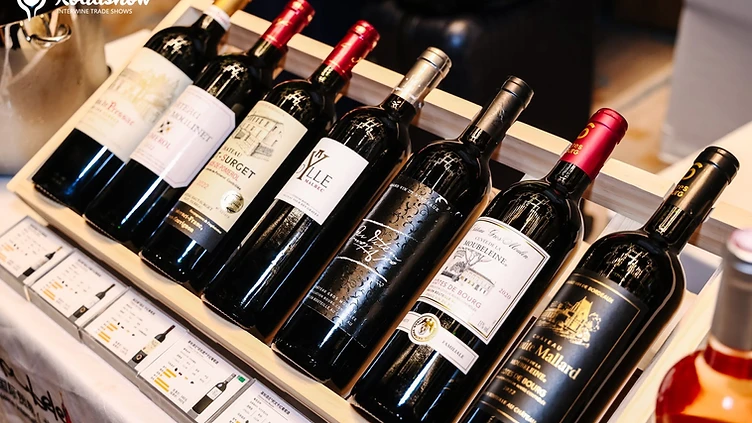
A commercial B2B guide for international wineries on how to select SKUs for a China market launch, covering landing architecture, tax calculations, channel matching, and importer risk management.
Selecting the right stock-keeping units (SKUs) for a China market entry is fundamentally a commercial balancing act rather than an extension of cellar-door popularity. Too many international wine producers export their entire domestic portfolio to mainland China, only to suffer from margin erosion, frozen capital, and fierce digital price competition across fragmented regional channels.
According to General Administration of Customs China (GACC) trade data cited by the USDA Foreign Agricultural Service (2025), China imported approximately $1.6 billion of wine and related products in 2024. While overall import volumes have experienced market consolidation—with reports from BestWineImporters (2025) noting a 33% decline in volume alongside a 38% rise in average import prices between January and July 2025—the Chinese wine landscape has definitively shifted toward quality, premiumization, and strict category alignment.
To succeed, international wineries must build a focused SKU architecture that respects landed cost structures, caters to evolving regional palates, and establishes enforceable distribution exclusivity.
The Core SKU Selection Matrix: The 3-Tier Portfolio Architecture
A common pitfall for overseas wine brands is launching with 8 to 15 different labels simultaneously. In mainland China, importers and regional distributors rarely carry an entire range. Doing so strains sales teams and dilutes limited marketing budgets across multiple listings.
A resilient China launch portfolio should rely on a disciplined three-tier architecture:
+-------------------------------------------------------------+
|               TIER 1: THE DOOR-OPENER (ENTRY)               |
|   * 1-2 SKUs | High drinkability | Lower landed cost        |
|   * Purpose: Volume, cash flow, tasting events, by-the-glass |
+-------------------------------------------------------------+
                              |
                              v
+-------------------------------------------------------------+
|              TIER 2: THE COMMERCIAL CORE (HERO)             |
|   * 2-3 SKUs | Mid-to-high margin | Clear regional identity |
|   * Purpose: Retail shelves, corporate gifting, banquets     |
+-------------------------------------------------------------+
                              |
                              v
+-------------------------------------------------------------+
|              TIER 3: THE BRAND ANCHOR (FLAGSHIP)            |
|   * 1 SKU | High ratings (93+ pts) | Ultra-premium gift box |
|   * Purpose: Prestigious on-trade, VIP allocations, mianzi  |
+-------------------------------------------------------------+
1. The Door-Opener SKU (Volume & Trial)
This tier contains one or two fruit-forward, approachable wines with balanced acidity and soft tannins. In entry-level dining, casual gatherings, and dynamic on-premise venues, price sensitivity is high. This wine establishes trade trust and allows the distributor to achieve rapid initial turnover without excessive credit exposure.
2. The Commercial Core / "Hero" SKU (Margin & Identity)
This tier forms 50% to 60% of your sales volume. It should embody your region’s signature grape variety (for example, a Barossa Shiraz, Bordeaux blend, Marlborough Sauvignon Blanc, or Rioja Reserva). It must offer recognizable quality, professional packaging, and high perceived value for business entertainment and festive banquets.
3. The Brand Anchor SKU (Halo & Prestige)
Chinese business culture places significant value on mianzi (face) and brand stature, as noted in market analysis by BestWineImporters (2024). Affluent consumers and executive buyers expect a high-scoring, prestigious bottle packaged in luxury cartons or wooden boxes. Even if this SKU represents less than 10% of total imported volume, its presence justifies the pricing tiers below it and solidifies your winery’s credentials.
Landed Cost Modeling and Target Price Ladders
A critical mistake in SKU selection is choosing bottles based on home-market recommended retail prices (RRP). In China, compounded duties, distribution tiers, and e-commerce transparency compress distributor margins quickly.
As outlined by the EU SME Centre (2024), bottled still wine imported into China incurs three principal border levies:
- Most-Favored-Nation (MFN) Customs Tariff: Typically 14% (unless preferential Free Trade Agreements apply, such as for Chile, New Zealand, or recently restored Australian trade pathways).
- Consumption Tax: 10%.
- Value-Added Tax (VAT): 13%.
These compounded taxes add roughly 45% to 50% to the Cost, Insurance, and Freight (CIF) value at the port of entry.
The Landed Cost Multiplier
To price each candidate SKU accurately, wineries should plan for a retail price roughly 3 to 4 times the initial FOB/CIF cost:
- FOB Port of Origin: $6.00 USD / bottle
- CIF Mainland Port (with shipping/insurance): ~$6.80 USD
- Landed Cost Post-Customs & Taxes (~+48%): ~$10.06 USD
- First-Tier Importer Margin (25-35%): ~$13.40 USD
- Secondary Sub-Distributor / Wholesaler Margin (20-30%): ~$17.40 USD
- Final Retail / On-Trade Shelf Price: ~$22.00–$25.00 USD (RMB 160–185)
If your candidate SKU lands above RMB 200 in a crowded mid-market retail tier without corresponding brand recognition, stock will stall in bonded warehouses. Ensure your door-opener SKU retails comfortably between RMB 98 and RMB 158, while your core hero SKU sits in the sustainable RMB 180 to RMB 380 range.
Decoding Sensory Shifts: Red Dominance vs. Emerging Categories
Historically, China was overwhelmingly a red-wine market dominated by Cabernet Sauvignon. However, trade trends identified by the USDA FAS Shanghai ATO (2025) highlight a distinct evolution: female consumers and younger urban professionals in Tier 1 and Tier 2 cities are driving unprecedented demand for aromatic whites, sparkling wines, and natural or organic profiles.
Similarly, the ProWine Business Report (2025) notes that while traditional imported still wines face headwinds, merchants see expanding interest in sparkling varieties and fresh, food-friendly whites.
| Wine Category | Traditional Perception | Current Market Reality (2025–2026) | Optimal SKU Strategy | | :--- | :--- | :--- | :--- | | Full-Bodied Reds (Cabernet, Syrah) | Universal default for banquets and gifting | Remains the anchor for corporate gifting; demands smoother tannins | Select deep-colored, oak-aged reds with soft tannins and rich fruit. | | Aromatic Whites (Riesling, Sauvignon Blanc) | Niche, overlooked | Fast-growing among younger urban demographics; pairs with regional cuisines | Include 1 crisp, aromatic white SKU to capture bistros and Tier 1 on-trade. | | Sparkling & Champagne | Reserved strictly for luxury nightlife | Expanding into casual daytime dining and lifestyle celebrations | Ideal for dedicated lifestyle channels; requires distinct importer focus. | | Sweet / Low-Alcohol (Moscato, Late Harvest) | Viewed as non-traditional | High conversion rate among first-time wine drinkers on live commerce platforms | Deploy as an entry-level SKU specifically for e-commerce campaigns. |
Channel Compatibility: Matching SKU Types to Chinese Sales Routes
Selecting SKUs without designating specific distribution channels invites channel conflict. In China, online price transparency on platforms such as Taobao, JD.com, and Douyin can disrupt offline restaurant and distributor pricing in a matter of weeks.
1. Traditional On-Trade & Fine Dining (Bistros, Hotels, Private Clubs)
- Target SKU Types: Low-production single-vineyard bottlings, organic or biodynamic labels, autochthonous grape varieties.
- Channel Dynamics: Sommeliers require wines with compelling origin stories that cannot be price-checked instantly by diners scanning labels on WeChat or Douyin.
2. Modern Off-Trade & Warehouse Clubs (Costco, Sam's Club China)
- Target SKU Types: Established regional brands offering twin-packs, bold varietals, and private-label opportunities.
- Channel Dynamics: As noted by the USDA FAS (2025), warehouse clubs in China have expanded direct sourcing. They demand large volumes, competitive container-load pricing, and reliable quality consistency.
3. Digital Retail and Livestream Social Commerce (Douyin, Xiaohongshu)
- Target SKU Types: Visually distinctive packaging, fruit-forward accessible whites or reds, attractive gift presentations.
- Channel Dynamics: Selling through social commerce requires high-margin flexibility to support Key Opinion Leader (KOL) commissions and platform discounts without destroying the brand’s baseline wholesale pricing.
Mitigating Commercial Risk: The "Open Marriage" Distribution Model
One of the most consequential distribution debates in China centers on exclusivity. Granting nationwide, full-portfolio exclusive distribution to a single importer frequently results in underperformance if that importer specializes only in a single tier or region.
In industry analysis on distribution models by Vino Joy News (2024), industry executive Dan Siebers highlights the utility of an "open marriage" model for international wineries with diverse portfolios. Under this structure, a winery divides its catalog, allocating exclusive rights for distinct SKUs to different specialized importers:
- Importer A (On-Trade Specialist): Receives exclusive distribution for your high-end single-vineyard reds and specialty whites across Tier 1 city restaurants and wine bars.
- Importer B (Wholesale / Regional Network): Holds exclusive rights to your primary commercial "Hero" SKU for regional corporate gifting and retail channels.
- Importer C (E-commerce / Social Commerce): Manages a dedicated online-exclusive SKU with bespoke packaging tailored to social streaming campaigns.
This structure prevents different channels from carrying identical labels, eliminating the price wars that frequently undermine brand equity in fragmented markets.
Packaging, Regulatory Compliance, and Chinese Labeling
Even an exceptional wine will encounter customs rejection or retail resistance if its packaging fails basic regulatory and visual tests.
Back-Label Compliance
Chinese customs rules mandate that every imported commercial bottle feature a compliant Simplified Chinese back-label before crossing borders or exiting bonded zones. Under GACC regulations, this label must include:
- Standard product category designation (e.g., "干红葡萄酒" for Dry Red Wine).
- Country of origin, vintage, and grape varieties.
- Precise alcohol content (by volume) and total nominal volume (in ml).
- Mandatory health warning statements in Chinese characters.
- Importer/distributor business name, registered address, and emergency contact details.
- Bottling date and lot numbers matching official sanitary certificates.
Visual and Cultural Presentation
- Capsules and Cartons: Premium buyers expect sturdy, high-gsm carton boxes or heavy glass bottles. Avoid pale, subdued label tones that may be perceived as dated in high-end gifting contexts.
- Chinese Brand Naming: Select an official phonetically pleasing Chinese name with positive cultural connotations (e.g., implying fortune, prestige, or natural beauty) and secure its trademark registration before shipping your first container.
Validating Your SKU Selection: Pre-Launch Trade Testing
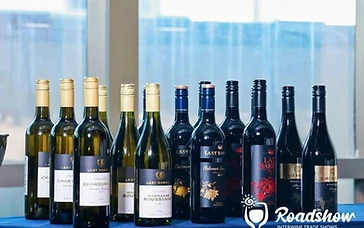
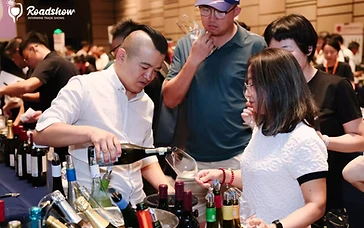
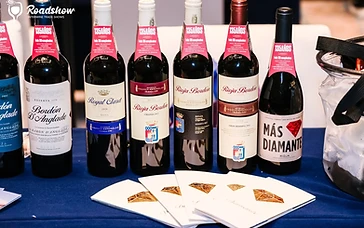
Before committing to 40-foot container runs for unproven SKUs, international wineries must validate their portfolio directly with active Chinese wine buyers.
Review the latest trade data in our Market Insights analysis, review prospective partners via the Exhibitor Directory, and explore upcoming regional tastings through Interwine Events.
To conduct structured buyer evaluations, wineries can register to Become an Exhibitor and utilize dedicated Business Matching services. Pitching curated SKUs directly to vetted mainland importers, regional distributors, and hospitality buyers provides real-world feedback on pricing, sensory reception, and packaging before signing distribution agreements.
Practical Conclusion and Next Steps
Launching wine SKUs into China requires rigorous SKU pruning, accurate landed-cost calculations, and disciplined channel assignment. By launching with a structured 3-tier architecture—a Door-Opener, a Commercial Core, and a Flagship Anchor—international wineries can protect their margins, build sustainable distributor relationships, and capture market share in a professionalizing wine market.
Sources
- General Administration of Customs China (GACC) / USDA FAS: Wine Market Update 2025
- BestWineImporters: China Wine Importers and Wine Import Trends 2025 Update
- BestWineImporters: A Wine Exporter's Guide to Finding Buyers in China and Working with Chinese Wine Importers (2024)
- Vino Joy News: China's Wine Paradox: Boom, Bust, and What Now? (Dan Siebers Analysis)
- EU SME Centre: China's Wine Market: A Guide for Exporters
Key Takeaways
- —Adopt a focused 3-tier SKU architecture (Door-Opener, Commercial Core, Brand Anchor) rather than exporting an entire unedited catalog.
- —Calculate final shelf prices using a 3x to 4x FOB multiplier to account for ~45-50% in compounded Chinese import tariffs, VAT, and multi-tier distribution margins.
- —Capitalize on shifting consumer demographics by adding expressive white, sparkling, or lower-alcohol SKUs alongside classic full-bodied red wines.
- —Implement the 'open marriage' distribution model by dividing exclusive SKU rights among specialized regional or channel-specific importers to eliminate digital price wars.
- —Ensure complete GACC back-label compliance and secure Chinese trademark registrations prior to shipping commercial volumes.
Frequently Asked Questions
How many SKUs should an international winery launch with in China?
Most wineries should enter China with a lean selection of 3 to 5 SKUs: one volume-driving door-opener wine, two commercial core (hero) wines, and one flagship luxury wine for prestige and gifting. Launching too many labels simultaneously fragments marketing spend and overwhelms distributor sales teams.
How do import taxes and duties affect SKU pricing in China?
Bottled still wine imported into China generally faces an MFN customs tariff (~14%), consumption tax (10%), and VAT (13%), which together compound to add approximately 45% to 50% on top of the CIF value. Producers should anticipate that the final retail price will be roughly 3 to 4 times their initial FOB price.
What is the 'open marriage' model in Chinese wine distribution?
The open marriage model assigns exclusive rights for different SKUs within the same winery portfolio to different specialized importers (such as one importer for on-trade restaurants, one for retail/gifting, and another for digital channels). This prevents cross-channel price discounting and avoids overloading a single partner's sales capability.
Are white and sparkling wines viable SKUs for a China launch?
Yes. While full-bodied reds still dominate corporate gifting and traditional banquets, recent trade data shows surging demand for aromatic whites (like Riesling and Sauvignon Blanc) and sparkling wines among younger, female, and urban consumers across Tier 1 and Tier 2 cities.
What mandatory information must appear on Chinese wine back-labels?
Imported wines must bear a Simplified Chinese back-label compliant with GACC regulations, stating the Chinese product name, grape varieties, alcoholic strength, container volume, origin country, production date, mandatory health warnings, and the Chinese importer's registered business name and contact details.