How to Prepare for Meetings With Chinese regional distributors
A commercial roadmap for winery export directors: learn how to structure bilingual pitch decks, calculate landed margins, prepare compliant tasting samples, and negotiate effectively with Chinese regional wine distributors.
To prepare for meetings with Chinese regional distributors, winery export directors must transition from romantic terroir narratives to hard commercial mechanics. Success requires presenting FOB/CIF pricing with fully modeled Chinese import duties and distributor margins, delivering Chinese-language digital assets and WeChat collateral, navigating GAC-compliant sample logistics, and respecting the relationship dynamics of local commercial negotiations.
While first-tier hubs like Shanghai and Shenzhen remain mature, regional second- and third-tier economic centers across Guangdong, Zhejiang, Jiangsu, Sichuan, and Henan represent substantial wholesale volumes. According to market analysis by MS Advisory (2025), China's wine market was valued at $40.4 billion in 2024 with strong long-term expansion potential. However, regional distributors operate with distinct cash-flow models, dining-driven wholesale networks, and localized sales channels. Approaching these commercial partners requires rigorous operational groundwork.
1. Regional Distributors vs. National Importers: Understanding the Channel
Winery leaders often conflate national direct-to-consumer importers with regional distribution partners (dīqū jīngxiāoshāng). National players often maintain central bonded warehouses in ports like Ningbo or Shanghai, supplying large retail chains or luxury on-trade venues. In contrast, regional distributors control local off-premise sales, private client allocations, gifting circles, regional banquet business, and local specialized dining establishments.
Commercial Expectations and Distribution Economics
Regional distributors assume direct sales risk in their provincial territories. In meetings, their primary evaluation criteria are not wine competition medal points, but channel margin, exclusivity parameters, and logistical reliability.
- Portfolio Gaps: They rarely seek another undifferentiated French blend or New World entry label unless it addresses an explicit price-tier gap or comes backed by market support funds.
- Local Channel Fit: In inland and southern regions, red wine styles with approachable fruit concentration or prestige-packaged white and sparkling categories for specific banqueting banquets drive turnover.
- Brand Exclusivity: Regional distributors expect territorial exclusivity at the municipal or provincial level to safeguard their investment from parallel gray-market imports.
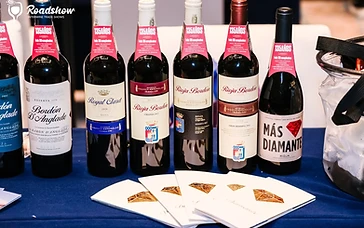
Wineries participating in targeted trade exhibitions can evaluate qualified provincial partners directly through specialized Business Matching services, filtering prospects by regional footprint and channel specialization.
2. Commercial Pricing Architecture: The Landed Cost Calculator
The most common error export managers make during commercial meetings is presenting solely Ex-Works (EXW) or Free on Board (FOB) price lists. Chinese regional distributors negotiate backwards from the intended consumer retail price (diàomiàn jià) or banquet case price.
[Winery FOB Price / Liter]
  + International Freight & Marine Insurance (CIF Port of Entry)
  + Customs Tariff (MFN or Free Trade Agreement rate)
  + Consumption Tax (Ad Valorem wine excise tax)
  + Value Added Tax (Standard 13% import VAT)
  = Landed Bonded / Cleared Cost
  + Distributor Gross Margin (typically 30% - 45%)
  + Sub-dealer / Channel Margin (15% - 25%)
  = Wholesale / End-User Target Price
Transparent Margin Defense
When a distributor requests a breakdown during meetings, you must present a transparent spreadsheet showing how your FOB rate allows healthy tier margins while landing within their local target shelf price. Demonstrating familiarity with China's import tax structures—including customs tariffs, the 13% Value Added Tax (VAT), and wine consumption tax—proves your brand's market readiness. If your home jurisdiction benefits from bilateral trade agreements or preferential duty regimes, outline those savings clearly.
To see how successful producers configure their commercial packaging and price positions for the Chinese market, review recent category benchmarks in our Exhibitor Directory.
3. Bilingual Pitch Decks and Local Digital Infrastructure
Traditional Western presentation formats—consisting of lengthy soil studies, family history timelines, and printed corporate brochures—fail to engage regional Chinese buyers. Commercial materials must be visual, data-dense, and integrated into local communication platforms.
The Anatomy of an Effective Chinese Deck
Your commercial presentation should not exceed 10 to 12 slides, localized into simplified Chinese (Jiǎntǐ Zhōngwén):
- Commercial Snapshot: Annual production volumes, current global markets, and designated export allocations for China.
- Flavor Profile & Pairing Matrix: Clear descriptors translated into sensory terms familiar to regional Chinese palates, mapping matches to regional gastronomy (e.g., Cantonese, Sichuanese, or Huaiyang cuisine).
- Packaging & Bottling Specifications: Glass weight, carton strength, barcode availability, and cork/closure specifications.
- Margin & Promotional Support: Marketing development fund (MDF) allowances, co-branded masterclass funding, and point-of-sale display provisions.
Integrating the WeChat Ecosystem
According to research on Chinese Business Etiquette published by CIBTvisas (2024), mobile communication via WeChat has largely replaced traditional contact exchange. Before attending meetings:
- Set up an active, verified WeChat account on an unlocked mobile device.
- Prepare your technical product specification sheets (jiǔzhuāng zīliào) and sell sheets as mobile-optimized PDFs or mini-program links downloadable via a QR code.
- Ensure company introduction videos are hosted on Chinese server-friendly formats rather than Western video hosting platforms blocked behind firewalls.
For export directors analyzing seasonal purchasing patterns and regional promotional timelines, consult our ongoing analysis in Market Insights.
4. Sampling Logistics and China Customs (GAC) Compliance
A commercial negotiation stalling over sample availability in a regional city is an avoidable logistical mistake. Bottled wine samples sent to mainland China are regulated under stringent food safety frameworks.
According to regulatory data from the Beverage Trade Network (BTN), all imported wine is subject to inspection by the General Administration of Customs (GAC). While pre-approval is not universally mandatory, imported food shipments are strictly verified, requiring foreign manufacturing registrations under China's Food Safety Law.
| Compliance Item | Requirement Details | | :--- | :--- | | Producer Registration | Foreign manufacturing and export facility registration number on the GAC Single Window system. | | Sample Labeling | Chinese back labels showing mandatory data: Product type, alcohol strength, net volume, country of origin, bottling date, and Chinese warning statements. | | Documentation | Certificate of Origin, Phytosanitary / Health Certificate, Commercial Invoice, Packing List. | | Sample Shipping | Sent via specialized customs-cleared logistics partners; commercial tariffs and VAT still apply even for exhibition samples. |
Never send personal courier parcels marked as "zero-value commercial samples" without prior clearance; local customs inspection posts (CIQ/GAC checkpoints) will seize non-compliant consignments, destroying your schedule.
5. Meeting Protocol, Hierarchy, and Building Guanxi
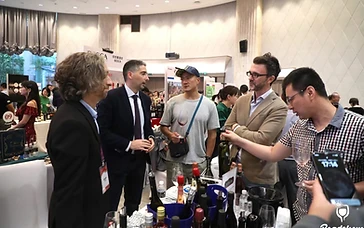
Negotiations with regional business owners require careful attention to hierarchy, social etiquette, and face (miànzi). In regional hubs, executive decisions are held tightly by the firm's founder or majority stakeholder (Lǎobǎn).
Key Etiquette Rules for Formal Sessions
- Punctuality & Greeting Order: Arrive 10 minutes prior to scheduled sessions. As noted in CIBTvisas' business guide (2024), greet the most senior executive first. A formal bow of the head with a measured handshake is standard practice.
- Card Exchange Protocols: If using physical business cards, hand your card over using both hands, with the Chinese translation facing upward toward the recipient. When receiving a distributor's card, inspect it attentively for several seconds before resting it neatly on the conference table in front of you.
- Addressing Titles: Avoid using first names. Address executives by their family name followed by their formal title (e.g., Wang Zǒng for General Manager Wang).
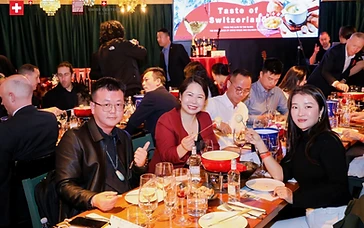
- Banquet Dynamics: Evening dining banquets often serve as the real forum where mutual trust (guānxi) is evaluated. Observe toasting etiquette: hold the rim of your wine or baijiu glass slightly lower than that of the host when clinking to signal respect.
6. Closing the Loop: Structuring MoUs and Exclusivity Agreements
Regional Chinese distributors frequently test foreign brand owners by requesting comprehensive provincial or national exclusivity during early meetings. Avoid granting wide geographic exclusivity prematurely without verifiable performance milestones.
Strategic Agreement Architecture
- Trial Volume Thresholds: Tie municipal or provincial territory protection to binding rolling purchase minimums (e.g., initial trial order of 1x20ft container followed by quarterly performance benchmarks).
- Joint Marketing Commitments: State clearly whether commercial allowances (sampling cases, tasting events, localized point-of-sale materials) are co-financed or deducted from invoice values.
- Arbitration & Governing Law: Specify contractual resolution terms, often designating arbitration centers in neutral commercial hubs like Hong Kong or Shanghai.
7. Scaling Distributor Acquisition via Trade Platforms
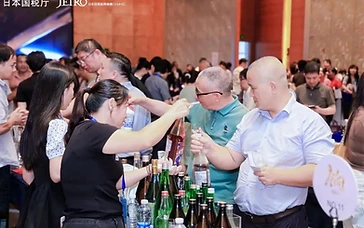
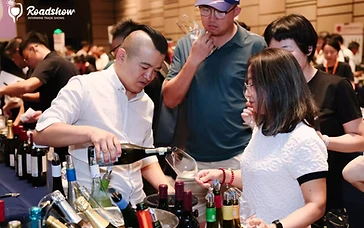
Cold-calling regional wine distributors across China produces exceptionally low conversion rates due to language barriers and security-conscious purchasing practices. The most efficient channel for building direct regional distribution networks is participating in dedicated professional trade environments.
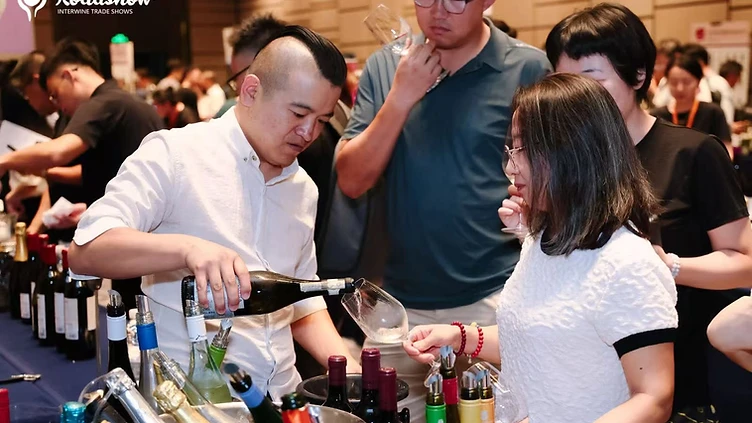
By taking a stand at Interwine—China's leading professional international wine and spirits exhibition—producers gain direct, pre-screened access to qualified provincial buyers, municipal wholesalers, and key distribution partners from Guangdong, the Greater Bay Area, and interior provincial capitals. Interwine provides the institutional credibility and business-matching infrastructure necessary to establish high-retention regional partnerships.
Sources
- MS Advisory (2025): Wine Market in China: Trends, Growth, and Consumer Preferences
- Beverage Trade Network: China Wine Label and Import Requirements: Quick Compliance Guide
- CIBTvisas (2024): A Guide to Chinese Business Etiquette
Key Takeaways
- —Regional Chinese distributors prioritize landed margins, territorial exclusivity, and local banquet or gifting demand over general brand accolades.
- —Present clear pricing models calculating customs tariffs, VAT (13%), and wine consumption taxes directly through to the wholesale tier.
- —Bilingual marketing materials and mobile-optimized WeChat assets are mandatory for engaging second- and third-tier provincial buyers.
- —Tasting samples must comply strictly with General Administration of Customs (GAC) registration, document authentication, and Chinese back-label requirements.
- —Territorial exclusivity must be balanced against minimum purchase volumes and milestone-based review periods to protect market access.
Frequently Asked Questions
What is the primary difference between a national importer and a regional distributor in China?
National importers typically handle port-of-entry customs clearance, warehousing, and nationwide brand licensing. In contrast, regional distributors focus on localized off-trade distribution, private gifting networks, banquet sales, and direct regional dining accounts within a specific province or municipal tier.
Can I bring commercial wine samples into China in my personal luggage for buyer meetings?
Bringing commercial quantities of wine samples via personal luggage is strictly regulated and carries risk of confiscation by customs. China's General Administration of Customs (GAC) enforces strict inspection and labeling procedures for alcohol. It is strongly advised to clear sample cases via formal logistics channels with certified Chinese back labels.
Why is WeChat essential for meetings with Chinese wine distributors?
WeChat serves as China's primary business communication tool. Regional distributors prefer scanning QR codes to instantly access bilingual product sheets, video links, pricing catalogs, and direct messaging, replacing traditional business cards and email follow-ups.
Should a winery grant territorial exclusivity to a regional distributor immediately?
No. Exclusivity should never be granted on initial contact without performance safeguards. The standard commercial practice is to agree on a short-term trial period tied to clear initial container volumes and quarterly sales milestones before executing long-term provincial exclusivity agreements.