Wine Brand Localization in China
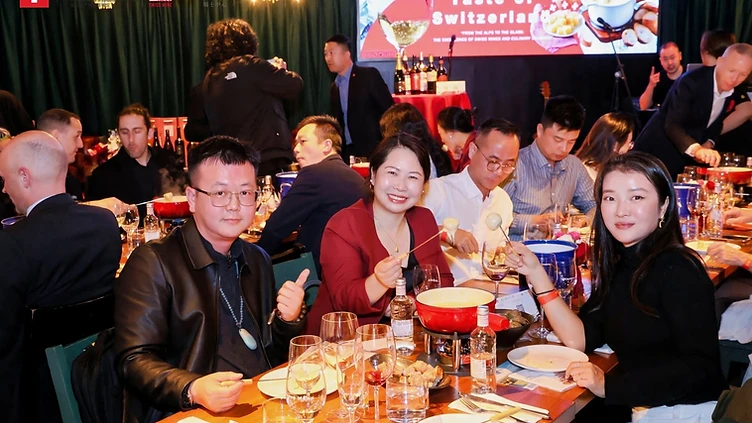
Mastering wine brand localization in China requires international wineries to move beyond literal label translation into cultural alignment, digital ecosystem engagement, and strategic trade partnerships.
International wineries expanding into Mainland China often discover that high global acclaim and Western critical scores do not automatically drive commercial pull. Navigating China’s alcoholic beverage landscape demands a dedicated localization strategy that balances linguistic identity, sensory preferences, digital channels, and strict regulatory standards.
According to an industry report published by MSA Advisory in 2025, China’s wine market is projected to reach approximately US$11.4 billion by 2028, supported by an expanding base of consumers seeking quality and brand differentiation. Furthermore, research on small-to-midsize wine import strategies published in the Frontiers in Business, Economics and Management journal by Xijie Li in 2024 highlights that urban consumers aged 25 to 45 are steering demand toward authentic brand culture, transparent origins, and lifestyle-oriented consumption. For international producers, winning market share requires executing a comprehensive localization playbook.
1. Cultural and Linguistic Adaptation: Beyond Direct Translation
Direct transliteration of foreign château or winery names often results in awkward, unmemorable Chinese phrasing. Effective brand localization requires semantic naming—selecting Chinese characters that convey prestige, positive cultural attributes, and sensory elegance.
- Phonetic Harmony and Auspicious Meaning: Names must carry fortunate, aspirational, or natural connotations. Consider characters linked to nobility, nature, or vitality.
- Bilingual Label Architecture: Back labels must comply with national food safety standards (GB 7718), while front labels increasingly benefit from dual-language presentation. Retaining original European typographic heritage conveys authenticity, but incorporating localized iconography or tasting cues bridges the gap for intermediate buyers.
- Country-of-Origin Perception: An academic study led by researchers at The Hong Kong Polytechnic University and published by the Pacific Asia Travel Association in 2025 showed that Chinese consumer purchase intent is heavily mediated by the perceived "competence" and "warmth" of a wine’s Country of Origin (COO). Communicating a region's craftsmanship alongside accessible, welcoming brand stories significantly increases quality perception.
2. Palate Alignment: Adapting Flavor Profiles and Occasions
Traditional Western wine marketing highlights high acidity, firm tannins, and complex cellar aging. However, mainstream retail data reveals contrasting preferences among everyday Chinese consumers.
As reported by Vino Joy News in 2026, accessible flavor profiles—particularly semi-sweet wines, aromatic whites, and soft fruit-forward reds—continue to gain market traction, especially through digital and social channels. The rapid growth of entry points like German Riesling, Italian Moscato, and Georgian semi-sweet wines demonstrates an appetite for approachable styles that complement diverse regional Chinese dining cultures.
For commercial positioning, producers must clearly communicate pairing versatility:
- Pairing high-tannin reds with delicate Cantonese dim sum creates palate friction; marketing them for Northern braised meats or Sichuan hotpot requires nuanced educational content.
- Single-serve bottles and half-bottles (375ml) are rising in popularity among younger, solitary urban drinkers.
- Gifting packaging demands attention to premium carton finishes, traditional holiday motifs (Mid-Autumn Festival, Spring Festival), and protective presentation.
To discover current retail trends and category shifts, explore our Market Insights.
3. Mastering the Digital Ecosystem: Xiaohongshu, WeChat, and Douyin
In China, the buyer journey is largely digital and mobile-first. Foreign wineries cannot rely solely on legacy trade media to generate brand equity.
- Xiaohongshu (RED): The primary platform for aesthetic, lifestyle-driven discovery. Content here should highlight packaging unboxing, dining aesthetics, home entertaining, and casual tasting notes.
- WeChat Ecosystem: Essential for B2B relationship management. A verified WeChat Service Account serves as a portable brand portal where importers, sommeliers, and distributors access spec sheets, origin stories, and distributor contacts.
- Douyin and Live-Streaming: While often utilized for high-velocity clearance, live-streaming can be tailored for premium education when hosted by credible KOLs (Key Opinion Leaders) or certified sommeliers.
4. Navigating Tariffs, Compliance, and Distribution Channels
Wineries must maintain realistic expectations regarding margins and entry barriers. According to MSA Advisory's 2025 analysis, China’s Most-Favored-Nation (MFN) tariff rates for wine typically range from 14% to 30%, layered alongside customs duties, value-added tax (VAT), and consumption tax. While free-trade beneficiaries (such as Georgia, Chile, and New Zealand) enjoy preferential zero-tariff statuses, other origins must carefully manage retail shelf pricing.
Distribution cannot follow a one-size-fits-all model across Tier-1 and Tier-2/3 cities. While Shanghai and Shenzhen boast mature boutique wine scenes, regional capitals often rely on traditional banquet gifting networks and local hospitality distributors. Identifying the right importer requires direct, pre-screened commercial interaction rather than cold outreach.
Wineries seeking vetted national distributors, regional sub-wholesalers, and institutional retail buyers should leverage dedicated Business Matching programs to conduct structured commercial negotiations.
5. Converting Trade Awareness into Long-Term Distribution
Localization is not a singular marketing exercise; it is an ongoing commercial commitment. Brand owners must establish regular physical touchpoints with trade partners in mainland commerce hubs.
Producers preparing their annual market activation should review upcoming industry gatherings across Interwine Events, or consult the Exhibitor Directory to evaluate category positioning and competitive benchmarks.
Conclusion
Wine brand localization in China requires precision: aligning nomenclature with cultural values, curating portfolios to suit evolving dining palates, executing a localized digital content strategy, and anchoring market presence with reliable trade distributors. By committing to culturally resonant positioning and structured B2B channel development, international wineries can unlock sustainable, long-term commercial growth in the world's most dynamic beverage market.
Sources
- MSA Advisory (2025): Wine Market in China: Trends, Growth, and Consumer Preferences https://msadvisory.com/wine-market-in-china/
- Frontiers in Business, Economics and Management (2024): Research and Recommendations on Marketing Strategies for Small and Micro Wine Import Companies in China https://drpress.org/ojs/index.php/fbem/article/view/22277
- Pacific Asia Travel Association / PolyU Study (2025): Raising a Glass to China's Wine Market https://www.pata.org/member-chapter-news-1/raising-a-glass-to-chinas-wine-market
- Vino Joy News (2026): How Georgian Wine Is Finding Its Moment in China’s Slowing Market https://vino-joy.com/2026/04/22/how-georgian-wine-is-finding-its-moment-in-chinas-slowing-market
Key Takeaways
- —Localization requires semantic Chinese naming that conveys prestige, balance, and positive cultural values rather than simple phonetic transliteration.
- —Younger urban demographics aged 25 to 45 prioritize authentic brand storytelling, health-conscious choices, and accessible tasting profiles.
- —Digital brand equity must be cultivated on Chinese platforms such as Xiaohongshu (RED) and WeChat to drive both consumer awareness and distributor confidence.
- —Country of Origin (COO) image strongly impacts perceived competence and quality, making authentic educational storytelling essential.
- —Navigating trade dynamics requires targeted channel selection, pairing approachable wine styles with regional dining, and pre-screened B2B matching.
Frequently Asked Questions
Why is phonetic transliteration insufficient for wine brand names in China?
Direct phonetic transliteration often creates obscure or unpronounceable character strings that lack emotional connection. Chinese consumers value semantic names carrying auspicious, prestigious, or sensory meanings that reflect the winery's heritage.
What mandatory labeling requirements exist for imported wine in China?
Under National Standard GB 7718, imported wines must carry a compliant Chinese back label stating the product name, ingredients, alcohol content, net volume, country of origin, producer details, importer/distributor contact details, and production date.
Which digital platforms are most effective for wine promotion in China?
Xiaohongshu (RED) is premier for lifestyle discovery and peer recommendations, WeChat functions as an essential mobile B2B portal for distributor communication, and Douyin serves video-based consumer education and retail campaigns.
How do import tariffs affect localized wine pricing strategies?
MFN tariffs generally span 14% to 30%, which compound with VAT and consumption taxes at customs clearance. Producers must calculate downstream margins carefully to ensure retail pricing remains competitive against zero-tariff trade partners.
How can foreign wine producers find qualified Chinese distributors?
Rather than relying on unsolicited outreach, international brands achieve the highest conversion through structured trade exhibitions and pre-vetted B2B business matching programs that connect wineries directly with regional distributors.