Bonded Warehouses for Wine in China
A commercial guide for international wineries exploring bonded warehouses for wine in China. Learn how customs duty deferral, temperature-controlled free trade zones, and strategic inventory pre-positioning reduce commercial risk and accelerate mainland sales.
Operating through bonded warehouses for wine in China offers international wineries and exporters a tax-efficient, low-risk mechanism to enter the world's most dynamic alcoholic beverage market. Instead of clearing shipments, paying non-refundable duties upfront, and handing entire container allocations to single distributors, foreign producers can pre-position stock inside Chinese territory while retaining legal title and deferring customs payments until domestic commercial sales occur.
For wine brand principals seeking distribution across Tier-1 and regional hubs, understanding the customs framework, free trade zones (FTZs), cold-chain compliance, and labeling rules within bonded facilities is paramount to protecting operational margins.
What Is a Bonded Warehouse in China?
A bonded warehouse in mainland China is a secure, customs-supervised storage facility where imported commercial goods can enter and remain without the immediate assessment or settlement of import tariffs, value-added tax (VAT), and consumption tax. According to logistics analyses published by Dimerco Express Group (2025), goods held within customs-supervised bonded areas—specifically Comprehensive Bonded Zones (CBZs) and Free Trade Zones—are treated by China Customs (GACC) as technically "outside the customs territory" from a fiscal perspective until domestic declaration takes place.
For international wine companies, this setup transforms traditional ocean logistics. Instead of shipping on a delivered-duty-paid (DDP) basis or waiting for an importer of record (IOR) to finance full-container shipments upfront, wineries can ship bulk or bottled inventory directly into bonded facilities in key logistics ports such as Shanghai, Ningbo, Shenzhen, Guangzhou, or Tianjin.
Wine stored in a bonded warehouse can undergo several commercial actions:
- Domestic Customs Clearance: Released in small, flexible batches directly to local buyers, regional distributors, or corporate clients once a purchase contract is finalized, triggering duty only on the released units.
- Re-Exportation: If market demand shifts, unsought stock can be re-exported to other Asian distribution centers (such as Hong Kong, Singapore, or Japan) without incurring Chinese tariffs or taxes.
- Cross-Border E-Commerce (CBEC): Stocked to fulfill individual online direct-to-consumer orders under preferential cross-border personal import quotas and duty frameworks, bypassing standard General Trade national sanitary protocols for qualifying lists.
Key Commercial Advantages for Foreign Wineries
1. Significant Working Capital and Cash Flow Optimization
Under standard General Trade procedures in China, alcoholic beverage imports face a cumulative tax burden comprising customs duties, a 10% consumption tax, and a 13% statutory value-added tax (VAT). For example, as highlighted by The Drinks Business, import duty rates vary heavily by country of origin, trade pacts, or punitive trade measures. Paying this combined tax liability upfront on a 40-foot container holding over 14,000 bottles freezes tens of thousands of dollars in liquidity. Storing wines in bonded facilities defers all tax liability until products are commercially sold and dispatched.
2. Compressed Fulfillment Lead Times
Direct shipping from Mediterranean, Southern Hemisphere, or North American cellars to mainland Chinese ports typically requires 35 to 65 days of ocean transit, followed by quarantine and customs clearance. Supply chain data compiled by SendFromChina (2025) demonstrates that pre-positioning merchandise inside Chinese bonded warehouses slashes local delivery lead times to between 1 and 3 business days for final buyers. Fast delivery times eliminate stockouts during seasonal consumption peaks like Mid-Autumn Festival and Chinese New Year.
3. Lower Distributor Barrier to Entry
Cash-strapped Chinese distributors are often reluctant to commit to minimum order quantities (MOQs) that involve buying full container loads (FCL) upfront alongside steep tax burdens. A bonded warehousing strategy allows international brands to offer pallet-level or mixed-case purchasing to regional tier-2 and tier-3 wholesalers. Distributors clear only what they can immediately turn over, lowering the threshold for signing distribution agreements.
4. Ownership Preservation and Commercial Agility
Consigning wine to an independent third-party bonded warehouse keeps physical ownership in the foreign winery's name until an authentic commercial sale is executed. If a local partner defaults, goes bankrupt, or underperforms, the wine is not tied up in the distributor's private warehouse or subject to domestic insolvency claims.
Technical Standards: Cold Chain, Labeling, and GACC Compliance
Maintaining the structural integrity of premium wine requires specialized warehousing facilities. Wine brands entering mainland China must verify that prospective bonded operators fulfill rigorous quality and regulatory parameters:
Temperature and Humidity Verification
Standard ambient industrial warehouses in southern and eastern China experience summer temperatures exceeding 38°C (100°F) and extreme relative humidity. Premium wine storage necessitates dedicated climate-controlled bonded spaces providing steady thermal maintenance between 12°C and 16°C and humidity regulated between 60% and 75%. Exporters must request active IoT temperature telemetry and historical temperature logging before moving inventory.
Chinese Back-Label Compliance Within Bonded Zones
According to trade compliance frameworks published by the U.S. Alcohol and Tobacco Tax and Trade Bureau (2025), all packaged wine cleared through General Trade in the People's Republic of China must carry a compliant Chinese-language back label. Mandatory disclosures include:
- Country of origin (supported by an authentic Certificate of Origin).
- Exact product type (e.g., grape wine, sparkling wine, fortified wine).
- Alcoholic strength by volume (% ABV).
- Sugar content (g/L).
- Name and address of the registered Chinese mainland distributor/importer.
- Mandatory health warning statement in Chinese: "Excessive drinking is harmful to health" (过量饮酒有害健康).
Bonded facilities provide value-added relabeling services. Foreign producers can ship unlabelled or standard export-label bottles to the bonded warehouse and execute Chinese back-label printing and application inside the bonded area prior to formal customs inspection, avoiding costly labeling rejections at the port of origin.
Hong Kong Gateways vs. Mainland Comprehensive Bonded Zones (CBZs)
International brand directors routinely weigh the choice between storing stock in Hong Kong versus mainland Comprehensive Bonded Zones:
| Strategic Factor | Hong Kong Bonded Hubs | Mainland China CBZs (e.g., Waigaoqiao, Qianhai) | | :--- | :--- | :--- | | Duty Status | Free port status (0% wine duty, no VAT/GST) | Deferred taxation under General Administration of Customs (GACC) | | Mainland Delivery Speed | 4–8 business days (requires cross-border transfer) | 1–3 business days nationally | | Domestic Buyer Access | Restricted; buyers must clear customs at the border | Instant clearance for local buyers on demand | | Regional Re-Export | Optimal for pan-Asian routing (Taiwan, Japan, SE Asia) | Viable, but incurs administrative customs filing for export | | CBEC Integration | Excellent for consolidated parcel shipping | Seamless integration with domestic platforms (Tmall Global, JD) |
As supply chain advisory Acclime Hong Kong (2026) notes, Hong Kong functions as an optimal regional staging ground across Asia. However, for producers focused primarily on domestic Chinese market penetration, establishing stock in mainland Comprehensive Bonded Zones (such as Shanghai Waigaoqiao or Shenzhen Qianhai) yields far faster localized distribution and higher commercial conversion.
Commercial Implementation: Connecting Warehousing to Buyer Demand
Securing bonded warehouse space is only the logistical foundation; inventory must be met by structured commercial distribution channels to generate return on investment. Without active, vetted Chinese wine importers, wholesalers, and retail buyers, wine sitting in bonded storage continues to accrue monthly pallet handling and storage charges.
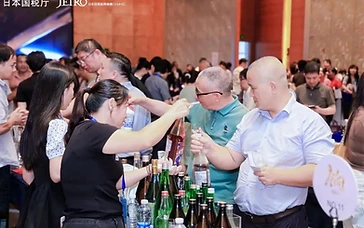
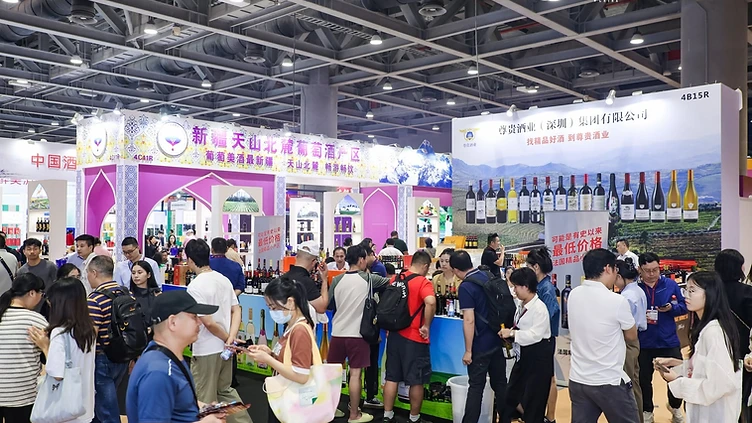
Foreign wine estates leverage strategic industry gatherings to bridge this gap. Wineries participating in international trade platforms can connect directly with licensed mainland importers willing to clear batches out of domestic bonded storage. To identify pre-screened importers with existing bonded customs licenses, schedule dedicated meetings through our Business Matching services.
For forward-looking brands aiming to evaluate market dynamics before committing heavy capital, visiting Market Insights and reading detailed import-export updates in News and Magazine will provide strategic clarity. When you are ready to position your portfolio before thousands of commercial regional distributors, explore how to Become an Exhibitor.
Step-by-Step Logistics Checklist for Exporters
- GACC Manufacturer Registration: Complete overseas food and beverage facility registration through China's Single Window platform (CIFER) to secure your official registration number prior to departure.
- Select Temperature-Controlled 3PL: Audit the warehouse's climate verification records, bonded storage license, and customs EDI integration.
- Prepare Export Documentation: Consign goods with clean Bills of Lading, Commercial Invoices, Packing Lists, Certificates of Origin, and official laboratory Wine Analysis Certificates.
- Ship to Specified Bonded Port Code: Ensure shipping documents specify the designated Comprehensive Bonded Zone customs code as the port of discharge.
- Supervise Value-Added Processing: Inspect label mockups to confirm compliance with GB standards before authorized staff paste Chinese back labels in the bonded zone.
- Release Against Commercial Contracts: Clear inventory in batched consignments via licensed domestic wine importers against finalized local invoices.
Sources
- U.S. Alcohol and Tobacco Tax and Trade Bureau (TTB) - People's Republic of China Import Requirements (2025)
- Dimerco Express Group - Mastering China Logistics: Shipping Strategy and Bonded Warehouses (2025)
- SendFromChina - Strategic Advantages of Using a Bonded Warehouse in China (2025)
- Acclime Hong Kong - Selling to China via Bonded Warehouse Solutions (2026)
- The Drinks Business - China Enforces Tariffs on Foreign Wine Imports (2018)
Key Takeaways
- —Bonded warehouses allow wine producers to store inventory within mainland China while deferring customs tariffs, VAT, and consumption taxes until actual domestic sales occur.
- —Pre-positioning wine stock inside Chinese Comprehensive Bonded Zones reduces delivery time to domestic buyers down to 1–3 business days.
- —Producers retain title of their wine in independent bonded facilities, protecting inventory from commercial distributor failure or default.
- —Value-added logistics services like compliant Chinese back-labeling can be performed inside the bonded warehouse prior to formal customs declaration.
- —To prevent carrying costs from eroding profit margins, bonded inventory must be matched with aggressive commercial networking and pre-qualified buyers.
Frequently Asked Questions
How long can wine be stored in a Chinese bonded warehouse?
In mainland China Comprehensive Bonded Zones (CBZs), commercial goods can typically be stored for up to two years under standard customs supervision. Extensions can be granted upon formal application to China Customs (GACC), provided storage conditions remain fully compliant and fees are paid.
Are customs duties and VAT required upon entry into the bonded warehouse?
No. Wine entering a bonded warehouse is held under customs bond. Tariffs, value-added tax (13%), and consumption tax (10%) are deferred until individual consignments are cleared for domestic consumption and dispatched into the mainland market.
Can Chinese back labels be applied inside the bonded warehouse?
Yes. One of the primary advantages of utilizing bonded facilities is conducting value-added processing, such as applying Chinese-compliant back labels and packaging checks, prior to submitting formal customs declaration and quarantine inspection.
What happens to the wine if a distributor fails to sell it?
Because the foreign winery or holding entity retains legal ownership of bonded inventory, unsold bottles can either be transferred to a newly appointed domestic distributor or re-exported to other regional markets without incurring Chinese import duties.
What is the difference between General Trade and Cross-Border E-Commerce (CBEC) bonded warehousing?
General Trade bonded warehouses hold bulk inventory intended for wholesale distribution, corporate sales, and standard retail, requiring full Chinese labeling and standard sanitary clearances upon exit. CBEC bonded storage serves individual consumer orders under simplified documentation and preferential personal tax rates.