How Wineries Can Evaluate Livestream Wine Sales in China
A commercial evaluation framework for international wine brands analyzing China's wine livestreaming sector across Douyin, Taobao Live, and RED, covering unit economics, channel conflict, compliance, and B2B partner selection.
To evaluate livestream wine sales in China effectively, international wineries must treat live commerce not as a standalone sales silver bullet, but as an integrated marketing and inventory-clearing channel that requires strict unit economic assessment, platform-fit alignment, and distributor price parity protection. Entering livestreaming without an established domestic importer or a robust cross-border fulfillment network frequently leads to high slotting-fee losses, severe margin erosion, and brand devaluation through unsustainable price discounting.
According to data from the General Administration of Customs China (GACC) cited by USDA FAS (2025), China imported approximately $1.6 billion of wine and related products in 2024. Simultaneously, projections by the International Wine and Spirits Research (IWSR) reported by China Briefing (2025) indicate that China's alcohol e-commerce market is expanding at a compound annual growth rate (CAGR) of 6 percent from 2022 to 2027, on track to account for 40 percent of global online alcohol sales. While digital discovery and social commerce platforms have fundamentally shifted how Chinese consumers encounter foreign vintages, overseas wineries must establish rigorous commercial gatekeepers before committing stock and advertising budgets to livestreaming campaigns.
Mapping the Chinese Livestream Ecosystem for Wine
Livestreaming in China is not a monolithic channel. Platforms operate under distinctly different consumer psychological profiles, margin requirements, and demographic concentrations. Wineries assessing this route to market must map their portfolio against the dominant platform architectures.
Douyin (ByteDance / TikTok Ecosystem)
Douyin boasts over 600 million daily active users and dominates algorithmic, interest-driven live commerce. It features massive volume velocity, dynamic flash sales, and broad regional reach. However, Douyin wine streams historically lean toward heavy discounting, bundled promotions, and entry-level SKUs priced under 100 RMB ($14). While high-ticket categories such as Burgundy have demonstrated double-digit growth via specialized merchants focusing on authentic storytelling (Vino Joy News, 2025), the broader platform mechanics demand rapid narrative pacing, steep price concessions, and aggressive advertising spend to feed algorithmic traffic.
Taobao Live (Alibaba Group)
Taobao Live is integrated directly into China's established e-commerce marketplace. The audience carries strong purchasing intent rather than casual entertainment browse habits. It serves as an effective platform for established commercial brands to maintain regular merchant-led livestreams (brand self-broadcasting), capture existing e-commerce traffic during national promotional festivals such as 618 or Double 11, and cross-sell SKUs to consumers already holding high brand familiarity.
Xiaohongshu (RED / Little Red Book)
Xiaohongshu represents the luxury, lifestyle, and education frontier for wine in China. Its user base is predominantly young, urban, educated, and female, with a high concentration of affluent consumers living in Tier 1 and Tier 2 cities. Rather than aggressive price shouting, successful RED livestreams prioritize aesthetic provenance, sommelier credentials, food pairing, and organic lifestyle positioning. Margins are significantly better protected here, making it ideal for artisanal, organic, biodynamic, and boutique appellation wines, although aggregate sales volume is lower than Douyin.
WeChat Video Accounts (Channels / Shipinhao)
WeChat's livestreaming environment integrates with corporate Mini Programs and private domain networks (si域流量). It allows domestic distributors and fine wine merchants to broadcast to pre-existing private client groups, corporate accounts, and club members. Return rates on private WeChat streams are exceptionally low because purchases stem from trusted direct relationships rather than impulse viewing.
Financial Due Diligence: The Real P&L of a Wine Livestream
Many overseas wine producers mistake top-line gross merchandise value (GMV) during a live session for financial success. In reality, the net unit economics of influencer-led livestreaming can quickly become negative if wineries fail to account for hidden friction costs.
When calculating net contribution margin from a Chinese livestreaming campaign, wine brands must audit four critical cost centers:
- KOL Commercial Fees (Pit Fee / Kengwei Fei): Top-tier (Head / Toubu) and mid-tier influencers demand fixed upfront slotting fees ranging from 5,000 RMB to upwards of 50,000 RMB per SKU per broadcast, payable regardless of performance.
- Sales Commissions: Commissions for wine typically range from 15% to 35% of realized sales, depending on whether the session is managed by a multi-channel network (MCN) or a direct digital agency.
- Return and Cancellation Rates: Impulse buying during high-energy broadcasts triggers significant order cancellations and returns. While general e-commerce returns average 10–15%, fast-paced alcohol flash streams can experience return and rejection rates exceeding 25% during major shopping galas.
- Logistics and Breakage Losses: Temperature-controlled fulfillment, protective air-column packaging, and reverse logistics costs for returned bottles fall directly on the domestic importer or brand inventory owner.
Net Margin = GMV - (Returns & Cancellations) - Platform Commissions - Influencer Pit Fees - Packaging & Cold-Chain Logistics - Domestic Customs Duty & Consumption Tax - Cost of Goods Sold
Unless an international brand possesses an established margin buffer or a specialized low-cost SKU developed specifically for e-commerce volume, paying high upfront pit fees to third-party KOLs often leads to severe cash flow depletion without building brand equity.
Mitigating Channel Conflict and Preserving Brand Equity
One of the most destructive mistakes an overseas winery can make in China is allowing a third-party livestream agency or grey-market cross-border reseller to slash wholesale retail prices during a flash broadcast. Offline distributors, regional wholesalers, on-premise hotel groups, and specialty wine bars in cities such as Shanghai, Guangzhou, and Chengdu monitor online price discovery closely.
If an influencer streams a winery's flagship reserve label at an aggressive 40% discount to chase momentary algorithmic reach, brick-and-mortar trade partners who hold floor inventory will instantly lose their margin cushion. This results in wholesale cancellations, de-listings, and permanent damage to offline trade relationships.
To safeguard domestic channel harmony, international wineries must implement strict SKU segmentation:
- Off-Premise / Traditional SKUs: Maintain classic labels, single-vineyard bottlings, and estate reserves strictly for traditional offline distributors, fine dining, corporate gift programs, and specialist retail.
- Digital Exclusive SKUs: Work with domestic import partners to register unique secondary labels, custom dual-bottle gift boxes, or unique package formats (such as 375ml tasting sets or modern label designs) dedicated entirely to livestream and social commerce distribution.
- Minimum Advertised Price (MAP) Enforcement: Contracts with Chinese distribution partners must explicitly dictate minimum digital price floors, specifying financial penalties or allocation cutoffs for unauthorized flash discounting.
Legal, Regulatory, and Logistics Prerequisites
An international winery cannot broadcast and sell directly to mainland Chinese consumers without fulfilling strict import, tax, and intellectual property requirements:
- Trademark Registration: China operates under a strict "first-to-file" trademark regime. Brand names and Chinese phonetic equivalents must be registered with the China National Intellectual Property Administration (CNIPA) before launching any public digital broadcast. Failure to secure trademarks exposes the winery to opportunistic cybersquatting or immediate platform account suspensions.
- GACC Manufacturer Registration: Every foreign production facility exporting wine to China must be registered and approved through the General Administration of Customs China (Decree 248/249) database, with registration codes displayed on shipping documentation and back labels.
- SAMR Advertising Compliance: Under China's State Administration for Market Regulation (SAMR) advertising regulations and the national Food Safety Law, alcohol promotions cannot depict drinking while operating machinery, encourage excessive consumption, or claim unsubstantiated health benefits. Livestream scripts must be rigorously vetted by local bilingual compliance teams to avoid platform fines or regulatory de-platforming.
- Cross-Border E-Commerce (CBEC) vs. General Trade: Selling via general trade requires products to already clear customs, hold domestic back labels in simplified Chinese, and reside in bonded or local ambient warehouses. While Cross-Border E-Commerce (CBEC) allows bonded warehouse fulfillment direct to consumers under specific quota rules, the vast majority of volume live commerce requires inventory already cleared in mainland warehouses for instantaneous 48-hour delivery.
Strategic Next Steps: Balancing Digital Reach with Physical Trade Matchmaking
Livestreaming should not be viewed as an overseas winery's entry mechanism into China, but rather as an acceleration lever managed in tight coordination with a reliable domestic general agent or regional distribution network. Attempting to manage livestream campaigns remotely without feet on the ground invariably leads to agency misalignment and wasted marketing expenditures.
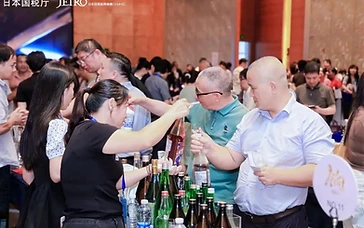
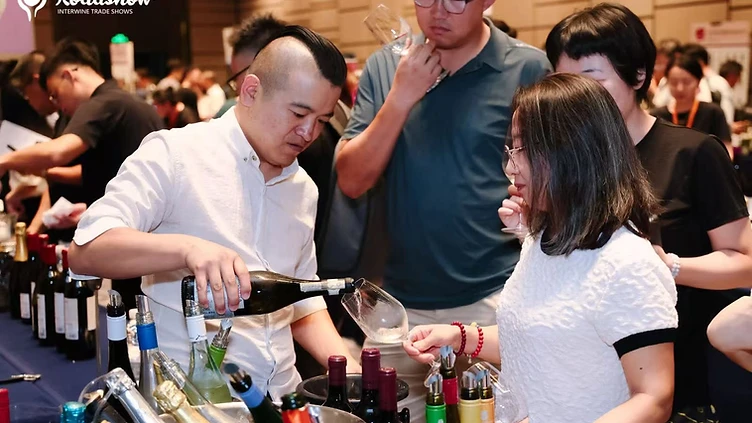
The most sustainable path for international producers is to connect directly with vetted Chinese importers who already operate their own multi-channel logistics, private buyer networks, and compliant digital marketing infrastructures. International wineries seeking serious, long-term commercial representation can schedule targeted meetings through Interwine's dedicated Business Matching services, connecting directly with qualified mainland distributors who understand how to balance digital exposure with traditional commercial channels.
To build a credible China market strategy, wineries should explore practical frameworks in Market Insights, examine past exhibitor successes in the News and Magazine section, or register for upcoming physical trade platforms by choosing to Become an Exhibitor at Interwine's major regional expos in Guangzhou and Shenzhen.
Sources
- General Administration of Customs China (GACC) / USDA FAS: Wine Market Update 2025
- International Wine and Spirits Research (IWSR) / China Briefing: China’s Wine Market Outlook: Trends and Opportunities (2025)
- Vino Joy News: Burgundy in the Livestream: How Niche Fine Wines Found Their Stage (2025)
- EU SME Centre: China's Wine Market Case Study: Pioneering Live E-Commerce Sales (2024)
Key Takeaways
- —Livestream wine sales in China require an established domestic importer or bonded logistics infrastructure; overseas wineries cannot manage fulfillment effectively from abroad.
- —Platform demographics vary drastically: Douyin drives high-volume discounted entry-level wine, Xiaohongshu (RED) caters to premium, niche, and lifestyle storytelling, and WeChat Channels serves private customer networks.
- —High Gross Merchandise Value (GMV) figures often mask severe margin erosion once upfront influencer pit fees (5,000–50,000+ RMB), 15–35% commissions, and return rates exceeding 20% are factored into net P&L calculations.
- —Strict SKU differentiation between traditional brick-and-mortar distribution and digital live-selling channels is vital to prevent brand erosion and severe pricing conflicts with offline wholesalers.
- —Sustainable live commerce success requires first securing verified Chinese importers and trade partners via dedicated business matching platforms rather than relying exclusively on third-party digital agencies.
Frequently Asked Questions
Can an overseas winery sell wine via Chinese livestreaming without a local domestic importer?
Generally, no. Commercial livestreaming platforms like Douyin and Taobao Live require orders to be dispatched within 24 to 48 hours from warehouses located inside mainland China. This requires products to have completed general trade customs clearance under GACC regulations or to be stocked in authorized Cross-Border E-Commerce (CBEC) bonded warehouses. Direct overseas postal shipping is too slow and cost-prohibitive for live-commerce conversion rates.
What is an average return rate for wine sold via Chinese livestream broadcasts?
While traditional wine e-commerce experiences cancellation and return rates between 5% and 15%, fast-paced, high-discount livestreaming broadcasts frequently encounter cancellation and return rates ranging from 20% to over 30%. This occurs because impulsive buyers cancel orders before dispatch or reject delivery during transit.
Which platform is best for boutique, organic, or premium estate wines?
Xiaohongshu (RED) and WeChat Channels are far better suited for boutique and premium wines than mass-market broadcast channels. RED's user demographic consists of affluent, educated urbanites who value sommelier notes, authentic provenance, and lifestyle pairings, allowing brands to protect price integrity without aggressive discounting.
How can wineries prevent livestream discounts from angering existing offline distributors?
Wineries should implement strict SKU segmentation by allocating specific labels, packaging designs, or bottle sizes exclusively for digital e-commerce channels while reserving flagship estate wines for traditional distribution. Additionally, contracts with domestic partners must include binding Minimum Advertised Price (MAP) policies with explicit financial penalties for violations.
How can international wineries find reliable Chinese importers to manage digital sales?
Rather than relying on unvetted digital marketing agencies, wineries should partner with licensed importers who possess dual capabilities in offline distribution and compliant e-commerce management. Participating in targeted trade matchmaking events, such as Interwine's business matching sessions, directly connects international producers with verified Chinese distributors.