China Wine Live-Commerce Guide
A commercial B2B guide for international wineries navigating China's wine live-commerce landscape across Douyin, Taobao Live, and Xiaohongshu, covering regulatory compliance, unit economics, and multi-channel distribution.
Live-commerce has evolved from an experimental digital marketing channel into a core sales engine in mainland China's alcoholic beverage retail sector. For international wineries, châteaux, and export bodies, selling through live-streaming offers unmatched velocity, massive reach, and direct narrative building. However, achieving sustainable commercial success requires far more than handing inventory to an influencer for a flash discount. Brands must master platform mechanics, navigate strict regulatory frameworks, protect their pricing architecture, and pair digital traction with physical trade distribution.
The Shift from Passive E-Commerce to Algorithmic Discovery
Traditional digital retail in China—dominated by platforms such as Tmall and JD.com—relies predominantly on 'search-and-buy' intent. A consumer searches for a specific appellation, grape variety, or brand name, compares prices, and makes a purchase. In contrast, live-commerce on video-first platforms like ByteDance's Douyin operates on interest-based recommendation algorithms that manufacture demand. Douyin, which commands over 600 million daily active users according to reporting by Vino Joy News (2022), serves wine content to users who were not actively shopping for alcohol, converting interest into instant checkout via integrated digital storefronts (such as Douyin Shop).
According to an analysis by EAC Ecommerce China Agency (2025), Chinese wine buyers are significantly younger than traditional Western wine drinkers and are actively developing their palates. Live broadcasts bridge the educational barrier by breaking down complex concepts—such as screw caps versus cork closures, cool-climate vintages, and regional appellations—in engaging, interactive formats. Producers that provide live virtual cellar tours, harvest footage, or guided tastings alongside regional importers consistently outperform static product listings in conversion rates.
Mapping the Chinese Live-Commerce Ecosystem
International wine producers must understand the distinct operational and audience profiles of China’s major live-streaming platforms:
- Douyin (TikTok China): The undisputed volume leader for live alcohol sales. Douyin thrives on high-energy storytelling, algorithmically driven traffic bursts, and direct-to-consumer impulse buying. While initially associated with entry-level pricing, top-performing merchants have pivoted toward curated, mid-tier wines priced between 100 RMB and 300 RMB per bottle.
- Taobao Live (Alibaba Ecosystem): Taobao Live retains strong trust for flagship verification and commercial promotions, especially during nationwide e-commerce shopping festivals like 618 (June) and Double 11 (Singles' Day in November). It serves as a natural anchor for established importers operating official Tmall flagship stores.
- Xiaohongshu (RED): Positioned as China's premier lifestyle discovery community, Xiaohongshu focuses on wine culture, aesthetic dining pairings, natural and biodynamic wines, and social sharing. Conversion cycles are longer than Douyin's, but the platform attracts affluent, urban female consumers willing to pay premium prices for boutique and artisanal labels.
- Kuaishou: Demonstrates strong engagement in lower-tier cities and northern provinces, driven by intense host loyalty. Sales here lean heavily toward Baijiu and volume-oriented wine promotions featuring steep volume discounts.
Commercial Economics: Pricing, Margins, and Host Selection
A recurring risk for foreign estates is brand dilution through unsustainable discounting. When top Key Opinion Leaders (KOLs) demand 60% discounts alongside steep slotting fees (kengwei fei) and 20% to 30% sales commissions, the economics collapse, leaving local on-premise and specialty retail partners alienated.
To safeguard brand equity, wineries must implement a dual-SKU strategy. Reserve estate-bottled, allocated grand crus and single-vineyard labels for fine-dining accounts, regional distributors, and boutique wine shops. In contrast, create dedicated live-commerce SKUs—such as special dual-bottle gift boxes, custom anniversary labels, or entry-tier reserve lines—specifically designed for digital promotional bundles. This insulates traditional wholesale pricing while allowing livestream hosts to deliver apparent consumer value without undercutting off-premise wholesale pricing.
Selecting the right streaming partner is equally vital. International producers should generally avoid generic celebrity streamers who lack wine knowledge and rely purely on price concessions. Instead, partner with specialized wine and spirits Key Opinion Consumers (KOCs) and certified sommeliers who articulate tasting notes, terroir, and food pairings. As highlighted in a case study by the EU SME Centre (2024), Chinese wine influencers with authentic technical knowledge perform an essential translation role, converting intricate European appellation nuances into relatable consumer lifestyle narratives.
Regulatory Compliance, Licensing, and Traceability
Live-commerce in China operates under stringent legal requirements enforced by the State Administration for Market Regulation (SAMR) and the General Administration of Customs of China (GACC). Foreign wineries cannot legally ship single parcels directly to domestic end-consumers without entering via licensed channels:
- General Trade Importation: Requires an established Chinese corporate entity or a licensed domestic wine importer holding an alcohol circulation permit. Labels must comply fully with standard national food safety guidelines (including GB 10344-2005), displaying Chinese-language declarations of origin, alcohol percentage, producer details, and importer contact information.
- Cross-Border E-Commerce (CBEC): Allows overseas brands to ship via bonded warehouses in approved pilot zones with reduced import tariffs and simplified Chinese back-label requirements. However, the product category must explicitly appear on the national CBEC Positive List, and retail transaction limits apply.
- Traceability and Supply Chain Rules: Under revised national alcohol wholesale and retail standards (SB/T 10391 and SB/T 10392), alcohol sellers must maintain full-chain electronic records for three years, integrating livestream sellers and digital merchants into mandatory compliance audits, as detailed in industry compliance reporting by Marketing to China (2025).
Bridging Digital Buzz with Offline Trade Distribution
Live-commerce is an exceptional accelerator, but it cannot replace a well-structured national distribution network. In a market as geographically vast as China, enduring brand resilience is built through an integrated Online-to-Offline (O2O) framework. Online live broadcasts create genuine consumer awareness, driving demand into local wine bars, premium supermarkets, regional banquets, and private corporate procurement.
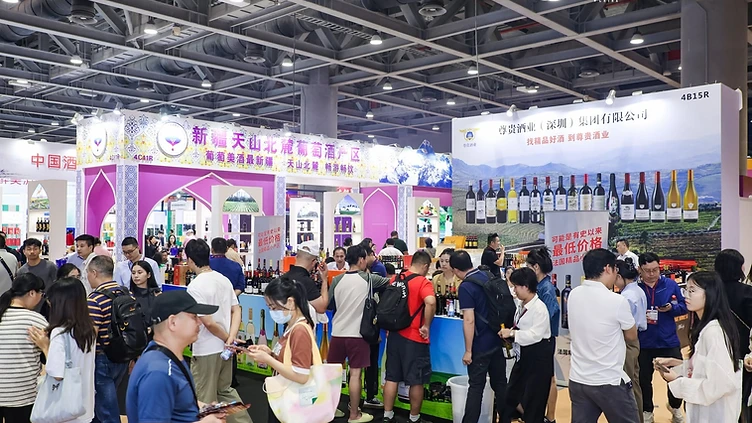
For overseas wineries seeking reliable distribution, meeting pre-qualified mainland importers, distributors, and certified e-commerce channel operators in person remains the critical first step. Visiting dedicated industry platforms and browsing the comprehensive Exhibitor Directory enables brand owners to gauge competitive positioning across regional markets. Exploring specialized Market Insights helps producers align regional grape profiles with shifting domestic consumer tastes. To secure contracted volume and align with verified partners managing both offline wholesale networks and high-performing digital live accounts, international wineries utilize structured Business Matching services. Brands ready to establish national commercial distribution can apply to Become an Exhibitor at upcoming trade events, establishing the critical offline foundation that makes digital live-commerce sustainable.
Sources
- EU SME Centre (2024) - China's Wine Market Case Study Series
- Vino Joy News (2022) - Douyin Wine and Spirits E-Commerce Expansion
- EAC Ecommerce China Agency (2025) - How to Succeed Selling Wine in Chinese E-Commerce
- Marketing to China (2025) - Selling Wine on Douyin: Channel Mechanics and Regulations
Key Takeaways
- —Douyin operates as a discovery-driven sales engine that manufactures wine demand algorithmically, contrasting with intent-based search on traditional platforms like Tmall.
- —Wineries must execute a dual-SKU product architecture to prevent aggressive live-stream discounting from eroding traditional wholesale and on-premise pricing.
- —Strict regulatory enforcement under national alcohol retail standards (SB/T 10391 and SB/T 10392) requires digital alcohol sellers to maintain three-year electronic traceability trails.
- —Boutique wineries gain higher brand equity by partnering with specialized wine and sommelier KOCs rather than paying mass-market celebrity live-streamers high slotting fees.
- —Long-term commercial growth requires bridging live-commerce buzz with physical importer relationships via targeted B2B business matching and trade exhibitions.
Frequently Asked Questions
Can an overseas winery sell directly on Douyin without an established Chinese business entity?
No. Overseas wineries cannot sell directly to domestic consumers through Douyin without either an established Chinese subsidiary or a licensed domestic partner (such as a certified importer, distributor, or Tmall/Douyin Partner agency). In general trade, the importer must hold standard alcohol circulation licenses and fulfill mandatory Chinese labeling regulations (GB 10344-2005). Alternatively, brands can enter via Cross-Border E-Commerce (CBEC) setups using bonded warehouses, provided the goods appear on the national CBEC Positive List.
How can wineries protect their brand equity and wholesale pricing from extreme live-stream discounts?
Wineries should establish a segregated SKU strategy. Reserve traditional estate-labeled wines and flagship single-vineyard bottles exclusively for fine-dining restaurants, wine clubs, and traditional offline retail distributors. For live-commerce channels, develop differentiated product configurations—such as exclusive dual-pack gift boxes, proprietary sub-labels, or vintage bundle sets. This enables live hosts to offer compelling price-to-value packages without undercutting your core distributor price lists.
What is the primary commercial difference between Douyin and Xiaohongshu for wine brands?
Douyin focuses on high-volume algorithmic discovery and rapid transactional checkout, driving substantial sales velocity primarily in the entry-to-mid price tiers (100–300 RMB per bottle). Xiaohongshu (RED) operates as a visual, lifestyle-oriented content community with slower conversion cycles but higher average order values. Xiaohongshu is particularly suited for boutique, biodynamic, organic, and artisanal estates targeting affluent, urban female wine drinkers.
What compliance documentation is required under China's alcohol circulation standards?
Under wholesale and retail standards SB/T 10391 and SB/T 10392, enterprises circulating alcohol—including live-commerce merchants—must maintain comprehensive electronic transaction records and full-chain traceability for three years. Imported wines must have corresponding Customs Inspection and Quarantine (CIQ) certificates, compliant Chinese back labels, and formal customs declaration documentation.
How do international wineries find qualified Chinese importers to manage live-commerce channels?
Foreign producers participate in physical B2B trade platforms and targeted matchmaking programs like Interwine's Business Matching services. These settings connect international estates directly with vetted Chinese wine importers, regional distributors, and digital channel operators who possess both import licensing and professional live-streaming broadcast capabilities.