How French Wineries Can Enter China
A commercial roadmap for French wineries entering China, detailing regulatory clearance under GACC Decree 248, tier-city distributor models, e-commerce, and B2B matchmaking.
Entering the Chinese imported wine market requires French wine producers and export associations to move beyond legacy brand prestige and execute structured regulatory, commercial, and operational distribution strategies. While France remains an established benchmark in China’s wine landscape, shifting consumer demographics, evolving tariff dynamics, and changing consumption occasions demand a disciplined market entry model.
To establish long-term commercial traction, French estates must combine regulatory compliance under China’s General Administration of Customs (GACC), intellectual property protections, strategic channel selection, and direct commercial engagement with vetted importers.
The Commercial Landscape for French Wine in China
China represents one of the world's most lucrative yet evolving destinations for premium viticulture. According to data reported by Reuters citing the Federation of Wine and Spirits Exporters (FEVS) in 2025, French wine and spirits exports totaled €15.6 billion globally in 2024, experiencing margin contractions driven in part by softer Chinese market volumes and cautious inventory replenishment among traditional importers. Despite short-term inventory corrections, China remains an indispensable consumer base: market analyses by MSA Asia in 2026 value the Chinese wine ecosystem at over $40 billion, driven by sustained premiumization and shifting tastes among younger, urban professionals.
Historically dominated by Bordeaux classifications purchased for corporate gifting and banqueting, the market has pivoted toward diversified regional identities. Importers and on-premise buyers increasingly demand organic certifications, lighter varietals, and boutique labels from Burgundy, the Rhône Valley, the Loire, and the Languedoc. For French producers, achieving sustainable margins requires looking past historic volume models and targeting high-intent trade networks across first-tier and emerging second-tier regional hubs.
Step 1: Navigating GACC Regulations, Labelling, and Intellectual Property
Market entry begins with mandatory compliance oversight governed by Chinese statutory bodies. Navigating customs requires adherence to three distinct operational layers:
1. GACC Enterprise Registration (Decree 248 & 249)
All overseas production, processing, and storage facilities exporting alcoholic beverages to China must be formally registered under GACC Decree 248. Overseas wineries must submit documentation—often facilitated through French agricultural bodies or accredited cross-border filing agents—into the Single Window system administered by China Customs. Products shipped without a valid GACC 18-digit registration number printed on both inner packaging and external transport cartons face immediate rejection at bonded ports of entry.
2. National Standards (GB Standards) and Chinese Back Labels
Wine shipped to China must comply with the national safety framework, specifically GB 2758 (National Food Safety Standard for Fermented Alcoholic Beverages) and general labelling rules (GB 7718). Labelling requirements mandate an approved Chinese back label applied either prior to shipping or within a registered customs-supervised bonded warehouse. The label must explicitly declare:
- Product legal category (e.g., dry red wine / 干红葡萄酒)
- Ingredients (including sulfur dioxide / 二氧化硫 declarations)
- Alcohol content (% vol)
- Country and region of origin
- Shelf life (or statutory exemption notation for wines >10% ABV)
- Name, address, and domestic contact details of the licensed Chinese importer/distributor.
3. Trademark Protection (The First-to-File Rule)
China adheres strictly to a "first-to-file" intellectual property regime administered by the China National Intellectual Property Administration (CNIPA). French estates frequently make the catastrophic mistake of negotiating with local distributors before securing their Latin-alphabet brand names and phonetic Chinese equivalents (中文商标). Failing to secure Chinese character trademarks leaves wineries vulnerable to bad-faith squatting. Intellectual property filing should precede initial commercial samples entering the country.
Step 2: Selecting an Entry Model: Importers, WFOE, or Cross-Border E-Commerce
Choosing how to clear goods and manage inventory in China determines pricing structure, risk distribution, and brand control.
+-----------------------+----------------------------------+----------------------------------+
| Entry Model           | Commercial Advantages            | Operational Requirements         |
+-----------------------+----------------------------------+----------------------------------+
| Tier-1 National       | Rapid scale, handles customs and | Lower gross margins, loss of     |
| Importer / Partner    | localized logistics.             | pricing control, stock exposure. |
+-----------------------+----------------------------------+----------------------------------+
| Regional Distributors | Preserves brand equity; targets  | Requires managing multiple       |
| & Specialist Brokers  | niche on-premise & tier-2 hubs.  | relationships and accounts.      |
+-----------------------+----------------------------------+----------------------------------+
| Wine Trading WFOE     | Complete operational control,    | RMB 500k-1M+ capital, physical   |
| (Direct Entity)       | direct invoice (fapiao) issuance.| office, domestic staff overhead. |
+-----------------------+----------------------------------+----------------------------------+
| Cross-Border          | Bypasses standard GB back label  | Lower transaction volume; lacks  |
| E-Commerce (CBEC)     | registrations; test consumer pull| on-premise or HoReCa presence.   |
+-----------------------+----------------------------------+----------------------------------+
As outlined by investment advisory FDI China in 2025, establishing a Wholly Foreign-Owned Enterprise (Trading WFOE) grants foreign wineries ultimate autonomy—allowing estates to hold inventory directly, bill customers in RMB, and manage local marketing. However, for the majority of French small-to-medium estates and appellation unions, partnering with licensed national or regional import merchants remains the most capital-efficient path to market.
Step 3: Geographic and Channel Segmentation
The Chinese market is not monolithic. French wineries must segment distribution targets across distinct geographic and channel verticals:
Tier 1 Hubs vs. Emerging Tier 2 Metropolises
While Shanghai, Beijing, Guangzhou, and Shenzhen remain traditional centres for wine education, sommelier culture, and specialty wine bars, these tier-one hubs present fierce shelf-space competition. Rapidly developing tier-two cities—such as Chengdu, Hangzhou, Wuhan, and Changsha—display high disposable incomes, dynamic lifestyle dining, and strong consumer receptivity to boutique European selections. Producers can leverage Interwine Events and domestic roadshows to capture early-mover distribution contracts in these regions before market saturation occurs.
Navigating On-Premise and the E-Commerce Boom
According to an analysis published by China Briefing in 2025 quoting data from the International Wine and Spirits Research (IWSR), China's alcohol e-commerce ecosystem is projected to expand at a compound annual growth rate (CAGR) of 6% from 2022 through 2027, ultimately accounting for approximately 40% of the world's direct-to-consumer alcohol e-commerce value. Platforms such as Tmall, JD.com, and Douyin serve as vital brand discovery hubs. However, online discounting can destroy on-premise margins if not closely monitored. French producers must establish clear channel-specific stock keeping units (SKUs) to protect traditional hotel, restaurant, and catering (HoReCa) relationships.
Step 4: Overcoming Competitive and Geopolitical Headwinds
French producers face structural competition from regional suppliers and retaliatory trade policy shifts. Following China's removal of anti-dumping duties on Australian wine in 2024, major Australian commercial and premium brands re-entered Chinese supply chains, intensifying competition for shelf space. Concurrently, French wine and spirits groups face periodic regulatory and trade scrutiny in bilateral commercial discussions.
To safeguard market position, French wineries must clearly articulate their unique selling propositions: regional terroir, Appellation d'Origine Protégée (AOP) credibility, sustainable practices, and food pairings tailored to regional Chinese cuisines (such as pairing crisp Loire or Alsatian whites with Cantonese seafood, or southern Rhône reds with Sichuan cooking).
Accelerating Market Penetration Through Direct Trade Engagement
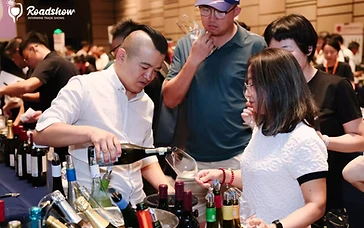
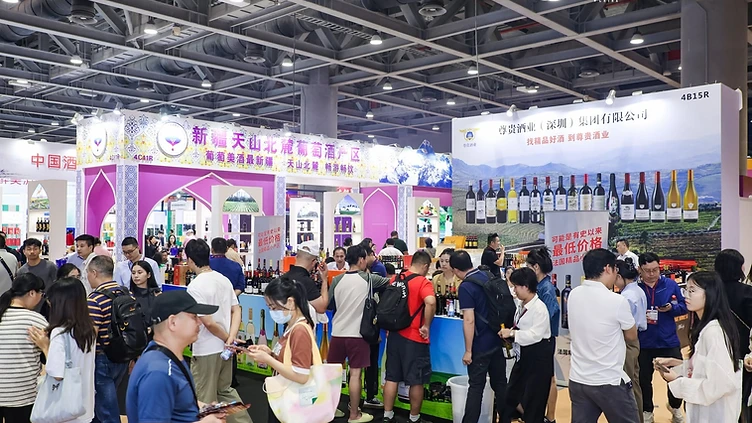
Cold-calling Chinese wine importers rarely converts into commercial purchase orders. Chinese business relationships rely on tangible sensory engagement, verified supply credentials, and structured face-to-face interaction. Trade platforms serve as the premier gateway to build brand presence.
By deciding to become an exhibitor at major industry exhibitions, French wine producers secure a direct route to qualified national importers, hotel procurement executives, and retail distribution buyers. Wineries can take advantage of curated business matching services to screen potential partners before arriving on site. For international sales directors planning to visit mainland expos, securing an official invitation letter and visa support ensures streamlined logistics, allowing teams to focus on commercial negotiations and masterclasses.
Sources
- Federation of Wine and Spirits Exporters (FEVS) / Reuters (2025): French alcohol exports weakened in 2024 as China weighed
- MSA Asia (2026): Wine Market in China: Trends, Growth, and Consumer Preferences
- China Briefing / Dezan Shira & Associates / IWSR (2025): China's Wine Market Outlook: Trends and Opportunities
- FDI China (2025): Export Wine to China With a Wine Trading WFOE
Key Takeaways
- —Overseas wineries must comply with GACC Decree 248 registration and national GB standards before shipping wine to China.
- —Proactive trademark registration with CNIPA for Latin and Chinese brand names is essential to prevent IP hijacking under China's first-to-file regime.
- —While tier-one cities remain saturated, tier-two hubs like Chengdu and Hangzhou offer high-growth opportunities for boutique French appellations.
- —China's alcohol e-commerce channel is projected by IWSR to expand at 6% CAGR through 2027, requiring careful price parity management to protect on-premise distributors.
- —Direct face-to-face engagement via trade exhibitions and B2B matchmaking remains the most reliable strategy to secure licensed Chinese import partners.
Frequently Asked Questions
What is GACC Decree 248, and how does it affect French wine producers?
GACC Decree 248 is a statutory regulation by China Customs requiring all foreign food and beverage producers, including wineries, to register their overseas manufacturing and bottling facilities with the General Administration of Customs. Approved wineries receive an official 18-digit GACC registration number, which must be clearly printed on both outer export packaging and individual bottle back labels before arrival at Chinese customs.
Do French wineries need to register a Chinese brand name?
Yes. China enforces a strict first-to-file trademark system. If a winery does not register a localized Chinese trademark (中文商标) alongside its original French brand name with CNIPA, third parties or squatters can legally register it, effectively blocking the winery from marketing or distributing its products under that name in China.
What are the common distribution models for French wine in China?
Wineries typically choose among three primary models: selling directly to licensed national or regional import partners (most common for small-to-medium estates), establishing a domestic Trading WFOE (Wholly Foreign-Owned Enterprise) for direct operational and pricing control, or utilizing Cross-Border E-Commerce (CBEC) platforms for digital retail testing without standard domestic product registrations.
How can French wineries find qualified wine importers in China?
The most reliable route to finding vetted wine importers is exhibiting at dedicated trade exhibitions such as Interwine China and participating in pre-scheduled B2B matchmaking programs. These events allow producers to conduct direct in-person tastings with certified distributors, restaurant beverage directors, and regional wholesalers across tier-one and tier-two Chinese cities.