
How Moldovan Wineries Can Enter China
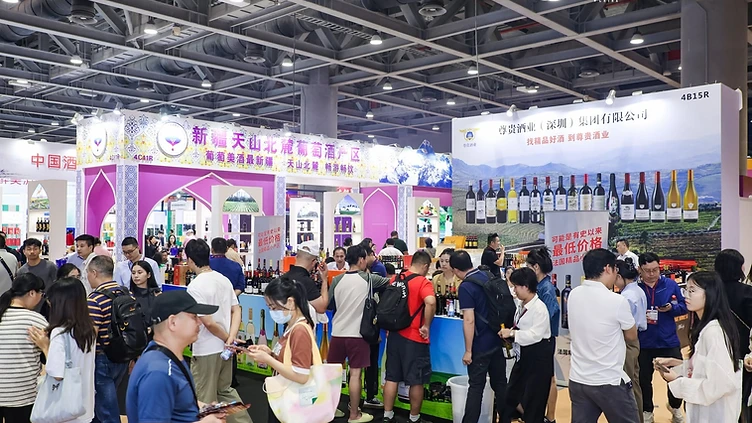
A commercial roadmap for Moldovan wineries entering China, detailing GACC import compliance, Chinese consumer taste profiles, pricing tiers, and direct buyer matchmaking.
To successfully enter the Chinese wine market, Moldovan producers must move beyond generic bulk strategies and deploy targeted commercial positioning. The direct route to commercial viability requires navigating General Administration of Customs of China (GACC) facility registration, adjusting packaging and palate expectations for regional distributors, and connecting directly with qualified mainland importers through dedicated industry trade platforms.
Historically, the Republic of Moldova's wine industry was concentrated on Eastern European and CIS corridors. Following trade disruptions and strategic realignments, the National Office of Vine and Wine (ONVV) accelerated geographic diversification. Today, viticulture underpins the nation's economy, accounting for roughly 3% of Moldova's GDP and nearly 8% of total export receipts, with shipments reaching over 70 destinations worldwide, as highlighted by Moldovan diplomatic and trade authorities in China Daily.
China has consistently emerged as one of Moldova’s top 10 export destinations for bottled wines. Commercial data reported by Logos Press shows that while bottled wine shipments to China reached $2.7 million during challenging global trade cycles, sustained retail footprints demonstrate genuine Chinese demand for Moldova's winemaking heritage. Converting that demand into stable container orders requires a disciplined go-to-market execution.
The Commercial Case for Moldovan Wine in China
Moldova commands a unique geopolitical and viticultural identity. Positioned between latitudes 46° and 47°—parallel to prestigious European appellations like Burgundy—the country's four primary Protected Geographical Indication (PGI) regions (Valul lui Traian, Ștefan Vodă, Codru, and Bălți) yield grapes with notable concentration, balance, and phenolic ripeness.
Varietal Advantages: Balancing International and Indigenous Grapes
Chinese professional buyers and retail consumers generally evaluate foreign portfolios using a two-pronged approach:
- International Benchmarks: Around 70% of Moldovan vineyard land is planted with widely recognized international varieties such as Cabernet Sauvignon, Merlot, Chardonnay, and Sauvignon Blanc. These allow Chinese distributors to benchmark Moldovan quality-to-price ratios against established imports from France, Chile, and Australia.
- Indigenous Autochthonous Varieties: The remaining acreage includes distinctive indigenous grapes such as Fetească Neagră, Rara Neagră, and Fetească Regală, as well as regional specialties like Saperavi. In tier-1 and tier-2 Chinese cities, sommeliers, boutique wine shops, and niche e-commerce platforms actively look for differentiated, indigenous European stories to stand out in saturated market conditions.
The Milestii Mici Precedent
Moldova's commercial viability in China is demonstrated by large-scale brand partnerships. In long-running distribution agreements between state enterprise Mileștii Mici and Chinese distributor Lanci, more than 2 million bottles have circulated across an offline distribution network exceeding 400 points of sale, including high-end department stores and HoReCa accounts, as reported by Logos Press. This confirms that Chinese consumers respond positively to Moldovan heritage—particularly its Guinness World Record underground cellars—when paired with dedicated market activation.
Customs, Regulatory Steps, and GACC Compliance
Exporting wine from Moldova to the People's Republic of China requires strict procedural compliance. Overlooking technical documentation can cause port delays, customs rejection, or vessel impoundment.
1. Mandatory GACC Decree 248 Registration
Under GACC Decrees 248 and 249, overseas production, processing, and storage facilities of imported food and beverages must register with Chinese customs before dispatching cargo. Wine producers must obtain a GACC facility registration number via the China Import Food Enterprise Registration system. This registration number must be printed on the export packaging and verified on shipping manifests.
2. Chinese Back-Label Legal Requirements (GB 7718)
Every bottle entering standard customs channels must carry an approved Chinese back label adhering to China's National Food Safety Standard (GB 7718 and GB 2758). Mandatory information includes:
- Formal Chinese product name
- Ingredients list (specifying grapes, preservatives, and sulfites/二氧化硫)
- Exact alcohol by volume (ABV %)
- Country of origin (Republic of Moldova / 摩尔多瓦)
- Bottling date and shelf life / storage advice
- Name, address, and verified contact details of the registered Chinese mainland importer
- Standard health warnings (e.g., advising minors and pregnant women against alcohol consumption)
3. Tariffs and Pricing Structure
Because Moldova does not yet have a finalized bilateral Free Trade Agreement with China, Moldovan wines are imported under Most-Favoured-Nation (MFN) tariff schedules. Bottled wine (HS Code 2204.21) faces:
- MFN Customs Import Duty: 14%
- Consumption Tax: 10%
- Value Added Tax (VAT): 13%
The composite tax burden adds approximately 43% to 48% over the CIF value. Consequently, Moldovan wineries must audit their Ex-Works pricing to ensure Chinese importers can retail competitively against zero-tariff wine imports from Chile, New Zealand, or Australia.
Route-to-Market Strategy: Regional Distribution vs. National Importers
Targeting a single national master distributor is rarely feasible for mid-sized Moldovan cellars. The Chinese wine trade is fragmented regionally across Southern China, Eastern Coastal hubs, and inland metropolitan clusters.
[Moldovan Winery / ONVV]
         │
         ├──> Direct B2B Matchmaking (Exhibitions & Trade Channels)
         │          │
         │          ├──> Regional Importers (Guangdong, Zhejiang, Jiangsu)
         │          │         ├── HoReCa & Banqueting Accounts
         │          │         └── Regional Retail Chains / Boutiques
         │          │
         │          └──> Digital / Social Commerce Importers
         │                    ├── Douyin & WeChat Mini-Programs
         │                    └── JD.com / Tmall Specialized Stores
1. Southern China (Guangdong, Shenzhen, Greater Bay Area)
Guangdong Province remains China's largest wine-import hub by volume and value. Importers in Guangzhou, Shenzhen, and Foshan are commercially agile and accustomed to sourcing directly from mid-sized European estates. This region prioritizes food-friendly, fresh whites, robust reds suitable for traditional Cantonese banqueting, and strong private-label/OEM support.
2. Eastern China (Shanghai, Hangzhou, Ningbo)
Eastern China represents the country's most educated fine-wine consumer base. Buyers in these metropolitan centers actively look for low-intervention winemaking, organic certifications, indigenous grapes (such as Fetească Neagră), and estate-bottled wines with distinct provenance. Wineries targeting this area need refined presentation, authentic family histories, and high-quality educational assets.
3. Southwest and Central Hubs (Chengdu, Wuhan, Chongqing)
Secondary interior markets offer lower competitive pressure than Shanghai. Chengdu, recognized as a primary distribution node for inland China, features expanding dining sectors where bold red wines and semi-sweet profiles fit local culinary preferences.
Brand Positioning: Educating Buyers on the Moldovan Terroir
Chinese importers routinely encounter French, Italian, and Chilean offerings. To secure shelf space, Moldovan producers must highlight clear product differentiators:
- Value-to-Quality Ratio: Moldova offers Old World European winemaking techniques, controlled PGI appellation standards, and strict barrel aging programs at price levels that leave margin for domestic distributors.
- The Legend of the Underground Galleries: Distinctive narratives, such as the subterranean limestone galleries of Cricova and Mileștii Mici spanning hundreds of kilometers, resonate with Chinese buyers seeking unique brand stories for corporate gifting and experiential banquets.
- Strategic Packaging: Heavy bottles, elegant foil caps, clear vintage markings, and gold/red design accents perform well in traditional gift-giving, wedding, and corporate dining channels.
To dive deeper into evolving distributor preferences across mainland China, wineries can consult our comprehensive Market Insights and track trade developments via the News and Magazine section.
Selecting the Optimal In-Person Engagement Platform
Digital catalogs and remote outreach rarely generate container shipments in China; domestic importers require face-to-face tastings, label inspections, and formal relationship building before entering supply contracts. Trade shows remain the essential channel for foreign brands to build commercial trust.
Participating in major Southern China wine trade platforms allows producers to sample portfolios across hundreds of pre-screened importers, retail buyers, and sommeliers over three days. Wineries exploring market entry can take practical steps to Become an Exhibitor at upcoming professional trade gatherings.
Producers can maximize their investment by utilizing curated Business Matching services, which pair export directors directly with verified regional buyers. For overseas commercial teams organizing logistics, practical assistance is available through Arrival and Transportation guides, partner rates for Hotel Accommodation, and formal Invitation Letter and Visa Support for consular processing.
Step-by-Step Commercial Entry Checklist
- Portfolio Audit: Select 4–6 SKUs featuring international staples alongside flagship indigenous varietals (such as Fetească Neagră).
- Regulatory Preparation: Ensure winemaking facilities are registered under GACC Decree 248. Translate tasting notes, winery brochures, and specification sheets into Simplified Chinese.
- Pricing Calibration: Build transparent tiered pricing (Ex-Works, FOB, CIF) that accounts for import duties, distributor markups, and final retail targets.
- Logistics Planning: Work with freight forwarders experienced in temperature-controlled reefer shipments to primary ports such as Shenzhen, Guangzhou, or Ningbo.
- On-the-Ground Trade Execution: Secure physical booth presence at focused professional wine trade shows in high-consumption hubs to gather direct buyer feedback, finalize distribution agreements, and establish long-term sales.
Sources
- Decanter China - Moldova Wine Region Overview
- China Daily - Moldova Eyes Expanding Cooperation With China (2026)
- Logos Press - Moldova Explores Expanding Wine Exports to China (2026)
- General Administration of Customs of China (GACC) - Decree 248/249
Key Takeaways
- —Viticulture represents roughly 3% of Moldova's GDP and almost 8% of total exports, with China consistently serving as a top-10 export destination for bottled wines.
- —Moldovan wineries must complete GACC Decree 248 registration and follow GB 7718 Chinese back-label regulations before shipping cargo to Chinese ports.
- —A two-track portfolio strategy—combining international benchmarks (Cabernet Sauvignon, Merlot) with indigenous grapes (Fetească Neagră, Rara Neagră)—maximizes distributor appeal.
- —Because Moldovan wine is subject to standard MFN tariffs (~43-48% composite tax burden), wineries must calibrate Ex-Works pricing to maintain importer margins against zero-tariff competitors.
- —Face-to-face trade exhibitions in primary consumption hubs like Southern China remain the most reliable method to connect with verified mainland importers and distributors.
Frequently Asked Questions
Do Moldovan wineries enjoy zero-tariff access when exporting to China?
No. Moldovan wines enter China under Most-Favoured-Nation (MFN) tariff terms, which include a 14% customs duty, a 10% consumption tax, and a 13% VAT. This totals an effective composite tax burden of approximately 43% to 48% over CIF value, requiring careful Ex-Works price modeling.
What is GACC Decree 248 and why is it mandatory for Moldovan producers?
GACC Decree 248 requires all overseas food and beverage manufacturing, processing, and storage facilities to be registered with the General Administration of Customs of China before products can clear customs. Shipments without a valid registration number are rejected at Chinese ports.
Which Moldovan grape varieties perform best with Chinese buyers?
Distributors look for a balanced portfolio: international grapes like Cabernet Sauvignon and Merlot for easy consumer recognition, complemented by distinctive indigenous varieties such as Fetească Neagră, Rara Neagră, and Saperavi for boutique channels and high-end dining.
How should a Moldovan winery choose between national and regional Chinese distributors?
Due to China's regional diversity and scale, partnering with specialized regional importers in key hubs like Guangdong, Shanghai, or Sichuan is often more effective for mid-sized wineries than relying on a single national distributor.
What mandatory information must appear on the Chinese back label for imported wine?
Under GB 7718 standards, the back label must state the Chinese product name, ingredients (including sulfites), alcohol content, bottling date, country of origin, shelf life, registered Chinese importer details, and standard health warnings.