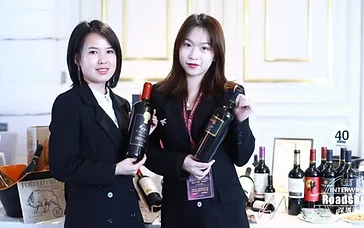
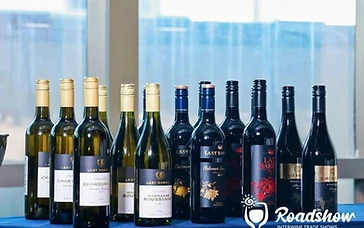
Why Wine Importers Should Visit Interwine
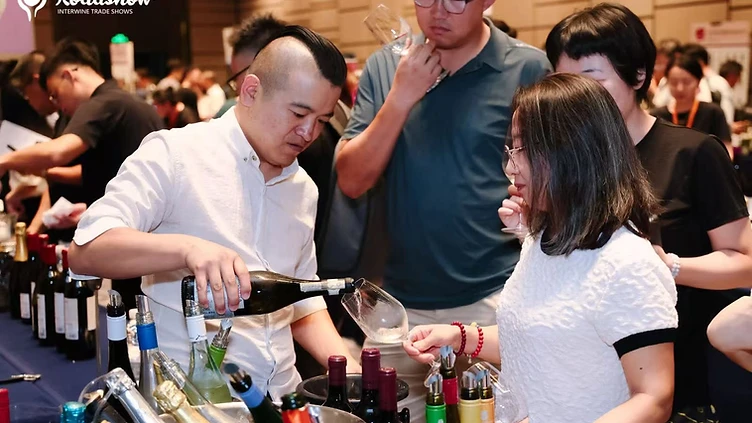
Discover why wine importers, regional distributors, and portfolio buyers prioritize Interwine in Guangzhou to source certified producers, leverage Greater Bay Area logistics, and mitigate commercial risk in China's wine market.
For wine importers, distributors, and category buyers evaluating international trade exhibitions, resource allocation demands verifiable commercial return. China’s wine ecosystem is undergoing a structured transformation toward quality segmentation, portfolio diversification, and margin discipline. As documented by MS Advisory in 2025, China’s wine market reached a valuation of $40.4 billion in 2024, maintaining a projected compound annual growth rate (CAGR) exceeding 11%. Navigating this high-value yet intricate landscape requires direct procurement access, verifiable producer compliance, and localized logistics support. This operational reality answers exactly why wine importers should visit Interwine.
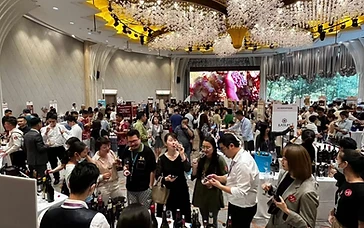
Established in 2004, Interwine China (China [Guangzhou] International Wine & Spirits Exhibition) is China’s longest-running dedicated wine and spirits trade event. As reported by industry trade tracker Vino Joy News in 2026, Interwine maintains official collaborations with wine industry authorities across 72 wine-producing nations and connects a buyer ecosystem spanning 58 countries and 31 Chinese provinces, encompassing more than 20,000 wine importers and 130,000 regional distributors. Hosted at the Canton Fair Complex in Guangzhou—the commercial heart of the Guangdong-Hong Kong-Macao Greater Bay Area (GBA)—Interwine serves as an indispensable procurement hub for professionals aiming to de-risk sourcing and capture market share.
To lock in your commercial agenda, professional buyers can directly Book Your Visit before regional allocations close.
Direct Sourcing: Cutting Intermediary Friction Across 72 Producing Regions
For an importer, margin dilution often stems from protracted distributor layers and secondary wholesalers. Interwine solves this structural inefficiency through its verified Country Pavilion infrastructure. International delegations from leading producer nations—including Italy, Spain, France, Chile, South Africa, and Argentina—exhibit alongside emerging estates and independent family domains seeking authorized import representation.
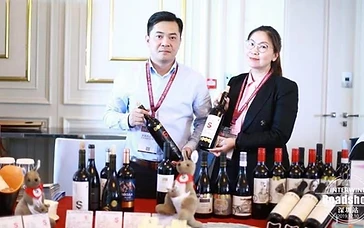
At Interwine, procurement teams interface directly with estate owners, export managers, and commercial attaches. This unmediated access enables buyers to:
- Negotiate factory-gate pricing (EXW) and free-on-board (FOB) terms without broker markups.
- Secure exclusive territorial distribution rights for Tier-1, Tier-2, and coastal hub cities.
- Secure bespoke private-label packaging and vintage allocations tailored to regional palate preferences.
Rather than executing fragmented buying trips across Europe, Australasia, and South America, buyers can audit hundreds of certified SKUs in single, structured tasting cycles. You can plan your target supplier categories early by reviewing the published Exhibitor Directory.
The Strategic Advantage of Guangzhou and the Greater Bay Area Gateway
Geographic placement is central to supply-chain economics. Interwine is anchored in Guangzhou, the capital of Guangdong province. According to official historical trade show registries recorded by Wikiland, over 60% of imported wine entering Mainland China passes through or is distributed within the Guangdong area, cementing its status as the most active wine trade cluster nationwide.
Operating within the Greater Bay Area provides immediate proximity to premier maritime logistics channels, including the ports of Nansha, Shenzhen, and Hong Kong. For an importer, this geographic consolidation translates directly into shorter lead times, lower bonded warehousing expenses, and efficient customs clearance under China’s General Administration of Customs (GACC) framework. Visiting Guangzhou allows international trade buyers to tour regional bonded facilities, inspect cold-chain fulfillment hubs, and meet logistics partners alongside attending the fair.
To streamline your arrival, review our transit recommendations under Arrival and Transportation to schedule your route through Guangzhou’s transport hubs.
Maximizing ROI Through Structured B2B Matchmaking
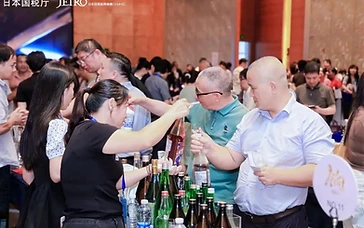
Trade fair fatigue and unproductive floor walking represent real commercial costs. Interwine addresses this by deploying a year-round, pre-scheduled business matchmaking framework. Official post-show documentation from the 30th Interwine China Report demonstrated that dedicated on-site supply-and-demand negotiations generated over 50 million RMB in direct deals within three days across 20,000 square meters of exhibition space.
Registered buyers submit technical procurement parameters—such as preferred varietals, price bands, minimum order quantities (MOQ), and target commercial channels (e.g., on-premise HoReCa, corporate gifting, or e-commerce)—prior to the opening day. Interwine’s commercial desk matches these criteria against verified producers, arranging private, one-on-one negotiation sessions. To review how structured buyer schedules work, explore our dedicated Business Matching services.
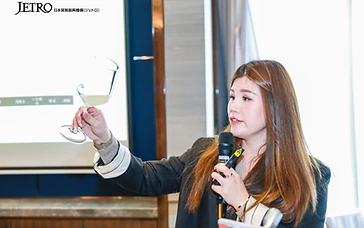
Beyond bilateral negotiations, importers gain tactical market intelligence through masterclasses, sommelier workshops, and summits hosted under Interwine Events. These sessions provide unfiltered insights into prevailing consumer trends across China, such as the surging demand for single-varietal whites, organic-certified viticulture, and crossover categories like whisky and craft spirits.
Traditional Sourcing Routes        Interwine Procurement Hub
---------------------------        -------------------------
Multiple overseas trips      --->  Unified multi-country pavilion access
High intermediary fees       --->  Direct export-manager contract negotiations
Uncertain regulatory fit    --->  GACC-aligned verification and documentation
Opaque regional demand       --->  GBA distribution benchmarking and networking
Strategic Risk Mitigation in a Shifting Policy Environment
Global wine flows are highly sensitive to geopolitical shifts, customs duties, and tariff revisions. As highlighted in research by IndexBox in 2026, the strategic diversification of import portfolios has become essential for Chinese beverage businesses seeking resilience against supply chain disruptions and bilateral policy fluctuations.
By visiting Interwine, importers de-risk their commercial operations across three operational fronts:
- Portfolio Hedging: Importers can balance Old World classic appellations (Bordeaux, Rioja, Tuscany) with value-driven New World allocations (Chile, Argentina) and award-winning boutique Chinese estates (such as Ningxia and Xinjiang).
- Regulatory Due Diligence: Direct engagement with national pavilions ensures that wine labels, chemical assay documentation, and GACC foreign facility registrations comply with national food safety standards (GB standards) prior to shipment.
- Inventory Benchmarking: By evaluating over 50,000 showcased SKUs and engaging with 20,000+ peer professionals, importers can accurately benchmark domestic price corridors, shelf-price elasticity, and competitive packaging formats.
How to Plan Your Sourcing Trip to Interwine
Executing an efficient sourcing trip requires early preparation. Interwine provides end-to-end logistical and administrative assistance to accredited international trade visitors and qualified buyers:
- Pre-Register Credentials: Complete trade accreditation to bypass on-site queues and access the pre-fair B2B matchmaking portal via Book Your Visit.
- Visa Support: For overseas visitors needing entry clearance into China, official trade invitations can be processed through our Invitation Letter and Visa Support section.
- Hospitality & Lodging: Partner hotel networks adjacent to the Canton Fair Complex offer preferential corporate rates. Reserve your rooms through Hotel Accommodation.
- Brief Your Buying Team: Establish firm volume requirements, target FOB bands, and cellar-clearing timelines to finalize contracts during on-site tasting rounds.
Visiting Interwine equips wine importers and distributors with the supplier relationships, territorial exclusivity, and logistical insights required to build an enduring competitive advantage in the Greater Bay Area and nationwide.
Sources
- MS Advisory (2025): Wine Market in China: Trends, Growth, and Consumer Preferences - https://msadvisory.com/wine-market-in-china/
- Vino Joy News (2026): Asia’s 2026 Wine and Spirits Trade Show Calendar: Key Events to Watch - https://vino-joy.com/2026/03/10/asias-2026-wine-and-spirits-trade-show-calendar-here-are-the-key-events-to-watch/3
- Interwine China Organizing Committee (2023): The Review of the 30th Interwine China - http://15790346.s21i.faiusr.com/61/ABUIABA9GAAg_PjduwYo-NygsQc.pdf
- IndexBox (2026): China's Wine Market Report: Prices, Size, Forecast, and Companies - https://www.indexbox.io/store/china-wine-market-analysis-forecast-size-trends-and-insights
Key Takeaways
- —Guangdong is China's core wine hub, handling more than 60% of the nation's imported wine flows.
- —Interwine links buyers with trade authorities and estates across 72 wine-producing nations.
- —B2B matchmaking facilitates direct negotiations, bypassing multi-tiered distributor markups.
- —Guangzhou's Greater Bay Area location provides direct access to deepwater ports and bonded cold chains.
- —China's wine market was valued at $40.4 billion in 2024 with a projected CAGR exceeding 11% (MS Advisory, 2025).
Frequently Asked Questions
Who should attend Interwine as a professional trade visitor?
Interwine is designed for licensed wine and spirits importers, regional distributors, wholesalers, hospitality and HoReCa procurement directors, corporate buyers, and e-commerce category managers seeking direct supply contracts with international wineries.
What commercial advantages does Interwine offer over general food expos?
Unlike general food and beverage exhibitions, Interwine is dedicated entirely to wines and spirits. It features structured national pavilions from 72 countries, pre-qualified B2B matchmaking, 90+ scored tasting zones, and targeted industry masterclasses without consumer clutter.
Where does Interwine take place, and how does the location benefit importers?
Interwine is held at the Canton Fair Complex in Guangzhou. Located in the Greater Bay Area—where over 60% of imported wine into China is concentrated—it offers direct proximity to major ports, bonded storage facilities, and South China's vast distribution network.
Can international buyers receive visa support to attend Interwine?
Yes. Accredited trade visitors and delegations can request official business exhibition invitation letters to support Chinese commercial visa applications via Interwine's dedicated visa support service.
How does the Interwine B2B matchmaking service work?
Registered buyers specify their portfolio needs, target price points, and volume requirements in advance. Interwine's trade team matches these requirements with vetted producers and schedules private, on-site meetings at the fair.