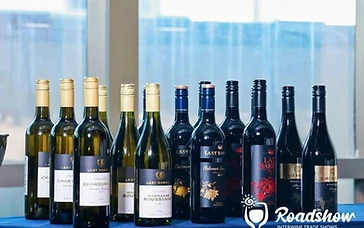
How German Wineries Can Enter China
A commercial roadmap for German wine estates and regional consortia entering China, covering GACC compliance, tariff structures, distribution channels, and buyer acquisition.
German wineries can enter China successfully by aligning aromatic white wine portfolios—especially Riesling and Pinot Noir (Spätburgunder)—with the surging domestic demand for fresh, moderate-alcohol profiles among younger urban consumers, while executing strict General Administration of Customs of China (GACC) compliance and partnering with established Tier-1 and Tier-2 importers.
While red wines historically dominated imported wine consumption in China, evolving consumer demographics have transformed market fundamentals. As reported by the German Wine Institute (Deutsches Weininstitut / DWI) in 2026, Germany's bottled still wine exports to Mainland China surpassed the milestone of 5 million liters in 2025, recording a 10% year-on-year volume expansion (German Wine Exports to China reach a new record high). This structural pivot provides German wine producers and regional export bodies an unprecedented window to capture market share. Leveraging this growth requires a rigorous operational route to market, clear understanding of regulatory gatekeepers, and direct engagement with qualified B2B distribution partners.
The China Opportunity: Category Realignment and White Wine Demand
For decades, European wine exports to China were defined by heavy Bordeaux-style reds intended for corporate banquets and gift-giving. Economic shifts, corporate frugality policies, and demographic developments have cooled traditional business dining, opening room for personal consumption, casual social gatherings, and gastronomy-focused wine culture. According to trade media outlet Vino Joy News (2025), German wine exports have maintained continuous momentum as light, aromatic, and lower-alcohol wines match modern lifestyle occasions.
Chinese consumers, specifically young urban professionals and women, are moving toward white wines offering acidity, aromatics, and low-to-moderate alcohol levels (ABV). The "Kabi style" (Kabinett Riesling) has emerged as a distinct competitive advantage across Tier-1 hubs like Shanghai, Shenzhen, Guangzhou, and Beijing. The interplay between natural fruit sweetness and lively acidity pairs naturally with diverse regional Chinese cuisines, from spicy Sichuan and Hunan dishes to Cantonese seafood.
This consumption shift is visible in national retail and e-commerce tracking. On JD.com, white wine's share of total summer wine sales rose from 9% in 2023 to 11% in 2024, with Riesling ranking as the single most searched variety (Vino Joy News, 2025). In parallel, mainstream membership clubs such as Sam’s Club and high-end supermarkets including Hema Fresh have established German Riesling as their best-selling white wine SKU. German estates are no longer fighting for niche sommelier placement; they are competing for national volume.
Regulatory and Compliance Protocols: GACC Decree 248/249
Entering China requires strict procedural alignment before any physical pallet leaves the cellar in the Mosel, Rheingau, Rheinhessen, or Pfalz. Chinese customs operations enforce rigorous food safety, labeling, and traceability mandates.
1. Overseas Production Enterprise Registration (Decree 248)
Under GACC Decree 248, all foreign food and beverage manufacturing, processing, and storage facilities must be formally registered with China Customs before shipping goods to Mainland China. Alcoholic beverage facilities typically apply via the official Single Window platform (CIFER - China Import Food Enterprise Registration). Producers must secure an official registration code, which must be clearly stated on customs clearance paperwork and outer export packaging.
2. Labeling Compliance and National Standards (GB 7718 and Decree 249)
China's General Administration of Customs enforces strict compliance under Decree 249 regarding foreign food safety inspection. Wine labels must comply with China’s National Food Safety Standard for General Rules for the Labeling of Prepackaged Foods (GB 7718) and specific alcohol standards (GB 2758):
- Chinese Back Label: Every bottle must bear an approved Chinese back label prior to customs clearance. While in past years bonded warehouses allowed stickering upon arrival, Chinese customs authorities increasingly favor goods pre-stickered at origin to avoid clearance delays.
- Mandatory Disclosures: Product name, country of origin, net content, alcohol percentage (% vol), production date, bottler and overseas producer information, Chinese importer/distributor contact details, and warning statements (e.g., "Excessive drinking is harmful to health; pregnant women and minors should not drink").
- Sulfur and Allergens: Sulfur dioxide declarations must conform strictly with GB 2760 additives limits, and the presence of sulfites must be explicitly declared in Simplified Chinese.
3. Tariff Structures and Taxation
Unlike countries with bilateral Free Trade Agreements (e.g., Chile or New Zealand), German wines are subject to Most-Favored-Nation (MFN) tariffs as an EU member state. The composite tax formula for bottled wine (HS Code 2204.21.00) entering China includes:
- MFN Customs Duty: 14%
- Consumption (Excise) Tax: 10%
- Value Added Tax (VAT): 13%
Because these duties compound, the effective composite import tax rate hovers at approximately 43% to 48% depending on landed CIF (Cost, Insurance, and Freight) valuation. Wineries must factor this compounding multiplier into pricing matrices so that retail targets at Chinese shelf level remain competitive.
Strategic Channel Selection: Finding the Right Route to Market
Navigating China’s continental geography requires producers to abandon "one-size-fits-all" approaches. Estates must evaluate three primary commercial routes:
Tier-1 Direct National Importers
Working with major national distributors (headquartered in Shanghai, Beijing, Guangzhou, or Shenzhen) offers instant multi-regional reach across modern off-trade hypermarkets and regional distribution networks. However, large national players demand substantial marketing support, favorable payment terms, and high volume flexibility.
Regional Specialist Importers and Fine Wine Boutiques
For VDP (Verband Deutscher Prädikatsweingüter) estates, organic growers, and boutique family wineries, regional specialty importers represent the most loyal commercial partners. These distributors focus heavily on on-premise venues—bistros, Michelin-starred restaurants, independent wine bars, and regional city clubs across emerging Tier-2 hubs like Chengdu, Hangzhou, Wuhan, and Qingdao. They build brand equity through curated wine dinners and education-led positioning rather than discounting.
Cross-Border E-Commerce (CBEC) vs. General Domestic Trade
While general trade remains mandatory for restaurant and physical retail placements, Cross-Border E-Commerce (Tmall Global, JD Worldwide) allows overseas producers to sell directly to Chinese end-consumers under lower duty structures and without upfront Chinese physical labeling. Nevertheless, for sustained volume and sustainable brand authority, physical presence through traditional general import remains necessary.
Overcoming Commercial Risks in the Chinese Market
Expanding into China carries tangible risks that German wineries must proactively mitigate:
- Intellectual Property and Trademark Squatting: China operates on a "first-to-file" trademark regime. Wineries must register both their Latin brand name and their recognized Chinese phonetic or semantic name with the China National Intellectual Property Administration (CNIPA) before shipping samples or entering distribution talks. Failure to secure localized trademarks leaves producers open to domain and brand hijackers.
- Inventory Imbalances and Gray Market Imports: Uncoordinated export agreements can lead to gray-market stock leaking from European wholesalers into Chinese parallel e-commerce shops, undercutting official importers. Contracts must mandate regional exclusivity safeguards and batch tracking.
- Changing Trade Dynamics: As reported by trade analysis firms such as MSA Advisory, China's imported alcohol market is sensitive to shifting bilateral tariffs and macroeconomic fluctuations. Maintaining diversified channel relationships protects wineries against single-distributor insolvencies.
The Direct Execution Strategy: Sourcing Qualified Buyers
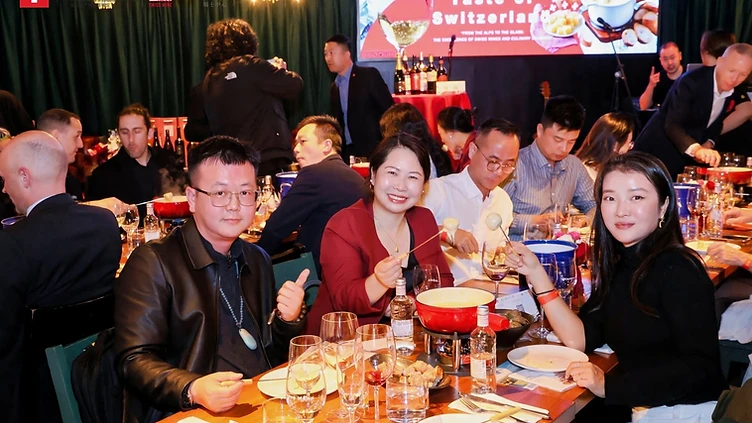
Long-distance email marketing and digital cold-calling yield limited results in China's relationship-centric (guanxi) commercial culture. Wine buyers, beverage directors, and supermarket category managers require direct sensory evaluation, physical relationship-building, and face-to-face negotiations.
To bridge the gap between European cellars and Chinese distributor networks, participation in recognized trade exhibitions remains the single most efficient route to market. Exporters looking to secure reliable B2B representation should explore opportunities to Become an Exhibitor at high-caliber commercial platforms like INTERWINE.
At targeted professional trade shows, producers can take advantage of curated Business Matching services that pre-screen regional distributors, off-trade buyers, and sub-distributors based on purchasing capacity and geographic reach. Before committing shipping containers, wineries can access verified data through dedicated Market Insights to stress-test target pricing models against local demand.
Conclusion: Executing Your China Export Plan
China represents one of the most promising growth markets for German wine, backed by over 5 million liters in annual bottled imports and an accelerating consumer pivot toward aromatic, low-alcohol whites. Capturing this market requires meticulous GACC and Chinese-labeling compliance, protective IP filings, and active B2B networking.
German estates and export consortia that commit to structured market entry, understand regional trade tiering, and build verified local buyer relationships will secure stable, high-margin export growth in the Chinese market.
Sources
- Deutsches Weininstitut (DWI) / Wines of Germany: German Wine Exports to China Reach a New Record High
- Vino Joy News: With U.S. Tariffs Crippling Exports, German Wine Finds a Bright Future in China (2025)
- Vino Joy News: How German Wine is Transforming China’s White Wine Market (2025)
- MSA Advisory: Wine Market in China: Trends, Growth, and Consumer Dynamics
Key Takeaways
- —Germany's bottled wine exports to Mainland China surpassed 5 million liters in 2025, demonstrating strong demand for white wine categories.
- —China's consumer base is shifting toward light, aromatic, low-alcohol wines, making German Riesling (especially Kabinett styles) a market leader across on- and off-trade channels.
- —Exporters must secure GACC facility registration under Decree 248 and fulfill strict Chinese-language back labeling guidelines under Decree 249 and GB 7718 prior to customs clearance.
- —Imported German wines incur compounding MFN duties, VAT, and consumption taxes, creating an effective landed tax rate of 43%–48% on CIF pricing.
- —Trademark registration under China's first-to-file system (both Latin and Chinese characters) is mandatory prior to initiating commercial distribution.
Frequently Asked Questions
What registration is required by GACC before exporting German wine to China?
Under GACC Decree 248, all overseas alcoholic beverage manufacturing and storage facilities must obtain a facility registration number via the China Import Food Enterprise Registration (CIFER) portal. This GACC code must be recorded on shipping documentation and outer packaging before the shipment departs for China.
What taxes and tariffs apply to German wine imports into Mainland China?
Bottled German wine (HS Code 2204.21.00) imported into China is subject to Most-Favored-Nation (MFN) import duty of 14%, a 10% consumption tax, and a 13% Value Added Tax (VAT). Due to the compounding calculation method, the effective cumulative tax rate is roughly 43% to 48% on landed CIF value.
Why is German Riesling performing strongly in China compared to traditional red wines?
Chinese wine consumption has shifted toward casual dining, personal enjoyment, and younger female consumers who prefer fresh, aromatic, and moderate-alcohol wines. German Riesling, especially off-dry and Kabinett styles, balances acidity and fruitiness while pairing naturally with diverse regional Chinese cuisines.
Should German wineries register their trademark in Chinese characters?
Yes. China enforces a strict first-to-file trademark system. Wineries should register both their original Latin brand name and a recognized Chinese character equivalent with the China National Intellectual Property Administration (CNIPA) to prevent unauthorized squatter registrations and secure legal protection.
How can German wineries connect with verified wine importers and distributors in China?
Direct commercial interaction through established international trade exhibitions like INTERWINE provides access to pre-screened importers, off-trade retail buyers, and sommelier networks, supported by dedicated B2B business matching and market entry programs.