How to Present Your Wine Portfolio to Asian Buyers

Master how to present your wine portfolio to Asian buyers with data-driven portfolio curation, landed-cost pricing architecture, regulatory compliance, and targeted trade-show execution.
To successfully present your wine portfolio to Asian buyers, producers must abandon one-size-fits-all European presentations and adopt a commercial, market-calibrated methodology. Asian importers, regional distributors, and hotel food and beverage directors evaluate commercial viability through four lenses: landed-cost margin structures, market-appropriate style curation, supply-chain reliability, and localized channel marketing. Across key markets such as Mainland China, Hong Kong, Singapore, and South Korea, purchasing dynamics are shifting from speculative prestige buying to consumer-driven, everyday dining and lifestyle retail.
According to Vinexpo Asia's 2025 Market Insights, Mainland China's wine market registered a clear rebound with imports reaching US$1.59 billion in 2024, characterized by self-consumption and a notable white wine boom led by Riesling and Sauvignon Blanc. At the same time, South Korea’s import value maintained levels 47.1% above 2020 baselines despite periodic adjustments. Wineries that approach Asian buyers with an unedited catalogue, ambiguous pricing terms, and generic sales copy struggle to gain traction. Achieving sustained distribution requires structured portfolio segmentation, exact calculation of landed duties, and direct commercial alignment.
1. Curate a Segmented 'Three-Tier' Export Matrix
One of the most frequent errors overseas wineries make when entering Asian markets is offering their complete domestic SKU list. Asian retail, e-commerce, and on-premise channels operate under strict shelf-space economics and inventory-holding realities. An uncurated 15-bottle list signals an unfamiliarity with import cash flows.
Instead, structure your commercial offer into a clean three-tier framework:
- Volume Driver / 'Door-Opener' SKU: A clean, accessible wine (typically a refreshing white wine, fruit-forward unoaked red, or entry-level sparkling) positioned to drive velocity in casual dining, bistros, or supermarket chains. As reported by Vino Joy News (2026), consumer-led purchasing across Asian urban hubs has intensified demand for accessible daily-drinking formats.
- Brand Anchor / Mid-Tier Core: The quintessential representation of your region or appellation (e.g., estate-grown Cabernet, regional Pinot Noir, or single-varietal DOC/AOC labels). This tier caters to independent fine-dining venues, boutique wine shops, and corporate gifting.
- Icon / High-Margin Allocation: High-scoring, limited-production cuvées. These provide prestige and headline your pedigree, giving importers halo credibility even if volume is modest.
When presenting to an Asian importer, focus the opening conversation on no more than four to six references matched to their operational channel. Before booking meetings or securing an exhibition stand to meet regional distributors, review verified distributor demands through comprehensive market insights to tailor your portfolio selections.
2. Engineer Landed-Cost Pricing and Margin Realities
Asian wine buyers do not assess your product on Ex-Works (EXW) or Free on Board (FOB) price alone. They think in terms of duty-paid, landed cost per bottle and required retail gross margins. If your export manager cannot explain how an €8.00 EXW bottle translates into a restaurant wine-list price in Shanghai, Ho Chi Minh City, or Singapore, negotiations typically stall.
Tariff and Tax Multipliers
Import duties and excise regimes vary widely across Asia:
- Singapore: Imposes excise duty based on alcoholic strength rather than value (customs duty calculated per liter of pure alcohol), alongside a prevailing Goods and Services Tax (GST), detailed in Wine Australia’s Singapore Export Market Guide (2026).
- Mainland China: Calculates customs duties, consumption tax, and a standard Value-Added Tax (VAT) compounded on Cost, Insurance, and Freight (CIF) values.
- High-Tax ASEAN Markets: Markets such as Thailand, Vietnam, and Malaysia apply layered luxury taxes, local municipal levies, and customs rates that can multiply the consumer price by 2.5 to 4 times the FOB baseline.
Deliver Clear B2B Price Lists
Ensure your export price sheets include:
- Clearly stated currency (EUR, USD, or AUD) and Incoterms (EXW cellar door vs. FOB major port).
- Minimum Order Quantities (MOQ) broken down by mixed-pallet, single-pallet, and full container load (FCL) volume.
- Bottle and packaging specifications (case weight in kg, bottles per carton, pallet configuration, and HS codes).
- A sample landed-cost modeling column showing estimated CIF delivery to regional transit hubs like Shenzhen, Guangzhou, or Singapore.
Establishing this level of financial clarity allows buyers to determine channel viability immediately. You can explore focused B2B channels and direct distributor discussions via targeted business matching services.
3. Localize Tasting Notes and Sensory Positioning
Presenting wine in Asia requires moving away from Eurocentric flavor metaphors that resonate poorly with regional palates. Describing a red wine as smelling like "blackcurrant cassis, forest floor, and gooseberries" provides little practical insight to an on-trade beverage team in Southern China or Southeast Asia.
Adapt Sensory Vocabulary
Highlight texture, balance, tannin integration, and gastronomic affinity. As detailed by Asia Wine Ratings (2025), seasoned regional panels look beyond conventional benchmarks, judging bottles on structural balance, freshness, and real-world commercial food pairings. Wineries presenting to Chinese and Southeast Asian buyers should emphasize acidity control, roundness of tannin, and pairing possibilities with regional cuisines—ranging from Cantonese dim sum and roast goose to spicy Sichuan dishes and Southeast Asian seafood.
Contextualize Third-Party Accreditations
While Robert Parker ratings and Wine Spectator scores carry legacy weight in fine-wine segments, Asian importers increasingly value:
- Awards from regional competitions (e.g., Interwine Awards, Asia Wine Trophy, Asia Wine Ratings).
- Decanter World Wine Awards medals.
- Recognition from Asian Masters of Wine (MW) and prominent local sommeliers.
Display medals visibly on your one-page technical sell sheets, but avoid cluttering your presentation with obscure European fair awards that lack recognition in the Far East.
4. Master Packaging, Compliance, and Brand Perception
Visual appeal and regulatory compliance are inseparable in Asian wine logistics. A shipment held at customs because of non-compliant label information can destroy an importer's quarterly launch schedule.
| Element | Consideration for Asian Markets | Operational Action Item | | :--- | :--- | :--- | | Label Compliance | Compulsory health warnings, importer details, allergen claims, and local-language overstickering vary by jurisdiction. | Consult local regulations beforehand. For example, Wine Australia's Singapore Export Guide (2026) outlines specific additive declarations and mandatory labeling standards. | | Bottle Closure | Screw caps are accepted across Japan, Hong Kong, and premium white wine channels, but traditional natural cork remains preferred for red wines priced above mid-tier gifting thresholds in Mainland China. | Align closure formats with specific market tiers; do not force alternative closures on premium reds intended for traditional off-trade gift channels. | | Capsule & Carton | Flimsy outer cartons often collapse under humid tropical transit or multi-leg domestic shipping. | Utilize export-grade double-walled cardboard with clear markings, palletization straps, and localized barcode/EAN numbering. | | Color & Iconography | Avoid culturally sensitive imagery, drab grey tones, or unreadable Gothic script that confuses retail clerks and consumer scanning apps. | Maintain elegant, distinct branding with legible typography; provide Chinese-character translations or phonetic phonetic transliterations where appropriate. |
5. Provide Dedicated Channel Marketing Support
Asian importers are inundated with cold emails from wineries asking for initial container orders without offering downstream marketing commitments. High-caliber buyers favor brand owners who act as true commercial partners.
According to Mordor Intelligence's Asia-Pacific Wine Market Analysis (2026), premiumization and on-trade channel engagement remain primary growth levers. Importers look for producers who actively invest in driving depletions from restaurant cellars and retail shelves. When delivering your pitch deck, allocate a dedicated slide to your Brand Activation Allowance:
- Digital Assets: High-resolution bottle renders, vineyard video footage, localized technical data sheets, and WeChat- or Little Red Book (Xiaohongshu)-ready promotional assets.
- Masterclasses and Trade Seminars: Offer committed dates for the winemaker or export director to visit the market, conduct on-trade staff trainings, and host VIP consumer dinners.
- Sample Budgets & Co-op Allowances: Clarify policies on replacement bottles for broken stock, free POS tasting stock (e.g., 1 case FOC per 10 cases ordered for initial launch), and regional promotional cost sharing.
6. Maximize High-Yield In-Person Trade Platforms
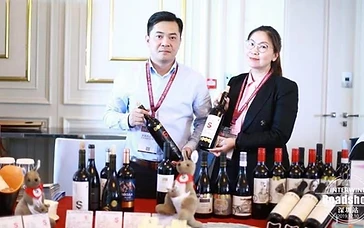
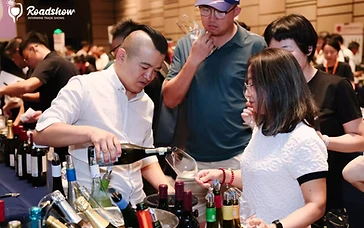
While digital communication initiates contact, international wine contracts in Asia are sealed through relationship-building, direct sensory evaluation, and face-to-face trust. The most efficient route to meeting vetted commercial buyers across Greater China and the Asia-Pacific region is through specialized trade events. Participating alongside peers in the recognized exhibitor directory connects your brand directly with verified supermarket procurement heads, regional wholesalers, and hotel food and beverage directors.
To maximize return on investment at exhibitions:
- Pre-Schedule Qualified Meetings: Reach out to local buyers at least 30 days prior to the event; do not rely solely on walk-up booth traffic.
- Equip Stand Staff Professionally: Ensure personnel on site can speak fluent Mandarin, Cantonese, or the local dialect alongside English, and empower them to negotiate pricing parameters directly.
- Prepare Temperature-Controlled Samples: Ship your trade samples early using reliable logistics partners to avoid transit heat damage and give bottles time to recover from bottle shock before pouring.
Producers seeking to establish lasting distribution in the world's most dynamic beverage market should secure their commercial presence directly: become an exhibitor at upcoming trade showcases to engage key commercial partners.
Summary: The Asian Importer Pitch Checklist
Before booking your sales mission or presenting to an Asian procurement panel, verify that your commercial package meets these criteria:
- [ ] Tiered SKU Selection: Maximum 4–6 wines tailored directly to the target buyer's distribution channel.
- [ ] Transparent Pricing: Clear Incoterms (EXW and FOB) with realistic landed-cost and retail price projections.
- [ ] Packaging Integrity: Export-grade cartons, channel-appropriate closures, and regulatory label compliance.
- [ ] Adapted Pitch Deck: Localized sensory notes, market food pairings, and relevant regional wine ratings.
- [ ] Commercial Commitment: Clear promotional support, digital marketing assets, and a presence at premier trade forums.
By building an organized, commercially grounded presentation that solves an importer's regulatory, margin, and velocity considerations, wineries can establish profitable, multi-year distribution across Asia's dynamic wine markets.
Sources
- Vinexpo Asia / The Manila Times (2025) – Vinexpo Asia Roadshow Highlights Industry Shifts Across 4 Key Asian Cities
- Wine Australia (2026) – Singapore Export Market Guide
- Mordor Intelligence (2026) – Asia-Pacific Wine Market Size & Share Analysis
- Asia Wine Ratings (2025) – Meet the Judges Shaping Asia’s Next Best-Selling Wines
- Vino Joy News (2026) – How Asia's Consumers Are Choosing Wines
Key Takeaways
- —Curation beats volume: Asian importers look for a focused three-tier portfolio (Volume Driver, Brand Anchor, Icon) rather than an unedited domestic SKU list.
- —Landed costs determine deals: Buyers calculate duty, excise, transport, and channel margins—producers must be able to model FOB to landed retail shelf pricing.
- —Category demand is evolving: Self-consumption and casual dining are driving notable growth in whites (Riesling, Sauvignon Blanc) alongside established reds.
- —Sensory storytelling must be localized: Replace obscure Eurocentric tasting notes with structural indicators (tannin roundness, fresh acidity) and Asian culinary pairings.
- —In-person presence closes partnerships: Establishing distribution requires direct face-to-face buyer engagement and downstream promotional co-investment.
Frequently Asked Questions
What are Asian wine importers looking for most in a new producer?
Asian importers prioritize clear pricing architecture (accurate FOB/CIF rates), consistent product quality, reliable logistics, and demonstrable marketing support. They favor wineries that understand local tax structures, offer channel-ready SKUs, and assist with staff training and retail promotions.
How should a winery price its wine portfolio when pitching in Asia?
Wineries should state clear Incoterms (such as EXW or FOB major departure port), define minimum order quantities (MOQs) by mixed pallet or container, and provide estimated landed-cost calculations that factor in destination duties, excise taxes, and target retail margins.
Which wine styles are currently gaining traction across Asian markets?
While premium red wines maintain strong cultural relevance in gifting and business hospitality, there is expanding demand for fresh, aromatic white wines (such as Riesling and Sauvignon Blanc), sparkling wines, and lighter, fruit-forward reds suited for daily consumption and casual dining.
Why is it important to attend trade shows in Asia rather than selling purely online?
Wine distribution in Asia relies heavily on commercial trust, sensory validation, and personal relationships. Participating in dedicated B2B trade shows gives buyers the opportunity to taste samples, review packaging first-hand, and verify the commercial reliability of your brand.