How to Build Relationships With Chinese Wine Importers
Master the commercial process of building long-term relationships with Chinese wine importers. Discover regulatory compliance, negotiation tactics, and regional distribution models.
To successfully sell wine into Mainland China, foreign brand owners must shift from transactional sales pitches to collaborative commercial alignment. Importers and national distributors in China do not simply procure stock; they act as legal border clearance agents, domestic inventory financiers, brand educators, and channel gatekeepers. According to trade reporting from Vino Joy News (2024), the historical landscape of more than 4,000 wine importers has consolidated heavily post-pandemic, concentrating market influence into specialized regional players, state-affiliated traders, and niche distributors. Building durable, profitable distribution demands deep commercial due diligence, an understanding of interpersonal trust (guanxi), regulatory operational readiness, and sustained offline commitment.
Understanding the Evolving Role of Chinese Wine Importers
Chinese wine importers shoulder substantial financial and operational liabilities compared to buyers in standard Western wholesale frameworks. When a container touches a Chinese port, the importer pays customs duties, excise tax, and value-added tax (VAT), alongside managing strict regulatory approvals.
According to an industry overview by BestWineImporters (2026), importers serve as the indispensable commercial bridge between overseas producers and regional tiers, taking charge of port logistics, temperature-controlled bonded warehousing, regional sub-distribution, and brand activation. Importers evaluate international wineries primarily on whether the brand will generate inventory turnover or become trapped capital.
The Shift from Megacorporations to Regional Specialists
While state-owned trading houses and national platforms once dominated bottled wine imports, the contemporary Chinese market favors agile regional and channel-specific distributors. Brand owners must identify whether a buyer focuses on:
- First-tier on-premise dining: Fine dining, boutique bistros, and hotel chains in Shanghai, Beijing, Guangzhou, and Shenzhen requiring high sommelier engagement.
- Corporate gifting and banquet channels: Traditional off-market commercial networks that demand distinguished, gift-ready presentation, auspicious visual palettes, and stable wholesale margins.
- Regional wholesale tiering: Sub-distributors operating throughout Tier 2 and Tier 3 provincial hubs such as Chengdu, Hangzhou, Wuhan, and Changsha.
- Digital and direct-to-consumer ecosystems: Modern e-commerce storefronts on JD.com, Tmall, Douyin, and WeChat Mini Programs seeking competitive digital retail positioning.
To discover reliable wholesale opportunities and study active regional models, explore our current Market Insights.
The Commercial Foundation: Regulatory Prerequisites and Due Diligence
Before initiating buyer discussions, international producers must address Chinese regulatory mandates. Approaching an importer without prerequisite registrations signals a lack of market seriousness.
- Establishment Registration via CIFER: The EU SME Centre (2026) highlights that overseas production facilities must complete manufacturing registration through China’s General Administration of Customs (GACC) CIFER platform prior to exporting. Shipments from unregistered wineries will not clear customs.
- Mandatory Chinese Back Labels: Back labels must strictly comply with national food safety standards (GB standards), displaying net volume, alcohol strength, production dates, importer contact credentials, and mandatory warning labels in Mandarin.
- FOB-to-Retail Landed Cost Architecture: Wineries must understand domestic margin structures. Due to combined border taxes, local transport, distributor margins, and retailer markups, a wine quoted at $5.00 FOB commonly retails on Chinese shelves at 3 to 4 times that initial cost (BestWineImporters, 2026). Presenting transparent landed-cost calculations proves that your pricing structure protects importer margins.
[FOB Winery Cost]
        │
        ▼
[Customs + Tariffs + VAT]
        │
        ▼
[Importer Landed Margin (25–35%)]
        │
        ▼
[Sub-Distributor Wholesale (20–30%)]
        │
        ▼
[Retail / On-Premise Shelf (30–50%)]
Cultural Diplomacy and Commercial Trust (Guanxi)
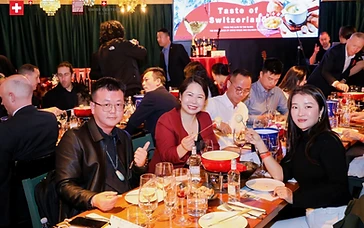
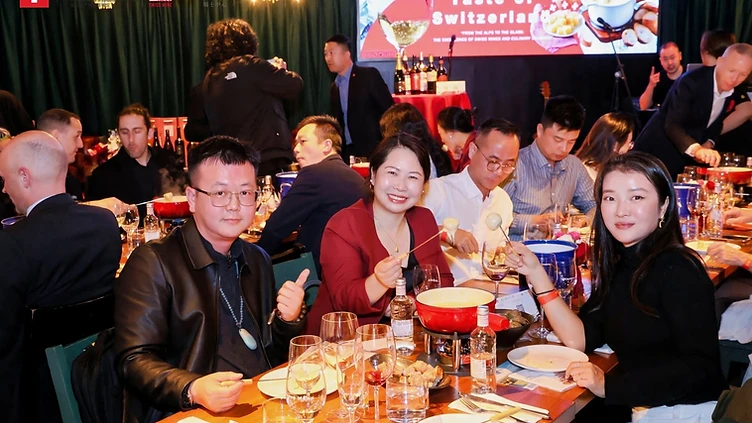
In Chinese business, commercial contracts protect the framework, but interpersonal rapport (guanxi) drives the execution. A distributor who feels personal alignment with winery leadership will defend market share during downturns; an importer treated as an arms-length buyer will drop slow-moving SKUs without hesitation.
Navigating the In-Person Requirement
Face-to-face interaction remains non-negotiable. Veteran wine market analysts documented by the Sommeliers Choice Awards (2019) note that sustainable wine business in China requires brand owners to invest in regular in-market visits (two to three times annually) alongside hosting Chinese partners at the home estate. Relying solely on cold emails and generic price lists yields minimal engagement.
Digital Communication via WeChat
Global business communication channels such as Western email, WhatsApp, or LinkedIn are not primary mediums for Chinese trade. Domestic commercial dialogues happen on WeChat. To facilitate frictionless negotiation, export managers should establish verified WeChat profiles, host bilingual digital tech sheets, and deploy clear presentation assets.
Structuring Commercial Agreements and Partner Protection
Misalignments over territory rights and volume targets represent the most common reason winery-importer relationships dissolve in China. Exporters must construct distribution agreements with balanced protections:
- Segmenting Territorial Exclusivity: Avoid granting unconditional national exclusivity to an unproven partner. Restrict exclusivity to clearly defined geographical zones (e.g., South China, East China) or channels (e.g., hospitality exclusive vs. regional retail), tying exclusivity renewal to verifiable volume performance.
- Trademark Protection: Brand owners must register Chinese-language and original-language trademarks directly with the China National Intellectual Property Administration (CNIPA) under relevant international classes before sharing samples. Never delegate primary brand trademark registration to an external distribution entity.
- A&P Co-Investment: Sustainable partnerships require mutual financial participation in marketing. Producers should allocate a committed percentage of annual invoice value (typically 5% to 10%) toward joint Advertising and Promotion (A&P) funds, supporting masterclasses, point-of-sale displays, and sommelier education.
To schedule structured meetings with pre-vetted corporate buyers and distributors, participate in our curated Business Matching services.
The Role of Trade Exhibitions in Accelerating Partnerships
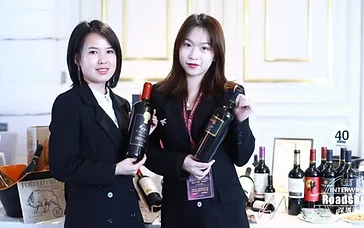
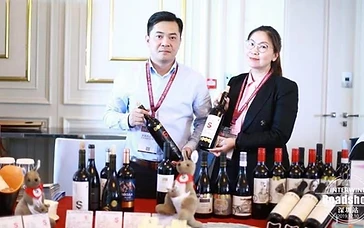
Attending domestic trade expos is the most cost-effective mechanism for meeting high-intent Chinese wine buyers. The Sommeliers Choice Awards (2019) trade analysis emphasizes that for early-stage and expanding exporters, capital invested in attending recognized industry expos yields far superior returns compared to isolated, cold sales meetings across disparate cities.
Physical exhibitions allow winery principals to:
- Deliver guided sensory evaluations directly to regional trade buyers.
- Identify decision-makers who hold active import quotas and bonded warehouse lines.
- Assess real-time packaging, varietal, and price-point expectations across distinct provinces.
International wineries seeking direct commercial access to qualified Chinese distributors, wholesale leaders, and retail category managers are encouraged to Become an Exhibitor at INTERWINE China.
Retaining Importers: Long-Term Growth Strategies
Securing the first container order marks the beginning of the relationship, not its conclusion. Sustaining commercial velocity demands proactive account stewardship:
- Deliver Continuous Education: Provide bilingual masterclasses for your importer’s internal sales representatives. Most sales representatives manage hundreds of labels; they prioritize brands they understand and can pitch with confidence.
- Localize Packaging Contexts: Incorporate high-quality gift boxes, festive wooden cases, and auspicious visual elements ahead of Golden Week and Chinese New Year gifting seasons (BestWineImporters, 2026).
- Maintain High Executive Responsiveness: Address order logistics, replacement corkage requests, and marketing collateral updates without administrative delays. Respecting your partner’s timeline preserves mutual trust.
Summary
Building long-term partnerships with Chinese wine importers requires commercial preparation, regulatory compliance, cultural alignment, and sustained physical market presence. By structuring protective distribution agreements, supporting domestic sales channels, and actively engaging buyers on the ground, overseas wine producers can build enduring brand equity in the world's most dynamic wine market.
Sources
- BestWineImporters: A Wine Exporter’s Guide to Finding Buyers in China and Working with Chinese Wine Importers (2026)
- Vino Joy News: Here Are China's 50 Top Wine Importers (2024)
- EU SME Centre: How Can I Export Wine to China? (2026)
- Sommeliers Choice Awards: 14 Secrets of Building Your Wine Business in China (2019)
Key Takeaways
- —Chinese wine importers serve as essential regulatory, logistical, and distribution gatekeepers rather than simple wholesale buyers.
- —Wineries must secure GACC CIFER establishment registration and Chinese trademark rights before negotiating distribution contracts.
- —A standard FOB price typically multiplies by 3 to 4 times at Chinese retail after border taxes, domestic logistics, and supply chain markups.
- —Long-term distribution relies on cultural diplomacy (guanxi), face-to-face engagements, and prompt WeChat-based communication.
- —Distribution contracts should define strict territorial and channel limitations rather than blanket national exclusivity.
- —Physical trade exhibitions deliver the highest ROI for meeting vetted regional buyers and assessing market reception.
Frequently Asked Questions
What primary legal requirements must a winery fulfill before approaching Chinese wine importers?
Wineries must register their production facility with the General Administration of Customs of China (GACC) via the CIFER platform, verify compliance with Chinese national food safety standards (GB standards) for Mandarin back labeling, and register original and Chinese-language trademarks with CNIPA to protect intellectual property.
Why should wine brands avoid granting immediate national exclusivity in China?
Mainland China encompasses distinct regional markets with diverse consumer habits and distribution structures. Granting national exclusivity to a single partner often limits market reach if that importer only excels in specific provinces or sales channels. Best practice dictates granting regional or channel-specific rights tied to measurable sales milestones.
How are wine retail prices in China calculated from initial FOB prices?
Retail pricing accounts for customs duties, excise tax, VAT, international freight, port clearance, bonded warehousing, importer margins (25-35%), sub-distributor margins (20-30%), and retail markups (30-50%). Consequently, an imported bottle commonly retails at 3 to 4 times its initial FOB price.
What is the best way to maintain ongoing communication with Chinese wine buyers?
Active business communication in China takes place primarily on WeChat rather than email. Export managers should maintain professional WeChat profiles, provide mobile-friendly bilingual digital assets, and schedule in-person market visits at least twice a year to reinforce commercial trust.
How do trade exhibitions help international wineries connect with Chinese importers?
Trade shows allow wineries to present their wines directly to qualified decision-makers, gather immediate sensory feedback, verify importer track records, and conduct targeted business matching meetings in one consolidated environment.