How to Turn Wine Exhibition Leads Into Distribution Deals
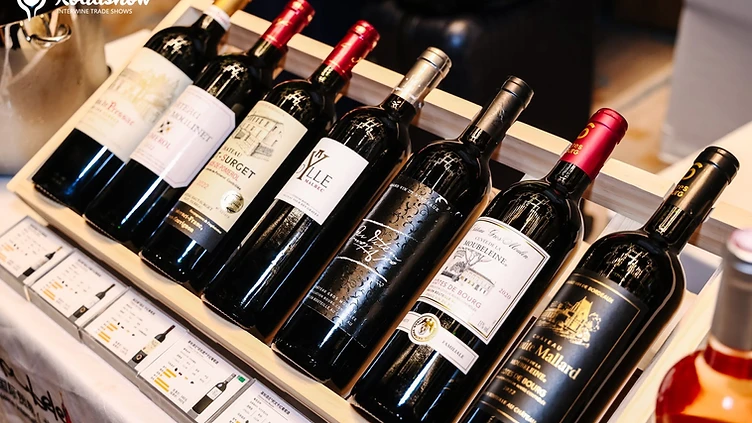
Discover how winery export directors can turn wine exhibition leads into signed distribution deals through structured qualification, pricing architecture, and systematic follow-up.
To turn wine exhibition leads into signed distribution contracts, wineries must transition from passive booth tasting to a disciplined commercial pipeline. According to data from the Center for Exhibition Industry Research (CEIR) published in 2025, 81% of trade show attendees hold purchasing authority, yet research compiled by HubSpot indicates that 79% of B2B marketing leads never convert into transactions, primarily due to inconsistent post-event follow-up. Converting trade fair interactions into distribution deals requires rigorous lead qualification at the booth, international price architecture preparation (such as FOB and CIF terms), customized commercial sample logistics, and structured contract execution.
For export directors, success is not measured by the stack of business cards collected over a three-day expo, but by the volume of depletions and repeat container orders generated twelve months later.
Pre-Show Commercial Architecture: Setting Terms Before Pouring
High conversion rates are established well before pouring the first sample. Experienced international wine buyers, regional distributors, and state-owned import enterprises immediately assess whether an export manager understands commercial terms and supply chain realities.
Define Commercial Pricing Sheets
Before attending an international trade fair, your sales kit must be completely configured for the target territory. Avoid presenting retail price sheets or domestic cellar-door pricing. Prepare clear, standardized B2B pricing documents with the following benchmarks:
- Incoterms (FOB and CIF): State your Free On Board (FOB) origin port terms alongside Cost, Insurance, and Freight (CIF) destination figures.
- MOQs and Tiered Pricing: Define Minimum Order Quantities per SKU, per mixed pallet (standard European 1200x800mm or industrial pallet configurations), and for Full Container Loads (FCL). As noted in international freight analysis by Hillebrand Gori in 2024, a standard 20-foot dry container accommodates approximately 10 standard pallets of cased wine. Outlining these unit economics up front demonstrates logistical capability.
- Landed Cost Estimation Support: Provide standard bottle weights, case dimensions, customs tariff codes (HS 2204), and exact alcohol-by-volume (ABV) figures so prospective importers can quickly run domestic excise calculations.
Establish Target Channel Criteria
Exhibitors should clarify their market strategy before engaging buyers. Whether your portfolio targets Michelin-starred on-premise accounts, regional independent retail, or volume off-premise supermarket chains, knowing your ideal partner profile prevents negotiating with mismatched entities. To secure high-value business meetings before arriving on-site, utilize structured Business Matching services.
On-Site Lead Qualification: Separating Importers from Casual Tasters
Trade show floors are dynamic environments. Without a qualification framework, your commercial team risks spending hours talking with enthusiasts, casual sommeliers, or unverified brokers who lack licensing or capital to clear imports.
The Three-Minute Qualification Protocol
Train your stand personnel to qualify visitors within the first three minutes of dialogue before pouring premium reserve wines:
- Licensing and Business Scope: Does the entity possess an active import license, bonded warehouse access, and wholesale distribution rights in their jurisdiction?
- Territory and Distribution Footprint: Are they seeking national exclusivity or regional distribution across Tier-1, Tier-2, or Tier-3 cities?
- Current Portfolio Balance: Which competing regions or producers do they currently represent? A portfolio overloaded with direct competitors may lead to your brand being shelved rather than prioritized.
- Immediate Procurement Timeline: Are they sourcing for immediate seasonal inventory, tender programs, or exploratory catalog expansion?
Live Tiered Lead Scoring
Classify leads on-site using digital CRM integrations or structured badge-scanning tools:
- Tier A (Active Importers): Possesses import permits, clear operational distribution, and requests CIF quotations on specific SKUs with defined volumes.
- Tier B (Qualified Intermediaries/Sub-distributors): Strong regional reach but relies on third-party import houses for clearance; requires matched importer coordination.
- Tier C (General Trade/Horeca): Individual restaurant operators or retail buyers seeking mixed-case orders who must be redirected to your regional distributor once appointed.
- Tier D (General Visitors): Non-trade attendees; offer marketing collateral without depleting allocated export stock or commercial meeting slots.
Export managers seeking verified buyers can explore the Exhibitor Directory to evaluate peer presence, or review requirements to Become an Exhibitor at regional trade fairs.
The Critical 72-Hour Post-Show Follow-Up Cadence
Industry analyses published by Marketo demonstrate that prospect responsiveness decreases sharply when outreach is delayed beyond seven days. With research from the Center for Exhibition Industry Research indicating that exhibitors can convert up to 20% of qualified leads into buyers over a six-month horizon, a rapid, personalized cadence is crucial.
| Timeline | Action Item | Core Objective | | :--- | :--- | :--- | | Hours 0 – 24 | CRM Data Harmonization | Digitize badges, scan business cards, and append specific tasting notes from conversation logs. | | Hours 24 – 72 | Tier A Personalized Outreach | Send customized emails addressing discussion points, attaching specific FOB/CIF quotation sheets and technical spec sheets. | | Days 4 – 7 | Commercial Sample Dispatch | Verify delivery address, import permit requirements, and dispatch temperature-controlled sample flights. | | Days 14 – 21 | Commercial Follow-Up Call | Discuss sample tasting feedback, retail shelf-price positioning, and initial order drafting. |
When conducting outreach, reference specific conversation details—such as the buyer’s reaction to a specific vintage, their current portfolio gap, or regional distribution plans—to distinguish your winery from standard mass mailers.
Sample Dispatch Strategy and Compliance Logistics
Sending post-event samples is a major financial and logistical investment. Randomly dispatching six-bottle cases without verification frequently results in customs rejections, heat-damaged liquid, and wasted export expenditure.
Verification Before Dispatch
Before shipping tasting flights internationally:
- Verify that the contact has commercial facilities to receive alcohol shipments, or understands local personal import allowances.
- Ensure documentation meets destination regulatory mandates, including clear certificates of analysis, commercial pro-forma invoices marked "Samples of No Commercial Value for Tasting Purposes Only," and accurate HS classifications.
- In target markets with specialized regulatory compliance, monitor updates via Market Insights to keep import declarations compliant.
Temperature-Controlled Sample Logistics
Wine quality upon arrival directly impacts commercial viability. High-value samples exposed to extreme temperatures in transit can display volatile acidity or oxidation, souring a prospective contract. Partner with specialized beverage forwarders utilizing insulated packaging or active temperature control during transit.
Structuring and Closing Distribution Agreements
Transforming an interested prospect into an active partner culminates in a legally sound, commercially balanced distribution contract.
Balancing Exclusivity Against Performance
Importers routinely request nationwide exclusivity across major territories. While exclusivity incentivizes brand building, unconditioned exclusivity carries substantial business risk. Safeguard your export roadmap by implementing:
- Annual Depletion Milestones: Link exclusive rights to minimum order volumes (e.g., initial 20-foot container within 90 days, followed by scaled container commitments across subsequent quarters).
- Territorial Segmentation: Grant exclusivity strictly by defined geographical provinces, regional markets, or discrete trade channels (such as duty-free, on-premise, or e-commerce retail).
- Performance Reviews: Establish clear non-performance break clauses if minimum purchase quotas are not reached over rolling 12-month periods.
Marketing Support and Joint Investment Budgets
Long-term brand sustainability requires active push-and-pull dynamics. Rather than offering open-ended discounts, link marketing assistance to operational investment:
- Allocate an agreed percentage (typically 3% to 5% of invoice value) as an Advertising and Promotion (A&P) fund, disbursed against verified local marketing spend, masterclasses, and sommelier activations.
- Provide translated Point of Sale (POS) assets, localized technical data sheets, and digital bottle imagery suited to domestic platforms.
- Schedule winery representation for regional trade seminars, consumer wine dinners, and importer portfolio showcases.
To expand your sales footprint and connect directly with pre-screened importers across Asia’s primary consuming centers, explore the option to Become an Exhibitor at an upcoming INTERWINE showcase.
Sources
- Center for Exhibition Industry Research (CEIR) - Research on trade show buying authority and lead conversion benchmarks.
- Hillebrand Gori - Global wine logistics, container capacities, and international transport data.
- International Organisation of Vine and Wine (OIV) - Global wine export value, production statistics, and market consumption trends.
Key Takeaways
- —High conversion begins pre-show by building detailed FOB and CIF pricing matrices, standard pallet dimensions, and channel-specific qualification criteria.
- —Enforce a three-minute qualification rule at your booth to identify import licenses, capital capacity, and geographic coverage before pouring high-value inventory.
- —Implement a strict 72-hour follow-up protocol with personalized communication referencing specific discussion points to maintain buyer momentum.
- —Protect sample investments through temperature-controlled shipping and verified customs documentation to avoid transit degradation.
- —Condition distribution exclusivity on strict annual depletion targets, minimum order quantities (MOQs), and territorial milestones to mitigate commercial risk.
Frequently Asked Questions
What information should be included in a trade show B2B wine pricing sheet?
A B2B wine pricing sheet must include Free On Board (FOB) origin port terms, Cost, Insurance, and Freight (CIF) target port pricing, minimum order quantities (MOQs) by SKU and pallet, case dimensions, bottle weights, customs HS codes (2204), and exact alcohol by volume (ABV) to facilitate local tax calculation.
How quickly should wineries follow up with trade show leads?
Tier A leads should be contacted within 24 to 72 hours while conversations remain fresh. Industry data indicates that lead engagement falls off dramatically after seven days without personalized outreach.
Should a winery grant territorial exclusivity to an international importer?
Exclusivity should only be granted if tied to contractual performance metrics, such as committed minimum order volumes, clear annual depletion targets, and defined geographic territories, supported by termination clauses for non-performance.
How do you distinguish serious wine importers from casual booth tasters?
Use a brief qualification script focusing on commercial credentials: ask about their active import licensing, temperature-controlled warehousing, logistics infrastructure, current portfolio gaps, and distribution channels across regional retail or on-premise accounts.
How many cases of wine fit in a standard 20ft container?
A standard 20-foot dry container holds approximately 10 standard pallets, which translates to roughly 600 to 700 standard 9-liter cases (approximately 7,200 to 8,400 bottles), depending on bottle weight, carton geometry, and pallet configuration.