Low-Alcohol Wine Market in China
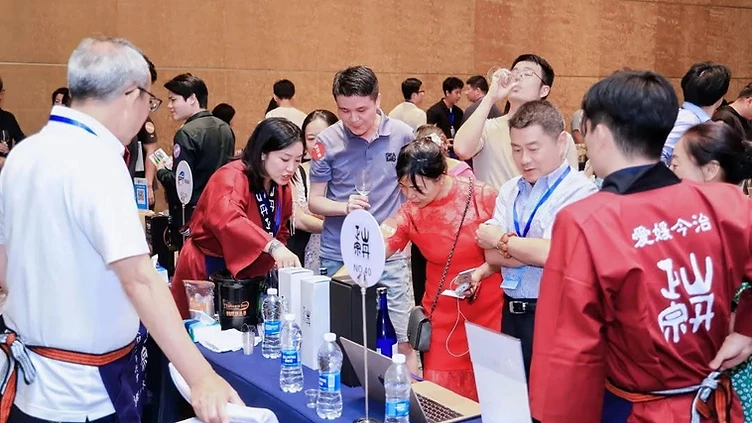
A commercial B2B evaluation of the low-alcohol wine market in China, examining consumer shifts, regulatory classifications, pricing realities, and distribution strategies for global producers.
The low-alcohol wine market in China is transitioning from a speculative novelty into an established commercial segment. Shifting drinking etiquette, rising health awareness among urban professionals, and generational changes in hospitality are driving this growth. For international producers and distributors evaluating export expansion into Mainland China, entering this category requires a clear understanding of trade dynamics, customs classifications, and commercial positioning.
According to market analysis from Deep Market Insights (2026), China's broader low-alcohol beverages market reached USD 138.73 million in 2025 and is projected to expand to USD 203.43 million by 2034, registering a compound annual growth rate (CAGR) of 4.32%. While low-alcohol beer historically held the largest share of this volume, low- and non-alcoholic wines represent one of the fastest-evolving premium subsets. The ProWine Business Report (2025) highlights that nearly 69% of surveyed producers identify low- and non-alcoholic wines as a high-potential category through 2027, contrasting sharply with traditional full-strength dry red wines, where 52% of merchants forecast slowing sales.
Successfully scaling in this market demands strategic execution across consumer targeting, regulatory compliance, and verified on-the-ground distribution.
Shifting Macro Dynamics: The Generational Pivot in China’s Wine Trade
For more than two decades, imported wine in China operated as an elite status symbol dominated by traditional gifting, formal government banquets, and heavy red-wine consumption. However, structural headwinds—including real estate market adjustments and post-pandemic economic recalibration—have accelerated a long-term behavioral shift. Research cited by VVR International (2026) demonstrates that wine's share of China's overall alcoholic beverage market contracted to approximately 1.3% by 2023, down from a historical peak of 4% in 2017.
This contraction primarily impacted conventional, high-tannin red wines. Drinks market research firm IWSR noted in mid-2026 that Chinese alcohol consumption is actively migrating away from rigid social obligation and heavy corporate gifting toward personal wellness, casual social gatherings, and authentic value-for-money propositions. In their analysis of China's 2026 alcohol market dynamics, IWSR highlighted that younger demographics, especially Gen Z and millennial urban professionals, actively favor lighter, lower-alcohol, and fruit-forward profiles that complement modern lifestyles without the physical burden of high alcohol by volume (ABV).
The Dual Consumer Base: Social Banqueting vs. Casual Moderation
Unlike Western markets where the low-and-no movement is predominantly driven by fitness and non-alcoholic lifestyle culture, commercial adoption in China splits across two distinct use cases:
1. The "Optics of Blending In" at Business Banquets
In traditional Chinese corporate banqueting, declining a toast can disrupt business social harmony. However, strict drunk-driving penalties and shifting health considerations create practical friction. Trade reporting from Vino-Joy (2025) reveals that low- and zero-alcohol wines have become essential functional tools at corporate dinners. Executives, female professionals, and designated drivers utilize low-alcohol or de-alcoholized wine to participate fully in ceremonial toasts while remaining sober. For this group, packaging aesthetics matter: bottles must mimic traditional premium wine labels and standard 750ml glass packaging to preserve table etiquette.
2. The Independent "Micro-Drunkenness" Movement
Outside formal corporate dining, younger urban consumers—especially women in Tier-1 and Tier-2 cities—have embraced the cultural concept of weixun (mild, pleasant relaxation or "micro-drunkenness"). These consumers seek sessionable beverages for home consumption, casual bistro gatherings, and weekend socializing. They favor natural sweetness, aromatic white varieties, and sparkling low-alcohol wines (such as Moscato d’Asti or partially fermented sparkling styles) over austere, high-alcohol reds. Brands that align with modern lifestyle aesthetics and digital visibility on Xiaohongshu and Douyin gain rapid traction in this segment.
Regulatory Frameworks, Labeling, and Tariff Structures
Navigating China’s customs clearance requires strict adherence to regulatory definitions administered by the General Administration of Customs of China (GACC) and the State Administration for Market Regulation (SAMR). A common pitfall for exporters is assuming low-alcohol wines fall under standard table wine regulations.
According to trade compliance standards documented by ChemLinked Food Safety Services, imported wines in China are strictly regulated by National Food Safety Standards (GB standards):
- Alcoholic Strength Definitions: Standard fermented grape wine under GB 15037 typically requires an actual alcohol content equal to or exceeding 7.0% ABV. Products modified below this threshold via dealcoholization or stopped fermentation may be categorized under alternative standards, such as flavored fermented beverages, beverage compounds, or non-alcoholic fruit beverages.
- Customs Classification & Tariff Implications: Standard imported wines face most-favored-nation (MFN) tariffs ranging from 14% to 30%, alongside consumption taxes (typically 10%) and value-added tax (13%). De-alcoholized wine (<0.5% ABV) is classified under soft drink/fruit beverage tariff codes (HS 2202), eliminating the alcohol excise consumption tax entirely, though standard VAT and applicable import duties still apply.
- Ingredient & Additive Verification: Any dealcoholization process or addition of botanical extracts, stabilizing agents, or concentrated must must strictly comply with GB 2760 (Food Additive Standards). Unapproved processing aids or preservative levels will cause customs rejection at border inspection.
- Labeling Requirements (GB 7718): Low-alcohol products must display Chinese back labels indicating exact alcohol content, comprehensive nutritional tables (mandatory for non-alcoholic classifications), shelf life, and overseas producer registration numbers issued via the GACC CIFER platform.
Producers seeking detailed market intelligence on trade pathways can explore analytical overviews through our Market Insights division.
Commercial Realities: Pricing Resistance vs. Category Opportunity
While volume demand for lower-ABV alternatives is rising, foreign brands must navigate a clear commercial hurdle: pricing sensitivity. In the Chinese market, full-strength wine prices are historically anchored to perceived prestige, barrel aging, and vintage reputation. Because low-alcohol wines are frequently purchased for casual enjoyment or functional banqueting, consumers and distributors often resist paying super-premium prices for de-alcoholized or sessionable styles.
Distributors operating in inland hubs and coastal metropolises point out that entry-level and mid-tier retail pricing (RMB 60 to RMB 150 per bottle) commands the highest turnover. Producers attempting to price de-alcoholized wine alongside Grand Cru equivalents face inventory bottlenecks. Sustained commercial success requires building margin into efficient supply chains, emphasizing superior taste profiles, and securing volume commitments via specialized on-trade dining and premium retail channels.
Route-to-Market Strategy: Selecting the Right Commercial Partners
To establish scalable distribution in Mainland China, brand owners must look beyond fragmented cross-border e-commerce shops. The China Alcoholic Drinks Association (2026) has cautioned against excessive reliance on price-distorting online promotions, noting that platform discounting and steep commission fees have eroded offline margins. Healthy brand building requires a balanced distribution architecture:
- Specialized Regional Importers: Partnering with regional distributors who supply modern bistro chains, boutique supermarkets (such as Ole' and City'super), and corporate event caterers.
- Curated Hospitality Channels: Supplying Western dining groups, high-end Cantonese banquet restaurants, and premium hotel lounges where wine lists increasingly feature low-ABV and non-alcoholic pairings.
- Direct B2B Buyer Engagement: In-person relationship building remains the cornerstone of Chinese wine distribution. To evaluate reliable distributors and examine active buyers in the market, explore our Exhibitor Directory and schedule qualified commercial introductions through dedicated Business Matching services.
Producers planning direct market entry can secure a comprehensive trade presence by choosing to Become an Exhibitor at upcoming trade editions.
Conclusion: Strategic Next Steps for Category Producers
The expansion of China’s low-alcohol wine market marks a permanent evolution in Chinese drinking culture. Demographics are moving away from rigid, high-proof social obligations toward lifestyle-aligned, health-conscious consumption. For international producers, the commercial roadmap is evident: refine formulations to ensure genuine sensory appeal, align production with GACC and GB regulatory codes, adopt competitive commercial pricing, and partner directly with vetted regional distributors.
Sources
- Deep Market Insights (2026): China Low Alcohol Beverages Market Size & Outlook, 2026-2034
- VVR International (2026): The Chinese Wine Market in 2026: Trends and Consumption
- Vino-Joy (2025): China's Non-Alcoholic Wine Booms Is All Business
- The Drinks Business (2026): China Alcohol Industry Group Urges Tougher Regulation of Online Sales
- ChemLinked Food Safety Services: China Wine Regulations and Import Guide
Key Takeaways
- —China's low-alcohol beverage market is projected to reach USD 203.43 million by 2034, growing at a 4.32% CAGR from 2026 onward (Deep Market Insights, 2026).
- —Generational shifts and health-conscious consumer preferences are driving demand toward sessionable, low-ABV, and de-alcoholized alternatives while traditional dry red wine consumption slows.
- —Corporate banqueting represents a major consumption driver, where business professionals use visually standard low- and zero-alcohol bottles to navigate toasting rituals while maintaining sobriety.
- —Import regulations differ fundamentally: products below 7.0% ABV often fall outside standard fermented wine standards (GB 15037), affecting tariff structures, consumption tax, and Chinese back-labeling requirements.
- —Sustainable market penetration requires establishing offline distribution in modern dining and boutique retail, avoiding over-dependence on discounted online platforms.
Frequently Asked Questions
What is driving the demand for low-alcohol wine in China?
Demand is primarily driven by two segments: business professionals who require visually identical non-alcoholic or low-ABV alternatives to navigate business banquet toasts without inebriation, and younger urban consumers (particularly female professionals) seeking casual, health-conscious social drinking options.
How are low-alcohol and de-alcoholized wines classified by Chinese Customs?
Under National Standard GB 15037, traditional fermented wine must generally have an actual alcohol content of at least 7.0% ABV. Products below this threshold, such as de-alcoholized wines (<0.5% ABV), are typically classified under HS Code 2202 as non-alcoholic beverages, which exempts them from the 10% alcohol consumption excise tax but mandates full nutritional labeling under GB 7718.
What price points perform best for low-alcohol wines in China?
Volume moves most efficiently in the RMB 60 to RMB 150 retail bracket. Because Chinese consumers frequently view low-alcohol and non-alcoholic options as casual lifestyle beverages rather than age-worthy collector items, pricing power is lower than traditional fine wine, making supply-chain margin efficiency critical.
Can low-alcohol wines be sold directly through e-commerce in China?
Yes, but direct-to-consumer e-commerce is highly competitive and susceptible to price erosion. Industry groups like the China Alcoholic Drinks Association have highlighted profitability pressures caused by heavy discounting on digital platforms. A sustainable commercial model combines online flagship visibility with robust offline placement in modern on-trade and boutique retail.
How can international low-alcohol wine producers find verified importers in China?
International producers achieve the highest conversion through dedicated B2B trade platforms and specialized expos. Participating in industry events like INTERWINE and utilizing tailored business matching services connects foreign brands directly with pre-screened regional distributors and hospitality buyers across Tier-1 and Tier-2 Chinese cities.