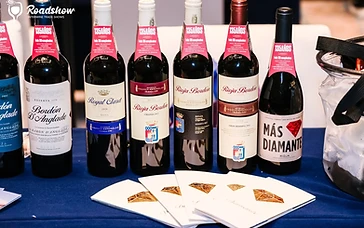
Chinese Wine Consumer Trends
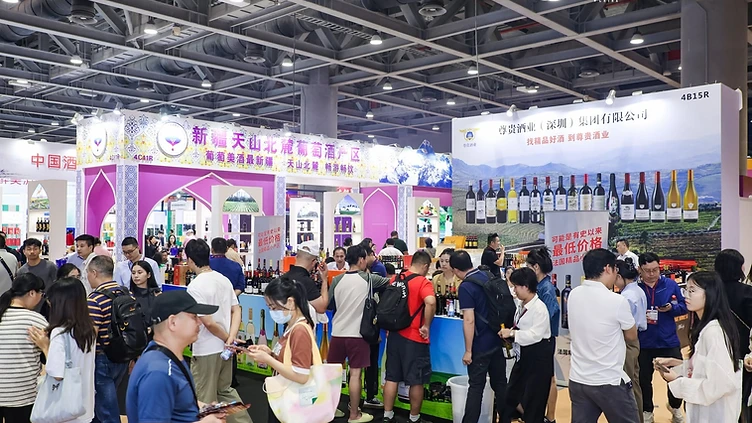
A commercial analysis of evolving Chinese wine consumer trends, examining demographic shifts, white and sparkling growth, omnichannel digital sales, and verified routes to qualified distributors.
China’s wine market is undergoing a structural transformation from banquet-driven, volume-centric purchasing to value-driven, individual lifestyle consumption. For international wineries and brand owners, navigating this transition requires departing from legacy assumptions of uniform red-wine dominance and speculative mass-container importing. According to academic research published by Professor Kym Anderson in the Journal of Wine Economics (2023), China's wine share of domestic alcohol consumption contracted significantly following its mid-2010s peaks, rationalizing excessive speculative inventory across domestic channels. Concurrently, data compiled in China Briefing (2024) and Vinetur (2025) illustrates that while overall import volumes compressed—with retail value stabilizing near $26.8 billion—average per-bottle value and direct-to-consumer digital conversion expanded at double-digit paces.
Succeeding in this landscape demands an acute understanding of localized consumer cohorts, evolving varietal palates, e-commerce dynamics, and rigorous commercial matchmaking. Producers seeking sustainable distribution must align with the operational realities of Tier-1 and regional Tier-2 markets while establishing direct connections with vetted buyers through specialized platforms like Business Matching.
Demographic Transformation: The Rise of Millennial and Gen Z Drinkers
Historically, Chinese wine consumption was dominated by older corporate and institutional buyers using imported Bordeaux-style red blends for political banquets, formal business gifting, and high-status entertainment. Today, demographic data published by VVR International (2026) confirms that the core consumer base has shifted predominantly to urban professionals aged 30 to 49, with a rapidly expanding cohort of Gen Z consumers entering the category.
This demographic shift introduces three distinct operational characteristics for foreign producers:
- Shift from Status Display to Personal Enjoyment (Yueli): Traditional purchases were guided heavily by "face" (mianzi) and commercial status, favoring recognizable top-tier labels regardless of taste preference. Modern urban consumers prioritize personal gratification, dining accompaniment, and social relaxation at home or in concept bistros.
- Female Purchasing Empowerment: Educated female consumers in metropolitan centers represent one of the fastest-growing wine-buying segments in mainland China. Their purchasing patterns emphasize approachable fruit profiles, low-tannin reds, aromatic white varietals, and aesthetic packaging that reflects personal taste.
- De-Westernized Wine Education: Consumers no longer rely strictly on European sommelier traditions. Instead, they seek localized cultural narratives, digital micro-tasting guides on social platforms, and clear, authentic Chinese brand names registered specifically for mainland trade.
To review broader macro intelligence on regional demand shifts, exporters can review our curated Market Insights section.
Diversification Beyond Dry Red: White, Sparkling, and Low-Intervention Wines
For decades, heavy dry red wine accounted for over 80% of imported volume due to cultural associations of the color red with prosperity and health. While structured Cabernet Sauvignon and Merlot remain foundational, taste preferences are diversifying rapidly across modern retail and on-premise venues.
According to trade survey results published in the ProWine Business Report (2025), 52% of surveyed merchants anticipated softening demand for standard bulk still reds, projecting instead the strongest category growth in sparkling wines, crisp still whites (such as Riesling, Sauvignon Blanc, and unoaked Chardonnay), and low-alcohol or low-intervention offerings. Driven by urban dining culture—where lighter wines harmonize with regional cuisines such as Cantonese, Huaiyang, and seafood-heavy coastal dishes—white and sparkling formats are gaining steady market share.
Simultaneously, the rise of domestic production hubs like the Ningxia Helan Mountain East Foothills and Yunnan—which, as highlighted by Daxue Consulting (2026), receive millions of wine-tourist visits annually—has made consumers more attuned to specific terroir, minimal intervention, and transparent viticultural practices. International producers offering organic, biodynamic, or estate-bottled narratives have a distinct advantage if their regional story is clearly translated to local distribution channels.
Omnichannel Distribution: E-Commerce, Live Streaming, and Instant Retail
Traditional three-tier wholesale models have been augmented by high-velocity omnichannel digital commerce. The International Wine and Spirits Research (IWSR), cited in China Briefing (2024), projected that China's online alcohol sales will expand at a 6% compound annual growth rate through 2027, with China accounting for roughly 40% of global alcohol e-commerce market value.
Contemporary Chinese consumer acquisition relies on four interconnected commercial pillars:
- Social Commerce Platforms: WeChat Mini-Programs, Xiaohongshu (RED), and Douyin have evolved into essential discovery hubs. Content-driven short video and educational live streams directly convert casual viewers into purchasers.
- Key Opinion Leader (KOL) and KOC Marketing: Consumers place higher trust in specialized wine influencers and Key Opinion Consumers (KOCs) who communicate flavor profiles through accessible domestic food pairings rather than technical viticultural terminology.
- Instant Retail (O2O): Platforms like Meituan, Ele.me, and JD Daojia allow consumers to order imported wine for delivery within 30 to 45 minutes, fueling spontaneous weekend purchases and casual dining occasions.
- Authenticity and Anti-Counterfeiting: Young Chinese buyers actively scan QR codes on back-labels to verify customs clearance records, bottling dates, and geographic indications. Transparent traceability is critical to securing consumer trust.
Wineries planning product launches should read coverage of recent retail partnerships in our News and Magazine archive.
Strategic Decisions and Commercial Risk Management
Expanding into China requires structured risk mitigation. Following the formal removal of punitive anti-dumping tariffs on Australian wine in early 2024, competitive dynamics among foreign origins intensified significantly. Wineries from France, Chile, Italy, Spain, and Oceania now compete aggressively for shelf space and distributor attention in a consolidating market.
To navigate these risks, producers must implement three commercial safeguards:
1. Trademark Protection and Dual Branding
Register your Latin brand name and a phonetically or semantically resonant Chinese trademark directly with the China National Intellectual Property Administration (CNIPA) before shipping samples. Dual-name branding preserves brand equity and prevents unauthorized distributor squatting.
2. Tiered Pricing and Margin Discipline
Online price erosion is a major cause of commercial failure. Selling through discount e-commerce channels without protecting wholesale minimum advertised prices (MAP) alienates brick-and-mortar regional distributors. Structure your SKU architecture so that e-commerce exclusives, gift-box selections, and on-premise restaurant allocations do not cannibalize one another.
3. Vetting Distribution Partners
Rather than executing non-exclusive agreements with traders lacking active cold-chain warehousing or retail relationships, brands should conduct face-to-face commercial diligence. Engaging qualified regional buyers through pre-screened Business Matching mitigates payment default risks and ensures placement in suitable provincial sales networks.
Positioning for Commercial Success in China
China’s wine sector has evolved past speculative buying into a mature, brand-conscious market. Sustainable success requires wineries to adapt packaging, embrace digital narratives, and select distribution partners with genuine execution capabilities across on-premise and off-premise channels.
Producers seeking qualified, pre-screened importers, regional wholesalers, and specialized e-commerce operators should connect directly with INTERWINE’s trade team through our dedicated Business Matching services or explore exhibiting at our upcoming trade fairs to establish direct, long-term commercial distribution across Greater China.
Sources
- Journal of Wine Economics (2023): Kym Anderson, What's Happened to the Wine Market in China?, URL: https://wine-economics.org/wp-content/uploads/2023/10/5-Vol-18-Issue-No-2-Whats-happened-to-the-wine-market-in-China-by-Kym-Anderson.pdf
- China Briefing (2024): Dezan Shira & Associates, China's Wine Market Outlook: Trends and Opportunities, URL: https://www.china-briefing.com/news/chinas-wine-market-outlook-trends-and-opportunities/
- Vinetur (2025): Wine Business Insights, China’s Wine Consumption Shifts Toward Premium Bottles and Digital Sales, URL: https://www.vinetur.com/en/2025110693052/chinas-wine-consumption-plunges-25-as-industry-shifts-toward-premium-bottles-and-digital-sales.html
- VVR International (2026): Market Analysis, The Chinese Wine Market in 2026: Trends and Consumption, URL: https://www.vvrinternational.com/en/the-chinese-wine-market-in-2026-trends-and-consumption
- Daxue Consulting (2026): Consumer Research Report, Chinese Wine Market: How Consumers Are Drinking Differently, URL: https://daxueconsulting.com/chinese-wine-market/
Key Takeaways
- —China's wine consumption has structurally transitioned from formal government banqueting to individual, casual lifestyle occasions driven by consumers aged 30 to 49.
- —While dry reds retain core volume, white wine, sparkling varieties, and low-intervention labels are demonstrating the fastest percentage growth among urban professionals and female buyers.
- —Digital sales and instant retail (O2O) dominate transaction channels, with IWSR projecting China's alcohol e-commerce to capture 40% of the global online market by 2027.
- —Brand registration with CNIPA and strict online MAP enforcement are mandatory to avoid trademark squatting and price cannibalization.
- —Direct commercial matchmaking at trade fairs remains the most reliable method to vet regional distributors and bypass speculative intermediaries.
Frequently Asked Questions
What grape varietals and wine styles are gaining popularity in China?
While traditional Cabernet Sauvignon and Bordeaux-style reds remain standard, crisp white wines (such as Riesling, Sauvignon Blanc, and unoaked Chardonnay) and sparkling wines are seeing the highest growth rates. This diversification is driven by younger female drinkers and pairings with lighter regional Chinese cuisines.
How important is e-commerce compared to traditional retail in China?
E-commerce is critical; China is the world's largest online alcohol market. According to IWSR research cited in China Briefing (2024), China accounts for roughly 40% of global alcohol e-commerce value, with social platforms like Douyin and instant retail platforms like Meituan enabling 30-minute doorstep delivery.
What is the primary risk foreign wineries face when entering the Chinese market?
The most significant commercial risks include trademark squatting if Chinese trademarks are not registered prior to export, and online price dumping, which damages margins and leads traditional provincial distributors to abandon the brand.
How do Chinese consumers verify the authenticity of imported wines?
Consumers and corporate procurement buyers rely on mandatory back-label CIQ compliance stickers and trackable QR codes linked to customs declarations, ensuring bottles are genuine and have been shipped through authenticated cold-chain networks.
How can an international winery find vetted distributors in China?
Wineries should avoid speculative bulk traders and engage directly with pre-screened importers through targeted B2B platforms such as INTERWINE's specialized Business Matching service and physical trade exhibitions.