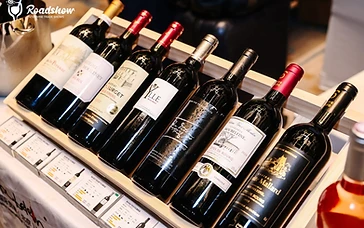
Most Popular Wine Categories in China

A commercial analysis of China's leading wine categories—from traditional full-bodied reds to burgeoning white, sparkling, and sweet segments—tailored for international producers entering the market.
China's wine import landscape is undergoing a decisive structural evolution. The domestic wine market reached an estimated valuation of $57.25 billion in 2024 according to Deep Market Insights (2026), shifting away from uncalibrated volume pushes toward segmented, value-driven consumption. While full-bodied still reds retain their foundational position across traditional banqueting and formal corporate gifting, urban consumer demand has diversified rapidly. Expanding middle-class demographics, increased female purchasing power, and evolving culinary habits have fueled double-digit growth in white wine, sparkling varieties, and regional specialty styles. For international wineries seeking commercial expansion, identifying which wine styles align with regional consumer palates and modern distribution channels is the first step toward building a resilient market footprint.
1. Still Red Wine: The Enduring Market Anchor
Still red wine remains the predominant category in mainland China, representing the largest single product type by revenue, with still wine overall registering $25.63 billion in 2024 per Deep Market Insights (2026). The cultural symbolism of red wine—associated with good fortune, health benefits in traditional lifestyle philosophy, and formal respect—sustains its dominance in high-stakes corporate dining and Chinese New Year gifting.
Cabernet Sauvignon and Bordeaux Blends
Bordeaux blends and classic Cabernet Sauvignon continue to set the benchmark for prestige among tier-one and tier-two city distributors. Consumers associate structured tannins and French oak aging with luxury and authentic winemaking pedigree. International producers competing in this segment must note that price accessibility in corporate banquets has tightened; mid-range to premium labels retailing between RMB 150 and RMB 400 are increasingly outperforming speculative ultra-luxury bottles in commercial turnover.
Shiraz and Bold New World Varietals
Australia's full re-entry into the Chinese market following the removal of import tariffs in March 2024 triggered immediate trade realignments. According to industry analysis by Jane Anson (2025), Australian wine import values surged from under AUD 10 million in 2023 to more than AUD 500 million in 2024, re-establishing Australian Shiraz as a dominant commercial competitor. Ripe, fruit-forward profiles with soft tannins from regions such as the Barossa Valley and McLaren Vale integrate smoothly with northern Chinese cuisines, barbecue concepts, and casual social dinners.
Marselan: The Localized Flagship
Marselan, originally a French cross of Cabernet Sauvignon and Grenache, has evolved into China’s de facto domestic hallmark across Ningxia and Hebei. International brand owners like Treasury Wine Estates have integrated Ningxia Marselan into flagship lines such as Penfolds CWT 521, as evaluated by JamesSuckling.com (2024). Foreign wineries offering Marselan-based blends or similar dark-fruit, low-astringency Mediterranean profiles find immediate resonance among progressive regional buyers seeking modern portfolio diversity.
2. White Wine: The Fastest Accelerating Category
Historically relegated to less than 10% of total volume, white wine has emerged as the premier growth driver among younger, educated metropolitan drinkers. Shifting culinary patterns, particularly in coastal hubs like Shanghai, Guangzhou, and Shenzhen, emphasize lighter regional dishes, seafood, and Cantonese fare, driving strong consumption migration.
Crisp Aromatic Whites: Sauvignon Blanc and Riesling
Dry, high-acid, aromatic white wines are capturing market share from traditional red banquet wines. Marlborough Sauvignon Blanc and German or Alsatian Riesling have established strong followings via wine bars, independent bistros, and specialized e-commerce. Chinese consumers increasingly prioritize fresh citrus notes, mineral clarity, and food compatibility over overt oak extraction.
Chardonnay: The Versatile Bridge
Chardonnay occupies two strategic tiers in China: unoaked, entry-level expressions marketed to early-stage drinkers looking for clean fruit, and premium, lightly oaked styles favored by sommeliers in top-tier hotels and Michelin-recognized restaurants. Wineries offering balanced Chardonnays with transparent geographic typicity can secure stable placement across on-premise dining groups.
3. Sparkling Wine: Celebration, Nightlife, and Casual Socializing
Sparkling wine represents an evolving category fueled by urbanization, modern cocktail culture, and evening social rituals. While Champagne retains its high-prestige grip on elite corporate entertaining and nightclub VIP tables, Italian Prosecco, Spanish Cava, and New World traditional method sparklers are expanding access in tier-two and tier-three consumer markets.
According to analysis published by China Briefing (2025), specialized promotional efforts, such as the Consorzio Franciacorta’s Chinese-language masterclasses and targeted brand localization, highlight how high-end regional sparkling categories can capture long-term sommelier mindshare. Sparklers priced under RMB 200 find increasing traction among Gen Z and female demographics as alternatives to heavy baijiu or high-alcohol spirits during weekend gatherings.
4. Sweet and Low-Alcohol Wines: The Lifestyle Phenomenon
One of the most consequential trends reshaping China's retail sales is the expansion of low-alcohol, aromatic, and off-dry styles. As detailed by China Briefing (2025), online channels such as Douyin and Xiaohongshu (RED) have seen explosive interest in "girly wines" (微醺, or "slight intoxication" lifestyle drinks).
- Moscato d'Asti: Retains an unshakeable lead in off-dry categories due to its gentle spritz, lower alcohol (typically 5–5.5% ABV), and pronounced floral-peach aromas. It represents one of the easiest introductory touchpoints for first-time wine consumers.
- Late Harvest and Noble Rot Wines: French Sauternes, Hungarian Tokaji, and German Eiswein enjoy elevated status in gifting segments, prized for their rich gold coloration, elegant packaging, and high residual sugar that complements traditional sweet pastries and regional teas.
5. Strategic Commercial Sourcing and Matchmaking
Navigating China’s fragmented distributor networks requires targeted positioning. Rather than attempting a broad nationwide rollout, foreign producers should match specific wine categories to targeted geographic channels:
- Southern and Coastal Provinces (Guangdong, Zhejiang, Fujian): High receptivity to chilled white wines, premium sparkling labels, and lighter organic/natural reds.
- Northern and Inland Provinces (Beijing, Shandong, Sichuan, Shaanxi): Sustained demand for robust red wines, rich oak aging, and high-ABV structured profiles suited to heavy dining protocols.
- Omnichannel and Social E-commerce: The International Wine and Spirits Research (IWSR) projects China’s beverage alcohol e-commerce to expand at a 6% CAGR from 2022 to 2027, achieving a 40% global share of online alcohol transactions as reported by China Briefing (2025). Producers must align their packaging and single-bottle logistics for digital-first distribution.
To establish reliable commercial distribution without costly intermediary delays, international wine brands utilize professional trade exhibitions and structured B2B channels. Engaging directly through Business Matching enables overseas wineries to sit down face-to-face with verified national importers, regional tier-two distributors, and hospitality beverage buyers. Reviewing updated Market Insights prior to entry ensures labeling compliance, tariff readiness, and accurate consumer targeting, while consulting the latest News and Magazine updates clarifies operational guidelines for regional market access.
Conclusion
While still red wine—led by Cabernet blends and resurrected Australian Shiraz—remains the revenue cornerstone of China's wine market, consumer diversification toward white, sparkling, and sweet expressions is transforming the commercial landscape. Success in mainland China no longer depends on brand name alone, but on matching clear varietal flavor profiles to distinct drinking occasions, consumer demographics, and distribution models.
Sources
- Deep Market Insights: China Wine Market Size, Trends & Forecast Analysis (2025-2033)
- Jane Anson: Market Insights: Chinese wine industry in 2025
- China Briefing: China's Wine Market Outlook: Trends and Opportunities (2025)
- JamesSuckling.com: Top 100 Wines of China 2024
Key Takeaways
- —Still red wine remains China's largest category, accounting for more than $25 billion of the market, but purchasing criteria have pivoted from conspicuous luxury to value-driven corporate and personal consumption.
- —White wine is the fastest-growing volume segment in coastal metropolises, propelled by younger consumers, seafood-rich regional cuisines, and modern urban bistro culture.
- —The removal of punitive tariffs on Australian wine in March 2024 reshuffled import dynamics, with Australian import values rebounding above AUD 500 million within the year.
- —Sparkling and sweet wines—notably Moscato d'Asti, Prosecco, and off-dry aromatics—are dominant acquisition categories across Chinese e-commerce and live-stream retail platforms.
- —Producers entering China must target specific regional dining cultures and utilize direct B2B business matching to connect with verified importers.
Frequently Asked Questions
Which wine category holds the largest market share in China?
Still red wine holds the overwhelming majority of the market by volume and value, representing more than $25 billion in annual retail turnover according to Deep Market Insights (2026). Cabernet Sauvignon, Bordeaux-style blends, and Shiraz dominate formal banquets, gifting, and corporate hospitality.
Why is white wine gaining market share in tier-one Chinese cities?
White wine growth is propelled by younger demographic adoption, female purchasing trends, and dining compatibility with coastal Chinese cuisines like Cantonese and Shanghainese seafood. Crisp, aromatic varieties like Sauvignon Blanc and Riesling are favored in wine bars and modern restaurants.
How did the 2024 tariff lift impact Australian wine in China?
China lifted punitive tariffs on Australian wine imports in March 2024. As reported by Jane Anson (2025), import values jumped from under AUD 10 million in 2023 to more than AUD 500 million in 2024, quickly restoring Australian Shiraz and Cabernet to prominent shelf spaces.
What role do sweet and low-alcohol wines play in Chinese retail channels?
Sweet and low-ABV styles like Moscato d'Asti and late-harvest whites represent key introductory beverages for new wine drinkers, particularly on digital platforms like Douyin and Xiaohongshu, where light social drinking and gifting drive strong sales.
How can foreign wineries find qualified importers for specific wine styles in China?
Foreign producers can leverage targeted trade exhibitions and pre-vetted B2B services like Interwine's Business Matching platform to connect directly with national distributors, regional sub-dealers, and hospitality beverage directors seeking specific varietals.