How Croatian Wineries Can Find Importers in China
A commercial roadmap for Croatian wine producers looking to enter China, covering GACC compliance, pricing models, importer selection, and B2B trade platforms.
To successfully find and secure wine importers in China, Croatian wineries must shift from generic export outreach to an intentional, compliance-first route-to-market strategy. Breaking into mainland China requires navigating General Administration of Customs of China (GACC) facility registrations, designing pricing structures that withstand roughly 50% in combined customs tariffs and domestic consumption taxes, and presenting indigenous varietals like Plavac Mali, Graševina, and Pošip through curated, high-touch B2B channels. Rather than attempting to compete on low-cost volume against established bulk suppliers, boutique and premium Croatian estates win commercial placement by partnering with specialized regional distributors, leveraging targeted industry platforms, and participating in structured business matching.
The Commercial Opportunity: Why Croatian Wine Fits China's Shifting Palate
China’s wine consumption landscape has matured substantially. Mass volume imports have contracted, while interest in premiumization, discovery terroirs, and authentic boutique stories has increased. Croatian producers cannot and should not attempt to match the industrial shipping volumes of large New World producers. Instead, the strategic opening for Croatia lies in high-margin niches: fine-dining establishments, dedicated wine bistros, private client networks, and specialty regional distributors across tier-1 and leading tier-2 commercial hubs like Guangzhou, Shenzhen, Shanghai, and Chengdu.
Croatian viticulture offers three compelling narrative pillars that appeal directly to discerning Chinese trade buyers:
- Authentic Heritage and Native Cultivars: Indigenous grape varieties provide an antidote to market saturation. Plavac Mali offers the power, robust fruit concentration, and firm structure traditionally favored by seasoned red wine drinkers, while also providing a fascinating narrative hook as the direct ancestor to Zinfandel (Crljenak Kaštelanski). Simultaneously, vibrant coastal whites like Pošip and Malvazija Istarska match the sophisticated dining scenes of South China, pairing naturally with Cantonese seafood traditions.
- Purity and Ecological Credentials: Chinese consumers increasingly associate premium European agricultural products with pristine environments. Croatia’s Mediterranean microclimates, organic coastal farming, and Dalmatian terraced vineyards provide powerful visual and storytelling assets for digital brand building on channels like WeChat.
- Exclusivity and Portfolio Differentiation: Tier-2 and tier-3 importers often struggle to differentiate their portfolios when stocking the same generic French or Australian labels carried by national wholesalers. A curated Croatian portfolio gives an importer distinct territory exclusivity and margin protection.
Overcoming Regulatory Hurdles: GACC Decree 248 and Labeling Protocols
Commercial access to China's wine market is impossible without meticulous regulatory compliance. Chinese customs authorities enforce zero tolerance for administrative discrepancies.
Mandatory GACC Registration
Under GACC Decree 248, implemented by the General Administration of Customs of China, all overseas food and beverage manufacturing, processing, and storage facilities must be formally registered prior to customs clearance. Croatian wineries must ensure that every facility involved in production, bottling, and storage completes registration on the official GACC Single Window portal (CIFER system) to secure an official Chinese registration number. As mandated by customs enforcement, this registration number must appear on the exterior shipping packaging and on the back label. Shipments arriving without verified registration encounter immediate border detention or forced return at the producer's expense.
Chinese Back Labels and Product Testing
Every bottle imported through standard B2B trade channels must feature a compliant simplified Chinese back label. This label can be affixed before departure or in an authorized bonded warehouse prior to final clearance. Crucial elements include:
- Standardized Chinese product classification (e.g., dry red wine / 干红葡萄酒)
- Ingredients and allergens (such as sulfur dioxide / 二氧化硫)
- Nominal volume and actual alcohol percentage by volume (ABV)
- Bottling date and production batch numbers
- Full contact details of the licensed Chinese importer and distributor
- Mandatory health warning statements
Laboratory testing certificates (analyzing levels of sulfur dioxide, sugar, total dry extract, and heavy metals) must precisely align with the parameters declared on documentation submitted to China Inspection and Quarantine (CIQ).
Commercial Mathematics: Landed Cost and Pricing Strategy
Setting an unrealistic pricing model is one of the most frequent errors European boutique wineries make when approaching China. A winery quoting ex-cellar (EXW) or free-on-board (FOB) prices must understand how local duty architecture translates to shelf pricing.
According to Best Wine Importers' 2026 market analysis, standard imported bottled still wines into China face cumulative fiscal charges totaling approximately 50% over the Cost, Insurance, and Freight (CIF) value:
- Import Duty: 14% (Most-Favored-Nation rate applied to EU goods)
- Consumption/Excise Tax: 10%
- Value-Added Tax (VAT): 13%
Because these duties compound, a bottle sold at an FOB price of €6.00 often reaches a landed CIF cost of roughly €6.60, immediately scaling to approximately €9.90 after customs release. When the importing distributor, secondary regional sub-distributor, and restaurant or retail venue integrate standard operating margins (varying from 25% to 50% per tier), the final retail or wine-list price quickly reaches 3 to 4 times the initial FOB price. Croatian wineries must conduct realistic margin simulations to guarantee that native varieties remain competitive within premium and super-premium segments rather than pricing themselves out of consideration.
Identifying and Qualifying Potential Importers
China’s wine import ecosystem comprises distinct tiers. Attempting to partner with mega-importers like ASC Fine Wines or Summergate right out of the gate is rarely viable for small-to-midsize Croatian estates; such conglomerates require immense scale, sustained promotional budgets, and high consumer awareness.
Instead, Croatian producers should target:
- Independent Fine Wine Merchants: Boutique importers operating in major coastal metropolitan areas who specialize in niche European discoveries and supply private wine clubs and sommelier accounts.
- Regional Tier-2 & Tier-3 Distributors: Mid-tier distributors across provinces like Guangdong, Zhejiang, and Jiangsu seeking exclusive regional distribution rights to avoid price-slashing wars common with ubiquitous global brands.
- HORECA Specialists: Wholesalers with direct distribution pipelines into five-star hospitality chains, Western-style bistros, and coastal luxury gastronomy.
Prior to signing commercial contracts or granting exclusivity, wineries must verify an importer's valid alcohol business distribution license, evaluate their physical cold-chain warehousing capabilities (critical during humid summer months in South China), and assess their sales team's capability to educate trade buyers on unfamiliar European terroirs.
Accelerating Commercial Entry Through Physical Trade Fairs
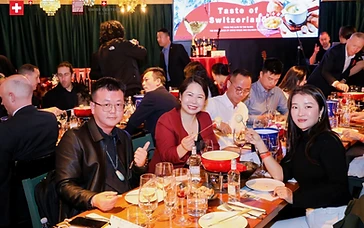
Because wine remains fundamentally an experiential and relationship-driven product in Asian commerce, remote outreach rarely yields binding purchase orders. Building guanxi (mutual trust and commitment) requires face-to-face engagements, structured tastings, and personal executive introductions.
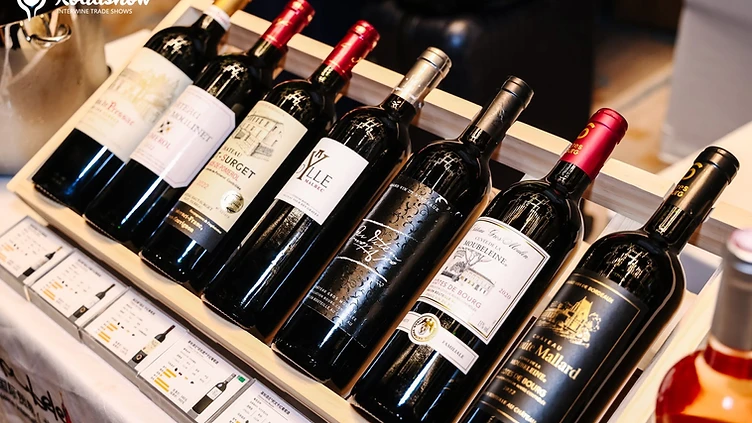
Participating directly in specialized trade exhibitions provides the shortest route to vetted trade contacts. Rather than embarking on expensive, unguided commercial trips across multiple provinces, wine exporters can become an exhibitor at targeted professional wine and spirits expos like INTERWINE in Guangzhou. As the economic anchor of the Greater Bay Area, South China represents one of the country's most dynamic fine wine distribution hubs.
To maximize return on investment, producers should combine standard booth displays with specialized initiatives:
- Structured Masterclasses: Partnering with accredited local educators or sommeliers to guide high-value buyers through a structured flight of Croatian terroirs (such as comparing Slavonian Graševina with Dalmatian Dingač).
- Pre-Arranged Business Matching: Leveraging formal organizer matching platforms to arrange scheduled, face-to-face B2B meetings with commercial buyers looking specifically for Central and Eastern European portfolios.
- Industry Intelligence Gathering: Reviewing real-time market behavior and competitor shelf presence through curated Market Insights to calibrate pricing and portfolio mix on the ground.
Strategic Next Steps for Export Associations and Wineries
Croatian wineries and regional export bodies looking to establish a sustainable commercial foothold in China should execute against the following roadmap:
- Audit GACC Readiness: Finalize and verify facility registration numbers across all associated vinification and warehousing operations.
- Develop Brand Collateral in Simplified Chinese: Create digital specification sheets, brand stories, and tasting notes tailored for mobile distribution via WeChat.
- Engage Professional On-the-Ground Trade Channels: Select dedicated industry gatherings in commercial epicenters to debut vintages directly to authorized importers.
By uniting regulatory compliance with realistic pricing mathematics and focused commercial matching, Croatian producers can build high-margin distribution channels across China's evolving wine landscape.
Sources
- Best Wine Importers (2026), A Wine Exporter's Guide to Finding Buyers in China and Working with Chinese Wine Importers, https://www.bestwineimporters.com/fr/blog/resources/a-wine-exporters-guide-to-finding-buyers-in-china-and-working-with-chinese-wine-importers/
- General Administration of Customs of China (GACC) / OT.gr Regulatory Analysis (2026), Wine - How to export to China - Changes, https://www.ot.gr/2022/01/10/english-edition/wine-how-to-export-to-china-changes
- Vino Joy News (2024), Here Are China's 50 Top Wine Importers, https://vino-joy.com/2024/05/27/here-are-chinas-50-top-wine-importers/
- MS Advisory (2025), Wine Market in China: Trends, Growth, and Consumer Preferences, https://msadvisory.com/wine-market-in-china/
Key Takeaways
- —Prioritize mandatory GACC Decree 248 facility registration and simplified Chinese label compliance before shipping any inventory.
- —Calculate pricing backwards from retail shelves, incorporating the ~50% cumulative customs duty, VAT, and excise tax applied to CIF values.
- —Focus portfolio narratives on indigenous Croatian cultivars like Plavac Mali, Graševina, and Pošip to avoid direct price wars with mass-volume bulk producers.
- —Target specialized boutique importers and regional fine-wine distributors rather than monolithic national conglomerates.
- —Leverage professional exhibition platforms and structured B2B business matching in commercial trading hubs like Guangzhou to build essential trade trust.
Frequently Asked Questions
What registrations must a Croatian winery obtain before exporting to China?
All Croatian wineries must register their production, processing, and storage facilities with the General Administration of Customs of China (GACC) under Decree 248 via the CIFER platform. The assigned registration number must be printed on both outer packaging and Chinese back labels before clearing customs.
How are import taxes and duties calculated on European wine entering China?
Bottled wine imported from the EU is subject to an MFN import tariff of 14%, a consumption tax of 10%, and a value-added tax (VAT) of 13%. When compounded, these fiscal charges add approximately 50% on top of the CIF (Cost, Insurance, and Freight) value of the shipment.
Which Croatian grape varieties have the strongest commercial appeal in China?
Plavac Mali appeals strongly to seasoned red wine consumers due to its bold structure, high concentration, and genetic relationship to Zinfandel. For white wines, aromatic and structured varietals such as Pošip and Malvazija Istarska are gaining traction in coastal gastronomical hubs such as Guangzhou and Shanghai.
Should Croatian producers seek nationwide exclusivity with a single importer?
Generally, no. Given China's vast geographical scale and fragmented regional market dynamics, boutique producers often benefit more by working with regional distributors who have dedicated channel dominance across specific provinces (such as Guangdong, Zhejiang, or Sichuan) rather than granting blanket national rights to an uncommitted partner.
How can Croatian wineries meet qualified Chinese wine buyers face-to-face?
Wineries can participate in major professional trade exhibitions, such as INTERWINE in South China, which offer dedicated B2B business-matching sessions, regional masterclasses, and pre-screened meetings with licensed importers and distributors.