Sparkling Wine Distribution Opportunities in the Chinese Market
A commercial analysis of sparkling wine distribution opportunities in the Chinese market, covering volume surges, channel shift from banquets to bistro culture, tariff landscape, and verified routes to top-tier importers.
Sparkling wine represents the most resilient growth pocket in China’s evolving beverage alcohol sector. While overall imported still wine has experienced sustained contraction due to changing consumer habits and reduced corporate banqueting, effervescent wines—spanning Prosecco, Cava, Asti, Crémant, Champagne, and new-world traditional method sparkling—are demonstrating counter-cyclical momentum. Capitalizing on sparkling wine distribution opportunities in the Chinese market requires international wineries and brand owners to adapt their go-to-market architecture away from legacy gift-giving channels and toward casual dining, female-led retail, and experiential on-premise venues.
The Shift in Market Fundamentals: Volume Growth vs. Value Correction
According to market research published by the IWSR in 2025, sparkling wine sales in China expanded by 10% in volume during 2024, standing out against a 9% contraction in still wine volume and a 5% drop across the broader total beverage alcohol sector. This upward trend carried into official import activity recorded by China Customs in 2024, which documented 6.69 million liters of sparkling wine entering mainland ports—a 13.23% year-on-year increase. Import momentum extended further into early 2025, with China Customs data showing sparkling wine shipments rising 18.81% year-on-year between January and May 2025 to 2.83 million liters.
However, international commercial directors must note the pricing dynamics: while import volumes rose 13.23% in 2024, total sparkling wine import value fell 14.36% to US$ 67.2 million. This value adjustment reflects a macro transition. The historic dependence on ultra-prestige Champagne in high-end nightclubs and corporate gifting has shifted toward approachable sparkling wines—such as Italian Prosecco, Spanish Cava, and quality frizzante styles. Importers are clearing stock faster and repurchasing entry-to-premium everyday sparkling options tailored to direct consumer consumption.
Decoding Consumer Drivers: Why Chinese Consumers Are Choosing Bubbles
To build a viable distribution strategy, brand owners must understand the cultural and behavioral drivers altering domestic consumption patterns:
- Casual and Solo Consumption Replacing Formal Banquets: Traditionally, wine sales in China depended heavily on formal business dinners dominated by full-bodied red wines and high-proof Baijiu. As IWSR research highlighted in 2025, business entertaining has scaled back under macroeconomic pressure, making personal, casual, and home drinking the primary use cases.
- The Female Economy (She-Economy): Young urban professional women represent a powerful purchasing demographic for sparkling wine. Crisp acidity, lower perceived alcohol content, aromatics (such as Moscato d’Asti), and aesthetically refined label design appeal directly to female consumers hosting private gatherings or unwinding at home.
- Modern Bistro Culture and Contemporary Gastronomy: In Tier-1 and emerging Tier-2 metropolises like Shanghai, Shenzhen, Chengdu, and Hangzhou, natural wine bars, Western-style casual bistros, and creative fusion dining rooms prioritize versatile sparkling wines by the glass and bottle. As reported by VVR International in 2026, concept-driven bars and interactive dining experiences have become foundational distribution channels for imported wine brands targeting younger legal-drinking-age consumers.
Tariffs, Regulatory Frameworks, and Cross-Border Compliance
Navigating China’s customs environment is critical for foreign sparkling wine producers attempting to establish a viable supply chain.
- Tariff Divergence: Australia saw its punitive anti-dumping duties formally lifted by the Ministry of Commerce (MOFCOM) on March 29, 2024, restoring a 0% tariff baseline for Australian wine under the China-Australia Free Trade Agreement (ChAFTA), as documented by MS Advisory in 2026. Chilean and New Zealand wines also enjoy 0% tariff privileges through respective FTAs. Conversely, European Union and Most-Favored-Nation (MFN) sparkling wines face basic customs tariffs ranging between 14% and 30%, in addition to a standard 13% Value-Added Tax (VAT) and a 10% Consumption Tax applied at entry.
- Customs Registration (GACC Decree 248): All overseas alcoholic beverage production and bottling facilities must maintain active registration with the General Administration of Customs of China (GACC) via the China Import Food Enterprise Registration system. Shipments lacking registered manufacturer codes on inner and outer packaging risk immediate seizure or customs return.
- Labeling Standards (GB 7718 & GB 2758): Back labels must comply with Chinese National Food Safety Standards, detailing mandatory Chinese declarations including net volume, alcohol by volume (ABV), grape varieties, importer/distributor contact details, shelf-life indicators, warning statements, and explicit declarations of sulfur dioxide or other additives.
For an in-depth breakdown of operational requirements and import compliance protocols, consult our detailed guide in Market Insights.
High-Growth Distribution Channels for Sparkling Wine
Producers seeking market penetration must align their product positioning with channels actively moving sparkling inventory:
1. On-Premise: Urban Bistros, Lounges, and Western Casual Dining
Nightclubs and traditional banqueting halls are no longer the exclusive gatekeepers of sparkling wine. The fastest replenishment occurs across boutique dining, oyster bars, hotel terrace brunches, and independent wine bars. Mid-priced sparkling wines that deliver fresh fruit expression and crisp palate weight allow on-premise operators to secure healthy by-the-glass margins.
2. Digital Direct-to-Consumer & Social Commerce
Unlike traditional red wine distribution, sparkling wine adoption is deeply integrated with digital lifestyle content. Channels such as Douyin (TikTok), Xiaohongshu (RED), and WeChat Mini-Programs allow brands to communicate chilling instructions, food pairings (such as pairing acidity with spicy Sichuan cuisine or Cantonese dim sum), and glassware etiquette. Regional distributors leverage cross-border bonded warehouses to test online demand before committing to full container clearance.
3. Boutique Retail and Specialized Grocers
Chains such as Ole’, City'super, and independent bottle shops across Tier-1 and New Tier-1 cities provide prominent shelf placement for eye-catching sparkling packaging, gift boxes, and single-serve formats. Visual distinction and narrative transparency (such as bio-dynamic certification or artisanal heritage) drive offline conversion.
Strategic Steps to Secure Distribution in China
Navigating distribution partnerships requires a structured commercial process:
- Portfolio Benchmarking: Adjust price tiers to balance China's consumption tax structure. Position entry-level sparkling lines between 80 RMB and 150 RMB (US$ 11–21) retail for casual volume, while reserving premium traditional method expressions (250–500 RMB) for specialist wine clubs and connoisseur lists.
- Bilingual Brand Assets: Importers require localized digital content ready for WeChat and Xiaohongshu marketing campaigns upon customs clearance. Emphasize flavour accessibility, regional origin, and food-pairing versatility.
- In-Person Buyer Engagement: The Chinese alcohol trade prioritizes face-to-face negotiations, direct sensory evaluation, and mutual trust. Relying on remote contact rarely converts qualified Tier-1 or regional Tier-2 distributors.
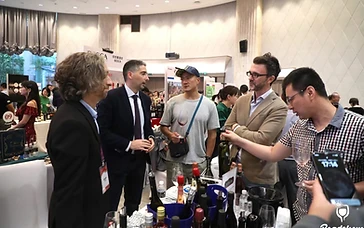
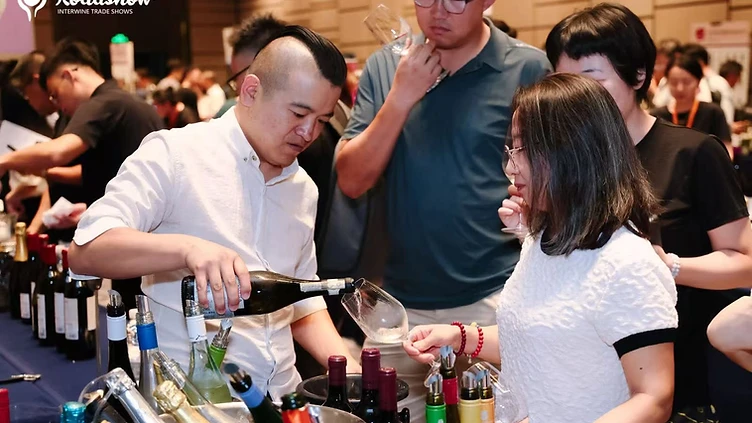
To showcase your portfolio directly to pre-screened Chinese wine importers, wholesalers, and on-premise procurement directors, apply to Become an Exhibitor at the upcoming Interwine trade fair. Exhibiting wineries can also leverage dedicated Business Matching services to secure bilateral commercial meetings with vetted buyers before stepping onto the exhibition floor.
Conclusion
While China's overall wine market is recalibrating, sparkling wine represents an actionable commercial growth frontier. By aligning portfolio pricing with casual dining culture, maintaining rigorous GACC and customs compliance, and engaging directly with dynamic regional distributors, international sparkling wine producers can turn China's evolving consumer preferences into long-term commercial returns.
Sources
- IWSR: Sparkling Wine a Rare Bright Spot in China’s Slowing Alcohol Market (2025)
- VVR International: The Chinese Wine Market in 2026: Trends and Consumption (2026)
- MS Advisory: Wine Market in China: Trends, Growth, and Consumer Behavior (2026)
Key Takeaways
- —According to the IWSR (2025), China's sparkling wine sales grew 10% by volume in 2024, outperforming a 9% decline in still wine.
- —China Customs data shows sparkling wine imports rose 13.23% in volume in 2024 (6.69M liters) and continued rising 18.81% in early 2025, driven by demand for accessible, casual styles.
- —Consumption has shifted from formal business banqueting and high-end nightlife toward the female-led 'She-Economy', casual bistros, and home drinking.
- —Australia enjoys a 0% tariff baseline following the lifting of anti-dumping duties in March 2024, while EU and MFN imports incur customs duties alongside standard VAT and Consumption taxes.
- —Direct commercial engagement via professional trade exhibitions and business matching remains the most effective route to secure verified Chinese regional distributors.
Frequently Asked Questions
What is driving the recent growth of sparkling wine in China?
Growth is primarily driven by changing lifestyle preferences among younger consumers and urban female professionals. Drinking occasions have shifted away from rigid business banquets toward casual dining, bistros, and personal social gatherings where approachable, crisp sparkling wines like Prosecco and Cava thrive.
How did sparkling wine import volumes perform in China recently?
According to China Customs data, sparkling wine import volume increased by 13.23% year-on-year in 2024 to 6.69 million liters, and gained an additional 18.81% year-on-year between January and May 2025, reflecting steady restocking of everyday and premium-casual sparkling wines.
What customs and regulatory requirements apply to sparkling wine entering China?
Foreign producers must secure production facility registration with the GACC under Decree 248, ensure labels comply with national food safety standards (GB 7718 and GB 2758), and provide accurate Chinese back labels with required allergen and additive disclosures.
Which price segments offer the highest turnover in Chinese sparkling wine distribution?
The fastest-moving retail segment spans 80 RMB to 180 RMB (US$ 11–25), catering to casual dining, bistro by-the-glass pours, and online e-commerce. High-end traditional method wines command 250 RMB and above, primarily within specialized hospitality and private collector networks.
How can foreign sparkling wine producers connect with licensed Chinese distributors?
Brand owners can meet pre-screened importers, regional distributors, and on-premise buyers by participating in Interwine trade fairs and utilizing targeted B2B business matching programs.