How to Find Sparkling Wine Importers in China
Discover how to find sparkling wine importers in China, navigate shifting channel dynamics, evaluate tier-city buyer profiles, and structure viable B2B commercial partnerships.
To find qualified sparkling wine importers in China, international producers must move away from generic wine distribution lists and target the specific trade channels driving category growth: on-premise nightlife venues, modern bistro dining, experiential retail, and social e-commerce. China's sparkling wine market is diverging sharply from still wine. According to IWSR research reported by Vino Joy News (2025), sales of sparkling wine in China climbed 10% in 2024 even as still wine volumes dropped 9% and total alcohol consumption fell 5%. Sourcing official trade metrics, China Customs reported importing 6.69 million liters of sparkling wine in 2024—a 13.23% year-on-year volume expansion—with momentum accelerating between January and May 2025 as volumes grew another 18.81% year-on-year. For sparkling wine producers, locating the right importer requires understanding who is buying, where margin structures hold, and how to verify buyers before committing inventory.
The Divergence: Why Sparkling Wine Follows a Distinct Import Model
Unlike traditional red Bordeaux or dry Australian Shiraz—which historically relied on state banquet culture, private gifting, and banquet wholesale—sparkling wine has evolved as a beverage of modern lifestyle consumption. As tracked by IWSR in 2025, commercial spending in nightlife venues and corporate entertainment has recalibrated, pushing purchasing away from prestige Champagne toward versatile, high-margin alternatives such as Prosecco, Cava, Franciacorta, and quality New World sparkling labels.
This trend creates a clear split in importer specializations:
- Nightlife & Club Distributors: Focused on brand packaging, bottle presentation, and entry-to-mid pricing that leaves healthy operating margins for on-premise nightclub operators.
- Boutique On-Premise Specialists: Curators serving Western bistros, Japanese izakayas, and independent wine bars in Tier 1 and Tier 2 hubs like Shanghai, Guangzhou, Shenzhen, Chengdu, and Hangzhou.
- Direct-to-Consumer & Social Commerce Houses: Importers running livestream broadcasts (Douyin/Xiaohongshu) or wine community platforms seeking accessible, aromatic profiles (such as Moscato d’Asti or fruit-forward spumante) directly appealing to female and Gen Z consumers.
Understanding these distinct channels dictates which prospective buyers you approach and what commercial value proposition you must bring to the table.
Core Channels to Find and Prospect Sparkling Wine Importers
1. In-Person Trade Expos and Professional Business Matching
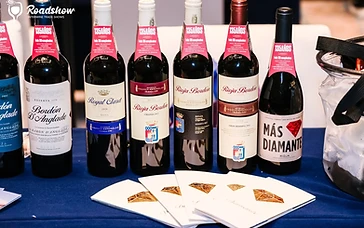
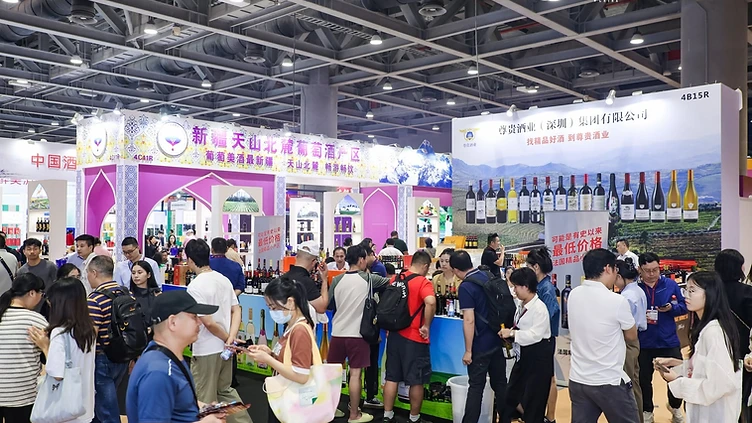
Generic cold-email outreach yields low response rates in China due to language barriers, firewall limits, and cultural preferences for direct engagement. The fastest way to establish trust (guanxi) is through specialized B2B trade platforms. Participating as an exhibitor at dedicated platforms allows wineries to interface directly with licensed beverage importers.
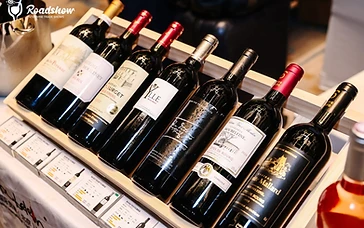
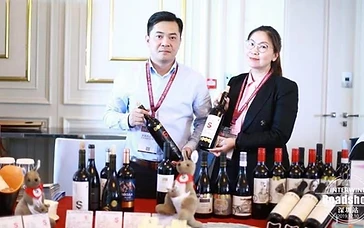
To maximize returns, producers should become an exhibitor at established commercial exhibitions, where pre-screened importers, regional wholesalers, and hotel/restaurant/cafe (HoReCa) procurement leads meet suppliers face-to-face. For brand owners planning a business trip to audit China's retail landscapes directly, registering to book your visit provides an efficient route to review current shelf pricing and competitive packaging trends. Furthermore, utilizing structured business matching services eliminates the friction of filtering unqualified intermediaries by connecting overseas producers directly with vetted importers with active alcohol distribution permits.
2. Back-Label Audits and Field Research
Under General Administration of Customs of China (GACC) regulations, every legal imported bottle sold in retail, dining, or hospitality venues must display a simplified Chinese back label. This label mandates the disclosure of the importer’s official registered name and corporate address. Conducting physical audits across high-traffic retail venues (e.g., Ole', Citysuper, Sam's Club) and specialized wine bars in cities like Shanghai and Shenzhen provides an immediate, verified roster of importers actively clearing customs for your competitive set.
3. Trade Associations and Consular Promotion Agencies
Regional promotional boards—such as Wine Australia, the Italian Trade Agency (ITA), and national trade commissions—maintain active directories of Chinese commercial partners. While these resources provide verified lists, producers must distinguish between traditional dry-wine distributors and teams with specialized temperature-controlled logistics suited for sparkling inventory.
Evaluating Prospective Importers: Due Diligence Criteria
Securing contact information is merely the initial step; the vital commercial task is vetting the buyer's financial stability, licensing, and category alignment. Prior to signing distribution agreements, producers should evaluate three core pillars:
Regulatory and Licensing Integrity
Chinese alcohol import compliance is heavily governed. The prospective partner must hold:
- An active business license (Yingye Zhizhao) with a clearly stated scope for alcoholic beverage wholesale and food distribution.
- An active Customs Registration (CR) Code and GACC food importer filing credentials.
- A proven track record with local port customs clearance (CIQ processing) to prevent delays, product quarantine, or label non-compliance issues.
Channel Distribution Reach and Regional Footprint
Given China's geographical breadth, few independent importers possess true nationwide penetration outside national state-backed giants. Importers often concentrate on distinct geographical hubs—such as East China (Shanghai, Jiangsu, Zhejiang) or South China's Greater Bay Area (Guangdong, Hong Kong, Macau). Request precise portfolio breakdowns: Does the distributor supply Tier 1 cocktail venues, regional retail chains, or localized sub-dealers? A regional specialist with deep ties into regional second-tier cities like Hangzhou, Wuhan, or Chengdu frequently delivers better volume and brand stewardship than a national player whose catalog relegates smaller producers.
Pricing Strategy and Margin Feasibility
According to trade data reported by MS Advisory (2025), imported wine is subject to compounded tariffs: Most-Favored-Nation (MFN) import tariffs (ranging from 14% to 30% depending on bilateral trade agreements and origin), a 13% Value-Added Tax (VAT), and a 10% Consumption Tax on alcohol. Cumulatively, these import taxes add roughly 50% on top of CIF costs before distributor margins, domestic logistics, and retail markups are factored in.
When pitching an importer, verify that their target shelf or on-premise list price can support: $$\text{FOB/CIF Cost} \times 1.50 (\text{Taxes}) \times 1.30 (\text{Importer Margin}) \times 1.30 (\text{Distributor Margin}) \times 1.50\text{--}2.50 (\text{Retail/HoReCa Markup})$$ If an importer requests unrealistic FOB discounts, they may lack an established premium route-to-market, increasing the risk of brand erosion in discount liquidation channels.
Structuring Commercial Terms and Avoiding Common Pitfalls
- Avoid Blanket Nationwide Exclusivity Early On: Granting exclusive national rights to an unproven partner poses serious commercial risk. Tie exclusivity to concrete, quarterly volume minimums, or restrict exclusivity by geographical zone (e.g., South China vs. North China) or channel (on-premise hospitality vs. e-commerce).
- Trademark Registration in China (CNIPA): Never enter commercial negotiations before registering your brand name and its Chinese transliteration with the China National Intellectual Property Administration. Importers or squatters can register unprotected trademarks, blocking your future shipments at customs.
- Clarity on Marketing Investment: The Chinese market demands continuous digital and experiential activation. Define clearly in commercial contracts what percentage of promotional costs (tastings, masterclasses, social media marketing) is absorbed by the importer versus shared through promotional allowances.
Conclusion: Accelerating Your Route to Market
China's expanding thirst for sparkling wine offers resilient commercial opportunities for wineries ready to move beyond traditional still-wine paradigms. Identifying the right partner requires targeted channel positioning, rigorous regulatory vetting, and sustained in-market networking. To accelerate your commercial market entry, review the latest trade shifts in Market Insights, and connect directly with qualified, active Chinese wine buyers by registering to become an exhibitor at Interwine.
Sources
- Vino Joy News: IWSR Sparkling Wine a Rare Bright Spot in China's Slowing Alcohol Market (2025)
- MS Advisory: Wine Market in China: Trends, Growth, and Consumer Preferences (2025)
- BestWineImporters: A Wine Exporter’s Guide to Finding Buyers in China (2026)
Key Takeaways
- —Sparkling wine import volumes expanded 13.23% in 2024 and 18.81% in early 2025 according to China Customs, bucking the broader contraction in still wine.
- —B2B prospecting should focus on specialized on-premise, bistro, and digital livestream buyers rather than traditional state banquet distributors.
- —Import duties, 13% VAT, and 10% consumption tax compound to add roughly 50% to CIF costs, requiring careful calculation of multi-tier distribution margins.
- —Overseas wineries must secure Chinese trademark registrations (both original and Chinese phonetic transliterations) before entering importer negotiations.
- —Direct in-person business matching and trade fairs remain the most reliable mechanisms to vet buyer credibility and build sustainable guanxi in China.
Frequently Asked Questions
Why is sparkling wine outperforming still wine imports in China?
According to 2025 IWSR findings, while corporate banqueting for expensive still wines has contracted, consumer demand has shifted toward lifestyle consumption, casual dining, and affordable nightlife entertainment where sparkling wines like Prosecco and Cava thrive.
What import taxes apply to sparkling wine entering China?
As detailed in trade data reported by MS Advisory (2025), foreign wine imports typically face standard Most-Favored-Nation (MFN) customs duties of 14% (unless reduced under specific bilateral Free Trade Agreements), 13% Value-Added Tax (VAT), and a 10% alcohol Consumption Tax, compounding to approximately 50% above CIF landed value.
Can foreign wineries sell directly to Chinese retailers without an importer?
No. Under Chinese customs laws, foreign producers must clear goods through a Chinese legal entity holding a valid alcohol import license, domestic food circulation permit, and registered customs clearance code.
How should a producer protect their brand before approaching Chinese importers?
Producers must register their trademark in both Latin characters and appropriate Chinese characters with the China National Intellectual Property Administration (CNIPA) to prevent trademark squatting and customs export/import holds.
What is the best way to contact qualified wine buyers in China?
Participating in dedicated B2B trade exhibitions such as Interwine, utilizing professional business matching services, and auditing Chinese back-labels on competitor products in retail and on-premise venues provide the most reliable contact pipelines.