How to Find Rum Importers in China
Discover how international rum brands can identify, vet, and contract licensed rum importers in China. Master regulatory compliance, GACC decrees, regional distribution hubs, and strategic trade channels.
To find qualified rum importers in China, foreign distilleries and brand owners must move past generic sourcing directories and engage with commercially licensed wine and spirits distributors across key tier-one hubs such as Shanghai and Guangdong Province. Successful market entry demands a three-pronged approach: securing mandatory customs compliance under General Administration of Customs of China (GACC) Decree 248, targeting specialized spirits distributors with existing on-premise (HoReCa) networks, and establishing face-to-face commercial trust via premier domestic exhibitions and verified business-matching channels.
While Cognac and single malt whisky have historically dominated China’s imported brown spirits conversation, rum is carving out a dynamic growth niche. Driven by younger consumers, modern cocktail culture, and shifting drinking preferences toward personal enjoyment, rum producers have a prime window to establish distribution partnerships if they navigate China's distribution landscape strategically.
The Shift in China's Imported Spirits Landscape
China’s beverage alcohol sector is experiencing a structural pivot. According to IWSR research (cited by FoodNavigator in 2026), alcohol consumption across China has transitioned away from traditional corporate banqueting and obligation gifting toward personal lifestyle consumption, casual social drinking, and home mixology. While traditional categories like domestic baijiu have faced cyclical volume corrections, imported white and premium brown spirits continue to attract legal drinking age (LDA) consumers in metropolitan markets.
For rum exporters, this behavioral change alters who your prospective importers are. Rather than pitching state-owned enterprise (SOE) gift distributors, rum producers must target dynamic private importers, specialist spirits distributors, and multi-category wine and spirits traders who supply modern cocktail venues, craft cocktail bars, speakeasies, and premium e-commerce channels.
Defining the Importer Profiles: Who Buys Rum in China?
Before launching cold outreach, rum producers must segment prospective buyers by channel capabilities:
- National Multi-Category Importers: Established players (such as Summergate or ASC Fine Wines) operate multi-regional networks with temperature-controlled logistics, supply-chain hubs across first-tier cities, and deep reach into national hotel groups and western restaurant chains.
- Specialist Spirits & Craft Distributors: Boutique spirits importers focus exclusively on high-end mixology bars, premium cocktail lounges, and niche spirits boutiques in cocktail capitals like Shanghai, Shenzhen, and Guangzhou. They prioritize high-ester dark rums, agricultural rums (rhum agricole), and aged single-cask expressions with authentic brand stories.
- Regional Wholesalers & Cross-Border E-Commerce Merchants: Operators focused on high-volume, competitive-price white rums and spiced rums suitable for base-spirit bulk mixing or digital retail across platforms like Tmall, JD.com, and Douyin.
Distinguishing between an exclusive master importer and regional sub-distributors is critical. China's geographical scale means very few distributors can effectively cultivate on-premise accounts in both northern regions (Beijing, Tianjin) and the high-volume southern provinces without local partner networks.
Strategic Geographic Hubs for Rum Distribution
According to customs trade data reported by Vino Joy News in 2024, Shanghai remains the primary hub and destination port for imported alcoholic beverages in mainland China, functioning as the trendsetter for high-end cocktail bars and hospitality groups.
Simultaneously, Guangdong Province represents an indispensable commercial gateway. Bolstered by its massive regional GDP, deep historical ties to Hong Kong's free-port trade, and vibrant urban centers such as Guangzhou and Shenzhen, Guangdong possesses a highly mature import infrastructure. These two regions constitute the primary operating bases for China’s most solvent, experienced wine and spirits importers.
Producers seeking to build a sustainable pipeline should explore Market Insights to map out how tier-one consumption clusters filter down into emerging secondary markets such as Chengdu, Wuhan, and Hangzhou.
Step-by-Step Methodology to Identify and Engage Rum Importers
Finding and signing a reputable importer requires a systematic commercial sequence designed to eliminate non-viable leads and preserve margin integrity:
1. Utilize Industry-Specific B2B Trade Exhibitions
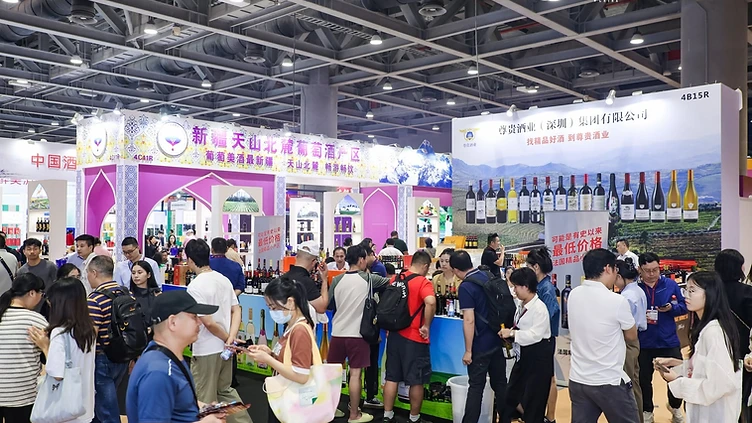
Face-to-face evaluation remains the cornerstone of Chinese commercial partnerships. Engaging directly with decision-makers at organized industry events allows producers to benchmark buyer seriousness and gauge portfolio fit immediately. Brand owners should actively participate in major sector platforms such as Interwine Events, where domestic distributors, duty-free buyers, and regional wholesalers gather specifically to discover international producers. Leveraging structured Business Matching services removes cold-calling friction by pairing rum brands with verified buyers actively sourcing imported spirits.
2. Cross-Reference Verified Customs and Industry Databases
Exporters should cross-examine trade association filings, pre-qualified database listings, and specialized wine and spirits directories. Ensure that prospective partners hold valid alcohol wholesale circulation licenses, proper import customs clearances, and established warehousing before issuing samples.
3. Inspect Current Portfolios for Strategic Fit
Examine a prospective distributor's current line sheet. If an importer already distributes three leading international rum labels, your brand risks becoming an overlooked SKU. Conversely, an established importer with a strong portfolio of premium gin, mezcal, or craft wine—but no flagship aged rum—represents an ideal partner looking to fill a portfolio gap.
Navigating Regulatory Compliance and GACC Mandates
Partnering with an importer requires mutual readiness regarding regulatory infrastructure. Exporters cannot ship commercial inventory to mainland China without completing formal pre-export clearances:
- GACC Decree 248 Registration: In effect since April 2021 as enforced by the General Administration of Customs of China (GACC), all overseas manufacturers, processors, and storage facilities of imported alcohol must be registered in the official GACC system before arrival at Chinese ports.
- Simplified Chinese Back-Labeling: Under Chinese food safety guidelines highlighted by the EU SME Centre, each commercial bottle must feature a compliant Simplified Chinese label. Key details include exact spirit category, net alcohol volume, ingredients (sugar cane distillate, colorings), foreign producer information, domestic importer registration details, and mandatory health warnings.
- Fiscal Import Tariffs and Compound Tax: As with imported wine and distilled spirits, rum imported into China is subject to customs tariffs, Value Added Tax (VAT), and consumption taxes, which must be modeled accurately in your wholesale Free on Board (FOB) or Cost, Insurance, and Freight (CIF) pricing structure to ensure downstream channel margins for distributors.
Converting Leads into Lasting Partnerships
In Chinese business negotiations, initial contract terms are only as reliable as the underlying trust between the principals. Brand owners who demonstrate genuine commercial commitment to the Chinese market consistently outperform hands-off exporters.
Ensure your export budget accounts for on-the-ground sales support, bilingual brand sheets, active WeChat communication, and structured promotional funds for masterclasses, bar takeovers, and staff training. For foreign distillery teams preparing their travel itineraries to meet qualified distributors, consulting logistical resources such as Arrival and Transportation guarantees seamless operational coordination.
Producers ready to expand their commercial presence and negotiate directly with pre-screened Chinese spirits distributors should apply to Become an Exhibitor to secure strategic distribution across mainland China's most lucrative trade hubs.
Sources
- General Administration of Customs of China (GACC) Regulations via US Alcohol and Tobacco Tax and Trade Bureau (TTB): https://www.ttb.gov/import-export/itd/people-s-republic-of-china
- EU SME Centre: Exporting Alcoholic Drinks to China Guide: https://www.eusmecentre.org.cn/publications/exporting-alcoholic-drinks-to-china-step-by-step-guide-to-the-procedure/
- Vino Joy News: Regional Chinese Alcohol Importers Analysis: https://vino-joy.com/2024/08/05/chinas-top-10-wine-importers-in-h1-2024/2
- FoodNavigator: China Beverage Alcohol Market Dynamics & IWSR Analysis (2026): https://www.foodnavigator.com/Article/2026/06/29/china-beverage-alcohol-market-driven-by-younger-consumers-and-on-demand-drinking-trends/
Key Takeaways
- —Target modern tier-one hubs: Shanghai and Guangdong represent China's leading ports and consumption centers for premium imported spirits and cocktail culture.
- —Comply with GACC Decree 248: Foreign rum distilleries must be formally registered with China customs before shipping commercial stock.
- —Prioritize on-premise distributors: Focus outreach on boutique spirits traders and multi-category importers supplying cocktail venues rather than traditional gifting channels.
- —Verify portfolio gaps: Choose importers whose portfolios complement rather than compete with your specific rum category, style, and price tier.
- —Meet buyers in person: Face-to-face engagement at established B2B trade platforms and business matching sessions significantly increases deal conversion.
Frequently Asked Questions
What licenses are required to import rum into mainland China?
Chinese rum importers must hold a valid business license with an approved alcohol circulation scope, an import-export customs declaration registration code, and a food operation permit. Foreign distilleries exporting to China must also be registered under GACC Decree 248.
Which Chinese cities have the highest demand for imported rum?
Shanghai, Guangzhou, and Shenzhen hold the highest demand due to their developed cocktail cultures, large hospitality sectors, and proximity to major logistics ports. Emerging secondary hubs include Chengdu, Hangzhou, and Wuhan.
What are the mandatory labeling rules for rum bottles entering China?
Imported rum bottles must feature an approved Simplified Chinese back-label indicating the product name, alcohol percentage, bottle volume, ingredients, production date, origin country, overseas producer details, and domestic distributor registration.
Should a rum brand work with a single national importer or regional distributors?
Due to China's immense geographical and regulatory complexity, working with dedicated regional distributors or a specialized boutique spirits importer in key hubs often yields better on-premise menu penetration than signing an exclusive deal with a single national firm.