How to Find Premium Wine Importers in China
Discover how to identify, evaluate, and partner with premium wine importers in China. Learn market segmentation, compliance realities, and face-to-face strategies.
Finding the right importer in China is no longer a matter of mass-emailing contact lists or waiting for unsolicited inquiries at overseas cellar doors. In today's discerning drinks economy, success belongs to wine producers and brand owners who understand buyer business models, target specific regional tiers, and position their portfolios around commercial sell-through rather than generic prestige.
According to WineNews (2026), total Chinese wine imports contracted in 2025 by 14.6% in value (down to €1.25 billion) and 26.7% in volume (to 207.2 million liters, per Spanish Wine Interprofessional Organization data). Yet this contraction hides a fundamental transformation: market polarization. While entry-level and undistinguished mid-tier brands face inventory write-downs, consumer demand is concentrating around high-value allocations, premium gifting, boutique dining, and specialized lifestyle segments. To build a profitable export channel, wineries must know how to identify, evaluate, and pitch legitimate premium wine importers in Mainland China.
1. Map China’s Premium Wine Importer Landscape
Chinese wine buyers do not operate under a uniform distribution model. Understanding your prospective partner’s operational structure determines whether your bottles sit stagnant in a bonded warehouse or move through vibrant hospitality and corporate channels.
National Fine Wine Distributors
These are established institutional players with multi-city networks, centralized temperature-controlled logistics hubs, and deep penetration across 5-star hotels, high-end western dining, and luxury retail. Classic examples include ASC Fine Wines (founded in 1996 with over 1,200 foreign SKUs), Torres China, Summergate Fine Wines & Spirits, and Jebsen Wines and Spirits. Working with national giants offers wide brand visibility, but boutique labels risk getting lost in thick portfolios unless backed by substantial marketing subsidies and brand-ambassador support.
Channel-Focused Specialist Importers
Specialist importers focus on specific sales verticals rather than broad geographic coverage. Some prioritize the Michelin-starred on-trade and boutique hospitality—such as EMW Fine Wines—while others focus on boutique retail (e.g., Pudao Wines), private client collectors (such as Ruby Red Fine Wines or Jointek), or country-specific selections (such as Interprocom Cantine Divine for Italian fine wines, acquired by Ethica Wines in 2026). These importers maintain smaller, curated books, meaning your brand receives dedicated commercial focus and genuine narrative building.
Regional Wholesalers and Second-Tier Powerhouses
While tier-1 megacities like Shanghai, Beijing, Guangzhou, and Shenzhen remain showcase markets, premium demand has diffused into affluent regional capitals including Chengdu, Hangzhou, Wuhan, and Changsha. Regional importers and group-buying specialists (such as Fond Wine) possess deep localized government, banking, and private corporate gifting relationships that international corporate distributors frequently miss.
2. Evaluate and Vet Potential Importer Profiles
Before initiating outreach, wineries must separate active, commercially sound fine wine houses from speculative traders who vanish after a single sample order. Premium wineries should audit prospective partners using five core criteria:
- Genuinely Active Portfolio Synergy: Check their existing catalogue. Do they represent complementary, non-competing producers from renowned appellations? If their catalogue is filled with unrelated bulk commodity brands alongside a few trophy allocations, your brand may simply serve as decorative window dressing for unrelated trading activities.
- Cold-Chain Logistics Capability: China's southern and inland summer temperatures easily exceed 38°C. A legitimate premium partner must possess audited reefer container sea-freight protocols, air-conditioned bonded warehouses in free trade zones (like Waigaoqiao in Shanghai or Qianhai in Shenzhen), and temperature-controlled domestic trucking.
- Channel Traceability: Determine whether the importer sells directly to managed on-trade accounts and private VIPs or merely flips inventory down multi-layered sub-distributor tiers. Multi-tier wholesaling erodes brand equity and distorts retail pricing across platforms like JD.com and Taobao.
- Financial Health & Import Clearance Expertise: Check whether the importer holds direct import and liquor business licenses or relies on third-party customs agents. Direct clearing capabilities minimize clearance delays with the General Administration of Customs of China (GACC).
3. Position Your Winery to Secure Buyer Interest
China’s top wine buyers are inundated with samples. Securing their commitment requires demonstrating how your brand makes commercial sense inside their business.
Margin Architecture and Price Discipline
Premium importers require stable gross margins—typically between 40% and 55%—to support brand activations, staff tasting trainings, and regional logistics. If your bottles are heavily discounted on European direct-to-consumer websites or grey-market cross-border portals, Chinese importers will decline representation immediately. Maintain ironclad global pricing discipline so importers can protect their retail margins.
Localized Brand Storytelling and Visual Value
While terroir matters to wine educators, Chinese buyers evaluate your bottle through the lens of their end customer. Packaging aesthetics, bottle weight, closure security, and gifting appeal play critical roles. Ensure your brand has an accessible Chinese brand name (中文译名), a clean digital WeChat presence, and concise technical materials highlighting third-party ratings (such as 90+ point scores or international gold medals).
Shared Market Activation Support
Importers do not build foreign brands entirely at their own cost. Outstanding export partners offer structured marketing support (e.g., matching fund allocations for masterclasses, sample allowances for sommelier training, and physical presence at key promotional tastings). Review our Market Insights to understand how leading estates deploy promotional budgets across Asia.
4. Channels to Find and Connect with Active Chinese Wine Importers
Cold-emailing commercial directors in China delivers negligible conversion rates due to language barriers, corporate spam firewalls, and a cultural preference for verified relationships (关系).
- Structured Commercial Trade Platforms: Utilize professional directory tools like BestWineImporters (2026) to analyze active shipping data, executive contacts, and purchasing histories for verified Chinese corporate buyers.
- Consular and Regional Trade Missions: Trade development agencies (such as Business France, ICEX, Wine Australia, or the California Wine Institute) organize periodic trade tastings. While valuable for initial market exposure, these tables are often crowded with competing regional peers.
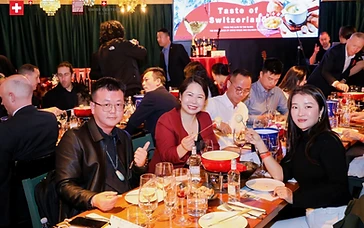
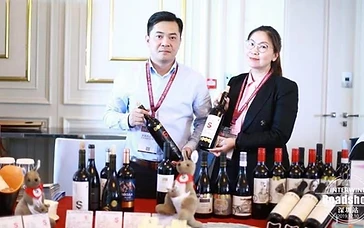
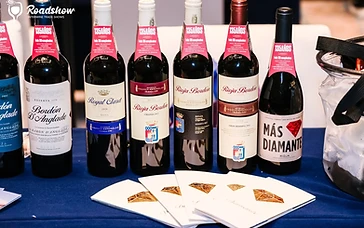
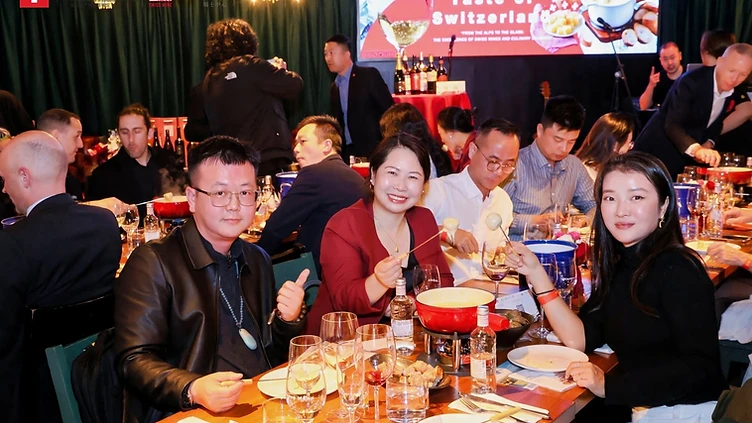
- Face-to-Face Specialized B2B Trade Fairs: In China's premium wine ecosystem, face-to-face meetings remain indispensable. Qualified importers refuse to sign distribution contracts without personally evaluating samples, assessing producer demeanor, and reviewing long-term commitment. Selecting established platforms like the Interwine China International Wine & Spirits Exhibition gives international producers direct exposure to thousands of verified regional importers, sommelier networks, and high-volume corporate procurement buyers.
To maximize face-to-face efficiency, tap into dedicated commercial networking systems such as Interwine's Business Matching service, which pairs your grape varieties and price brackets with active buyers before you set foot on the exhibition floor.
5. Navigating Regulatory and Operational Execution
Once an importer expresses interest, transactions depend on smooth technical execution:
- GACC Registration (Decree 248): All foreign food and alcoholic beverage manufacturing facilities must register with the General Administration of Customs of China before dispatching shipments. Ensure your facility registration is active and correctly categorized.
- Chinese Back-Label Compliance (GB7718): National food safety standards require exact Chinese back labels displaying product type, ingredients (including sulfur dioxide declarations), alcohol content, production date, distributor details, and health warnings. Your importer will coordinate label pre-approval, but the producer must provide accurate laboratory certificates of analysis.
- Intellectual Property Protection: Register your brand name, logo, and phonetic Chinese trademark with the China National Intellectual Property Administration (CNIPA) before presenting samples broadly. Trademark squatting remains a persistent operational risk for unprepared overseas wineries.
Conclusion: Secure Qualified Import Distribution
The Chinese premium wine sector rewards strategic, disciplined brand owners who respect local market realities. By targeting specialized importers, structuring sustainable margins, safeguarding your brand IP, and meeting pre-vetted buyers in person, you transform overseas export ambition into reliable regional revenue.
Ready to put your wines directly in front of pre-qualified Chinese fine wine importers, hospitality group buyers, and elite distributors? Reserve your commercial booth today and Become an Exhibitor at the upcoming Interwine trade fair.
Sources
- WineNews (2026) - China Wine Import Statistics
- China Wine Competition (2024) - Leading Wine Importers Guide
- Vino Joy News (2026) - What China’s Top Wine Importers Are Saying
- BestWineImporters (2026) - Wine Import Trends and Database
Key Takeaways
- —China's wine import market is polarizing: while volume imports contracted in 2025, premium and boutique categories maintain solid demand.
- —Importer types vary from national brand builders (ASC, Torres, Jebsen) to boutique specialists (EMW, Pudao, Interprocom) and regional group-buying leaders.
- —Top importers demand stable margin structures (40-55%), global price protection against grey-market discounting, and verified cold-chain infrastructure.
- —Cold email outreach has poor conversion; relationship-driven channels like targeted B2B trade fairs and verified business matching yield superior commercial outcomes.
- —Operational readiness requires prompt GACC facility registration, compliant GB back-labels, and defensive Chinese trademark registration.
Frequently Asked Questions
What margins do premium wine importers in China typically expect?
Premium wine importers generally target gross profit margins between 40% and 55%. This cushion covers domestic air-conditioned warehousing, temperature-controlled distribution, local marketing masterclasses, sommelier incentives, and sub-distributor commissions.
Why is cold-email outreach largely ineffective with Chinese wine buyers?
Cold outreach suffers from strict corporate spam filters, language nuances, and a business culture that prizes verified third-party references. Chinese buyers prefer to inspect samples, review physical bottle packaging, and gauge the producer's long-term commitment in person before entering negotiations.
Do I need to register my winery with Chinese customs before shipping samples?
Yes. Under Decree 248 enforced by the General Administration of Customs of China (GACC), foreign manufacturers of imported foods and alcoholic beverages must obtain an official GACC registration code prior to commercial dispatch. Sending commercial stock without registration will lead to customs impoundment.
Should small boutique wineries target national or regional Chinese importers?
Boutique producers often achieve faster commercial traction with specialized niche importers or regional powerhouses in affluent tier-2 cities. Large national distributors have extensive portfolios where lower-volume boutique labels may lack dedicated sales focus unless supported by substantial promotional capital.
How important is trademark registration before entering the Chinese market?
Securing your trademark with the China National Intellectual Property Administration (CNIPA) is critical. China adheres to a 'first-to-file' system; if an unrelated entity registers your Latin or phonetic Chinese brand name, you could be barred from importing or distributing your own products.