Rosé Wine Distribution Opportunities in the Chinese Market
Rosé wine is unlocking high-margin commercial growth in China. Explore routes to market, consumer demographics, distribution channels, and compliance requirements.
For international wine producers, exporters, and brand principals evaluating the evolving Chinese beverage sector, rosé wine distribution opportunities in the Chinese market have transitioned from a marginal experiment into a strategic, high-growth niche. While full-bodied red wines historically commanded over 80% of imported volume due to banqueting traditions and prestige gifting, contemporary Chinese consumption patterns are diversifying rapidly.
Driven by younger Gen Z and millennial urbanites, female-driven "she-economy" spending, and modern casual dining, rosé is emerging as a category with substantial margin potential. However, capitalizing on these commercial dynamics requires more than sending generic inventory to national ports; it demands targeted route-to-market strategies, precise regional distribution, localized marketing, and compliance mastery. Brand owners seeking early mover advantages must align with specialized regional partners to navigate this evolving landscape.
Rosé Wine’s Commercial Positioning in Mainland China
Historically, China’s imported wine landscape was overwhelmingly dominated by dry reds from Bordeaux, Australia, and Chile. The structural shifts documented over the past five years—accentuated by changing demographics and economic adjustments—have reconfigured buying behavior. According to research published by Market Research Future (2026), the broader China wine market reached $18.85 billion in 2024 and is projected to expand to $41.25 billion by 2035 at a compound annual growth rate (CAGR) of 7.38%. Within this expansive framework, alternative categories such as sparkling and rosé wines are outpacing traditional still reds in growth rate, albeit from a smaller volume baseline.
Rosé occupies a commercially attractive sweet spot in China:
- Accessible Organoleptic Profile: Traditional red wines with heavy tannins often clash with subtle regional Chinese cuisines (such as Cantonese, Huaiyang, or modern fusion) and deter novice drinkers. Rosé offers refreshing acidity, low-to-moderate tannins, and fruit-forward notes that match casual social drinking.
- Visual and Lifestyle Resonance: On platforms like Xiaohongshu (RED) and Douyin, visual presentation drives purchasing decisions. Rosé’s aesthetic appeal ("pink lifestyle," outdoor picnics, afternoon teas, and glamping) makes it inherently viral among metropolitan consumers.
- Female and Solo Consumption Demographics: The expansion of China’s female consumer base has altered off-trade and D2C wine purchases. Female professionals prioritize refreshing, lifestyle-aligned beverages over heavy, high-alcohol spirits like Baijiu or prestige-driven reds, positioning dry and off-dry rosés as everyday luxury staples.
For a deeper look into broader macro trends and trade data across mainland provinces, brand owners can review our Market Insights analysis.
Primary Distribution Channels for Rosé
Unlike Bordeaux Classé or top-tier Penfolds vintages that move through traditional wholesale networks and state-enterprise gift channels, rosé requires modern, fast-moving distribution routes.
1. On-Premise: Modern Bistro Culture and Urban Hospitality
Tier-1 and New Tier-1 cities—including Shanghai, Shenzhen, Guangzhou, Chengdu, and Hangzhou—have experienced a boom in Western bistros, Japanese izakayas, natural wine bars, and contemporary Cantonese dining. In these venues, by-the-glass (BTG) programs are pivotal. Rosé operates effectively on BTG menus because it pairs across diverse culinary flavor profiles and appeals to diners seeking light alcohol volumes. Importers targeting on-premise must work with boutique city distributors who maintain dedicated cold-chain logistics and can provide sommelier training.
2. E-Commerce and Content Commerce (Live-Streaming & D2C)
China represents the world's most sophisticated digital beverage ecosystem. According to estimates by the International Wine and Spirits Research cited in China Briefing (2025), China’s alcohol e-commerce segment is projected to grow at a CAGR of 6% through 2027, commanding approximately 40% of global online beverage sales. E-commerce is not merely a clearinghouse for discounted wine; it is a brand-building vehicle. Platforms such as Tmall, JD.com, and Douyin enable brand storytelling. For rosé brands, cross-border e-commerce (CBEC) and domestic flagship stores supported by Key Opinion Consumers (KOCs) allow producers to build retail traction without massive upfront shelf fees.
3. Premium Supermarkets and Lifestyle Retailers
High-end grocery chains (such as Ole’, City'super, Sam's Club, and Freshippo/Hema) are actively expanding shelf allocations for imported whites, rosés, and sparkling wines. These retailers demand shelf-ready packaging, high visual appeal, and proven compliance credentials. Placement in these outlets elevates visibility across middle-class households purchasing for home consumption.
Navigating Regulatory and Import Protocols
Commercial success in China is fundamentally tied to regulatory compliance. Navigating Chinese customs requires meticulous preparation before bottles leave the production facility:
- GACC Registration (Decree 248): Under General Administration of Customs of China (GACC) Decree 248, all overseas food and beverage manufacturing and storage facilities must be registered through the official CIFER platform before shipping. Operating without a valid GACC registration number printed on inner and outer packaging results in immediate shipment rejection.
- Customs Labeling Standards (GB 7718 & GB 15037): Labels must strictly comply with China’s national food safety standards for pre-packaged foods (GB 7718) and wine standards (GB 15037). Mandatory Chinese back labels must declare exact net content, alcoholic strength by volume, production date, shelf-life/storage conditions, the name and address of the registered Chinese importer, and legal declarations regarding allergens (such as sulfur dioxide).
- Tariff Structures and Bilateral Accords: Tariff rates vary significantly depending on country of origin. While Australian wine saw the removal of anti-dumping duties in March 2024 as noted by MS Advisory (2026), returning to zero-tariff status under ChAFTA, European producers face standard Most-Favored-Nation (MFN) tariffs (typically 14% customs duty, plus 10% consumption tax and 13% VAT). Understanding the landed cost calculation is vital for establishing defensible distributor margins.
- Intellectual Property Protection: Producers must register their Chinese trademark (both transliteration and phonetic brand name) with the China National Intellectual Property Administration (CNIPA) prior to market entry. Failing to protect a trademark risks bad-faith registrations by third-party distributors.
Distributor Selection and Strategic In-Market Engagement
Finding the right distribution partner is the most consequential commercial choice an overseas winery will make. Traditional distributors accustomed solely to bulk red imports often lack the marketing agility, cold-chain transport, and lifestyle marketing skills required to sell rosé.
Brand owners should vet prospective distributors against four criteria:
- Portfolio Complementarity: Does the distributor already represent complementary imported spirits or white wines, or do they solely shift high-volume red wine inventory?
- Cold-Chain Infrastructure: Rosé is sensitive to thermal degradation and lightstrike. Ensuring that regional transport and warehousing operate with temperature-controlled logistics is non-negotiable for preserving product quality.
- Omnichannel Capabilities: Does the partner possess relationships across on-premise dining, specialty retail, and digital platforms, or are they confined to a single provincial tier?
- Willingness to Invest in Co-Marketing: Successful rosé distribution relies on educational tastings, social media activations, and seasonal promotions (spring and summer campaigns).
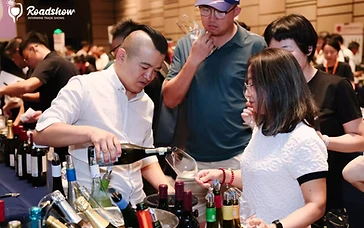
To identify and negotiate with qualified, vetted buyers, trade missions and specialized B2B exhibitions remain the most efficient commercial vehicle. Industry leaders meet annually at Interwine to conduct direct negotiations with mainland importers, retail buyers, and regional distributors. Brand owners looking to establish direct commercial agreements can Become an Exhibitor to access pre-vetted buyer networks. Furthermore, taking advantage of structured Business Matching services accelerates market entry by pairing producers with distributors aligned with their specific price tiers and geographic targets.
Actionable Roadmap for Market Entry
Producers seeking to capitalize on rosé wine distribution opportunities in the Chinese market should execute a phased commercial approach:
- Phase 1: Brand Localization and IP Registration. File trademarks in English and Chinese with CNIPA. Adapt packaging to appeal to Chinese gifting and aesthetic standards, ensuring back labels comply with GB 7718.
- Phase 2: Target Regional Tier-1 Hubs First. Focus initial distribution efforts on high-consumption southern and eastern hubs (Shanghai, Guangdong, Zhejiang) where wine consumption sophistication is highest and modern gastronomy supports rosé adoption.
- Phase 3: Secure Specialized Distribution Partners. Attend major regional trade exhibitions and participate in curated business matching sessions. To see which industry peers and regional buyers participate, consult the Exhibitor Directory.
- Phase 4: Seasonal Campaign Execution. Coordinate inventory arrival to align with peak rosé consumption windows: spring launches (March–May), summer patio promotions, and pre-sales leading up to the Mid-Autumn Festival and Qixi Festival (Chinese Valentine's Day).
Sources
- China Briefing: China’s Wine Market Outlook: Trends and Opportunities (2025)
- MS Advisory: Wine Market in China: Trends, Growth, and Consumer Dynamics (2026)
- Market Research Future: China Wine Market Size, Share Industry Analysis By 2035 (2026)
- Cambridge University Press / Journal of Wine Economics: China's Wine Market: Recent Shocks, Long-Term Prospects (2025)
Key Takeaways
- —Rosé wine represents one of the fastest-growing niche categories in China, propelled by female consumers, casual dining, and lifestyle trends.
- —China's overall wine market is projected to reach $41.25 billion by 2035 (Market Research Future, 2026), creating space for premium category diversification.
- —On-premise modern bistros and content-driven e-commerce (Douyin, Xiaohongshu) are the premier distribution channels for rosé.
- —GACC Decree 248 facility registration and strict adherence to GB 7718 labeling standards are mandatory legal requirements for importation.
- —Direct B2B engagement and business matching at industry trade shows provide the most reliable pipeline to identify vetted regional distributors.
Frequently Asked Questions
What is driving the growth of rosé wine consumption in China?
Demand is primarily fueled by Gen Z and female consumers seeking lower-tannin, refreshing, and aesthetically appealing wines for casual dining, solo consumption, and outdoor lifestyle activities. Social media platforms like Xiaohongshu have also accelerated visibility.
What are the key regulatory hurdles for importing rosé wine into China?
Key requirements include overseas facility registration under GACC Decree 248 via the CIFER platform, strict Chinese back-label compliance according to GB 7718 and GB 15037 standards, and early trademark protection through CNIPA.
Which Chinese cities offer the highest market potential for rosé wines?
Tier-1 and New Tier-1 cities—specifically Shanghai, Guangzhou, Shenzhen, Chengdu, and Hangzhou—offer the highest immediate potential due to mature bistro cultures, high disposable incomes, and exposure to international dining trends.
How can international rosé wine producers find qualified Chinese distributors?
Producers can identify vetted buyers by exhibiting at dedicated wine trade platforms such as Interwine, participating in curated business matching programs, and engaging with specialized wine import associations.