How to Find Fine Wine Importers in China
Discover how to identify, evaluate, and partner with fine wine importers in China. Master route-to-market channels, regulatory due diligence, and buyer vetting strategies.
Finding the right fine wine importer in China requires shifting from broad-brush export prospecting to channel-specific commercial targeting. Rather than relying on generic cold emails, successful global wineries evaluate distributors through regional distribution infrastructure, license credibility under General Administration of Customs of China (GACC) frameworks, and existing on-trade and private-client relationships.
According to data from the Observatory of Economic Complexity (OEC) reported by China Wine Competition in 2024, China stood as the world’s 8th largest wine importer, importing $1.4 billion worth of wine in 2022, with monthly imports rebounding to $204 million by June 2024. Furthermore, MS Advisory noted in 2025 that China's total wine market reached an estimated valuation of $40.4 billion in 2024, buoyed by expanding consumer segments and tariff shifts that re-energized competitive global inflows. Navigating this vast landscape successfully demands understanding importer archetypes, rigorous commercial vetting, and strategic in-person engagement.
Understanding the Chinese Wine Importer Landscape
The Chinese wine import sector is not a monolithic ecosystem; it is segmented into distinct tiers defined by distribution models, channel focus, and geographic depth.
1. Established Tier-1 National Distributors
National heavyweights—such as ASC Fine Wines (established in 1996 with a portfolio of over 1,200 labels), Torres China, Summergate Fine Wines & Spirits, and Jebsen Wines and Spirits—control multi-branch warehousing and extensive cold-chain logistics across Tier-1 metropolitan hubs including Shanghai, Beijing, Guangzhou, and Shenzhen, as profiled by China Wine Competition in 2024. These companies provide immediate reach into luxury hospitality groups, star-rated hotel chains, and premium retail. However, their vast catalogs mean emerging estates must actively compete for sales-force mindshare.
2. Boutique and Fine Wine Curators
Importers like EMW Fine Wines, Ruby Red Fine Wines, Roque Fine Wines, and Pudao Wines specialize in artisanal, estate-bottled, and allocated domains, targeting sommelier-driven on-trade programs, corporate gift buyers, and private collector networks. Partnering with a boutique importer generally provides higher portfolio visibility and dedicated storytelling, though upfront volume commitments may be smaller.
3. Regional Tier-2 and Tier-3 Wholesalers
Economic maturation in secondary cities across Guangdong, Zhejiang, Jiangsu, Sichuan, and Fujian provinces has created independent regional importers. These distributors often bypass coastal middlemen to secure direct distribution rights, offering focused local access and consistent depletions in regional commercial dining circles.
4. Direct-to-Consumer and Digital Merchants
Digital retail groups, cross-border e-commerce specialists, and platforms such as Fancy Cellar integrate direct customs clearance with e-learning and social commerce. These channels move high inventory turns, but producers must carefully manage pricing tiers across e-commerce channels to prevent brand dilution in traditional fine-dining venues.
Producers seeking qualified regional and national buyers can streamline discovery through curated Market Insights and direct networking platforms.
Criteria for Vetting Fine Wine Importers
Signing an import agreement without commercial and regulatory due diligence creates significant inventory, legal, and reputational liabilities. International brands must audit prospective partners against concrete criteria:
Channel Alignment and On-Trade Clout
Fine wine relies heavily on high-end hotels, Michelin-starred and Black Pearl dining establishments, and private clubs. Scrutinize a prospect’s live distribution list: Do their sales representatives have direct relationships with working sommeliers and beverage directors, or do they rely on secondary sub-distributors who erode margin control?
Cold-Chain and Storage Infrastructure
China's summer temperatures frequently surpass 35°C in southern transport arteries. Confirm that the importer maintains verified temperature-controlled storage and reefer shipping protocols from port bonded zones to provincial logistics depots. Inadequate temperature controls remain a primary cause of bottle spoilage and brand degradation in transit.
Portfolio Conflicts and Brand Synergy
Review the importer’s active catalog. A portfolio completely devoid of your region suggests an absence of buyer familiarity; conversely, a portfolio carrying three direct regional competitors at identical price points risks shelving your brand as a secondary option. The ideal partner possesses market credibility in your category with an open niche for your specific price and origin tier.
Financial Stability and Payment Discipline
Cross-border alcohol trade requires disciplined credit risk management. Use trade intelligence services or independent corporate checks to verify business licenses, import-export qualifications, and fiscal solvency before extending credit terms. Early orders should consistently utilize secured instruments, such as confirmed letters of credit (LC) or milestone deposits, before transitioning to open-account terms.
Proven Tactics to Connect with Buyers
Successful engagement requires commercial professionalism, cultural awareness, and validated contact channels.
Maximize Direct Commercial Exhibitions
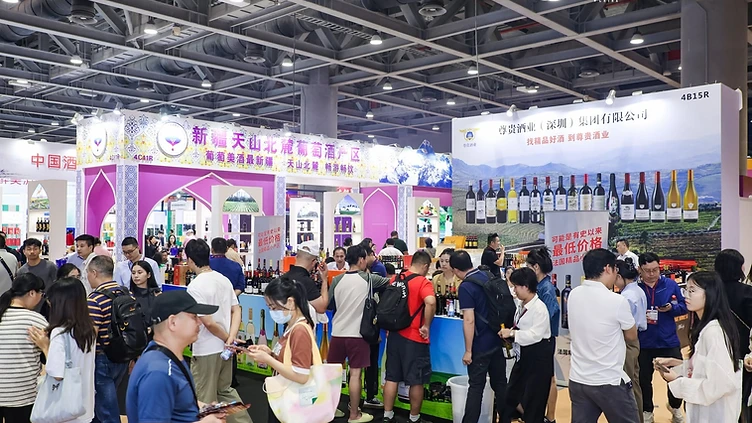
Chinese beverage buyers operate on personal trust (guanxi) and physical sensory verification. Wine cannot be sold into high-tier lists via detached digital campaigns alone. Participating in targeted trade fairs, such as applying to Become an Exhibitor at regional trade platforms, positions your brand directly in front of pre-screened wine directors, commercial trading houses, and provincial wholesalers actively sourcing allocations.
Pre-Scheduled One-on-One Business Matching
Unfocused booth traffic wastes valuable commercial time. Sophisticated producers utilize structured Business Matching services ahead of conventions to secure scheduled tastings with verified category buyers who have expressed explicit interest in their grape varietals and price tiers.
Leverage Verified Trade Databases and Commercial Publications
Avoid unverified web directories. Rely on audited commercial databases such as BestWineImporters—which tracks detailed operational data and direct purchasing contacts—and industry-specific monitoring platforms like Vino Joy News (2024–2026), which regularly tracks operational rankings and structural shifts among China's top 100 wine importers.
Regulatory and Practical Export Considerations
Securing an importer is only step one; clearing Chinese customs compliance guarantees your inventory reaches warehouse cellars legally and reliably.
GACC Producer Registration (Decree 248/249)
Under General Administration of Customs regulations, all overseas manufacturing, processing, and storage facilities of imported food and beverages must register with the GACC Single Window. Without an active GACC registration code clearly printed on shipping manifests and inner packaging, consignments face immediate rejection at customs entry ports.
Label Compliance and Testing Protocols
Back labels must comply with Chinese National Standards (GB 7718 and GB 2758), specifying legal importer credentials, net volume, alcohol percentage, grape varieties, and mandatory health warnings in standardized simplified Chinese characters. Samples are systematically drawn at entry points for laboratory testing covering heavy metals, sulfur dioxide tolerances, and analytical parameters.
Trademark Protection Strategies
Wineries must register their Roman-alphabet brand names and phonetic Chinese equivalents with the China National Intellectual Property Administration (CNIPA) prior to shipping commercial samples. China operates under a strict "first-to-file" trademark framework; neglecting early IP registration exposes brand equity to opportunistic bad-faith filings by third parties.
Next Steps: Preparing Your Commercial Strategy
Transitioning from research to active market presence demands an integrated approach: prepare professional, bilingual sales sheets; establish firm ex-cellar (EXW) and freight-on-board (FOB) price structures with realistic distributor margins; and present verifiable provenance documentation. Combine targeted digital outreach with physical industry exposure at trade events, leveraging platforms like the Exhibitor Directory to benchmark established players and secure qualified importer partnerships across mainland China.
Sources
- China Wine Competition – China's Leading Wine Importers: A Comprehensive Guide for International Brands (2024)
- MS Advisory – Wine Market in China: Trends, Growth, and Consumer Preferences (2025)
- Observatory of Economic Complexity (OEC) – Bilateral Product Import Profiles: Wine in China (2024)
- BestWineImporters – Global B2B Wine Importers & Trade Data Intelligence (2026)
- Vino Joy News – China's Top Importers Report & Market Tracking (2024–2026)
Key Takeaways
- —China's fine wine import market represents over $1.4 billion in annual foreign value, driven by distinct distributor models ranging from Tier-1 national giants to boutique curators.
- —Importer vetting requires verifying cold-chain logistics, on-trade sommelier connections, and clear portfolio synergy rather than relying purely on top-line revenue claims.
- —Producers must secure GACC facility registration and register both English and Chinese trademarks under CNIPA's first-to-file system before sending commercial shipments.
- —In-person tastings and pre-scheduled B2B business matching remain the most reliable avenues for building commercial trust with verified Chinese buyers.
Frequently Asked Questions
What are the primary differences between Tier-1 national importers and boutique wine distributors in China?
Tier-1 national importers (such as ASC Fine Wines or Summergate) operate vast logistics networks, multiple regional branches, and direct access to luxury hotel chains and hypermarkets, but have large portfolios where individual brands must fight for attention. Boutique distributors focus on curated, artisanal selections, working closely with sommeliers, high-end independent restaurants, and private collectors, offering higher attention to niche estates at lower initial volumes.
Why is trademark registration essential before contacting wine importers in China?
China operates on a strict 'first-to-file' system through the China National Intellectual Property Administration (CNIPA). If you do not register both your original brand name and an official Chinese phonetic trademark before entering discussions, third parties or unauthorized brokers can legally register your brand, forcing expensive buyouts or blocking legal customs clearance.
What regulatory approvals are needed before a Chinese importer can clear wine through customs?
Foreign wineries must obtain GACC (General Administration of Customs of China) facility registration under Decrees 248/249, ensure back labels comply with Chinese National Standards (GB 7718 and GB 2758), and provide certified certificates of origin, sanitary certificates, and accredited laboratory test analyses before shipments arrive at Chinese ports.
How can international wineries connect directly with verified wine buyers in China?
The most commercially effective methods involve exhibiting at dedicated trade exhibitions like INTERWINE, participating in pre-scheduled B2B business matching sessions, utilizing verified trade intelligence databases such as BestWineImporters, and consulting specialized trade publications like Vino Joy News to monitor established distributor portfolios.