How to Find Wine Importers and Distributors in Beijing
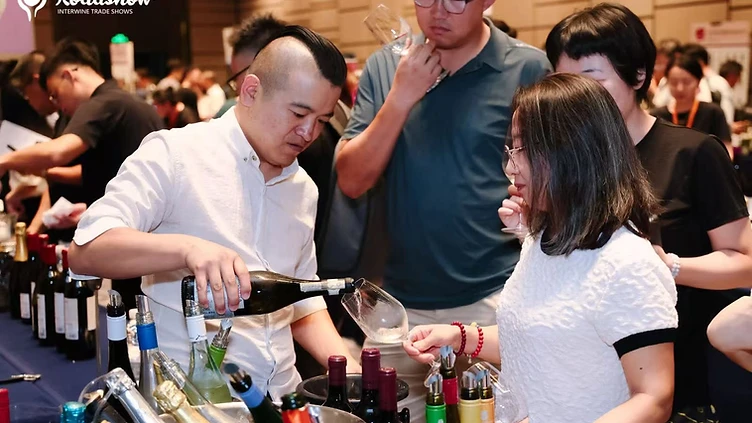
Discover how to find qualified wine importers and distributors in Beijing. Learn market segmentation, regulatory protocols, commercial pricing, and proven B2B routes to connect with buyers.
To successfully find and secure wine importers and distributors in Beijing, international wineries must look past cold email outreach and address the distinct institutional dynamics of China's political and cultural capital. Unlike southern distribution hubs driven primarily by private hospitality chains and fast-moving retail, Beijing's wine trade is heavily anchored around diplomatic circles, state-owned enterprise (SOE) hospitality, corporate banquet culture, high-end private clubs, and an elite consumer base. Breaking into this lucrative regional market requires strict compliance with Chinese customs standards, careful channel mapping across national and boutique distributors, and face-to-face commercial relationship building.
Understanding the Beijing Wine Import Architecture
Beijing represents one of the highest-value alcoholic beverage markets in East Asia. As noted by the EU SME Centre (2024), importing wine into China demands thorough alignment with national technical and customs regulations, with key commercial buyers concentrated across Tier-1 hubs including Beijing and Shanghai. However, the commercial composition of Beijing's buyer pool differs substantially from other metropolitan markets.
1. State-Owned Enterprises and Conglomerates
State-backed powerhouses such as COFCO Wine & Wine (analyzed by China Wine Competition in 2024) operate massive, multi-tiered wholesale operations headquartered or heavily centralized in Beijing. These enterprises distribute directly into major governmental procurement networks, luxury domestic hotels, and nationwide sub-distributor portfolios. Securing partnerships at this tier requires substantial production volume, formal brand prestige, and the financial bandwidth to absorb protracted procurement cycles.
2. Tier-1 National Distributors with Beijing Headquarters
National distribution giants—such as ASC Fine Wines and Summergate Fine Wines & Spirits, documented across commercial trade directories such as Beverage Trade Network—maintain dedicated regional hubs in Beijing. These companies supply Five-Star hotel chains, fine dining venues in Chaoyang and Dongcheng districts, diplomatic compounds, and high-end retail chains.
3. Boutique Importers and Niche Fine Wine Wholesalers
Specialized importers such as Roque Fine Wines, Beijing Latin America Trading Co., and Beijing Fine Wine Trading Co. cater to private corporate cellars, collector clubs, Michelin-starred bistros, and independent wine bars. These boutique operators often prioritize exclusivity, distinct terroir storytelling, and niche varietals over massive bulk volume.
Practical Steps: Sourcing and Shortlisting Beijing Wine Buyers
Identifying qualified partners in Northern China requires strategic filtration rather than indiscriminate messaging. Wineries should implement a structured four-stage evaluation methodology.
1. Leverage Commercial Platforms and Cross-Border Databases
To compile a preliminary prospect list, regional export managers must verify importer corporate registrations via the National Enterprise Credit Information Publicity System (NECIPS) and verify customs clearance histories. Platforms such as the Beverage Trade Network provide verified baseline registries of active wine traders across Beijing's key commercial districts such as Chaoyang and Haidian.
2. Attend Dedicated B2B Trade Fairs and Regional Showcases
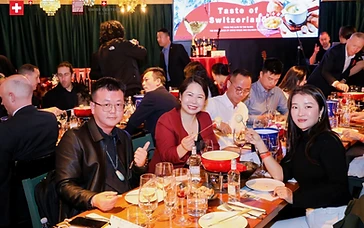
In China's business landscape, direct commercial interaction remains the cornerstone of transaction credibility. Cold digital pitches to Beijing buyers yield negligible response rates because Chinese importers require tactile product appraisal, sensory evaluation, and personal rapport before requesting samples. Participating in dedicated trade exhibitions allows wineries to present their portfolios to pre-vetted trade visitors.
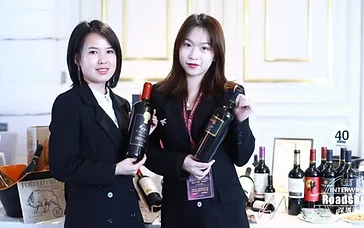
To bridge the gap between production estates and domestic buyers, producers regularly exhibit at specialized events. Reviewing the Exhibitor Directory and applying to Become an Exhibitor at organized platforms like INTERWINE equips wineries to connect directly with regional distribution managers seeking import exclusivity. Furthermore, using targeted Business Matching services guarantees pre-scheduled commercial meetings with qualified buyers from Beijing and the broader Bohai Rim region.
3. Tap Trade Commissions and Bilateral Chambers of Commerce
Consular trade representations in Beijing—such as Business France, ICEX Spain, the Italian Trade Agency (ITA), and regional wine boards—maintain established relationships with domestic wine purchasing managers. Participating in sovereign trade delegations or chamber tastings allows wineries to access vetted buyer registries with pre-established clearance credentials.
Commercial Alignment: What Beijing Importers Expect
When presenting a portfolio to Beijing-based distributors, standard technical spec sheets are insufficient. Buyers demand commercial structures tailored to their domestic cost margins and regulatory requirements:
- FOB and CIF Clarity: Clear pricing structures with standard commercial terms, denominated in EUR or USD, along with transparent volume tiered discounts.
- Exclusivity and Market Protection: Beijing distributors typically demand exclusive provincial or municipal distribution agreements. If a distributor invests capital in brand registration, bilingual marketing collateral, and local sampling events, they will require contractual safeguards against competing grey-market imports.
- Brand Activation Subsidies (A&P Support): Expect experienced distributors to request between 3% and 7% of total contract value as marketing support for local masterclasses, restaurant listings, and Chinese digital collateral development.
- GIFT and Banquet Portfolio Packaging: Given Beijing's corporate banquet culture, distributors look closely at presentation. Aesthetic packaging, substantial bottle weight, gift cartons, and culturally harmonious label designs command better reception in corporate procurement circles.
Regulatory and Technical Compliance Checklist
Before initiating commercial discussions, international brand owners must ensure strict adherence to China's General Administration of Customs (GACC) import mandates.
+-------------------------------------------------------------+
|               GACC COMPLIANCE WORKFLOW                       |
+-------------------------------------------------------------+
                               |
                               v
       [1. Overseas Production Enterprise Registration]
        (Mandatory Single Window system filing under
              Decrees 248 & 249 before dispatch)
                               |
                               v
          [2. Chinese Label Design & Approval]
       (GB 7718 & GB 15037 conformity: mandatory font
       sizes, sulfur declarations, Chinese distributor info)
                               |
                               v
         [3. Laboratory Testing & Documentation]
      (Certificate of Origin, Official Phytosanitary/Health
        Certificates, Analysis Report on additives/heavy metals)
                               |
                               v
           [4. Customs Clearance & Inspection]
      (Arrival at Tianjin/Beijing Port of Entry; CIQ sticker
           clearance and customs verification audit)
- Enterprise Registration (GACC Decrees 248 & 249): Wineries must complete overseas manufacturer registration through the China Import Food Enterprise Registration Single Window prior to shipping commercial samples or ocean containers. As detailed by the EU SME Centre (2024), failure to secure this registration code guarantees customs rejection at the port of entry.
- Mandatory Chinese Back-Label Standards: Labels must adhere to national standards (GB 7718 and GB 15037), specifying wine variety, country of origin, alcoholic strength, bottling date, storage parameters, health warnings, and the domestic importer’s registered contact credentials.
- Intellectual Property Protection: China operates under a strict "first-to-file" trademark regime. Producers must register their Latin brand name and a phonetic, culturally resonant Chinese character trademark with the China National Intellectual Property Administration (CNIPA) prior to sending samples to prospective Beijing partners.
Evaluating and Vetting Potential Beijing Partners
Not every company holding an import license possesses commercial viability in Beijing's fragmented hospitality and wholesale channels. When auditing candidates, evaluate:
- Downstream Channel Dominance: Determine whether the distributor sells primarily into Five-Star hotels (on-trade), specialty retail, corporate banquet accounts, or e-commerce platforms. Do not partner with an off-trade mass-market distributor if your wine requires hand-selling in Chaoyang fine-dining venues.
- Logistical Warehousing Infrastructure: Extreme temperature fluctuations define Beijing’s continental climate—from severe sub-zero winters to hot, humid summers. Confirm whether your prospective distributor operates certified, temperature-controlled, bonded and domestic warehousing facilities in the Beijing-Tianjin-Hebei (Jing-Jin-Ji) economic zone.
- Credit Terms and Working Capital: Standard international transactions for non-established brands operate on 30% to 50% deposit with the balance payable against the bill of lading (B/L). Beware of unvetted distributors demanding 90-day to 180-day open-account credit terms during initial trial shipments.
Maximizing Trade Exhibition Conversions
For international producers seeking entry into Northern China, participating in specialized wine trade gatherings offers the highest return on commercial investment. Instead of embarking on costly solo roadshows across fragmented metropolitan districts, wineries can position their brands directly in front of regional buyers through the INTERWINE ecosystem.
To prepare an actionable market entry strategy, explore our analytical Market Insights on regional consumption patterns. When you are ready to engage with buyers directly, submit an inquiry to Become an Exhibitor to secure dedicated exhibition space, or leverage our tailored Business Matching channels to pre-arrange direct B2B discussions with leading Beijing distributors.
Conclusion: Executing Your Beijing Route-to-Market
Finding the right wine importers and distributors in Beijing demands patience, regulatory readiness, and cultural respect for relationship-building. By securing your trademarks early, aligning commercial margins with domestic distribution realities, and engaging verified buyers through reputable industry trade platforms, your winery can establish a durable, highly profitable footprint in China's capital.
Sources
- EU SME Centre - China's Wine Market: Drivers, Technical Requirements and Opportunities (2024)
- China Wine Competition - China's Leading Wine Importers Guide (2024)
- Beverage Trade Network - Wine Distributors and Importers in China (2024)
Key Takeaways
- —Beijing's wine market is heavily driven by institutional procurement, corporate banquets, high-end hospitality, and private clubs, contrasting with the retail-led southern hubs.
- —Producers must register their production facilities under GACC Decrees 248 and 249 before shipping commercial samples or inventory to China.
- —China enforces a strict 'first-to-file' trademark system; wineries must secure both Latin and Chinese character trademarks with CNIPA prior to market engagement.
- —Direct B2B engagement through trade exhibitions and business matching platforms delivers significantly higher conversion rates than unsolicited digital outreach.
- —Temperature-controlled logistics and bonded warehousing in the Jing-Jin-Ji region are critical vetting criteria due to Beijing's continental climate extremes.
Frequently Asked Questions
What licenses must a Beijing wine importer hold?
A legitimate Chinese wine importer must possess an official business license with food and alcohol circulation scope, a Customs Declaration Registration Certificate, and an active account on the China International Trade Single Window platform. Overseas wineries should request copies of these credentials before entering contract negotiations.
Why is the Beijing wine distribution market different from Shanghai or Shenzhen?
Shanghai and Shenzhen are consumer-centric markets focused on individual retail, private bistros, and e-commerce. Beijing is heavily influenced by state-owned enterprises, diplomatic delegations, national trade associations, and corporate gifting networks, creating higher average transaction values per banquet order and requiring specialized commercial channels.
How do GACC Decrees 248 and 249 impact wine exports to Beijing?
Introduced by the General Administration of Customs of China (GACC), Decrees 248 and 249 mandate that all overseas food and alcoholic beverage manufacturing, processing, and storage facilities register with GACC via the Single Window portal. Cargo without a valid GACC registration number will be held or returned at the port of entry.
How can an international winery verify a Beijing wine distributor's financial stability?
Producers should search the buyer's registered name on the National Enterprise Credit Information Publicity System (NECIPS) to verify registered capital, active corporate standing, and legal disputes. Additionally, requesting established trade references or conducting in-person meetings at major industry trade shows provides direct operational verification.
Should wineries offer credit terms to new Beijing wine importers?
Initial orders should generally operate on secure payment terms, such as a 30% to 50% down payment upon purchase order placement with the remaining balance due against the Bill of Lading (B/L) prior to customs release. Open account or extended credit (such as 60-90 days) should only be evaluated after multiple successful order cycles and thorough credit auditing.