How to Find Wine Importers and Distributors in Nanjing
Discover how foreign wineries can identify, evaluate, and partner with wine importers and regional distributors in Nanjing and the broader Yangtze River Delta.
To successfully break into Jiangsu province’s affluent capital, overseas wine producers must navigate a two-tiered commercial landscape: national importers with established Yangtze River Delta regional branch hubs and localized municipal distributors embedded within Nanjing’s corporate, hospitality, and gifting networks. Finding the right commercial partner requires understanding China's complex import cost structures, leveraging regional wine trade exhibitions, conducting rigorous due diligence, and deploying targeted sales pitches tailored to East China's refined consumption habits.
The Nanjing Market: Commercial Dynamics and Regional Position
Nanjing serves as the provincial capital of Jiangsu, one of China’s wealthiest economic powerhouses, and anchors the western corridor of the Yangtze River Delta (YRD). According to market analysis published by MSA Advisory in 2024, the Chinese wine market was valued at $40.4 billion in 2024, maintaining an anticipated compound annual growth rate (CAGR) exceeding 11%. Within this broader landscape, Nanjing stands apart from Tier-1 megacities like Shanghai.
While Shanghai functions as the primary point of entry and brand-building sandbox for imported wine, Nanjing represents sustainable regional commercial volume. The city features a high-density base of state-owned enterprises, research institutes, software corporations, and university networks. This creates a distinct consumer mix favoring business banquet dining, government-adjacent hospitality, mid-tier corporate gifting, and an evolving bistro-led retail dining culture in districts such as Xinjiekou and Gulou. To tap into this demand, producers can study targeted Market Insights to understand how secondary provincial capitals differ from Tier-1 port hubs.
+-------------------------------------------------------------+
|                   Direct China Entry Routes                 |
+-------------------------------------------------------------+
                               |
        +----------------------+----------------------+
        |                                             |
        v                                             v
+-----------------------------+         +-----------------------------+
|  Direct Nanjing Importer    |         |   Tier-1 National Importer  |
|  - Direct port clearance    |         |   - Shanghai / Ningbo entry |
|  - Deep local guanxi        |         |   - Regional office branch  |
|  - Corporate/Banquet focus  |         |   - Broad multi-city reach  |
+-----------------------------+         +-----------------------------+
        |                                             |
        v                                             v
+-------------------------------------------------------------+
|        Nanjing Local Tier-2 / Sub-Distributor Layer         |
|  - High-end on-trade (Xinjiekou & Gulou dining/bistros)     |
|  - Private clubs, Baijiu-conversion client bases           |
|  - Corporate VIP & regional banquet networks                |
+-------------------------------------------------------------+
Distinguishing National Importers from Local Nanjing Distributors
Export managers evaluating Nanjing often confuse national importers with provincial and municipal sub-distributors. Choosing the correct route dictates your supply chain, payment terms, and retail visibility.
1. National Importers with Nanjing Regional Hubs
Prominent nationwide distributors manage bonded import clearance primarily through coastal ports such as Shanghai, Ningbo, or Shenzhen, maintaining regional offices or dedicated account teams in Nanjing. As documented by Beverage Trade Network, major national firms like EMW Fine Wines established direct representative offices in Nanjing alongside other key provincial capitals to service regional luxury hotels, fine dining, and specialized wine bars. Similarly, historic legacy merchants such as ASC Fine Wines supply high-end venues across Jiangsu from centralized regional logistics warehouses.
- Advantage: Established customs compliance, mature temperature-controlled cold chains, high prestige in international standard star-rated hotels.
- Limitation: Massive brand portfolios where smaller or unprompted boutique wineries risk languishing without significant promotional funding.
2. Specialized Nanjing-Local Importers and Sub-Distributors
Local distributors in Nanjing often run direct-to-enterprise (B2B) gifting programs, private banquet distribution, or supply specialized regional supermarket chains. Many of these players procure foreign wines from coastal national importers, but an increasing number hold their own independent import licenses to clear cargo through Nanjing customs or via Shanghai bonded zones.
- Advantage: Unmatched local relational capital (guanxi) among local private businesses, intense focus on a lean portfolio, and flexibility in local promotional activations.
- Limitation: Smaller capital reserves, narrower regional reach, and stricter requirements for price protection.
Systematic Channels to Find Nanjing Wine Partners
Locating genuine buyers requires proactive commercial prospecting rather than passive outreach. Overseas wineries should deploy a combination of the following four primary routes:
1. Professional Beverage Trade Fairs and Regional Roadshows
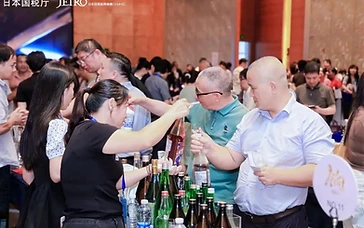
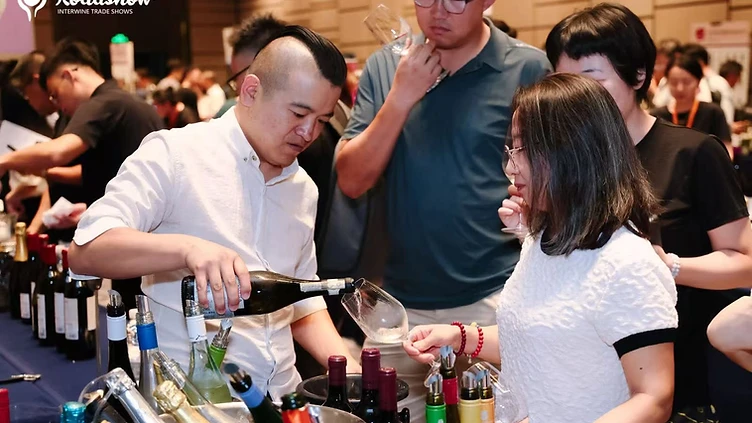
Face-to-face interaction remains the bedrock of wine distribution in China. Attending dedicated national platforms like the international exhibitions hosted by Interwine allows producers to engage directly with vetted buyers from across Jiangsu and East China. Exhibitors can also tap into targeted Business Matching services to pre-schedule bilateral discussions with trade visitors. Producers seeking regional expansion should consider how to Become an Exhibitor to secure focused commercial visibility before regional East China purchasing seasons.
2. Specialized Importer Databases and Trade Registries
Targeted intelligence platforms—such as BestWineImporters—catalog active trade entities across China, providing contact details for regional wine buyers and tracking historical trade data. Wineries can filter for companies active in East China or search for registered alcoholic beverage traders operating under the Jiangsu Administration for Market Regulation.
3. Regional Sommelier and On-Trade Sourcing Networks
Nanjing’s on-trade wine culture has developed significantly across key urban hubs. Export teams visiting the city should target high-end hotel beverage directors and independent wine bistros. Asking hospitality personnel which local distributors supply their back-bar frequently reveals the key boutique beverage merchants actively servicing the city's commercial core.
4. Bilateral Chamber Trade Missions and Consular Showcases
National trade bodies (such as Business France, ICEX, Italian Trade Agency, or Wine Australia) regularly coordinate B2B tastings in Shanghai and regional hubs like Nanjing. Participating in these curated events guarantees a verified baseline of licensed trade visitors.
Calculating Landed Costs: Margins, Tariffs, and Pricing Structure
One of the most frequent friction points between international wineries and Chinese wine buyers is pricing friction. Export managers must calculate landed pricing backwards from Nanjing’s retail shelf expectations.
As detailed in trade guidance by BestWineImporters, imported bottled still wine entering China incurs a cumulative tax structure consisting of a typical 14% import customs duty, a 10% consumption tax, and a 13% Value-Added Tax (VAT). Under standard calculation formulas, these combined import taxes add roughly 45% to 50% on top of the declared CIF (Cost, Insurance, and Freight) value:
+-------------------------------------------------------+
| FOB Winery Base Price: $5.00                          |
+-------------------------------------------------------+
                           |
                           v
+-------------------------------------------------------+
| CIF China Port Price: $6.00 (Freight & Insurance)     |
+-------------------------------------------------------+
                           |
                           v
+-------------------------------------------------------+
| China Customs Clearance: ~$9.00                       |
| (+ ~50% Duty, Consumption Tax, VAT)                   |
+-------------------------------------------------------+
                           |
                           v
+-------------------------------------------------------+
| Importer / Regional Distributor Margin (30% - 40%)    |
| Landed to Sub-distributor: ~$12.50 - $14.50           |
+-------------------------------------------------------+
                           |
                           v
+-------------------------------------------------------+
| Final Nanjing Retail / On-Trade Shelf: $18.00 - $24.00|
| (Standard 3x to 4x multiple of original FOB)          |
+-------------------------------------------------------+
When pitching a Nanjing distributor, always provide FOB, CIF Shanghai/Nanjing, and recommended retail prices (RRP) in RMB. Failing to accommodate the standard 3x–4x FOB-to-shelf multiplier signals a lack of market preparedness.
Due Diligence: Vetting Prospective Partners
Before executing exclusive sales contracts or dispatching initial container shipments, producers must conduct systematic due diligence on prospective Jiangsu partners:
- Verify Official Registration: Use the National Enterprise Credit Information Publicity System (GSXT) to inspect the distributor’s business scope (jingying fanwei), registered capital, shareholder structure, and active licenses for food/alcohol sales.
- Inspect Cold Chain Capability: Summer temperatures in Nanjing consistently exceed 35°C (95°F). Wineries producing quality-driven bottlings must confirm that the partner operates temperature-regulated warehousing and uses refrigerated trucking during transit from coastal ports.
- Assess Channel Fit: Scrutinize their existing portfolio. If the distributor specializes primarily in high-volume Chilean or Spanish bulk OEM labels for budget corporate gifting, placing an estate-grown, terroir-driven organic cru will rarely yield reorders.
- Audit Payment Terms: In the current economic climate, insist on standard trade terms (e.g., 30% to 50% deposit with balance against original bill of lading) for initial purchase cycles. Avoid open-credit accounts or local consignment models until long-term volume and trust are established.
Operational Next Steps
For wine brands targeting Nanjing’s market, success requires localized storytelling, disciplined pricing support, and consistent on-the-ground visibility. Start by evaluating whether your primary partner should be a national importer operating an East China branch or a direct Nanjing regional house. Align your collateral with simplified Chinese technical sheets, ensure compliance with Chinese labeling laws, and connect directly with commercial buyers through structured trade matchmaking platforms.
Sources
- MSA Advisory: Wine Market in China: Trends, Growth, and Consumer Preferences (2024)
- BestWineImporters: A Wine Exporter's Guide to Finding Buyers in China
- Beverage Trade Network: Wine Distributors in China
- China Wine Competition / Vino Joy News: China's Leading Wine Importers Guide (2024)
Key Takeaways
- —Nanjing serves as an affluent provincial commercial hub in the Yangtze River Delta, driven by corporate gifting, government-adjacent hospitality, and expanding bistro culture.
- —Wineries can target either national importers managing Jiangsu branch offices (such as EMW or ASC) or specialized local Nanjing distributors with direct B2B corporate connections.
- —Cumulative Chinese import duties, consumption tax, and VAT typically add approximately 50% on top of CIF value, resulting in retail prices 3 to 4 times FOB base rates.
- —Rigorous due diligence on temperature-controlled storage is vital given Nanjing’s severe summer heat and humidity.
- —Meeting verified regional buyers directly via professional trade fairs and structured business matching platforms remains the most reliable market entry strategy.
Frequently Asked Questions
Why target wine distributors in Nanjing rather than focusing only on Shanghai?
While Shanghai is China's primary hub for brand marketing and international culture, Nanjing offers deep commercial stability, corporate banquet volume, and lower distributor portfolio overcrowding, representing a vital gateway to Jiangsu province's wealthy consumer base.
What import taxes apply to bottled wine entering China?
Standard bottled still wine imports into China are subject to a combination of approximately 14% customs duty, 10% consumption tax, and 13% Value-Added Tax (VAT), which cumulatively increases the CIF base price by around 45% to 50%.
Should overseas wineries sign exclusive distribution contracts for Nanjing?
Wineries should generally avoid granting exclusive national distribution rights to a regional distributor located strictly in Nanjing. However, granting city-wide or provincial exclusivity for Jiangsu is a common and effective incentive if tied to clear, enforceable annual minimum volume thresholds.
How can wineries confirm whether a Nanjing wine distributor is legitimate?
Producers should check the company's registration on China's National Enterprise Credit Information Publicity System (GSXT) to inspect their registered business scope and capital, verify references with existing brand partners, and inspect physical temperature-controlled warehousing facilities.