How Wine Brands Can Build Local Demand in Chongqing
A commercial roadmap for wineries and regional brand directors seeking to build scalable demand in Chongqing, Southwest China's commercial mega-hub.
To establish sustainable sales in Chongqing, wine brands must bypass coastal sales assumptions and align directly with the municipality’s unique dining dynamics, regional tier-two distributor networks, and high-energy on-trade hospitality scenes. While coastal Tier 1 hubs like Shanghai and Shenzhen face crowded shelves and margin compression, Southwestern China presents an expanding commercial frontier. According to industry analysis by GlobalData (2022), Chongqing emerged among China's top urban markets in overall wine market share within a national sector valued at $42 billion. Unlocking this volume, however, requires tailored SKU positioning, local gastronomic adaptation, and direct engagement with regional sub-distributors who control western China's inland logistics.
Decentering Tier 1 Assumptions: The Chongqing Opportunity
Many overseas wine producers make the strategic mistake of treating China as a monolithic market, focusing marketing spend almost entirely on Shanghai, Beijing, or Guangzhou. However, as documented in an economic review on China’s wine market by China Briefing (2024), successful regional expansion across China hinges heavily on cultural sensitivity, localized brand registration, and tailored education that reaches beyond traditional coastal epicenters.
Chongqing, a municipality of more than 30 million residents, serves as the economic gateway to Southwest China and the strategic bridgehead for the New International Land-Sea Trade Corridor. The city's consumers possess rising disposable income coupled with a lower cost of living compared to coastal metropolises, leaving higher discretionary margins for social dining, gifting, and leisure consumption.
Yet, brands attempting to sell austere, highly tannic Old World reds frequently hit commercial resistance. The local commercial reality centers around how wine interacts with Chongqing’s rich, spice-heavy culinary heritage and informal dining culture. Importers and brand owners who calibrate their portfolios for local lifestyle habits capture enduring market share.
Aligning Product Profiles with Local Gastronomy
Chongqing’s dining landscape is world-renowned for hotpot (huoguo) and Sichuan-Chongqing cuisine dominated by mala (numbing Sichuan peppercorns and intense chili oil). High-alcohol, heavily oaked, tannic wines clash sharply with capsaicin and numbing spice, producing a bitter, unpleasant sensory reaction for local diners.
Sensory Styles Winning in Southwestern Dining Rooms
To gain velocity in Chongqing’s massive dining sector, regional distribution teams should prioritize:
- Off-Dry and Aromatic White Wines: Residual sugar cuts through chili heat. German and Alsatian Rieslings (Kabinett and Spätlese), Gewürztraminer, and aromatic Torrontés or Moscato deliver balance against fiery broths.
- Fruity, Low-Tannin Reds: Cru Beaujolais (Gamay), New World Pinot Noir, and Chilean Carmenere featuring ripe fruit profiles and soft tannins function far better across shared tables than astringent young Cabernets.
- Chilled Sparkling and Semi-Sparkling Wines: Prosecco, Cava, and Moscato d’Asti have gained traction as palate cleansers. Their acidity cuts grease, while lower service temperatures provide physical relief from boiling hotpot tables.
By framing your portfolio around local gastronomic utility rather than rigid Western European pairing rules, you equip distributors with functional selling points that restaurant and bistro buyers understand immediately.
Navigating Inland Distribution: Beyond Coastal Importers
Historically, foreign producers shipped containers to ports in Ningbo, Shenzhen, or Shanghai, leaving downstream inland distribution to primary importers. However, national distribution models in China have fragmented. An academic study on Chinese wine channels published by Bouzdine-Chameeva via ResearchGate highlights that the Chinese wine market relies heavily on on-trade channels—such as local restaurants, private banquet dining, and boutique hotels—where purchasing decisions are localized rather than standardized by corporate supermarket procurement.
The Rise of the Regional Tier-Two Merchant
Coastal mega-distributors frequently struggle to manage retail penetration in inland municipal districts such as Yuzhong, Jiangbei, or Yubei. Instead, regional wholesale hubs and independent local distributors maintain deep Guanxi with regional hospitality groups, corporate gifting procurement officers, and private tasting venues.
Wineries seeking entry should prioritize direct partnerships with Chongqing-based regional wholesalers. These operators require:
- Protected Territory Margins: Transparent tier pricing that shields them from price-slashing on coastal e-commerce platforms.
- Flexible Co-Branded Marketing Support: Collateral, dinner sponsorships, and tasting allowances denominated in Chinese Yuan (RMB).
- Reliable Local Warehousing: Access to temperature-controlled storage facilities in Southwest bonded logistics zones.
Connecting directly with regional wine traders and inland decision-makers is central to our trade show curation; international producers can explore vetted commercial pathways through Business Matching to align with verified regional buyers.
Executing the Right Go-to-Market Strategy
To build sustainable local demand in Chongqing, wineries must deploy a synchronized commercial strategy spanning brand identity, hospitality integration, and verified channel presence.
1. Chinese Brand Naming and Trademark Clearance
Never introduce a brand to the western China market without registering a dedicated Chinese brand name (Zhongwenming). As emphasized by China Briefing (2024), phonetic and semantic adaptation ensures that local waitstaff, restaurant sommeliers, and consumers can pronounce, order, and recommend your bottles on WeChat and Xiaohongshu without embarrassment.
2. Targeting the "Bistro" and Casual Social Dining Movement
Chongqing’s nightlife districts—such as Guanyinqiao, Daping, and Zhaomushan—have experienced an explosion of modern Chinese bistros (Chuan-cai Jiuguan), natural wine bars, and lifestyle concept venues. Unlike stiff banquet rooms, these establishments cater to younger urban professionals seeking relaxed social experiences. Brands that package approachable narratives, distinctive labels, and screw-cap closures find higher initial turnover in these accounts.
3. Activating Local Masterclasses and Sommelier Engagement
Educating the trade remains the highest-ROI brand investment in inland China. Organize certified trade sessions in partnership with regional sommelier associations. Equipping front-of-house hospitality personnel with quick tasting scripts demystifies your varietals and directly fuels cellar re-orders. Industry teams can review broader commercial trends across Chinese cities within our dedicated Market Insights analysis.
4. Anchoring Sales Pipelines at Major Industry Gatherings
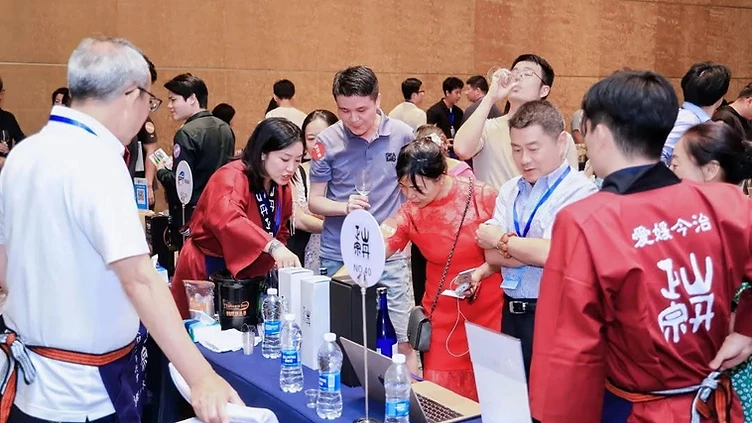
Regional buyers in Southwest China rarely commit to new foreign accounts via email or cold digital outreach; physical tasting, pedigree verification, and face-to-face negotiations are prerequisites. Overseas commercial managers and export directors can review participation criteria to Become an Exhibitor at upcoming trade conventions, establishing immediate credibility with qualified importers and western regional distribution syndicates.
Mitigating Commercial and Logistical Risks
Expanding into inland China requires cautious operational planning. Key vulnerabilities include:
- Heat Damage During Inland Transit: Shipping containers from coastal ports into Chongqing during summer months exposes wine to severe heat spikes. Brands must mandate reefer container rail transit via the Yangtze River logistics corridor or temperature-controlled rail networks.
- Uncontrolled Parallel Imports: Grey-market pricing across domestic online channels will quickly destroy distributor trust. Producers must enforce strict territorial distributor agreements with serialised QR codes.
- Inventory Stagnation: Avoid overloading distributors with large, single-lot annual orders. Support steady, periodic drawdowns to maintain fresh vintages on restaurant wine lists.
Conclusion: Capitalizing on the Southwest China Growth Curve
Chongqing represents one of China's most commercially dynamic wine consumption centers, but it penalizes brands running on generic coastal playbooks. By curating sensory profiles to complement bold regional dining, building direct alliances with provincial trade merchants, and investing in on-the-ground educational outreach, international wine producers can transform this inland powerhouse into a lucrative, recurring sales engine.
Sources
- GlobalData (2022): China Wine Market Size by Categories, Distribution Channel, Market Share and Forecast, 2021-2026. https://www.globaldata.com/store/report/china-wine-market-analysis/
- China Briefing by Dezan Shira & Associates (2024): China’s Wine Market Outlook: Trends and Opportunities. https://www.china-briefing.com/news/chinas-wine-market-outlook-trends-and-opportunities/
- Bouzdine-Chameeva, T. (ResearchGate): Wine distribution channel systems in mature and newly growing markets: Germany versus China. https://www.researchgate.net/publication/256078217_Wine_distribution_channel_systems_in_mature_and_newly_growing_markets_Germany_versus_China
Key Takeaways
- —Chongqing is one of the highest-volume wine consumption markets in Southwest China, but requires distinct distribution models compared to coastal Tier 1 cities.
- —Wine styles must sensory-pair with local dining: off-dry whites, sparkling, and low-tannin fruit-forward reds sell faster than heavily tannic, high-alcohol wines.
- —Relying solely on coastal Tier 1 importers leads to margin leakage; brands must cultivate direct ties with regional Tier 2 distributors and hospitality buyers.
- —Registering a phonetically clear and culturally resonant Chinese brand name is essential for consumer adoption and on-trade ordering.
- —Participating in dedicated B2B trade platforms and business matching programs accelerates inland distribution agreements while lowering customer acquisition costs.
Frequently Asked Questions
Why is Chongqing an attractive wine market for international producers?
Chongqing is a megacity of over 30 million residents and a central commercial hub in Southwest China. With lower living costs than Shanghai or Beijing and high discretionary spending on dining, nightlife, and hospitality, it offers rapid growth for brands that bypass overcrowded coastal channels.
What wine varieties pair best with Chongqing local dining?
Aromatic and off-dry white wines (such as Riesling, Gewürztraminer, and Moscato), sparkling wines (Prosecco, Cava), and low-tannin reds (Pinot Noir, Gamay) pair exceptionally well with the spicy, numbing flavors of hotpot and Sichuan cuisine by balancing heat and cutting richness.
How do distribution channels in Chongqing differ from coastal China?
Coastal China has more consolidated supermarket chains and direct corporate importers. In Chongqing and Southwest China, on-trade channels, independent bistros, private dining clubs, and regional Tier 2 distributors drive the majority of imported wine velocity, requiring hands-on local relationship building.
How can international wineries connect with verified distributors in Southwest China?
Wineries should participate in professional B2B trade exhibitions and targeted business matching sessions organized by INTERWINE. These forums provide direct access to verified regional importers, wholesale buyers, and hospitality procurement directors.