Wine Market and Trade Opportunities in Nanjing
A commercial B2B analysis of the wine market and trade opportunities in Nanjing, detailing Yangtze River Delta distribution networks, Jiangsu purchasing power, regulatory compliance, and regional trade show entry.
Nanjing represents one of the most commercially strategic regional entry points for international wine producers seeking resilient demand across East China. As the provincial capital of Jiangsu—a province recording an annual GDP exceeding 12.8 trillion RMB according to the Jiangsu Provincial Bureau of Statistics—Nanjing anchors a high-disposable-income metropolitan belt connecting Anhui and northern Zhejiang. Rather than battling saturated Tier-1 retail shelves in Shanghai, international wine brands and regional distribution teams are targeting Nanjing to capture expanding on-premise consumption, corporate procurement, and high-margin private banquet sales. Accessing this market requires a direct understanding of Jiangsu's regional logistics nodes, customs compliance workflows, and targeted B2B trade platforms like Interwine.
The Strategic Value of Nanjing in East China’s Wine Corridor
Nanjing serves as the political, administrative, and educational nexus of Jiangsu Province, establishing commercial consumer behaviors distinct from Shanghai's expatriate-driven hospitality scene. In Nanjing, purchasing decisions are guided by corporate gifting, government-adjacent hospitality, family celebrations, and an emergent community of young urban professionals demanding premium imported bottlings.
Geographically positioned on the lower reaches of the Yangtze River, Nanjing functions as a multi-modal logistics hub. Wine shipments clearing customs in Shanghai or regional Yangtze river ports can reach Nanjing's central warehousing districts within hours. From Nanjing, distribution rings directly link first-line secondary cities across Jiangsu—such as Changzhou, Zhenjiang, Yangzhou, and Taizhou—as well as the high-growth markets of eastern Anhui, including Chuzhou and Ma'anshan. For an international winery, establishing distributor relationships in Nanjing creates an immediate pathway across the broader Nanjing Metropolitan Circle, bypassing the extreme distributor churn seen in coastal hyper-tier cities.
Regional Import Dynamics and Jiangsu Purchasing Power
Nationally, China’s wine import market has transitioned from speculative volume-driven buying into value-led rationalization. Research published in the Journal of Wine Economics (2023) highlights that China’s total wine consumption has recalibrated toward quality, authenticated provenance, and verifiable distributor inventory. This shift favors established producers capable of demonstrating distinct varietal character and direct supply lines.
Tariff updates have fundamentally reshuffled shelf positioning. Following the official announcement by the Ministry of Commerce of China (MOFCOM) lifting anti-dumping and countervailing duties on Australian wine on March 29, 2024 (as reported by Reuters (2024)), bottled Australian wines have surged back into regional East China supply chains at a zero-percent tariff base. This re-entry increases shelf competition for mid-tier European bottlings, particularly Chilean, French, and Spanish entries that had captured baseline retail during the tariff dispute.
Jiangsu consumers exhibit robust per-capita spending power. Premium red wines—notably high-scoring Bordeaux blends, structured Australian Shiraz, and full-bodied Italian reds (such as Amarone and Brunello)—command significant market share during mid-autumn and Lunar New Year corporate procurement cycles. Simultaneously, younger consumers across Nanjing's urban districts (such as Xinjiekou and Hexi) demonstrate expanding interest in crisp white varietals (Marlborough Sauvignon Blanc, German and Alsatian Rieslings) and sparkling wines. Importers who align their regional portfolio directly with these evolving dining profiles unlock stable replenishment orders from local regional restaurant chains and private club cellars.
Channel Distribution: From Traditional Wholesale to B2B Digitization
Distribution in Nanjing does not operate as a single monolithic channel; instead, it is split across distinct B2B layers:
- Traditional State-Owned & Corporate Distributors: Well-capitalized distributors who service state-owned enterprise (SOE) procurement, corporate banquet allocations, and high-end Cantonese and Huaiyang restaurant private dining rooms. These buyers prioritize prestige, authentic producer credentials, and stable pricing tiers that safeguard their margin.
- Specialized Regional Importers: Independent fine wine merchants based in Nanjing who supply boutique bistros, wine bars, and regional retail outlets. These buyers actively seek estate-bottled wines with compelling brand storytelling, organic or biodynamic certification, and dedicated regional exclusivity.
- Omnichannel E-Commerce and D2C Hybrids: According to China Briefing (2024), citing data from the International Wine and Spirits Research (IWSR), China's alcohol e-commerce channel is projected to grow at a compound annual growth rate (CAGR) of 6 percent from 2022 to 2027, eventually capturing 40 percent of global online alcohol value. In Nanjing, traditional distributors frequently run parallel online storefronts on platforms like JD.com, Douyin, or private WeChat Mini Programs to serve immediate local deliveries, demanding digital marketing assets and Chinese-language collateral from producers.
Regulatory Clearances and CIFER Compliance Protocols
Executing shipments into Nanjing or through nearby Yangtze regional ports requires strict adherence to customs regulations overseen by the General Administration of Customs of the People's Republic of China (GACC). As detailed by the EU SME Centre (2023), overseas wine production facilities must complete mandatory enterprise registration via the GACC CIFER platform under Decree 248 prior to shipping commercial consignments.
Key compliance operational steps include:
- CIFER Enterprise Registration: Foreign wineries must ensure their production sites are validated and issued an official registration number, which must appear on external packaging and documentation.
- Chinese Back-Label Compliance: Under standard GB 7718 and GB 15037, back labels must display the mandatory Chinese brand name, product category, ingredients (including added sulfites), alcohol percentage, country of origin, shelf life/storage conditions, and the complete details of the licensed domestic importer.
- Customs Valuation and Inspection: Consignments arriving at regional bonded logistics parks (such as the Nanjing Comprehensive Bonded Zone) require certificates of origin, laboratory sanitary certificates, and commercial documentation that align exactly with physical packing manifests.
Navigating these steps without experienced in-market partners exposes wineries to clearance delays or customs warehouse demurrage costs. Establishing relationships with regional importers who maintain active customs broker partnerships is essential for frictionless inventory flow.
Commercial Entry and Distributor Engagement Strategies
For international wineries evaluating the East China market, selecting the correct engagement strategy determines long-term commercial survival. Direct cold outreach to regional distributors in Jiangsu yields low response rates due to risk aversion and intense product competition. Instead, successful brand entry relies on structured business matching and in-person engagement where buyers can evaluate product quality firsthand.
Producers seeking qualified regional distributor channels should explore practical commercial pathways:
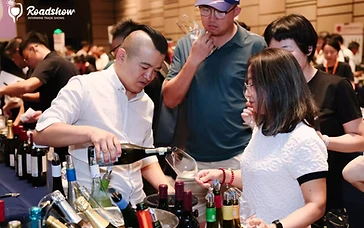
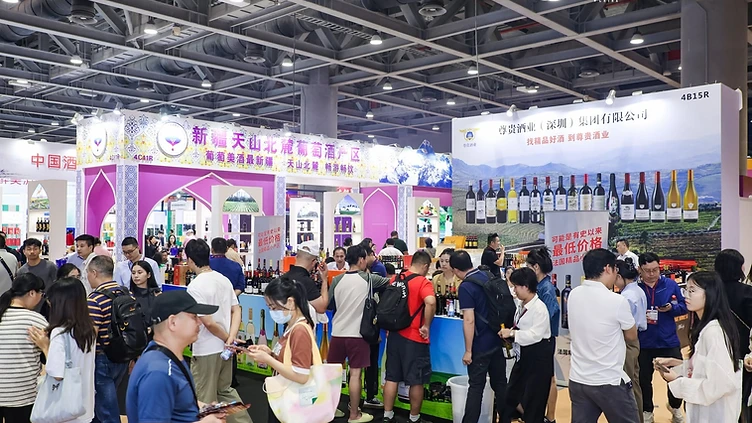
- Participating in National and Regional Exhibitions: Exhibiting at major industry trade gatherings provides immediate, filtered exposure to verified buyers. Overseas producers can become an exhibitor through Interwine to connect directly with Tier-2 and Tier-3 distributors, regional retail buyers, and hospitality procurement directors seeking new exclusive agency contracts.
- Targeted Commercial Matchmaking: Leveraging structured business matching sessions allows wineries to pre-screen distributor credentials, geographic reach, and retail footprint before committing to territorial exclusivity.
- Tracking Regional Market Shifts: Staying informed through analytical market insights ensures commercial pricing models remain competitive against fluctuating freight rates and tariff shifts.
By anchoring brand presence at premier trade exhibitions and coordinating localized market tastings across Jiangsu, wineries build authentic credibility with the buyers who supply Nanjing's high-margin banquet tables.
Conclusion: Capitalizing on Nanjing's Commercial Horizon
The wine market in Nanjing and Jiangsu represents an indispensable commercial territory for wineries looking beyond conventional Tier-1 hubs. With elevated provincial wealth, sophisticated corporate procurement, and expanding logistical connectivity, the regional trade environment rewards producers offering authenticated quality, transparent pricing, and direct distributor support. International wine brands ready to accelerate distribution across East China should align with established trade platforms, secure compliant customs pathways, and build direct partnerships with the region's top commercial distributors.
Sources
- China Briefing: China's Wine Market Outlook: Trends and Opportunities (2024)
- EU SME Centre: China's Wine Market(s): Drivers, Technical Requirements and Opportunities for EU Producers (2023)
- Journal of Wine Economics: What's Happened to the Wine Market in China? (2023)
- Reuters: China Lifts Tariffs on Australian Wine, Ends Three-Year Freeze (2024)
Key Takeaways
- —Nanjing serves as the primary distribution gateway to Jiangsu Province's 12.8+ trillion RMB economy and the broader Nanjing Metropolitan Circle.
- —Corporate banquets, private enterprise gifting, and expanding Tier-2 hospitality channels drive premium imported wine sales over hyper-saturated retail channels.
- —The removal of MOFCOM tariffs on Australian wine in March 2024 has reshuffled regional shelf competition across East China.
- —Import compliance requires mandatory GACC CIFER registration under Decree 248 and strict adherence to GB 7718 Chinese back-label standards.
- —Participating in established B2B trade platforms like Interwine provides direct access to qualified regional East China distributors.
Frequently Asked Questions
Why should international wineries target Nanjing instead of only Shanghai?
While Shanghai is a recognized gateway, its retail and hospitality market is highly saturated with fierce pricing competition. Nanjing provides access to Jiangsu Province's affluent consumer base and established corporate banquet channels, with lower distribution churn and direct access to high-growth secondary cities across the Yangtze River Delta.
What wine styles have the highest commercial demand in Nanjing?
Structured, full-bodied red wines (such as Bordeaux blends, Australian Shiraz, and Italian reds) dominate traditional corporate gifting and banquet channels. However, younger urban consumers in central dining districts show growing demand for crisp white wines like Riesling and Marlborough Sauvignon Blanc, as well as sparkling wines.
What are the mandatory customs requirements for importing wine into China?
Overseas wineries must complete facility registration via the GACC CIFER system under Decree 248 before shipping. In addition, bottles must comply with national standards GB 7718 and GB 15037 regarding Chinese-language back labels, alongside standard customs declarations, commercial documentation, and phytosanitary certificates.
How did the 2024 removal of tariffs on Australian wine affect the Jiangsu market?
Following China's lifting of anti-dumping duties in March 2024, Australian wines quickly re-entered East China distribution channels with zero tariffs. This has intensified competition across mid-to-high price tiers, prompting producers from Europe and South America to emphasize estate authenticity, educational masterclasses, and tailored B2B channel margins.
How can wine producers connect directly with Nanjing distributors via Interwine?
Producers can register as exhibitors at Interwine trade shows, gaining access to pre-qualified distributor matchmaking sessions, regional sommelier networks, and high-volume corporate procurement managers actively seeking regional agency rights.