How to Find Wine Importers and Distributors in Suzhou
A commercial roadmap for wineries and export managers on how to find wine importers and distributors in Suzhou, navigate Jiangsu trade networks, and secure distribution.
To find wine importers and distributors in Suzhou, wine producers must approach the city not as an isolated regional enclave, but as an economic powerhouse within the Greater Yangtze River Delta (YRD) trading ecosystem. Direct matchmaking with licensed beverage importers, partnering with Shanghai-based national tier-one distributors servicing Jiangsu, utilizing commercial trade intelligence platforms, and participating in targeted trade fairs like Interwine represent the most reliable commercial pathways. By aligning regional pricing, on-premise positioning, and administrative customs compliance, foreign wineries can establish a resilient distribution footprint across Suzhou’s high-net-worth enterprise and hospitality sectors.
The Strategic Commercial Value of Suzhou’s Wine Market
Suzhou, located in Jiangsu Province immediately west of Shanghai, is one of China’s wealthiest prefecture-level economies. Boasting a massive gross regional product supported by the Suzhou Industrial Park (SIP) and deep concentrations of private domestic enterprises and multinational corporations, the city has developed a highly sophisticated consumer base. According to an industry overview by MS Advisory in 2024, China's total wine market was valued at $40.4 billion with long-term compound annual growth projected above 11%. Within this macro landscape, southern Jiangsu stands out for high disposable income and steady luxury expenditure.
Unlike traditional municipal retail environments, wine consumption in Suzhou is heavily anchored in private business banqueting, five-star hospitality venues, affluent domestic tourism around Jinji Lake and the historical canals, and corporate gifting. Consequently, discovering the right distribution partner requires navigating a two-tiered distribution reality: locally registered import trading firms based inside Suzhou, and premier regional distributors operating out of neighboring Shanghai that maintain dedicated Suzhou sales offices and delivery routes.
Mapping the Importer and Distributor Landscape in Suzhou
To build a viable pipeline of commercial buyers, international export managers must distinguish between three distinct types of wine market intermediaries operating in Jiangsu:
- Direct Customs Importers in Suzhou & Free Trade Zones: Entities operating in the Suzhou Industrial Park or the local Comprehensive Bonded Zones. As customs logistics data from ImportGenius (2024) indicates, entities such as Suzhou Hope Trend Import and Export handle international shipments directly via regional sea-land terminals. These companies hold import licenses, possess temperature-controlled warehousing, clear customs locally, and supply corporate clients and private clubs.
- National Tier-One Importers with Dedicated Jiangsu Coverage: Major distributors headquartered in regional hubs (such as Shanghai or Beijing) frequently dominate high-end restaurant and hospitality accounts across Suzhou. As profiled by Beverage Trade Network, established wine importers such as The Wine Republic maintain active distribution coverage extending across Beijing, Shanghai, Shenzhen, Hangzhou, and Suzhou, serving luxury hospitality groups including Shangri-La, Marriott, and InterContinental.
- Local Wholesalers and Sub-Distributors (Er-Ji Dai-Li-Shang): Native to districts such as Gusu, Wujiang, and Kunshan, these operators lack import licenses but command deep relationships with local food service groups, private banqueting facilities, and specialized retail chains. They purchase stock from primary importers and represent the vital last-mile channel for brand penetration.
Producers seeking market entry can explore deeper structural trends in Market Insights to better understand regional demographic shifts across second- and third-tier metropolitan areas.
Concrete Channels to Locate and Vet Partners
1. Targeted Wine Exhibitions and Structured B2B Matchmaking
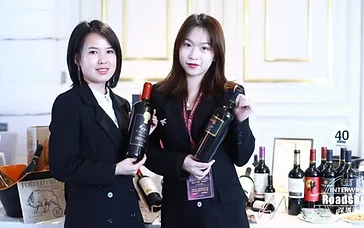
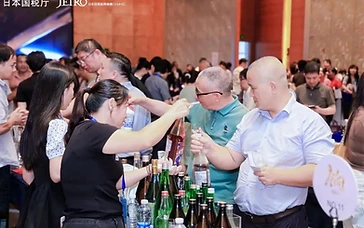
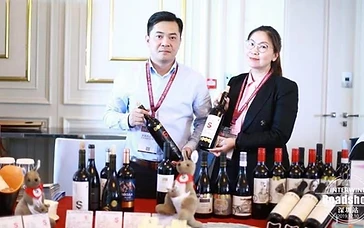
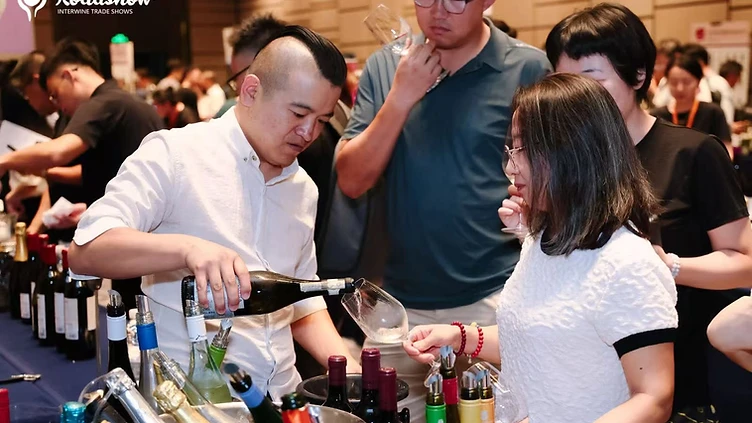
Participating directly in dedicated beverage trade events remains the standard method for establishing trust with Chinese commercial buyers. Face-to-face negotiations allow wineries to present their product lines, provide immediate tastings, and negotiate margin expectations in a controlled setting. International brands looking to accelerate direct connections with verified regional buyers should register to Become an Exhibitor, gaining immediate access to pre-scheduled Business Matching meetings with qualified distributors across East and South China.
2. Customs Declarations and Trade Intelligence Databases
Customs records provide empirical verification of trade activity. Export managers should utilize specialized intelligence platforms to isolate buyers clearing bottled wine (HS Code 2204) through Shanghai, Taicang, and Ningbo customs checkpoints destined for Suzhou consignees. Databases such as BestWineImporters (2024) aggregate verified purchasing directors and commercial shipment volumes across mainland China, while specialized regional trade press publications like Vino Joy News (2024) track shifting strategies among China’s top 100 importing firms.
3. Engaging Local Hospitality and Sommelier Networks
Suzhou’s top-tier luxury hotels (including the W Suzhou, Four Seasons Suzhou, and Shangri-La) and upscale dining establishments in SIP represent influential showcases. Conducting targeted field visits to inspect wine lists and interviewing beverage directors directly reveals which distribution partners deliver consistently, maintain local cold-chain warehousing, and offer brand activation support.
Wineries planning on-site market research trips can streamline logistics by referencing Arrival and Transportation resources before meeting regional commercial operators.
Managing Regulatory Requirements and Cold-Chain Logistics
Finding a distributor is only half the equation; establishing an operational import workflow is essential to preventing costly border delays. Jiangsu entry ports enforce strict compliance via the General Administration of Customs of China (GACC):
- Exporter Registration (Decree 248/249): Foreign wine producers must be officially registered on the China Import Food Enterprises Registration system prior to shipment dispatch.
- Label Verification: Back-labels must strictly conform to Chinese food safety standards (GB 7718 and GB 2758), specifying standard metrics including alcohol content, shelf life declarations, sulfur dioxide warnings, and the local importer’s full registered name and contact details.
- Climate-Controlled Transport: Suzhou experiences high summer temperatures and humidity. Experienced importers will insist on reefer containers (temperature-controlled shipping) from European or New World ports directly to East China container terminals, backed by local air-conditioned storage.
Structuring the Commercial Agreement
When foreign wine producers negotiate with regional distributors covering Suzhou, commercial terms should be defined prudently:
- Regional vs. National Exclusivity: Avoid granting nationwide exclusivity to regional players. Limit distribution exclusivity specifically to Suzhou, Wuxi, and Changzhou (the "Su-Xi-Chang" cluster), or require strict minimum order volume (MOV) quotas per quarter before granting broader provincial coverage across Jiangsu.
- Support and Joint Marketing: Chinese distributors expect foreign wineries to co-invest in market development. Successful agreements typically budget for bilingual sales literature, branded glassware, masterclasses for the distributor's sales team, and tasting samples.
- Payment Realities: Standard initial contracts operate on an upfront deposit (e.g., 30% to 50% on order confirmation, balance against shipping documents before customs clearance). Extending credit terms should only occur after a multi-year trading history has been established.
Conclusion: Taking Decisive Next Steps
Finding qualified wine distributors in Suzhou requires targeted outreach, strict verification of trading licenses, and a presence in established industry forums. Wineries that leverage professional exhibition platforms and structured matchmaking will secure partners capable of navigating Jiangsu’s corporate and hospitality trade. Evaluate potential buyers, verify their customs clearance history, and join the industry’s central commercial hub by reserving space to Become an Exhibitor at Interwine.
Sources
- Beverage Trade Network: Wine Distributors in China — https://beveragetradenetwork.com/en/wine-distributors-in-china-50.htm
- MS Advisory: Wine Market in China: Trends, Growth, and Consumer Behavior (2024) — https://msadvisory.com/wine-market-in-china
- ImportGenius: Trade Data & Importer Profiles (2024) — https://www.importgenius.com/importers/seven-licensing-company-llc
- BestWineImporters: Global Wine Importers & Distributors Directory (2024) — https://www.bestwineimporters.com/
- Vino Joy News: China’s Top 100 Importers Report (2024) — https://vino-joy.com/product/chinas-top-100-importers/
Key Takeaways
- —Suzhou's wine market is largely serviced by a combination of local bonded zone trading companies and Shanghai-based regional tier-one distributors.
- —B2B wine consumption in Suzhou is heavily concentrated in the Suzhou Industrial Park (SIP), five-star hospitality venues, and corporate gifting.
- —Producers must verify importer compliance under GACC Decrees 248/249 and ensure cold-chain logistics to protect wine quality during humid summer months.
- —Avoid granting unrestricted nationwide distribution agreements; structure initial contracts around the Su-Xi-Chang (Suzhou-Wuxi-Changzhou) metropolitan belt with explicit sales quotas.
- —Participating in recognized trade events like Interwine provides direct access to qualified, pre-screened importers and distributors actively seeking international brand partnerships.
Frequently Asked Questions
Do I need a distributor located physically within Suzhou?
Not necessarily. Many wineries access Suzhou through Shanghai-based tier-one importers who run regular logistics routes and account management in Suzhou. However, for deep corporate gifting and local government or banquet business, partnering with a locally registered distributor in Suzhou provides superior on-the-ground access.
What import regulations apply when selling wine to Suzhou buyers?
Foreign producers must be registered under GACC Decrees 248/249, produce compliant Chinese back-labels according to GB 7718/2758 standards, and provide sanitary certificates and certificates of origin for customs clearance.
What wine varieties perform best in the Suzhou market?
Full-bodied red wines (Cabernet Sauvignon, Merlot, Syrah) retain commercial dominance for formal banquets and corporate gifts. However, white wines (such as Chardonnay, Riesling, and Sauvignon Blanc) and premium sparkling wines are growing rapidly in Suzhou's modern on-premise venues and among younger urban professionals.
How can an international winery meet pre-qualified Suzhou wine importers directly?
The most effective route is exhibiting at established national wine exhibitions such as Interwine, taking advantage of organized business matching programs that introduce pre-screened East China buyers directly to producers.