How to Find Wine Importers and Distributors in Chengdu

Discover how international wineries can identify, evaluate, and secure verified wine importers and distributors in Chengdu, the strategic gateway to Southwest China's evolving wine consumer base.
To find wine importers and distributors in Chengdu, international wineries must adopt a hybrid route-to-market strategy: target established national distributors with dedicated Sichuan logistics hubs (such as ASC Fine Wines and Summergate), connect with regional Southwest distributors via specialized trade platforms, conduct verifiable GACC customs due diligence, and tailor commercial wine portfolios to Chengdu’s distinctive culinary and digital commerce ecosystem.
Chengdu serves as the economic and cultural engine of Southwest China. According to the USDA Foreign Agricultural Service (FAS) Wine Market Update (2025), General Administration of Customs China (GACC) trade data showed national wine imports reached approximately $1.6 billion in 2024, with tier-one and emerging powerhouse cities like Shanghai, Beijing, Shenzhen, and Chengdu housing a rapidly expanding base of wine enthusiasts. Producers aiming to build sustainable distribution across Sichuan cannot rely on generic China playbooks; they require targeted regional execution.
Understanding Chengdu's Wine Distribution Ecosystem
Chengdu’s wine distribution framework operates across two primary commercial layers. The first layer consists of major national distributors who maintain permanent regional offices, dedicated on-trade sales representatives, and climate-controlled warehousing in Chengdu. Key industry leaders like ASC Fine Wines maintain regional hubs and temperature-controlled facilities across strategic inland nodes, including Chengdu, to serve high-end hotels, western restaurants, and corporate accounts across Sichuan. Similarly, national distributors such as Summergate and The Wine Republic operate regional branches within Chengdu to manage localized on-premise accounts and private client networks.
Below national conglomerates sits an extensive network of domestic regional distributors, sub-distributors, and independent merchant houses. These local operators manage entrenched relationships across Sichuan's secondary and tertiary cities (including Mianyang, Yibin, and Luzhou). Many run hybrid wholesale operations servicing local Sichuan hotpot chains, contemporary fusion bistros, regional banquet halls, and localized social commerce accounts.
Unlike coastal markets like Shanghai, which skew heavily toward on-premise sommelier culture and mature Western dining, Chengdu’s market thrives on an energetic leisure lifestyle and dining scene. The fiery, palate-numbing qualities of traditional Sichuan cuisine (mala) have generated measurable local demand for aromatic whites (such as Riesling, Gewürztraminer, and Sauvignon Blanc), sparkling wines, and fruit-forward, lower-tannin reds that complement intense spice profiles.
Practical Channels to Source Wine Partners in Chengdu
1. In-Person Trade Platforms and Business Matching
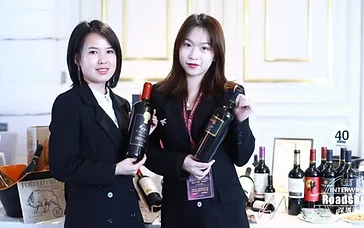
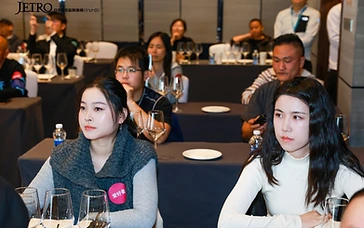
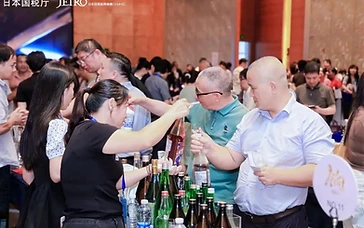
Finding verified partners requires qualified face-to-face evaluation. Chengdu annually hosts major wine-gathering forums such as the China Food & Drinks Fair (CFDF) hotel exhibitions, where industry professionals converge. For international producers seeking targeted commercial connections, exhibiting at dedicated B2B platforms such as Interwine provides a vetted pathway to engage active regional buyers. Utilizing specialized Business Matching services allows wineries to pre-screen Southwest buyers according to channel focus, existing portfolio conflicts, and capital strength before sitting down at the negotiation table.
Wineries planning on-site market entry should align their participation with broader regional sourcing calendars by reviewing scheduled trade dates via Interwine Events. To anchor a successful trip, exploring how to Become an Exhibitor grants direct exposure to purchasing directors who travel from across Sichuan, Chongqing, and Guizhou.
2. Digital B2B Outreach and Social Commerce Channels
Modern Chinese beverage trade heavily integrates mobile and social commerce ecosystems. According to market analysis from Asia Pro Distribution (2026), online and social commerce represents nearly 28% of overall wine purchases across mainland China. In Chengdu, distributors actively source niche labels to fuel live-streaming retail on Douyin and localized community group buying on WeChat.
International exporters should establish a verified presence on WeChat for B2B engagement, creating professional product catalogs with translated tasting profiles, technical sheets, and clear FOB/CIF pricing tiers. B2B directory portals and sector reports—such as those curated by Vino Joy News (2024)—also provide reliable reference points for identifying domestic distribution houses actively registering new foreign supplier contracts.
Screening and Qualifying Sichuan Distribution Partners
Not every company claiming to be an importer possesses an active distribution pipeline. Foreign wineries must conduct comprehensive due diligence prior to signing commercial agreements:
- Verify GACC Registration & Import Licenses: Under GACC Decree 248/249, overseas manufacturing facilities must be officially registered, and the domestic Chinese partner must possess a valid Customs Import & Export Registration License and Food Business License (Shipin Jingying Xukezheng).
- Inspect Cold-Chain and Warehousing Facilities: Inland summer temperatures in Sichuan can easily compromise wine integrity. Verify whether your prospective partner operates or leases certified temperature-controlled warehousing in Chengdu, or whether they rely on unregulated third-party transit.
- Audit Regional Channel Reach: Distinguish between direct-to-retail distributors and middle-tier brokers. Request a transparent breakdown of their client portfolio across Sichuan’s on-trade (HORECA), off-trade boutique retail, corporate gifting, and e-commerce.
- Trademark Protection: Prior to sending samples or marketing assets, secure your Chinese trademark registration (pinyin and Chinese phonetic translation) with the China National Intellectual Property Administration (CNIPA). Brand squatting remains a persistent risk for unhedged entrants.
Commercial Alignment: Positioning Portfolios for Southwest China
To capture Chengdu distributors, wineries must articulate clear commercial viability. Price competition across mid-tier wines is fierce, and local buyers prioritize margin clarity, flexible minimum order quantities (MOQs), and producer-backed promotional commitments.
Distributors in Southwest China seek wineries willing to invest in localized education, regional sommelier masterclasses, and co-branded digital marketing collateral. Portfolios that highlight pairing compatibility with local dining culture, sustainable organic practices, or unique regional storytelling provide distributors with the commercial hooks required to win placement in Chengdu's vibrant hospitality scene. To study macroeconomic shifts across provincial wine hubs, review current updates in Market Insights.
Conclusion
Chengdu represents an indispensable commercial nexus for wineries seeking diversified expansion beyond saturated coastal gateways. Success requires partnering with distributors who combine proven regulatory compliance, temperature-controlled logistics, and an understanding of Southwest China’s dining and digital trade. Exporters can dramatically shorten their commercial timeline by auditing partners rigorously, preparing targeted regional portfolios, and participating directly in structured business matching events across mainland China.
Sources
- USDA Foreign Agricultural Service (FAS) – Wine Market Update 2025
- Asia Pro Distribution – Tips for Wineries to Find Chinese Importers (2026)
- EU SME Centre – China's Wine Market: A Guide for Exporters (2026)
- Vino Joy News – Here Are China's 50 Top Wine Importers (2024)
Key Takeaways
- —Chengdu is the leading commercial wine hub for Southwest China, supported by rising consumption of aromatic whites, sparkling wines, and approachable reds.
- —Major national distributors such as ASC Fine Wines and Summergate maintain dedicated Chengdu hubs alongside hundreds of regional Sichuan sub-distributors.
- —Verification of GACC import compliance, domestic food business licensing, and climate-controlled warehousing is essential before contracting.
- —Digital B2B channels, WeChat B2B assets, and targeted wine fairs are the most cost-effective routes to partner discovery.
- —Securing Chinese trademark registrations with CNIPA must precede sample distribution and commercial negotiations.
Frequently Asked Questions
Why is Chengdu an important market for international wine producers?
Chengdu is the commercial and economic gateway to Southwest China with an affluent, leisure-oriented consumer base. As noted by the USDA FAS in 2025, major interior hubs like Chengdu are seeing strong growth in wine consumption, offering wineries lower saturation and higher growth potential than coastal cities.
What wine styles are currently popular among Chengdu consumers?
Due to Sichuan's intensely spiced culinary culture, local consumers show elevated interest in aromatic white wines (such as Riesling and Sauvignon Blanc), sparkling wines, and fruit-driven, supple red wines that pair well with local gastronomy.
How can an exporter verify a Chengdu distributor's import credentials?
Exporters should verify the partner's Customs Import and Export Registration Certificate, cross-check their unified social credit code on the National Enterprise Credit Information Publicity System, and confirm their active Food Business License (Shipin Jingying Xukezheng).
What is the role of trade shows in securing wine distribution in Chengdu?
Trade shows and professional business matching platforms provide wineries with vetted, in-person meetings with active Southwest buyers, eliminating intermediaries and allowing producers to inspect prospective partners' commercial scale firsthand.