How Wine Brands Can Find Distributors in Hong Kong
Discover how international wine brands can find, vet, and partner with Hong Kong distributors. Learn regulatory frameworks, margin models, channel structures, and practical business-matching tactics.
To establish sustainable sales in Asia, learning how wine brands can find distributors in hong kong requires understanding the territory's zero-tariff framework, hybrid business structures, and role as an re-export gateway to mainland China. Instead of relying on passive cold emails, successful producers combine targeted tier evaluation, structured margin modeling, and verified in-person business matching to secure experienced import partners.
According to the Hong Kong Trade Development Council (HKTDC) citing the Census and Statistics Department, by 2024 there were 770 establishments engaged in the import wholesale of alcoholic beverages, up significantly from 310 in 2008. While this low barrier to entry offers unprecedented market access, it also creates an intensely crowded landscape. International wineries must navigate structural distinctions between traditional importers, integrated retailer-wholesalers, and regional bonded trading operations to avoid commercial missteps.
Understanding the Hong Kong Wine Distribution Landscape
Hong Kong remains one of the world's most open wine economies. As documented by the Commerce and Economic Development Bureau (CEDB), Hong Kong eliminated all customs duties, excise taxes, and administrative certification requirements on grape wine in February 2008. The absence of import duties or sales tax makes the territory a free port and an administrative benchmark for the global wine trade.
However, a duty-free framework does not imply zero entry friction. Commercial friction centers on high retail real estate costs, tight warehousing space, and working capital constraints among distributors. In Hong Kong, distribution structures rarely mirror the rigid three-tier systems found in North America. A single trading firm often operates simultaneously as an importer, logistics handler, on-trade supplier, and direct-to-consumer (DTC) boutique retailer.
[International Winery / Brand]
              │
              ▼
  Hong Kong Port (Zero Tariff / Duty-Free)
              │
   ┌──────────┴────────────────────────┐
   ▼                                   ▼
[Direct Local Distribution]   [Re-Export & Greater Bay Gateway]
   │                                   │
   ├─ On-Trade (Hotels, Clubs, Dining) ├─ Mainland China (CEPA Customs Scheme)
   ├─ Off-Trade (Watson's, Specialty)  ├─ Macau (Hospitality / Casino Resorts)
   └─ Private Clients / Fine Auctions  └─ Southeast Asia Distribution Hubs
The Dual-Market Reality: Domestic Pour vs. Gateway Re-Export
When evaluating a distributor, wineries must determine whether the partner serves the domestic market or operates as an international transshipment house:
- Domestic Consumption: Domestic demand is shaped by Hong Kong's culinary culture, premium corporate entertainment, private clubs, high-end gastronomy, and an established fine wine auction scene.
- Regional Re-Export and Mainland Access: Academic trade studies on Hong Kong as a regional hub (such as Lau, 2014) highlight that historically up to 84% of wine arriving in Hong Kong has been transshipped or re-exported to destinations such as Macau and mainland China. Under the Mainland and Hong Kong Closer Economic Partnership Arrangement (CEPA) and special customs facilitation arrangements, registered Hong Kong traders benefit from expedited wine clearance into mainland China.
Producers seeking broader Asian penetration should examine our ongoing market insights to balance Hong Kong local placements with cross-border opportunities into the Guangdong-Hong Kong-Macao Greater Bay Area.
Categorizing Distributor Profiles in Hong Kong
Not all 770 wholesale importers service the same accounts. Pitching an entry-level table wine to a fine-wine allocation broker, or pitching an ultra-premium boutique cuvée to a high-volume supermarket consolidator, leads to lost allocations and wasted marketing funds.
| Distributor Category | Primary Focus Channels | Volume Capacity | Portfolio Profile | Key Commercial Demands | | :--- | :--- | :--- | :--- | :--- | | Tier-1 Consolidated Conglomerates | Supermarket multiples (A.S. Watson Group, PARKnSHOP, Wellcome), airline pouring, hotel banqueting | High (Multi-container shipments) | Commercial volume, internationally recognized brand equity | Listing fees, slotting allowances, strict promotional rebates | | Mid-Sized Fine Wine Importers | Michelin-starred dining, private clubs, premium on-trade, boutique wine bars | Moderate (Pallet to multi-pallet) | Terroir-driven estate wines, organic/biodynamic certifications, family estates | Exclusive territorial rights, winemaker visits, staff education support | | Regional Re-Exporters & Traders | Greater Bay Area bonded trade, cross-border e-commerce, private regional collectors | High variable (Transaction/allocation dependent) | Blue-chip Bordeaux/Burgundy, high-scoring iconic New World wines | Competitive ex-cellar pricing, bonded warehouse compliance, flexible inventory access | | Specialist Niche Wholesalers | Independent bistros, natural wine cellars, direct membership clubs | Low to Moderate (LCL / Consolidated air-freight) | Low-intervention, single-varietal focus, emerging origin regions | Narrative marketing, sample support, fast-turn delivery terms |
Channel Pricing, Margins, and Commercial Reality
Because Hong Kong levies 0% duty on wine, many international brands assume their retail shelf prices will be lower than in standard export markets. In practice, commercial margins must absorb some of the world's highest commercial rents and temperature-controlled storage overhead.
Target Margin Expectations
- Importer/Wholesaler Margin: 25% to 35% on landed cost.
- On-Trade (HoReCa) Markups: 150% to 300% (2.5x to 4x cost of goods purchased from the distributor).
- Off-Trade Retailers: 30% to 45% gross margin on shelf price.
[Ex-Cellar Price: €10.00 / HK$85.00]
               │
       + Freight, Insurance, HK Temperature-Controlled Handling (~HK$12.00)
               │
     [Landed Cost: HK$97.00]
               │
       + Distributor Margin (~30% / +HK$41.50)
               │
   [Wholesale Selling Price: HK$138.50]
         ┌─────┴─────────────────────────────────┐
         ▼                                       ▼
   [On-Trade Channel (HoReCa)]            [Specialty Wine Retail]
   Markup: 200% - 250%                    Margin: 35% - 40%
   Wine List Price: HK$415.00 - HK$485.00  Shelf Retail Price: ~HK$215.00 - HK$230.00
When presenting commercial price files to Hong Kong buyers, quote in clear incoterms (FOB origin port or CIF Hong Kong). Importers expect volume-tiered pricing, allocated sample allowances (typically 1–2 sample bottles per commercial order tier), and clear cooperative marketing budgets (Co-Op) to offset local tasting masterclasses.
Practical Steps to Find and Secure Distributors
Phase 1: Market Intelligence & Due Diligence
  └─ Map product positioning vs. HK retail price landscape
  └─ Audit HKTDC / HK Trade register databases

Phase 2: Commercial Preparation
  └─ Build CIF Hong Kong / FOB price calculators
  └─ Create bilingual (English / Traditional Chinese) sales sell-sheets

Phase 3: Direct Engagement & Buyer Matching
  └─ Participate in regional industry platforms (Interwine matching)
  └─ Target face-to-face meetings at scheduled wine-trade gatherings

Phase 4: Contract Negotiation & Growth
  └─ Define channel-specific vs. territorial exclusivity clauses
  └─ Establish quarterly KPI reviews and local promotional support
Step 1: Filter Verified Trade Registers
Do not rely on unsolicited cold emails. Cross-reference prospective buyers via verified directories such as the HKTDC Trade Fair Portals and industry indexes published by established beverage logistics networks. Prioritize importers that demonstrate cold-chain integrity, such as certification under the Hong Kong Quality Assurance Agency (HKQAA) Wine Storage Management Scheme.
Step 2: Use Pre-Screened Business Matching
Unsolicited inquiries sent to generic info@ distribution emails rarely yield commercial distribution agreements. Decision-makers attend professional industry exhibitions to taste products and assess producer reliability firsthand.
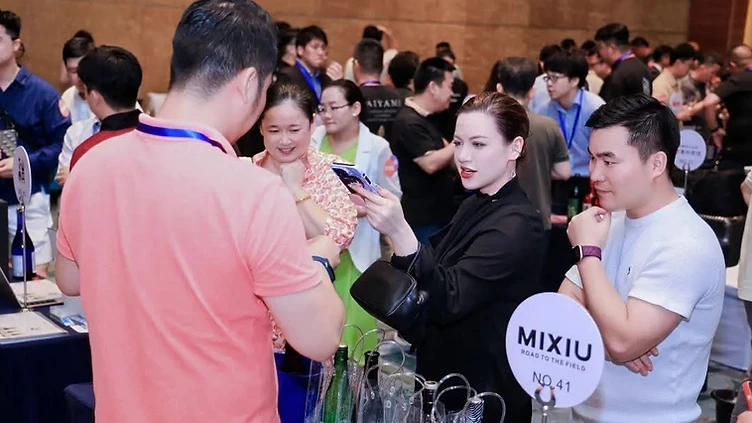
Participating in structured business matching allows brands to meet pre-qualified buyers whose active portfolio gaps match the winery's varietal, volume, and price band. Many global wineries align their Hong Kong market strategy with major Asian regional trade fairs to secure distribution across southern China simultaneously.
Producers preparing to present their wines to Asian buyers can register to become an exhibitor at upcoming trade events or examine our exhibitor directory to evaluate existing commercial representations across the region.
Step 3: Pitch Market Fit Over Winemaking Technicalities
Hong Kong buyers are commercially astute. While technical specifications, soil composition, and oak aging profiles matter, your initial pitch deck must address:
- Market Validation: Existing scores, consumer press ratings, or awards from international competitions.
- Channel Fit: Whether the bottle is packaged for high-turnover premium by-the-glass (BTG) programs, luxury gifting, or private collector cellars.
- Food Pairing Versatility: How the wine complements Cantonese, Sichuan, and broader Asian gastronomic profiles, an aspect highlighted by HKTDC trade assessments as a key driver of local on-trade sales.
Legal, Contractual, and Risk Considerations
Although import licensing is streamlined under the USDA Foreign Agricultural Service guidance on Hong Kong wine regulations, drafting commercial distribution contracts requires attention to local legal realities:
- Beware of Blanket Greater China Exclusivity: A frequent commercial error is granting a Hong Kong distributor exclusive rights across Greater China (including mainland China, Macau, and Taiwan) when the distributor only has local Hong Kong retail relationships. Maintain territorial boundaries unless the distributor demonstrates verified mainland distribution licenses and active bonded sub-distributor networks.
- Channel-Specific Exclusivity: If a distributor specializes solely in on-trade dining, reserve off-trade e-commerce and retail rights, or set performance milestones that must be met to maintain exclusivity.
- Trademark Protection: Hong Kong operates a separate trademark registration system from mainland China under common law traditions. Register your brand trademarks directly with the Hong Kong Intellectual Property Department before dispatching commercial samples.
Conclusion: Moving from Strategy to Market Execution
Securing sustainable wine distribution in Hong Kong requires an understanding of its duty-free status, high operational overhead, and dual role as a local consumer market and re-export gateway. By targeting the right tier, establishing realistic channel margins, protecting your commercial boundaries, and engaging in structured commercial face-to-face introductions, your winery can build a resilient, long-term brand presence in Asia's wine capital.
Sources
- Hong Kong Trade Development Council (HKTDC) - Wine Industry in Hong Kong (2024 Market Overview): https://research.hktdc.com/en/article/MzEzOTc5OTQ3
- Commerce and Economic Development Bureau (CEDB) - Wine Business Policy and Support Initiatives: https://www.cedb.gov.hk/en/policies/wine-business.html
- USDA Foreign Agricultural Service - Hong Kong's Import Regulations on Wine: https://apps.fas.usda.gov/newgainapi/api/Report/DownloadReportByFileName?fileName=Hong+Kong%E2%80%99s+Import+Regulations+on+Wine_Hong+Kong_Hong+Kong_12-13-2010.pdf
- HAL Open Science / Research Paper (Lau, Y.Y.) - Becoming a Major Hub in the Distribution of Wine: Hong Kong as a Gate to Asian Markets: https://ideas.repec.org/p/hal/journl/hal-01069882.html
Key Takeaways
- —Hong Kong operates as a 0% tariff, duty-free port for wine, making it Asia's central wine trading and re-export hub.
- —According to the HKTDC (2024), there are 770 licensed wine import wholesale establishments in Hong Kong, creating high competition for portfolio space.
- —Wineries must differentiate between local domestic distribution (HoReCa, luxury retail) and regional re-export channels targeting mainland China and Macau.
- —Distributor gross margins average 25%-35%, but end-consumer pricing must account for substantial local storage, real estate, and hospitality markups.
- —Producers should avoid broad Greater China exclusive contracts unless the partner has verified cross-border logistics and mainland branch operations.
- —Direct business-matching programs and targeted trade exhibitions provide the highest conversion rates compared to unsolicited digital cold outreach.
Frequently Asked Questions
Does Hong Kong charge customs duty or import tax on wine?
No. Under the policy established by the Hong Kong Special Administrative Region Government in February 2008, all customs duties, excise taxes, and administrative certification requirements on grape wine with an alcoholic strength under 30% were eliminated (Commerce and Economic Development Bureau, 2024).
How can a winery verify if a Hong Kong distributor is legitimate?
Wineries should request business registration certificates (BR), inspect their credit history, verify temperature-controlled warehouse standards (such as HKQAA Wine Storage Certification), review their active on-trade and off-trade portfolio, and meet their principals directly at established trade matching events.
Should international wine brands give Greater China exclusivity to a Hong Kong importer?
Generally, no. Hong Kong and mainland China represent different regulatory, tax, and distribution environments. Unless the distributor operates documented corporate entities, customs clearance operations, and sales networks within mainland Chinese provinces, brands should keep territorial distribution rights separate.
What margins do Hong Kong wine distributors typically expect?
Most Hong Kong wine importers work on gross margins between 25% and 35% on landed cost. Retailers typically mark up 30% to 45%, while on-trade hospitality venues (restaurants and hotels) generally apply markups ranging from 150% to 300% (2.5x to 4x cost).
What is the fastest way to get introduced to active Hong Kong wine buyers?
The most effective method is participating in specialized trade exhibitions and structured business-matching programs such as those organized by Interwine, where verified buyers evaluate wines directly against their immediate portfolio needs.