What Chinese wholesalers Expect From Imported Wine Brands
Discover what Chinese wine wholesalers and tier-2 distributors demand from imported wine brands, including margin architecture, compliance, and marketing support.
Chinese wine wholesalers operate in an increasingly discerning, margin-sensitive, and multi-tiered marketplace. For international winery export directors, entering or expanding in China is no longer a matter of simply shipping container-loads of generic label red wine and expecting rapid depletions.
According to data from the General Administration of Customs China (GACC), China imported approximately $1.6 billion worth of wine and related products in 2024. While overall import volumes have rationalized compared to past speculative peaks, the market has matured structurally. Today’s tier-1 national importers, regional sub-distributors, and tier-2/3 provincial wholesalers evaluate overseas producers through strict commercial lenses: price protection, localized branding, regulatory compliance, and committed market investment.
Wineries seeking viable commercial traction must understand the exact operational and financial requirements of Chinese channel buyers. By aligning your commercial strategy with what wholesalers actually require to sell through to retail, corporate accounts, and the on-trade, foreign producers can establish sustainable, long-term commercial partnerships.
Commercial Margin Structures and Price-Protection Discipline
Chinese distributors and regional wholesalers navigate a multi-layered route to market where intermediate handling fees, distribution margins, and local taxation compound rapidly. As reported by the USDA Foreign Agricultural Service (FAS) in its 2025 Wine Market Update, imported wines encounter customs clearance, domestic logistics, intermediate distributor margins, and retail surcharges before reaching shelves or wine lists.
The Math Behind Wholesaler Margins
A standard Free On Board (FOB) price can expand 3 to 4 times by the time it reaches the end-consumer shelf. Chinese wholesalers operate under stringent margin expectations:
- First-Tier Importer Margin: Typically 20% to 30%, covering port customs, warehousing, financing, and primary logistics.
- Regional Wholesaler / Sub-Distributor Margin: 25% to 35%, accounting for regional redistribution, local delivery, trade credit terms, and sales force compensation.
- On-Trade / Specialist Retail Markup: 40% to 100%+ depending on venue tier and dining occasion.
If a winery quotes an unrealistic FOB price without factoring in downstream distribution layers, the wholesaler is left with zero margin buffer. Wholesalers expect wineries to arrive at the negotiation table with a transparent price waterfall that guarantees profitability at every layer of the regional network.
Rigorous E-Commerce Price Defense
Nothing alienates a Chinese wine wholesaler faster than unmonitored gray-market price dumping on domestic e-commerce platforms such as Taobao, JD.com, or Pinduoduo. Wholesalers invest working capital to distribute your wine into local banquets, private enterprise client accounts, and hospitality venues. If an end consumer searches the label online and finds parallel imports discounted below the wholesaler’s cost basis, the channel instantly collapses. Wholesalers expect producers to actively protect Minimum Advertised Price (MAP) thresholds and provide channel-exclusive Stock Keeping Units (SKUs) or territory-specific brand designations.
Regulatory Compliance and Packaging Localization
Operational friction during customs clearance creates costly demurrage and inventory backlogs. Chinese buyers expect brand owners to be fully versed in Chinese regulatory compliance and packaging norms before the first pallet leaves the winery door.
Compliance with GACC Standards and Mandates
Import clearance requires rigorous documentation compliance under the Beverage Trade Network regulatory guidelines and GACC Decree mandates. Overseas production facilities must maintain valid GACC overseas food manufacturer registrations, and shipments must provide accurate commercial documentation, including certificates of origin, sanitary analyses, and compliant back labels.
Chinese mandatory labeling standards stipulate precise formatting in simplified Chinese characters, including:
- Legal product designation (e.g., dry red wine, sparkling wine)
- Full ingredient listing (e.g., grapes, sulfur dioxide / preservatives)
- Nominal volume with mandatory character sizing (minimum 4mm font for 750ml bottles)
- Exact alcohol percentage by volume
- Production and bottling dates (formatted strictly as YYYY/MM/DD)
- Registered Chinese importer/distributor contact coordinates
- Mandatory government warning statements regarding health and consumption restrictions
Wholesalers expect brand owners to coordinate smoothly with their compliance teams, provide pre-shipment label proofs, and avoid technical discrepancies that trigger port quarantine holds.
Packaging Aesthetics and Cultural Nuances
In China’s commercial gifting and banquet segments, bottle weight, closure type, and presentation carry measurable commercial weight. While lightweight bottles and screw caps gain acceptance in mature direct-to-consumer lifestyle segments, regional wholesalers serving the corporate and banquet trade often demand substantial glass weights, elegant foil capsules, and distinctive presentation cartons. A well-considered Chinese brand name (transliterated thoughtfully to communicate prestige, prosperity, or natural heritage) is highly valued by channel partners who must sell the story down-funnel to non-English-speaking buyers.
Portfolio Diversity: The Shift Toward White, Sparkling, and Lifestyle Varietals
While rich, oak-aged red wines (particularly Cabernet Sauvignon, Shiraz, and Merlot) continue to dominate legacy gifting and status-driven dining, wholesaler portfolio requirements are diversifying noticeably.
The USDA FAS 2025 Wine Market Update highlights an increasing trade appetite for white wines, sparkling categories, and fruit-forward varietals. This demand is catalyzed by shifting consumption habits among Gen Z and female wine consumers who frequent casual bistros, social bars, and informal dining environments.
Wholesalers seek brand portfolios that provide flexibility:
- Core Volume Anchors: High-reputation, entry-to-mid-tier cuvées capable of driving consistent corporate turnover.
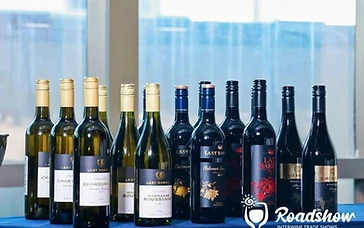
- High-Margin White and Sparkling Additions: Crisp Sauvignon Blanc, Chardonnay, Riesling, or Prosecco/Champagne alternatives to supply modern on-premise venues and summertime promotions.
- Aspirational Flagships: Limited-production single-vineyard wines that anchor brand prestige and win accolades at international tastings.
Wineries that pitch a single, high-priced, heavily tannic red wine without market flexibility will struggle to meet modern wholesaler inventory strategies.
Digital Storytelling and Local Brand Investment
One of the most persistent complaints from Chinese wholesalers is that foreign wineries treat China as an inventory dumping ground—expecting distributors to handle 100% of the marketing, education, and brand-building expenditure.
Modern buyers expect shared commitments. As observed in field analyses from Best Wine Importers (2026), foreign brands that succeed in China collaborate closely with their local distributors by co-funding marketing initiatives, hiring in-market brand ambassadors, and localizing collateral.
The Digital Ecosystem: RED, WeChat, and Douyin
Traditional Western marketing tools (such as Instagram, X, or email newsletters) have zero utility in Mainland China. Chinese wholesalers expect export directors to understand the local digital environment:
- Xiaohongshu (RED): The primary lifestyle and product-discovery search engine for urban, affluent consumers. Wholesalers want brands with organic visibility, user-generated tasting notes, and active Key Opinion Leader (KOL) or Key Opinion Consumer (KOC) endorsements.
- WeChat Channels and Official Accounts: Essential for corporate branding, technical wine information, wholesale ordering catalogs, and sales enablement assets for distributor sales teams.
- Douyin and Social Commerce: Channels requiring carefully managed brand positioning to drive awareness without degrading price architecture.
Wineries prepared to allocate marketing development funds (MDF) toward localized content creation, bilingual masterclasses, and digital asset production find far greater responsiveness among prospective wholesalers.
Meeting Qualified Chinese Buyers Face-to-Face
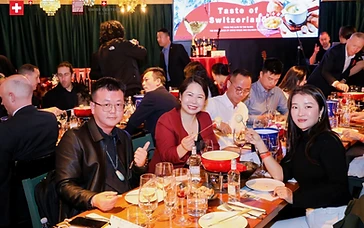
Building commercial partnerships in China remains deeply rooted in personal trust (guanxi) and direct, face-to-face commercial vetting. Wholesalers take substantial financial risks when listing an overseas brand; they need to evaluate the winery’s management, operational commitment, and commercial reliability firsthand.
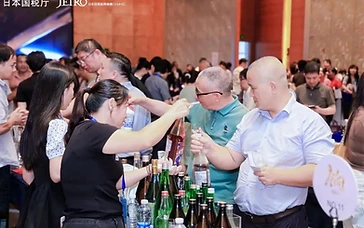
Export directors cannot effectively build an in-depth distribution network through remote correspondence alone. Attending domestic industry gatherings and dedicated matching sessions bridges this gap. Producers looking to establish relationships with active Chinese importers, regional wholesalers, and beverage procurement directors should leverage specialized industry access by choosing to /become-an-exhibitor at focused regional expos.
Wineries can also research macroeconomic shifts and distribution patterns via curated /insights and engage pre-qualified buyers through structured /business-matching services. Connecting directly with regional wholesalers from primary and secondary Chinese consumption hubs enables brands to negotiate commercial terms, audit regional price integrity, and establish robust sales channels.
Conclusion
Chinese wine wholesalers expect far more than exceptional liquid in a bottle. They require viable commercial margin architecture, stringent price defense across domestic digital channels, complete regulatory compliance, and a mutual commitment to localized brand building.
Wineries that structure their export programs to protect distributor profitability while actively supporting sales teams with localized marketing are best positioned to secure enduring market share. To initiate meaningful distribution dialogues with verified Chinese wine buyers and regional trade operators, reserve your presence and /become-an-exhibitor today.
Sources
- General Administration of Customs China (GACC) via USDA FAS: Wine Market Update 2025
- Beverage Trade Network: China Wine Label and Import Requirements Guide
- Best Wine Importers: A Wine Exporter's Guide to Finding Buyers in China and Working with Chinese Wine Importers (2026)
- EU SME Centre: China's Wine Market: Drivers, Technical Requirements, and Opportunities (2023)
Key Takeaways
- —Chinese wholesalers expect a realistic pricing waterfall, as FOB costs expand 3-4x by the time wine reaches Chinese retail shelves.
- —Strict cross-channel price control is essential; unmonitored online discounting directly destroys wholesaler sales networks.
- —Packaging must meet GACC standards (Simplified Chinese back labels) while accommodating local banquet and gifting aesthetics.
- —Wholesalers are diversifying portfolios beyond traditional full-bodied reds into white, sparkling, and lifestyle varietals.
- —Distributors favor overseas producers who co-invest in localized digital storytelling on platforms like Xiaohongshu (RED) and WeChat.
Frequently Asked Questions
What gross margins do Chinese wine wholesalers typically require?
Chinese regional sub-distributors and wholesalers typically require gross margins between 25% and 35%, while primary importers operate on 20% to 30% to account for customs clearance, storage, and financing. Final on-trade venues frequently apply markups from 40% to over 100%.
Why is e-commerce price control so vital for Chinese wholesalers?
Uncontrolled parallel imports and steep discounting on platforms like Taobao, JD.com, or Pinduoduo erode wholesaler margins. If corporate and dining clients find bottles listed online below the wholesaler's cost basis, offline channels immediately lose the incentive to distribute the brand.
What are the mandatory Chinese back-label requirements for imported wine?
Under GACC standards, wine bottles must display simplified Chinese back labels detailing the product category, ingredients, nominal bottle volume (minimum 4mm font for 750ml), alcohol content, bottling date (YYYY/MM/DD), country of origin, Chinese importer contact details, and mandatory health warning notices.
How can foreign wineries support local Chinese distributor marketing?
Successful wineries provide marketing development funds (MDF), localized digital assets for WeChat and Xiaohongshu (RED), bilingual product sell sheets, and participation in targeted trade events, rather than expecting distributors to carry the entire promotional burden alone.