What Chinese fine-merchants Expect From Imported Wine Brands
Discover what tier-1 and boutique Chinese fine wine merchants require from imported wine brands, covering commercial pricing, regulatory compliance, channel protection, and long-term B2B commitment.
Chinese fine-wine merchants expect imported wine brands to deliver predictable landed margins, strict territorial exclusivity, hands-on brand investment, and foolproof regulatory execution rather than transactional container sales.
Over the past decade, the mainland Chinese market has transformed from an opportunistic, speculative landscape into a discerning, structured ecosystem. While overall alcohol consumption contracted following historic high points—a 2023 working paper published by the University of Adelaide Wine Economics Research Centre revealed that China's wine consumption dropped by 47% between 2019 and 2022—the premium and fine-wine segment remains resilient. Data recorded by the Observatory of Economic Complexity (OEC) indicates that China represented an annual import market valued at approximately $1.4 billion, ranking as the 8th largest wine importer globally.
For winery export directors evaluating the mainland, approaching buyers with standard Western distribution assumptions leads to stalled negotiations. Whether pitching established legacy players such as ASC Fine Wines, specialist distributors like EMW Fine Wines and Jointek, or targeted luxury cellars like Pudao Wines and Ruby Red, foreign producers must understand the operational expectations of Chinese fine merchants.
1. Margin Architecture and Price Integrity Across Multi-Tier Channels
Chinese fine merchants operate in an environment with high structural import costs and demanding downstream margin requirements. According to commercial export analysis from BestWineImporters (2024), standard imported bottled still wine incurs a cumulative fiscal burden of roughly 50% on top of the Cost, Insurance, and Freight (CIF) value. This tax stack consists of:
- Import Tariff: ~14% (subject to bilateral free trade agreements)
- Consumption/Excise Tax: 10%
- Value-Added Tax (VAT): 13%
Because of these compounding duties and tier markups across sub-distributors, regional wholesalers, and on-premise venues, a wine priced at €5.00 FOB will frequently retail between 3 to 4 times that cost on consumer shelves.
Fine merchants expect wineries to demonstrate complete understanding of this cascade. Crucially, they demand price discipline. If your estate's bottles are visible on cross-border e-commerce platforms, duty-free gray-market channels, or Hong Kong clearing houses at rock-bottom prices, mainland fine merchants will reject the portfolio. They require margin protection for their on-premise (hotels, Michelin-starred and Black Pearl restaurants) and corporate gifting accounts, which cannot compete against undercut gray-market listings.
Before initiating commercial contact, leverage verified Market Insights to model your landed cost sheet and safeguard margin targets for every layer of distribution.
2. Channel Protection and Commercial Exclusivity Agreements
Unlike markets where non-exclusive open distribution can coexist across multiple importers, Chinese merchants view exclusivity as the cornerstone of brand building. As highlighted by international wine trade advisor Stevie Kim in an industry review published by Beverage Trade Network, Chinese wine importers almost universally demand geographic or channel exclusivity before committing capital.
Merchants invest substantial time developing relational networks (guanxi) with corporate buyers, private collectors, and prestigious hospitality accounts. If another distributor can source the exact same stock from a secondary European négociant or an Australian broker, the primary importer loses their pricing leverage and incentive to build the brand.
Exclusivity negotiations typically balance:
- Geographic Scope: National exclusivity vs. regional distribution divided between primary economic clusters (Greater Bay Area, Yangtze River Delta, and Beijing-Tianjin-Hebei).
- Channel Carve-outs: Direct allocations split strictly between high-end on-premise hospitality, specialized boutique retail, and verified direct-to-consumer private client clubs.
Wineries that respect territorial exclusivity and partner with vetted buyers through curated Business Matching create long-term loyalty with reputable Chinese merchants.
3. Co-Invested Marketing and Localized Brand Identity
A common friction point between international wineries and Chinese merchants is the "sell-and-forget" mentality. Importers no longer accept shipments where the producer views customs clearance as the end of their commercial obligation. Fine merchants expect a shared marketing fund (A&P budget) to co-finance brand development inside China.
Digital Localization
Western digital collateral (Instagram, Facebook, X, or Vimeo) has zero penetration in mainland China due to local digital architecture. Importers expect export partners to facilitate:
- Official verified WeChat Service Accounts and WeChat Mini-Programs for trade authentication.
- Native Chinese digital assets highlighting technical spec sheets, region provenance, third-party ratings (Decanter, Wine Advocate, James Suckling), and food-pairing profiles adapted to local culinary traditions.
The Chinese Brand Identity
A meaningful Chinese brand name is critical. As reported in BestWineImporters (2024), Penfolds achieved widespread cultural integration under the phonetically aligned name Ben Fu (奔富), which translates to "chasing prosperity." When approaching fine merchants, bringing a registered, phonetically balanced Chinese trademark that projects prestige and auspiciousness shows deep cultural commitment.
Physical Market Presence
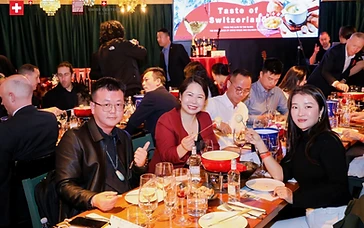
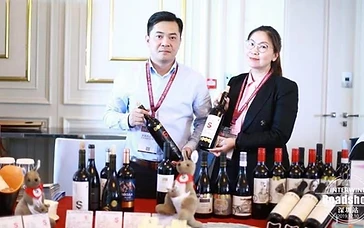
Merchants expect wineries to make physical commitments. Top accounts demand masterclasses led by principals, winemakers, or accredited regional ambassadors. Meeting buyers in person at premier trade platforms allows brand owners to demonstrate genuine long-term backing. Wineries preparing their market entry should plan to Become an Exhibitor at focused B2B expos to connect directly with licensed importers and nationwide distributors.
4. Strict Label Compliance and Flawless Customs Execution
Administrative compliance is an area where Chinese fine merchants cannot afford delays. The General Administration of Customs of China (GACC) enforces strict labeling and traceability protocols under Decree 248 and 249.
Every overseas production facility exporting wine to China must maintain an active registration with the GACC system. Furthermore, back labels must feature compliant simplified Chinese text specifying:
- Precise product category (e.g., dry red wine / 干红葡萄酒)
- Grape varieties and exact alcohol by volume (ABV)
- Name, address, and legal contact details of the mainland importer
- Production date, bottling date, batch numbers, and health warnings
A minor discrepancy between the physical label, the certificate of origin, and the analysis certificate issued by the laboratory in the country of origin can trigger customs holds, bonded warehouse demurrage charges, or complete rejection at ports like Shenzhen, Guangzhou, or Shanghai. Importers expect wineries to provide accurate pre-clearance documentation packages weeks before the vessel docks.
5. Strategic Portfolio Architecture: Red Wine Anchors and Niche Exploration
While white wines, grower Champagnes, and Burgundy-style Pinot Noirs are gaining traction among Gen-Z sommeliers in tier-1 cities like Shanghai and Shenzhen, Chinese consumer culture continues to hold deep cultural ties to red wine. Historically known colloquially as hóngjiǔ (红酒, literally "red wine"), reds represent the overwhelming share of commercial consumption.
Fine merchants therefore look for structured portfolio balance:
- A Recognizable Red Flagship: A bold, cellar-worthy red (Cabernet Sauvignon, Merlot, Syrah/Shiraz, Corvina, or Tempranillo blends) that satisfies classic corporate banqueting and formal gifting traditions.
- Gift-Ready Packaging: Substantial, high-grade bottle weights, embossed capsules, wooden cases (6-bottle or individual presentation boxes), and elegant label aesthetics that convey status (mianzi).
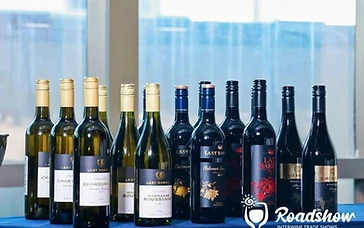
- Discovery Skus: High-acid whites, dynamic sparkling wines, or biodynamic bottlings to service modern, natural wine bars and progressive bistros across top urban markets.
Wineries should explore the existing market offerings in the Exhibitor Directory to benchmark their pricing and varietal mix against international peers competing for merchant shelf space.
6. How to Meet and Pitch Qualified Chinese Fine Wine Importers
Securing a partnership with a tier-1 fine merchant requires moving past unsolicited cold emails. In Chinese business culture, business relationships develop through verified referrals, third-party introductions, and in-person professional dialogue.
Export managers targeting the Chinese wine ecosystem should prioritize:
- Auditing Domestic Stock: Ensure your label is legally cleared of trademark squatters via the China National Intellectual Property Administration (CNIPA).
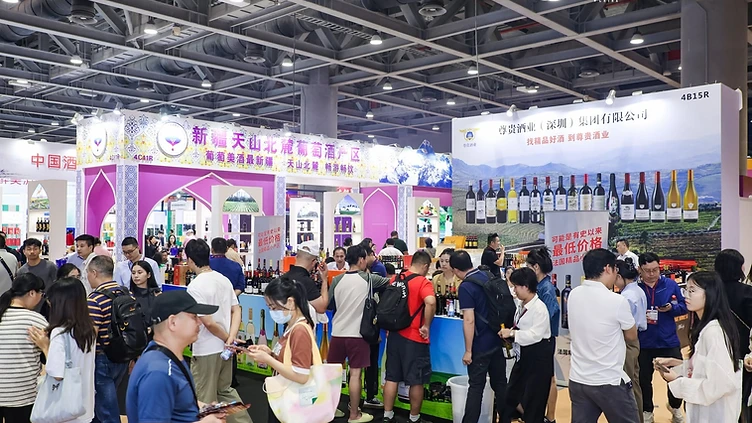
- Engaging Directly at B2B Platforms: Present your portfolio directly to pre-screened regional distributors and hospitality buyers at established industry trade venues.
- Committing to an Annual Activation Schedule: Schedule consistent follow-ups, importer sales incentives, and localized consumer dinners.
Ready to position your wine portfolio in front of key Chinese importers, regional wholesalers, and luxury on-premise buyers? Apply today to Become an Exhibitor at INTERWINE, China's international wine and spirits exhibition platform.
Sources
- University of Adelaide Wine Economics Research Centre (Anderson, 2023)
- Observatory of Economic Complexity: Wine in China Trade Data (OEC)
- BestWineImporters: A Wine Exporter’s Guide to Finding Buyers in China (2024)
- Beverage Trade Network: Interview on China Wine Importer Expectations
Key Takeaways
- —Chinese fine-wine merchants prioritize brands with guaranteed margin structures and strict pricing protection over spot-deal volume discounting.
- —Compounding customs duties, VAT (13%), and consumption tax (10%) add ~50% to the CIF value, multiplying FOB prices by 3-4x on the retail shelf.
- —Exclusivity—whether geographic by economic cluster or segmented by trade channel—remains a fundamental prerequisite for serious importer investment.
- —B2B partners demand localized digital and physical marketing co-investment, including Chinese-language collateral, WeChat ecosystems, and winemaker visits.
- —GACC regulatory compliance, trademark protection, and flawless customs documentation are non-negotiable baselines to prevent costly shipping delays.
Frequently Asked Questions
What import taxes apply to bottled wine entering mainland China?
Imported bottled still wine into China faces three primary taxes: an import tariff (typically around 14%, unless reduced by specific bilateral trade agreements), a 10% consumption tax, and a 13% Value-Added Tax (VAT). Cumulatively, these compound to approximately 48% to 50% on top of the CIF invoice value.
Why do Chinese fine-wine merchants insist on exclusive distribution?
Chinese distributors invest substantial financial and relational capital (guanxi) to position international brands in private corporate accounts, boutique retail, and fine dining. Without geographic or channel exclusivity, gray-market parallel imports and price undercutting undermine the distributor's margins and commercial incentive.
How important is a localized Chinese brand name for an imported wine?
A localized Chinese name is vital for consumer recall, on-premise ordering, and gifting. Many consumers and corporate clients struggle to pronounce European estate names; having an officially registered, culturally auspicious Chinese trademark protects your intellectual property and accelerates market adoption.
What marketing support do Chinese importers expect from overseas wineries?
Importers look for shared A&P investment funds, localized Chinese collateral, high-scoring review accolades, verified WeChat digital assets, and physical participation from principals or winemakers in masterclasses, trade dinners, and national exhibitions.
What is the best way for overseas wineries to meet verified Chinese wine merchants?
Rather than relying on cold correspondence, international producers succeed by engaging directly through dedicated wine trade exhibitions such as INTERWINE, participating in targeted business-matching programs, and working with accredited trade organizations.