How to Prepare for Meetings With Chinese private club buyers
Learn how winery export directors can prepare for high-stakes meetings with Chinese private club buyers. Master relationship-building, allocation pricing, packaging protocols, and trade event strategies.
To prepare for meetings with Chinese private club buyers, winery export directors must treat the negotiation not as an open-market volume sale, but as a long-term allocation partnership built on exclusivity, discretion, and prestige. Private clubs in tier-one and leading tier-two Chinese cities cater to high-net-worth individuals (HNWIs), corporate tycoons, and executive dining circles. These gatekeepers seek wines that project face (mianzi), command narrative power, and remain strictly outside mass online retail channels where deep discounting erodes brand equity.
Successfully pitching these elite buyers requires tailored pricing frameworks, Chinese-language collateral, impeccable business etiquette, and verified logistical readiness. Entering this private domain starts with understanding the unique structure of Chinese closed-door hospitality.
Understanding the Chinese Private Club Sourcing Model
Private clubs (siren huisuo) and member-only dining societies occupy a distinct tier within China’s on-premise trade. Unlike conventional hotel beverage managers or high-volume distributors, private club beverage directors source specifically to support executive entertainment, private gifting, and bespoke salon tastings.
According to an analysis by China Briefing (2025), while public e-commerce channels dominate mainstream alcohol retail in China—holding over 53 percent of consumer alcohol sales—private high-end venues actively insulate their selections from public price-comparison engines like JD.com, Tmall, or Douyin. When a private club member hosts business guests, encountering a club-listed wine available online at retail discounts damages the host’s social standing.
Club procurement managers evaluate wines across three core criteria:
- Price Protection & Channel Exclusivity: The vintage, label, or parcel must not be readily visible or discounted across mass digital retail.
- Origin & Brand Heritage: Storytelling around single vineyards, family heritage, limited allocation numbers, and prestigious global critical scores carries substantial weight.
- Flexibility in Allocation: Buyers require stable micro-allocations (often 20 to 100 cases per label rather than full-container loads) paired with reliable domestic bonded-warehouse delivery.
Wineries must grasp this dynamic early to position their collections accurately. For strategic context on the wider import ecosystem, review our Market Insights.
Pre-Meeting Preparation: Due Diligence and Brand Localization
Arriving at a meeting with standardized Western retail sheets signals an unprepared producer. Before stepping into the boardroom or tasting salon, wineries must complete rigorous commercial and cultural localization.
1. Trademark and Chinese Brand Identity
Never pitch a label in China without securing intellectual property protection. As noted in trade guidance from the EU SME Centre (2024), intellectual property safeguards and the registration of an authentic Chinese brand name (zhongwen ming) are critical steps for sustainable market entry. Private club buyers and their elite patrons consistently refer to brands by their localized Chinese names. Presenting a distinctive, registered Chinese trademark demonstrates institutional permanence and long-term commitment.
2. Dual-Language Digital and Physical Collateral
Private club sommeliers and corporate buyers rarely rely on heavy paper brochures. High-stakes meetings in China run on WeChat and tablet presentations:
- WeChat Business Mini-Sites / PDF Decks: Ensure technical spec sheets, estate photographs, soil profiles, and accolades are consolidated into professional, Chinese-language digital assets that can be sent directly via WeChat during the meeting.
- Bilingual Spec Sheets: List grape composition, maturation profiles, annual production volumes, international critical acclaim, and optimal food pairings suited to high-end Cantonese, Huaiyang, or Chaozhou banquet dining.
3. Packaging and Presentation Standards
Packaging details heavily influence private club selection. Research published by MSA Asia (2026) highlights that packaging innovations and distinctive visual bottle designs significantly influence purchasing decisions in China's premium wine segment. For private clubs, heavy-weight glass bottles, embossed estate emblems, high-grade natural corks, and individual wooden gift boxes (mupai) dramatically increase perceived value for private member gifting programs.
Structuring Commercial Offers for Club Buyers
Standard ex-cellar (EXW) or free-on-board (FOB) price lists directly alienate most club buyers. While large-scale national importers routinely handle port clearance and import duties, private clubs usually operate through local bonded-logistics partners or licensed boutique importers. Presenting unstructured pricing creates administrative friction.
Formulate Tiered Pricing Architecture
Prepare your commercial deck with three clearly defined pricing mechanisms:
- FOB / CIF Pricing: For clubs with their own direct import licenses or licensed procurement entities.
- Delivered Duty Paid (DDP) / Bonded Warehouse Pricing: Quote in Chinese Yuan (RMB) per bottle, inclusive of clearance, consumption tax, value-added tax (VAT), and domestic shipping. Partnering with a domestic clearing agent allows you to present transparent bottle-cost calculations.
- Direct Member Gifting Structures: Private club directors frequently curate annual gifting packages for VIP members during Mid-Autumn Festival and Chinese New Year. Structure bundled pricing that includes custom gift sets, premium packaging, and tasting notes.
Budgeting for Commercial Support
As highlighted by trade specialist Michele Taccetti in an EU SME Centre (2024) export case analysis, short-sighted transactional strategies fail in China. Producers who only transact box-for-box miss sustainable scale; offering dedicated promotional stock (e.g., additional allocation bottles earmarked exclusively for staff masterclasses, private member dinners, and VIP tastings) creates the trust required to anchor high-end wine sales.
Master Chinese Business Etiquette and Negotiation Dynamics
Meetings with private club buyers often unfold in intimate, semi-formal settings—such as a club lounge, an executive dining suite, or an international wine exhibition salon. Observing core protocols dictates the commercial outcome.
The Meeting Flow
- Business Card Exchange: Present and receive bilingual business cards (mingpian) using both hands, taking a deliberate moment to examine the recipient's card and title before placing it respectfully on the table in front of you.
- The Opening Narrative: Avoid immediately diving into pricing spreadsheets. Begin with the narrative of the estate: its history, unique terroir, single-vineyard pedigree, and alignment with prestigious dining traditions.
- WeChat Connectivity: In China's commercial landscape, official email exchanges are secondary. Before concluding your meeting, exchange personal WeChat QR codes to facilitate immediate, real-time follow-up.
Navigating the Banquet and Tasting
If the meeting transitions into a formal luncheon or dinner, remember that business relationships (guanxi) are solidified at the dining table:
- Toasting Protocols: When toasting the host or lead buyer, hold your glass slightly lower than theirs to convey respect, maintaining eye contact and acknowledging the shared partnership.
- Palate Alignment: While traditional demand favored heavy-tannin Bordeaux reds, affluent Chinese club patrons are increasingly exploring diverse profiles. As China Briefing (2025) notes, the recovery of international trade dynamics—including the removal of Australian wine import tariffs on March 29, 2024—and growing interest in premium sparkling categories are expanding club lists toward balanced, food-friendly whites, expressive reds, and premium traditional-method sparklers.
How to Meet Qualified Private Club Buyers at Scale
Cold-calling private clubs or sending unsolicited samples rarely succeeds in China due to strict privacy walls and high gatekeeping. The most effective route to these decision-makers is participating in verified B2B matching environments and tier-one trade platforms.
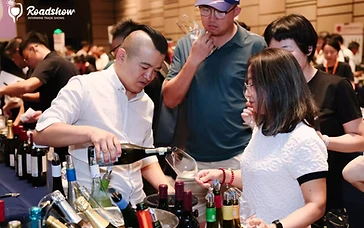
Trade exhibitions remain an essential catalyst for direct access. High-level buyers, luxury hospitality directors, and certified distributors regularly attend verified events to conduct direct portfolio evaluations. At INTERWINE, our structured Business Matching concierge service connects international wine estates directly with pre-screened regional buyers, private club procurement heads, and specialty importers from across China.
By securing your space through our platform to Become an Exhibitor, your estate gains guaranteed face-to-face engagements with vetted buyers, supported by dedicated translation services and strategic introductions. If you plan to assess market channels directly, explore the broader Exhibitor Directory and plan your trip through our Arrival and Transportation guides.
Conclusion
Closing deals with Chinese private club buyers requires an approach distinct from mass-market distribution. By pairing verified price protection and localized brand materials with clear bonded pricing and long-term promotional support, winery export directors can secure lucrative, brand-enhancing allocations. Take the time to align with market conventions, prepare bilingual collateral, and connect directly with pre-screened buyers through proven trade matchmaking platforms.
Sources
- China Briefing (2025): China's Wine Market Outlook: Trends and Opportunities
- EU SME Centre (2024): China's Wine Market Case Study Series: Michele Taccetti
- MSA Asia (2026): Wine Market in China: Trends, Growth, and Consumer Preferences
- BestWineImporters (2026): ProWine Shanghai 2026 Exhibition & Trade Overview
Key Takeaways
- —Private club buyers prioritize brand prestige, storytelling, and strict channel exclusivity to protect member host face (mianzi) from mass-market digital discounting.
- —Bilingual digital sales decks optimized for WeChat are mandatory for Chinese club procurement presentations.
- —Producers must present transparent pricing models, including landed DDP/bonded warehouse cost structures in RMB, alongside traditional FOB terms.
- —Packaging heavily influences club buying decisions; heavy bottles, wooden gift boxes, and verified Chinese trademark registrations enhance perceived value.
- —Incentivize club directors by allocating free sample cases earmarked specifically for staff masterclasses and member tasting dinners.
- —Direct access to private club buyers is best achieved through curated B2B matchmaking programs at major international wine exhibitions.
Frequently Asked Questions
Why do Chinese private club buyers avoid mass-distributed wine brands?
Private clubs cater to high-net-worth members hosting corporate and personal banquets. If a wine is widely available on e-commerce platforms like JD.com or Tmall at discounted prices, it undermines the social prestige (mianzi) of the host. Buyers demand exclusive, protected allocations that cannot be easily price-checked online.
What pricing format should wineries provide to private club procurement managers?
While some clubs work through their own import partners via CIF or FOB terms, presenting landed DDP (Delivered Duty Paid) pricing in RMB per bottle—inclusive of tariffs, consumption tax, VAT, and bonded logistics—gives buyers immediate clarity and accelerates decision-making.
How important is a registered Chinese trademark for private club sales?
A registered Chinese brand name is critical. It protects your brand against trademark squatting, provides a recognized name for club staff and members to pronounce during tastings, and proves to buyers that your estate has a long-term commitment to the Chinese market.
What is the best way to secure introductory meetings with private club buyers in China?
Cold outreach rarely penetrates private club networks due to high privacy standards. Wineries succeed most consistently by participating in curated trade exhibitions like INTERWINE, utilizing specialized B2B matching concierges that connect producers directly with pre-screened buyers.
What packaging styles appeal most to Chinese private club buyers?
Clubs favor premium tactile packaging that reinforces exclusivity, including heavy-weight bottles, embossed branding, natural cork closures, and presentation in individual wooden gift boxes suited for member gifting.