How to Identify National wine importers in China
A commercial roadmap for winery export directors to identify, audit, and partner with genuine national wine importers in mainland China, bypassing regional traders.
To build sustainable volume in mainland China, overseas wineries cannot rely on opportunistic, container-by-container spot buyers. True commercial viability requires partnering with a genuine national wine importer—an entity that possesses direct customs clearance rights, nationwide bonded warehousing, tier-one logistics, and sub-distributor networks spanning Tier 1 metropolises down to Tier 2 and Tier 3 consumer hubs.
According to the USDA Foreign Agricultural Service Wine Market Update (2025), China's bottled wine import sector is stabilizing following multi-year market corrections, recording $879 million in wine imports during the first seven months of 2025 alone. With the complete removal of tariffs on Australian wine announced in March 2024 by China's Ministry of Commerce and documented by China Briefing (2024), global competition across wholesale and retail channels is intensifying. For an export director, knowing how to identify national wine importers in China separates durable commercial brands from stagnant, warehouse-bound inventory.
1. National Importers vs. Regional Traders: Defining the Scope
Many foreign producers sign exclusivity agreements with entities that claim national reach but operate strictly as regional wholesalers or single-city retail distributors. In China's commercial structure, an authentic national importer operates under clear operational criteria:
- Licensing & Direct Import Rights: National players hold independent import/export authority, Customs Registration (CR) codes, and are fully compliant with General Administration of Customs of China (GACC) Decree 248/249 food import regulations. They manage customs declarations internally rather than fronting through third-party clearance agencies.
- Cross-Regional Logistics Infrastructure: A national importer maintains temperature-controlled supply chain hubs across multiple primary gateways—typically Shanghai/Ningbo for East China, Shenzhen/Guangzhou for South China, and Tianjin/Qingdao for North China—alongside inland logistics nodes in cities like Chengdu or Wuhan.
- Dual-Channel Distribution Networks: True tier-one importers service both on-trade (luxury hotels, fine dining, international chains) and off-trade (specialist retailers, regional supermarket chains, and B2B corporate procurement), supported by secondary wholesaler accounts throughout secondary provinces.
- Brand Development & Field Marketing: They maintain dedicated field teams capable of executing sommelier masterclasses, regional trade shows, and localized marketing campaigns, rather than functioning purely as freight forwarders.
For wine brands reviewing potential partners, analyzing whether an applicant holds genuine cross-provincial reach is an essential first filter. Review our Market Insights for ongoing data on shifting distribution structures across Chinese territories.
2. The Landscape of China’s Tier-One Wine Importers
China’s national import landscape is divided into three distinct operational profiles, as profiled by industry reports from the China Wine Competition (2024):
State-Owned & Conglomerate Giants
State-owned enterprises such as COFCO Wine & Wine (a division of China National Cereals, Oils and Foodstuffs Corporation) command unprecedented downstream reach. They supply massive volume into state enterprises, hypermarkets, and government hospitality networks across every mainland province. While their procurement requirements are stringent, securing placement guarantees institutional volume.
Independent Fine Wine Specialists
Established commercial leaders including ASC Fine Wines (operating since 1996), Summergate Fine Wines & Spirits (founded in 1999), Torres China, and EMW Fine Wines dominate the on-trade, boutique retail, and prestige hospitality spaces. These companies maintain branch offices, dedicated sales forces, and temperature-controlled facilities across Beijing, Shanghai, Guangzhou, Chengdu, and other major metropolitan areas.
Modern Hybrid Distro-Retailers
Entities like Jebsen Wines and Spirits and hybrid retail-import operations combine national corporate supply lines with direct digital commerce and premium brick-and-mortar presence, catering to evolving urban consumer demographics.
3. Four-Step Due Diligence Framework
Before executing commercial contracts or granting regional territorial exclusivity, winery export directors must conduct rigorous commercial vetting.
Step 1: Regulatory Verification (GACC, Business Scope, Uniform Social Credit Code)
   │
Step 2: Logistics & Cold-Chain Audit (Multi-Port Gateways & Bonded Hubs)
   │
Step 3: Downstream Channel Vetting (Active On-Trade/Off-Trade Accounts)
   │
Step 4: Commercial Terms & Trademark Protection (CNIPA Registration Check)
1. Verify Regulatory Credentials
Request the partner's Unified Social Credit Code and cross-reference their registration on China's National Enterprise Credit Information Publicity System. Confirm that their licensed business scope officially includes Wholesale of Food and Alcoholic Beverages and direct Import and Export Operations. Verify their corporate status against the GACC single-window customs platform.
2. Inspect Bonded Warehousing and Cold-Chain Capacity
China’s summer logistics across South and Central China expose bulk and bottled wine to extreme temperature spikes. Authentic national distributors operate leased or owned climate-controlled facilities in key free trade zones (e.g., Waigaoqiao in Shanghai or Qianhai in Shenzhen). Request verifiable warehouse addresses, cold-chain transport bills of lading, and third-party logistics agreements.
3. Evaluate Sub-Distributor and Regional Branch Reach
Ask for documented portfolio case studies and direct commercial references. A genuine national distributor will readily demonstrate relationships with Tier 2 and Tier 3 wholesale partners in provinces such as Sichuan, Zhejiang, Jiangsu, and Shandong, rather than relying exclusively on local sales in Shanghai or Shenzhen.
4. Enforce Trademark and IP Protection Upfront
Under China's strict "first-to-file" system governed by the China National Intellectual Property Administration (CNIPA), international brands must register their Latin trade name and their official transliterated Chinese brand name prior to sharing commercial samples. Never permit an importer to register intellectual property on your behalf, as this creates significant commercial leverage against the winery.
4. How to Reach and Pitch National Importers
National importers in China reject cold email campaigns and unsolicited price lists. Because their portfolios often hold hundreds of references, they evaluate new overseas winery partners based on distinct commercial criteria:
- Commercial Fit & Portfolio Gaps: Importers actively look for estate-bottled varieties, recognized organic or biodynamic certifications, or value propositions that complement their existing Chilean, French, or Australian portfolios without competing against their flagship agency brands.
- Marketing and Educational Subsidies: National partners expect wineries to co-invest in localized marketing budgets, wine educator tours, customized brand collateral, and Chinese-language collateral suited for WeChat ecosystem marketing.
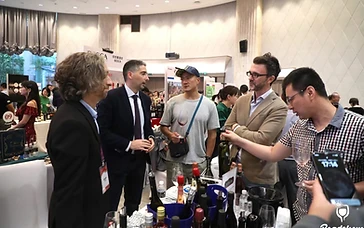
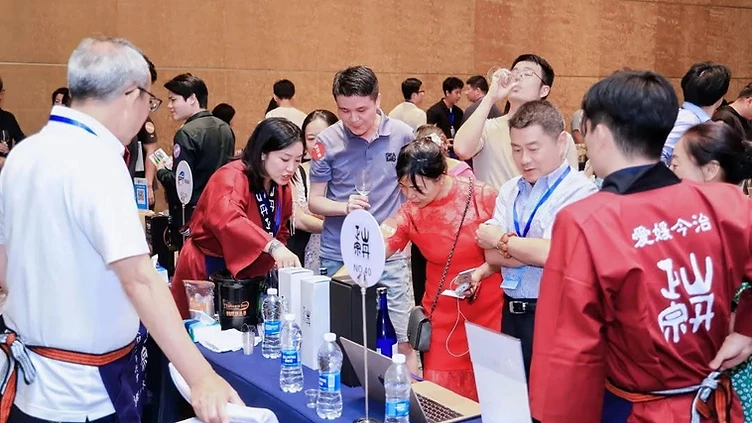
- In-Person Relationship Building (Guanxi): Decision-makers rarely commit to contracts without face-to-face meetings. Engaging in focused industry environments provides the fastest path to verified decision-makers.
To initiate commercial dialogues with vetted buyers across all Chinese provinces, producers rely on targeted B2B exhibition platforms. Wineries can Become an Exhibitor at Interwine trade fairs to connect directly with pre-screened commercial distributors, supermarket category managers, and national beverage importers. For targeted introductions, explore our dedicated Business Matching services, and review verified supplier profiles in the Exhibitor Directory.
Conclusion: Build Your National Distribution Footprint
Identifying and securing an authentic national wine importer in China requires discipline, rigorous supply chain verification, and an active physical presence in the market. By filtering out regional middlemen, auditing logistics capabilities, securing your Chinese brand trademarks early, and engaging directly with vetted tier-one distributors, export directors can build an enduring, profitable footprint across mainland China.
Position your portfolio before top-tier Chinese commercial buyers this season. Secure your presence and Become an Exhibitor with Interwine.
Sources
- USDA Foreign Agricultural Service: Wine Market Update 2025, published September 23, 2025.
- China Briefing: China's Wine Market Outlook: Trends and Opportunities, published October 14, 2025.
- China Wine Competition: China’s Leading Wine Importers - A Comprehensive Guide For International Brands, published August 26, 2024.
Key Takeaways
- —National importers in China possess direct GACC import rights, independent bonded warehousing, and active sub-distributor channels outside Tier 1 hubs.
- —Data from USDA FAS (2025) confirms mainland wine imports reached $879 million between January and July 2025, underscoring resilient demand for quality imports.
- —Export directors must conduct strict due diligence on business licenses, Unified Social Credit Codes, and cold-chain capacity to weed out regional spot buyers.
- —Trademarking both the Latin brand name and the Chinese brand transliteration via CNIPA is mandatory prior to signing distribution contracts.
- —Face-to-face commercial access via dedicated platforms like Interwine and structured business matching delivers higher contract conversion than remote pitching.
Frequently Asked Questions
What is the primary difference between a national importer and a regional distributor in China?
A national importer maintains direct GACC customs registration, holds direct import clearance rights, leases or owns temperature-controlled bonded warehouses across multiple major port cities, and operates active sub-distributor agreements across multiple provinces. In contrast, regional distributors typically operate within a single municipality or province and often purchase imported stock cleared by third parties.
How can an export director verify if a Chinese wine importer is legally registered to clear goods?
Export directors should request the company's 18-digit Unified Social Credit Code and review their official filing on the National Enterprise Credit Information Publicity System. Confirm that their business scope includes food and alcohol importation. Additionally, verify their status as a registered importer on the GACC single-window portal.
Why is it dangerous to let an importer register your wine brand's trademark in China?
China enforces a strict first-to-file intellectual property framework under CNIPA. If an importer registers your Latin trade name or Chinese brand transliteration under their own corporate name, they hold exclusive legal control over that brand in mainland China, leaving your winery vulnerable to trademark squatting or supply lockouts.
What marketing support do national Chinese wine importers expect from foreign wineries?
Top-tier national importers expect overseas brands to co-invest in market development. This includes budget allocations for masterclasses, digital collateral localized for WeChat, branded gifts for festive gifting seasons, and participating alongside the importer at major trade expos such as Interwine.
How can wineries meet verified national wine buyers directly?
Wineries can bypass intermediate agents by participating as exhibitors at specialized B2B trade platforms such as Interwine China, utilizing targeted business-matching programs to sit down directly with purchasing directors from state-owned enterprises, major retail chains, and national fine wine distributors.