
What Chinese national importers Expect From Imported Wine Brands
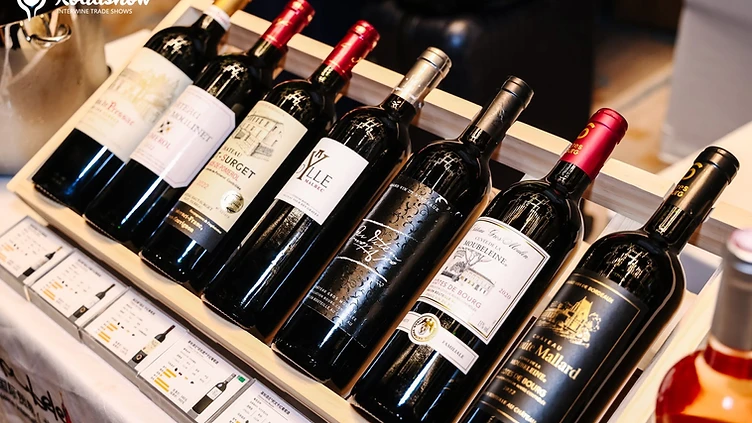
Discover what Chinese national wine importers expect from international brands, including CIF pricing frameworks, GACC compliance, and shared marketing support.
Chinese national wine importers evaluate foreign wineries based on regulatory compliance, pricing viability, and long-term commercial co-investment rather than awards alone. As documented by the EU SME Centre, securing distribution across China requires foreign producers to register their manufacturing facilities under General Administration of Customs of China (GACC) Decree 248 regulations, prepare precise Chinese back-labels, and demonstrate viable margins capable of absorbing domestic taxes.
For export directors, breaking into Tier-1 and emerging Tier-2 consumption hubs depends on aligning with the risk parameters, margin calculations, and channel expectations of national distributors.
The Strategic Shift: How National Importers Operate Today
Historically, Chinese wine buyers engaged in opportunistic, volume-led spot transactions. Today, top-tier national importers such as COFCO Wine & Wine, ASC Fine Wines, and C&D run sophisticated omni-channel distribution systems spanning national on-trade dining, corporate gifting accounts, and digital retail platforms like WeChat Mini-Programs, JD.com, and Douyin.
According to an analysis on China’s Leading Wine Importers by the China Wine Competition, importers have shifted from holding broad, speculative portfolios to curating disciplined brand rosters. Importers avoid suppliers who treat China merely as an excess inventory clearinghouse. Instead, they require reliable foreign partners who protect global price integrity, understand regional consumer palates, and commit commercial resources to downstream sales acceleration. Producers seeking direct commercial discussions with vetted national buyers frequently consult Market Insights to tailor their category entry strategies.
Mandatory Regulatory and Technical Compliance
A critical expectation from any licensed Chinese importer is flawless regulatory execution prior to container dispatch. Administrative errors at customs clearance force shipments into bonded demurrage, destroying profit margins and retail delivery timelines.
1. Mandatory GACC CIFER Registration
Under GACC Decrees 248 and 249, introduced by the General Administration of Customs of China, every foreign alcoholic beverage manufacturing, processing, and storage facility must secure an official registration number via the China Import Food Enterprise Registration (CIFER) system. Importers expect the producer to maintain active CIFER accreditation and display the inner and outer packaging registration codes accurately.
2. Standardized Chinese Back-Labels
According to the Beverage Trade Network import compliance guide, all bottled wine entering China must feature fully compliant simplified Chinese back-labels inspected by China Inspection and Quarantine (CIQ). These labels must specify:
- Legal product classification (e.g., dry red wine, sparkling wine)
- Mandatory ingredient disclosures (including sulfur dioxide / preservative warnings)
- Exact alcohol percentage by volume
- Production and bottling dates (formatted strictly as year/month/day)
- Net volume measurements with required typography heights (minimum 4mm for standard 750ml bottles)
- Full corporate credentials of the domestic importer and distributor
- Statutory health warnings regarding pregnancy and underage consumption
Pricing Architecture, Taxes, and Landed Cost Structures
Chinese national importers calculate commercial viability from target shelf price backwards down to the producer's CIF quotation. Importers expect export managers to understand the cumulative burden of Chinese fiscal levies.
As trade guidelines from BestWineImporters highlight, standard bottled wine shipments face three primary border charges:
- Most-Favored-Nation (MFN) Customs Tariff: Typically 14% on CIF value (subject to preferential Free Trade Agreements where applicable)
- Consumption / Alcohol Tax: Assessed at 10%
- Value-Added Tax (VAT): Assessed at 13%
Compounded, these import taxes add roughly 48% to 50% on top of the initial CIF value before port handling, inland cold-chain logistics, and domestic warehousing fees are applied.
National importers expect wine brands to provide realistic Ex-Cellar and CIF rate sheets that leave sufficient gross margins (often 35% to 50% for the national importer and an additional 25% to 35% for regional sub-distributors) while remaining competitive on retail shelves. Exporters seeking direct access to senior procurement teams ready to evaluate pricing models can Become an Exhibitor at Interwine to initiate structured trade discussions.
Commercial Co-Investment: Beyond Product Excellence
Top Chinese importers expect foreign wineries to take active commercial ownership of consumer education and channel pull. As veteran trade specialists emphasize in Beverage Trade Network interviews, sustainable distribution in China requires an upfront commitment to a shared marketing budget covering trade education, promotional collateral, and structured tastings.
National importers prioritize wineries that support them across three primary operational areas:
- Educational and Masterclass Support: Chinese corporate buyers and regional wholesalers seek guided masterclasses. Importers expect winemakers or brand ambassadors to travel to key trade hubs or run localized sommelier trainings.
- Channel-Specific Collateral: Importers require marketing assets formatted specifically for Chinese digital ecosystems. Western press releases have little commercial utility; distributors need localized WeChat assets, product detail infographics for mobile interfaces, and localized storytelling.
- B2B Business Matching: Establishing national footprint requires meeting qualified regional sub-distributors across Guangdong, Shanghai, Chengdu, and Beijing. Participating in dedicated Business Matching sessions allows producers to demonstrate active trade engagement alongside their national import partners.
Risk Mitigation: IP Protection and Anti-Parallel Import Controls
A critical expectation from Chinese national importers is strict territorial and intellectual property protection. Importers invest hundreds of thousands of yuan to establish product brand equity; they will not tolerate cross-border supply leakages that cannibalize their pricing.
Foreign wine brands must present registered trademarks in simplified Chinese characters with the China National Intellectual Property Administration (CNIPA) alongside their Western trademark. Furthermore, national importers expect explicit contractual clauses guaranteeing exclusive distribution rights for defined channels, backed by serial batch-tracking codes to curb unauthorized parallel imports from European or Southeast Asian gray markets.
Conclusion: How Wineries Can Meet Importer Demands
Chinese national importers seek international wine brands that combine operational discipline, regulatory compliance, and a long-term investment horizon. Wineries that deliver clean GACC credentials, viable landed margin structures, localized B2B marketing support, and territorial exclusivity build durable distribution networks across the country.
Connecting directly with qualified tier-1 importers, regional distribution networks, and enterprise purchasing directors requires verified trade touchpoints. Review our News and Magazine for ongoing category analyses, or position your brand in front of verified commercial buyers by registering to Become an Exhibitor at Interwine today.
Sources
- EU SME Centre: How to Export Wine to China (2024)
- BestWineImporters: A Wine Exporter’s Guide to Chinese Wine Importers
- Beverage Trade Network: China Wine Label and Import Requirements
- China Wine Competition: China’s Leading Wine Importers Insights (2024)
Key Takeaways
- —Chinese national importers require foreign wineries to hold active GACC CIFER facility registrations under Decrees 248/249 before contracting shipments.
- —Landed costs incur compounded border taxes (customs duty, consumption tax, and VAT) that total roughly 50% above CIF pricing.
- —Importers expect brands to co-fund downstream market entry through localized WeChat promotional collateral, masterclasses, and tasting activations.
- —Trademark registration in Chinese characters with the CNIPA is considered a prerequisite by national buyers to protect retail equity.
- —Strict channel discipline and anti-parallel import monitoring are required to preserve domestic price stability and protect regional distributor margins.
Frequently Asked Questions
What registration is required by Chinese customs to import foreign wine?
Wineries must be registered with the General Administration of Customs of China (GACC) under Decree 248 through the online CIFER portal. The registration code must be included on shipping documentation and outer transport packaging.
How are wine import taxes calculated in China?
Bottled still wine is subject to an ad valorem Customs Tariff (standard MFN rate of 14%), a Consumption Tax of 10%, and a Value-Added Tax (VAT) of 13%. Cumulatively, these import taxes increase the landed cost by roughly 48% to 50% over the declared CIF value.
Why do Chinese importers require a Chinese trademark registration?
China enforces a strict 'first-to-file' intellectual property regime. National importers require wineries to register both their Western name and a corresponding simplified Chinese trademark with the CNIPA to prevent trademark squatting and safeguard retail equity.
Do Chinese national importers expect brand owners to provide marketing budgets?
Yes. Importers rarely assume complete responsibility for brand-building costs. They expect international wine producers to co-invest via dedicated marketing allowances that fund localized digital assets, masterclasses, and in-market trade roadshows.