Interwine Transportation and Arrival Guide
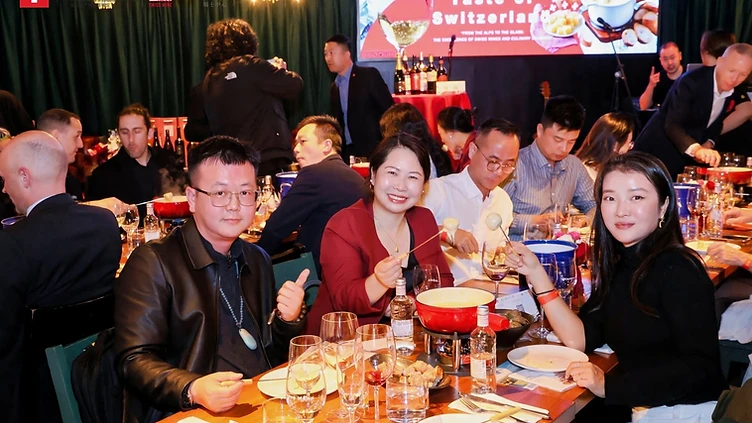
Plan your trip to Interwine China with this comprehensive arrival and transportation guide covering flights, high-speed rail, metro navigation to the Pazhou exhibition hub, and logistics management.
Attending a major international B2B trade exhibition in southern China requires rigorous logistical planning, particularly for buyers, wine brokers, and brand principals managing tight meeting schedules and fragile product samples. Interwine China operates as a premier international wine and spirits exhibition held biannually in Guangzhou, positioning global producers directly before Mainland China's vast beverage distribution network as documented by Interwine China.
Navigating transit across the Greater Bay Area—from regional airports and high-speed rail hubs directly into the Pazhou exhibition district—directly influences meeting punctuality, transit fatigue, and operational costs. This guide details international flight corridors, intercity transit lines, local metro links, and sample-handling logistics to ensure your visit to the fair delivers maximum commercial return.
Venue Location and Core Transit Infrastructure
Interwine China's primary staging venue is the Guangzhou Poly World Trade Centre Exhibition Hall (PWTC Expo), situated at No. 1000 Xingang East Road, Haizhu District, Guangzhou, adjacent to the Canton Fair Complex as specified in the Interwine Exhibitor Manual.
The Pazhou island trade hub benefits from an integrated multimodal transit infrastructure designed to process high-volume business delegations. When preparing your itinerary, note these fundamental station connections:
- Direct Metro Access: The PWTC Expo concourse connects directly underground to Pazhou Station on Guangzhou Metro Line 8 (Exit C).
- Road Access: Arterial connections link through Xingang East Road, the Huanan Expressway, and Yuejiang Middle Road, providing straightforward taxi and ride-hail drop-offs.
- Maritime Connections: The Pazhou Ferry Terminal, located minutes from the venue along the Pearl River, connects directly with Hong Kong International Airport (HKG) Skypier.
For enterprise delegations balancing procurement visits with back-to-back supplier meetings, you should book your visit early to synchronize accommodation, badge pick-up, and localized transfers.
International and Regional Air Corridors
Visiting buyers and brand representatives generally arrive through one of two primary international aviation gateways: Guangzhou Baiyun International Airport (CAN) or Hong Kong International Airport (HKG).
Transit Routing Matrix to Pazhou
--------------------------------------------------------------------------------------
Origin Point                Transit Mode             Duration       Luggage & Customs
--------------------------------------------------------------------------------------
Guangzhou Baiyun (CAN)      Intercity Rail / Metro   45–60 min      Clear customs at CAN
Guangzhou Baiyun (CAN)      Taxi / Private MPV       50–75 min      Vulnerable to traffic
Hong Kong Airport (HKG)     Direct Fast Ferry        120 min        Bypass HK customs
Hong Kong West Kowloon      High-Speed Rail (HSR)    45–60 min      Immigration at West Kowloon
Guangzhou South (GZ Nan)    Metro Line 2 -> Line 8   45 min         Domestic high-speed hub
--------------------------------------------------------------------------------------
1. Arriving via Guangzhou Baiyun International Airport (CAN)
Located roughly 45 kilometers north of Pazhou, Baiyun International Airport operates international passenger flights served by carriers such as China Southern Airlines, Emirates, and Qatar Airways.
- Guangzhou Metro: Board Line 3 (North Extension) at Airport South (Terminal 1) or Airport North (Terminal 2), travel south toward Tiyu Xilu or Kecun, and transfer to Line 8 eastbound to Pazhou Station. Expect total travel time around 60 to 70 minutes.
- Intercity Rail / Commuter Links: The Guangzhou East Ring Intercity railway connects airport terminals directly toward regional hubs, providing an expedited alternative to highway congestion during morning rush hours.
- Taxis and Ride-Hailing: Official taxi stands operate directly outside Arrivals. Fares to Pazhou typically range between RMB 150 and RMB 230 depending on traffic. Utilizing DiDi (China’s primary ride-hailing app, which supports overseas credit cards) provides upfront pricing and route tracking.
2. Arriving via Hong Kong International Airport (HKG)
Many overseas buyers prefer routing into Hong Kong due to dense long-haul flight networks. Two direct pathways exist from HKG to Pazhou:
- The Pazhou Ferry Connection: The cross-boundary ferry operates between HKG’s SkyPier and the Pazhou Ferry Terminal as highlighted in Cathay Pacific's Canton Fair Travel Guide. This route allows international passengers to clear Chinese immigration directly at Pazhou upon arrival, bypassing Hong Kong customs entirely while checking luggage through to Guangzhou.
- High-Speed Rail (HSR) via West Kowloon: Take the Hong Kong Airport Express to Kowloon Station, transfer to the High-Speed Rail at Hong Kong West Kowloon Station, and complete co-located border clearance before boarding a bullet train to Guangzhou South Station (approx. 45–55 minutes).
Navigating Guangzhou's High-Speed Rail Terminals
Buyers arriving from regional wine distribution hubs across East China, Chengdu, or Shenzhen often utilize China Railway’s high-speed rail network.
- Guangzhou South Railway Station (Guangzhou Nan): The primary national bullet train terminus. Take Guangzhou Metro Line 2 northbound to Changgang Station, then transfer to Line 8 eastbound to Pazhou Station (Exit C). Total journey time is roughly 45 minutes.
- Guangzhou East Railway Station (Guangzhou Dong): Primary terminal for select regional express trains. Take Line 3 south to Kecun Station, then transfer to Line 8 directly to Pazhou.
Review detailed regional options on our arrival and transportation portal to align cross-province train tickets with exhibition opening hours.
Local Metro and Ground Transit Navigation
Guangzhou’s rapid transit system represents the most predictable transportation mechanism during large-scale trade conventions, eliminating road congestion along the bridges connecting Haizhu District.
Practical Metro Navigation
- Station Positioning: The Poly World Trade Centre Exhibition Hall sits directly above Pazhou Station on Metro Line 8. If your hotel is located near the western Canton Fair exhibition halls, Xingangdong Station is also within walking distance.
- Ticketing & Digital Payments: Foreign visitors can tap through automated gates using contactless international credit cards (Visa, Mastercard) or by linking cards to the Alipay or WeChat mini-programs ("Guangzhou Metro Cloud Card"). Single-journey tokens can also be purchased at bilingual station kiosks using RMB cash.
Taxi and Private Chauffeured Transfers
While convenient, vehicular access around Pazhou experiences heavy congestion during peak opening (08:30–10:00) and closing (16:30–18:00) exhibition windows.
- Designated Drop-Off: Inform drivers to stop at the Guangzhou Poly World Trade Centre Exhibition Hall south or east entrances (广州保利世贸博览馆, 新港东路1000号).
- Private Business MPVs: For procurement teams conducting site inspections at bonded wine warehouses across the Pearl River Delta, reserving dedicated chauffeured MPVs (such as Buick GL8s) allows flexible multi-stop routing between Guangzhou, Dongguan, and Shenzhen.
Before finalizing your itinerary, secure your access badges and book dedicated slots via visit Interwine to coordinate ground arrival times with private masterclasses and trade sessions.
Sample Logistics, Customs Regulations, and Move-In Rules
Transporting commercial wine and spirits samples requires adherence to China Customs import rules. Brand ambassadors and exhibitors carrying sample bottles on commercial flights risk sample confiscation if standard commercial documentation is lacking.
Key Freight and Sample Regulations Checklist
* Official Exhibition Freight Handlers: Appointed contractors manage bonded temporary imports, customs declarations, and direct-to-booth handling.
* Personal Luggage Limitations: Standard passenger allowances for duty-free alcohol are limited to 1,500 ml (typically two standard bottles) per arriving traveler.
* Commercial Tasting Samples: Commercial consignments must clear via General Trade Customs or temporary ATA Carnet procedures coordinated weeks prior to the event.
* On-Site Badge Validation: Badge pickup counters require corporate credentials and official invitation documents as outlined in the official exhibitor manual.
Official freight handlers designated by event organizers coordinate secure, temperature-controlled transit to preserve fine wine integrity during shipping, as highlighted in the Interwine Exhibitor Manual. International participants requiring official documentation for consular clearance can access our streamlined invitation letter and visa support portal before dispatching freight.
Practical Recommendations for International Buyers
To ensure an efficient, trouble-free visit to Interwine China, implement the following operational preparations:
- Digital Connectivity and Payments: Download and verify WeChat and Alipay before departure. Link an international credit card to facilitate seamless payment for metros, taxis, dining, and small incidentals.
- Bilingual Documentation: Save physical printouts and smartphone screenshots of your hotel name, destination addresses, and the exhibition hall name in Simplified Chinese characters for local taxi drivers.
- Strategic Hotel Selection: Choose business hotels along Metro Line 8 (e.g., Kecun, Chigang, or Wanshengwei) or within the Pazhou commercial zone. This ensures quick commuting times and shields your schedule from arterial road traffic.
- B2B Agenda Coordination: Align your transportation schedule with focused supplier matchmaking meetings. Schedule your primary sourcing blocks during mid-day hours when exhibition floor traffic flows smoothest.
To lock in your participation, access exclusive networking services, and confirm entry credentials, finalize your registration via book your visit today.
Sources
- Interwine China Official Portal - Interwine B2B Exhibition Profile and Schedule
- Interwine Exhibitor Manual - PWTC Expo Location, Metro Details, and Logistics Rules
- Cathay Pacific Travel Insights - Pazhou Ferry Terminal Connections and Hong Kong Aviation Transfers
- EtripChina Travel Logistics - Guangzhou Baiyun International Airport and Pazhou Transit Analysis
Key Takeaways
- —Direct venue access is via Pazhou Station on Guangzhou Metro Line 8 (Exit C), directly serving the Poly World Trade Centre Exhibition Hall.
- —International arrivals can land at Guangzhou Baiyun International Airport (CAN) or transfer via direct fast ferry from Hong Kong International Airport (HKG) SkyPier to Pazhou Ferry Terminal.
- —High-speed rail passengers arriving at Guangzhou South Railway Station connect directly to the venue via Metro Line 2 with a transfer to Line 8 at Changgang Station.
- —Commercial wine and spirits samples should be consigned through appointed logistics handlers to ensure compliance with General Administration of Customs regulations.
- —Digital payment setups on Alipay and WeChat Pay should be configured prior to departure for seamless ticketing across Guangzhou's metro, taxi, and ride-hailing networks.
Frequently Asked Questions
Which metro station and exit directly serve Interwine at the PWTC Expo?
Interwine China at the Guangzhou Poly World Trade Centre Exhibition Hall is directly served by Pazhou Station on Guangzhou Metro Line 8. Visitors should take Exit C, which connects underground to the exhibition concourse.
What is the fastest way to reach Pazhou from Hong Kong International Airport?
The fastest seamless route is the direct high-speed ferry from Hong Kong International Airport (HKG) SkyPier to the Pazhou Ferry Terminal. This journey takes approximately two hours, allows travelers to bypass Hong Kong customs, and provides direct baggage transfer.
How long does it take to travel from Guangzhou Baiyun Airport to the venue?
Metro travel takes approximately 60 to 70 minutes via Line 3 with a transfer to Line 8. Taxis and private ride-hailing services typically take 50 to 75 minutes, though journey times can exceed 90 minutes during peak morning traffic.
Can I bring commercial wine samples in my checked airline luggage?
Chinese customs regulations permit incoming passengers to bring up to 1,500 ml of alcohol duty-free for personal consumption. Commercial tasting quantities exceeding this threshold must be processed through official exhibition freight contractors under temporary import or general trade customs procedures.
Are international credit cards accepted on the Guangzhou Metro?
Yes, automated turnstiles accept contactless international credit cards (Visa and Mastercard), or visitors can generate dynamic transit QR codes by linking their credit cards within the Alipay or WeChat Pay applications.