How to Find On-Trade Wine Buyers in China
Discover how wine export directors can identify, evaluate, and partner with on-trade wine buyers, premium sommeliers, and hospitality distributors across China's evolving dining landscape.
To find on-trade wine buyers in China, winery export directors must navigate a specialized multi-tiered distribution model: foreign producers do not sell directly to dining establishments, but instead partner with licensed national or regional import distributors who hold direct supply allocations with hotels, fine dining venues, and bistro groups. Accessing these buyers requires targeting specialized HoReCa (Hotel, Restaurant, Catering) distributors, engaging elite sommelier communities in Tier-1 and Tier-2 culinary hubs, attending focused B2B trade fairs, and conducting structured commercial matchmaking.
China’s on-trade wine market has entered a mature phase characterized by consumer discernment, channel fragmentation, and value-seeking behaviors. According to the International Organisation of Vine and Wine (OIV), China's annual wine consumption experienced structural corrections between 2018 and 2023, yet the country remains the world's ninth-largest wine consumer. Parallel market research from IWSR indicates that while digital retail is expanding rapidly, out-of-home hospitality continues to serve as the premier brand-building incubator for premium, organic, and boutique wine labels.
For international wine brands seeking sustainable volume and margin integrity, mastering the on-trade ecosystem is vital. Below is an authoritative commercial roadmap to identify qualified buyers, establish distribution networks, and convert China's restaurant and hospitality sectors into enduring revenue streams.
Understanding China's Modern On-Trade Ecosystem
China’s on-trade wine sector does not function as a monolithic block. Instead, it is stratified across distinct venue profiles, each operating under specific procurement rules, pouring fees, and guest demographics.
1. Fine Dining and Star-Rated Hotels
International hotel chains (such as Marriott, Hyatt, and Shangri-La) and Michelin-starred restaurants in Shanghai, Beijing, Guangzhou, and Shenzhen rely heavily on established national importers. These venues prioritize international prestige, consistent vintages, cold-chain integrity, and formal sommelier training support. Procurement cycles are formal, often requiring listings to pass corporate food and beverage committees.
2. Natural Wine Bars and Casual Bistros
A powerful dynamic driving contemporary consumption is the emergence of indie wine bistros (jiuguan) and casual dining bars across Tier-1 and New Tier-1 cities (such as Chengdu, Hangzhou, and Wuhan). These venues cater primarily to younger professionals, Millennials, and Gen Z drinkers who, as noted in global trade studies, are adventurous, less bound to historic classification systems, and eager to discover organic, biodynamic, or lesser-known wine regions. Unlike formal hotels, these buyers favor agile, specialized boutique distributors.
3. Banquet and Corporate Dining Venues
High-end Chinese dining venues (Cantonese, Jiangnan, and regional fine dining) represent high-volume opportunities for prestigious red wines, structured whites, and prestige cuvées. Decisions here are heavily shaped by corporate gifting etiquette and guanxi (interpersonal trust). Buyers prioritize bottle presentation, luxury brand equity, and dependable stock allocations.
The Route-to-Market: Why You Need Specialized HoReCa Distributors
Under China's alcohol customs and regulatory frameworks, foreign wineries cannot clear customs or issue local VAT invoices (fapiao) without a registered domestic legal entity. Consequently, entering the on-trade channel requires alignment with licensed Chinese import distributors who maintain specialized HoReCa sales divisions.
As reported by industry trade resources like Vino Joy News, prominent players such as CWS (China Wine & Spirits), ASC Fine Wines, and regional distributors actively adjust their portfolios to service restaurants, luxury clubs, and urban bistros. The EU SME Centre emphasizes that successful producers draft comprehensive roadmaps evaluating prospective importers based on their verified presence in specific cities, sales representative headcount, and channel specialization.
When evaluating an on-trade distribution partner, examine three critical indicators:
- Portfolio Synergy Without Cannibalization: Ensure the distributor carries non-competing, complementary regional benchmarks (e.g., strong representation in Champagne and Burgundy that opens doors for your emerging DOC/AOC).
- Active Field Sommelier Relations: The distributor must employ dedicated brand ambassadors or certified WSET/CMS educators capable of running staff table-side training.
- Channel Discipline: If an importer simultaneously dumps excess inventory on low-cost mass-market e-commerce platforms, your brand's price integrity will erode, causing upscale restaurant managers to immediately delist your bottles.
Practical Strategies to Identify and Pitch On-Trade Buyers
Navigating China’s vast geography requires proactive sourcing methods rather than passive digital outreach.
Leverage Professional In-Person Trade Platforms
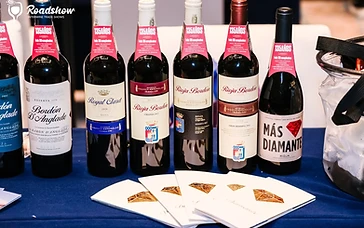
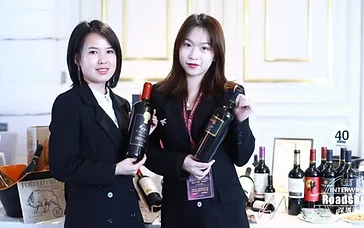
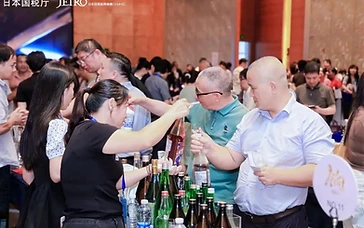
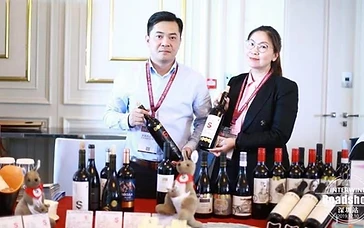
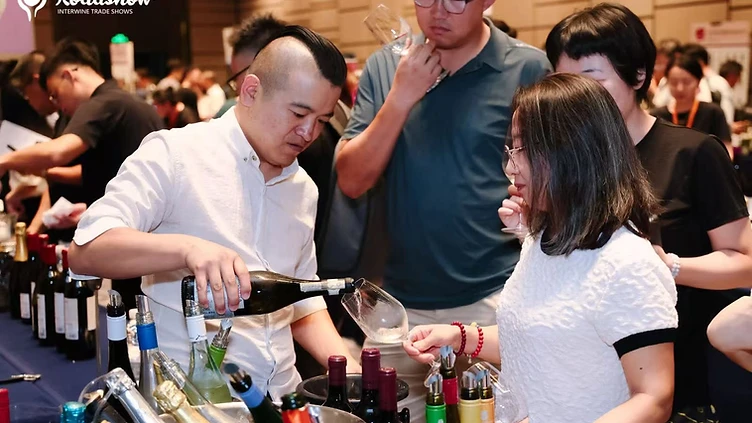
Direct sensory evaluation remains irreplaceable for on-trade procurement. Chinese food and beverage directors and beverage managers rarely sign off on allocations without blind or guided tastings. Participating as an exhibitor at premier commercial platforms like INTERWINE allows producers to present wines directly to verified national distributors, regional sub-distributors, and hospitality procurement leaders. Exporters ready to secure commercial representation in Mainland China can register to Become an Exhibitor to engage directly with qualified purchasing networks.
Engage the Chinese Sommelier and Wine Educator Community
Sommeliers in major Chinese urban centers wield substantial influence over by-the-glass (BTG) listings. Collaborate with recognized bodies such as the Young Sommeliers Association of China and certified wine training academics. Hosting masterclasses and winemaker dinners introduces your region’s terroir, culinary versatility, and food pairing applications directly to frontline tastemakers.
Utilize Targeted B2B Matchmaking and Industry Data
Rather than engaging in cold digital prospecting, utilize targeted trade matchmaking to pre-screen importers based on active customs declarations and current portfolio requirements. Exploring dedicated Business Matching services enables wineries to arrange pre-qualified meetings with verified buyers specifically seeking their regional category, price tier, and volume capability.
To keep abreast of tariff structures, logistics regulations, and post-tariff market realignments—such as the recovery of Australian wines following China's tariff removals in early 2024 documented by China Briefing—producers should consistently review published Market Insights.
Tailoring the On-Trade Value Proposition
Selling to Chinese restaurant buyers requires addressing the commercial realities of operating a hospitality business in China's prime retail real estate.
| On-Trade Commercial Lever | Buyer Expectation | Winery Best Practice | | :--- | :--- | :--- | | Pricing Architecture | Protected margins accounting for import tariffs, logistics, and local distributor markups. | Provide strict FOB-to-list price modeling, guaranteeing wholesale price protection against discount e-tailers. | | By-the-Glass (BTG) Allowances | Commercial offsets for open-bottle oxidation risks and pouring incentives. | Offer structured promotional sample budgets (e.g., 11+1 or 12+2 case deals) dedicated to BTG support. | | Staff Education & Collateral | Bilingual tasting notes and simple sensory descriptors for service teams. | Deliver Chinese-language cheat sheets highlighting food pairings, key flavor notes, and cellar stories via WeChat. | | Supply Chain Stability | Zero stock-outs during peak holiday and dining seasons. | Coordinate bonded warehousing or regional safety stock with your tier-one distribution partner. |
Commercial Risk Management and Implementation
Breaking into China's on-trade requires patience, clear legal protections, and vigilant brand defense. Before shipping commercial volumes, winery export executives should execute three defensive measures:
- Register Your Trademark in Chinese Characters: Secure both your Romanized brand name and its formal Chinese translation (pinyin and characters) with the China National Intellectual Property Administration (CNIPA). Failure to do so exposes brands to trademark squatting.
- Avoid Blanket Sole Exclusivity Agreements: Unless an importer offers binding annual minimum purchase guarantees and contractual on-trade performance milestones across specific urban zones, avoid granting exclusive national distribution rights to a single regional operator.
- Audit Cold-Chain Logistics: High humidity and summer heat across southern and central Chinese ports can damage wine vitality. Contractually ensure that your distribution partners manage temperature-controlled warehousing and refrigerated transit from port to restaurant cellar.
Conclusion: Accelerate Your On-Trade Listing Strategy
Winning a place on China's most celebrated restaurant wine lists is a proven avenue to building brand equity, prestige, and sustainable commercial volume. Success requires looking past speculative mass-market strategies and investing in qualified, high-touch relationships with dedicated HoReCa distributors and sommelier networks.
By leveraging targeted industry events, conducting bilingual sensory training, and maintaining strict channel discipline, your winery can secure a permanent and lucrative presence across China's dynamic hospitality sector. Learn more about exhibiting your portfolio directly to pre-screened Chinese trade buyers and book your participation through the official Interwine portal.
Sources
- International Organisation of Vine and Wine (OIV): State of the World Vine and Wine Sector Report — https://www.oiv.int
- China Briefing: China’s Wine Market Outlook: Trends and Opportunities — https://www.china-briefing.com/news/chinas-wine-market-outlook-trends-and-opportunities/
- EU SME Centre: China's Wine Market: Drivers, Technical Requirements, and Opportunities — https://www.eusmecentre.org.cn
- Vino Joy News: On-Trade Market Analysis and Distribution Developments — https://vino-joy.com
Key Takeaways
- —Foreign wine producers cannot sell direct to Chinese restaurants; they must partner with licensed importers and specialized HoReCa distributors.
- —China's on-trade landscape is stratified between luxury hotel/fine-dining accounts and agile, youth-oriented natural wine bistros and casual bars.
- —To attract premier on-trade buyers, wineries must provide strict wholesale price integrity, protecting restaurant wine lists from mass-market online discounting.
- —In-person tastings, sommelier education programs, and targeted B2B trade fairs are the most effective avenues for sensory evaluation and contract signing.
- —Bilingual staff training collateral, sample allocation allowances (BTG support), and registered Chinese trademarks are foundational prerequisites for success.
Frequently Asked Questions
Can foreign wineries sell wine directly to restaurants in China?
No. Under Chinese customs and commercial law, only registered domestic enterprises with appropriate alcohol circulation licenses, import licenses, and customs clearance capabilities can legally distribute wine to restaurants, bars, and hotels. Wineries must partner with an authorized domestic importer or establish their own wholly foreign-owned enterprise (WFOE) in China.
What is the difference between on-trade and off-trade distribution in China?
The off-trade channel includes traditional retail supermarkets, specialty bottle shops, and digital e-commerce platforms where consumers purchase wine for off-premise consumption. The on-trade (HoReCa) channel encompasses hotels, restaurants, bars, and catering venues where wine is purchased and consumed on-site. The on-trade channel relies heavily on sommelier recommendations, curated wine lists, and staff education.
What do Chinese sommeliers look for when listing imported wines?
Chinese sommeliers evaluate sensory quality, brand storytelling, food pairing versatility, exclusivity, and wholesale price protection against low-cost e-commerce discounting. They also look for commercial support from distributors, such as sample subsidies for By-The-Glass (BTG) programs and staff training materials.
How do digital platforms support on-trade wine sales in China?
While physical dining venues handle final consumption, digital tools like WeChat Mini-Programs, Dianping (restaurant discovery and reviews), and RED (Xiaohongshu) drive consumer interest. Importers and venues frequently leverage WeChat groups and digital catalogs to communicate allocation availability, winemaker visit dates, and tasting invitations directly to corporate clients and wine club patrons.