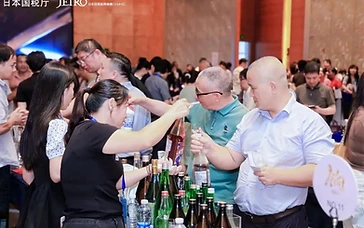
Why International Wineries Should Exhibit at Interwine
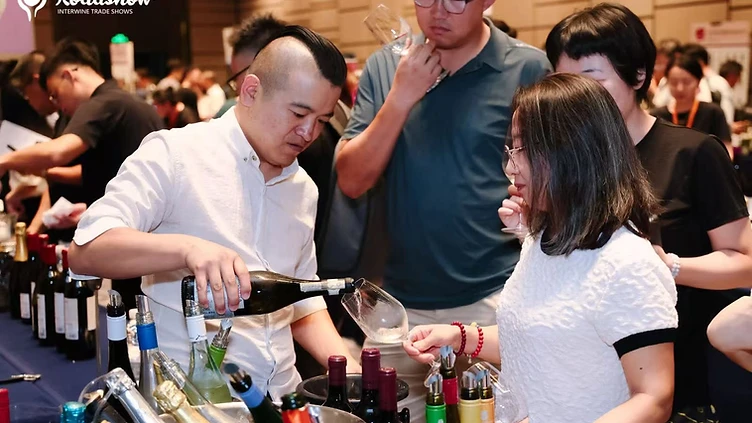
Discover why international wineries should exhibit at Interwine. Connect with Tier 1 and Tier 2 Chinese wine importers, capitalize on Guangdong's leading import hub, and access tailored business matching.
International wineries and brand owners evaluating Asian market expansion face a strategic turning point. While China represents one of the largest consumer bases in Asia, navigating its vast geography, regional distribution tiers, and evolving consumer tastes demands direct access to vetted trade buyers. Understanding why international wineries should exhibit at interwine centers on one commercial reality: direct, physical relationship-building with pre-qualified regional distributors remains the most effective gateway to securing sustainable market penetration in Mainland China.
Organized by Canton Universal Fair Group Ltd. since 2005, Interwine (China International Wine & Spirits Exhibition) stands as China’s largest dedicated B2B wine and spirits trade fair. For global producers seeking importer representation, retail placement, or expansion across on-trade and off-trade channels, exhibiting at Interwine delivers a measurable commercial advantage.
Strategic Gateway: The Guangdong Economic Epicenter
Location dictates distribution efficiency. Interwine is anchored in Guangzhou, the provincial capital of Guangdong. According to trade data documented by Wikipedia's Interwine Profile, over 60% of imported wine entering Mainland China is distributed through or headquartered within the Guangdong area.
Guangdong is the industrial heart of the Greater Bay Area (GBA), boasting a regional population of more than 110 million consumers and immediate commercial integration with Hong Kong and Macau. Furthermore, as reported in 2024 by Beverage Trade Network, approximately 82% of China's population falls within the prime working and consuming age demographic of 15 to 64 years. By establishing an exhibition presence in Guangzhou, wineries position their portfolios directly in front of the nation's most active, liquid, and experienced community of wine importers.
Unrivaled Buyer Quality and Verified B2B Turnout
For international producers, trade show return on investment (ROI) depends entirely on attendee purchasing authority. Unlike public tastings or consumer festivals, Interwine enforces a strict business-to-business formula officially supported and guided by China's Ministry of Commerce.
According to official post-show analytics from the 30th Interwine China session in 2023, the event brought together 412 exhibitors, 21,578 vetted professional visitors, and generated more than 50 million RMB in on-site supply-and-demand docking. Across full editions spanning up to 50,000 square meters, the fair regularly welcomes participating delegations from more than 50 producing countries alongside over 50,000 professional buyers.
Exhibiting wineries gain direct access to a cross-section of qualified trade channels, including:
- First-tier national and regional importers seeking exclusive territorial agency agreements.
- Sub-distributors and wholesalers servicing fast-growing Tier 2 and Tier 3 inland metropolitan markets.
- Key account procurement managers representing four-star and five-star hotel chains, restaurant consortia, and private club groups.
- Specialty retail and duty-free buyers, covering airport concessions, cross-border e-commerce platforms, and high-end supermarket chains.
Global brands can review the registered profile types via the Exhibitor Directory to pinpoint how domestic distribution networks align with their specific product tiers.
Active Commercial Facilitation: Beyond the Booth
Securing commercial contracts in China requires proactive engagement beyond passive booth traffic. Interwine provides a comprehensive business development framework designed to maximize measurable commercial outcomes.
Dedicated One-on-One Business Matching
Wineries participating at Interwine can utilize targeted Business Matching services. Interwine's organizer network maintains active ties with more than 10,000 distributor members across provincial wine associations. Before the show opens, exhibitors can review buyer profiles and schedule private, structured procurement sessions with prospective distributors who match their volume capacities, price corridors, and style profiles.
High-Impact Masterclasses and Sommelier Engagement
Brand narrative and education drive sales in professional trade circles. Exhibitors can secure dedicated slots within official Interwine Events, hosting masterclasses led by Master Sommeliers, MWs, and leading Chinese opinion leaders (KOLs). These sessions educate key trade buyers on regional terroir, production values, and food-pairing versatility, accelerating buying decisions.
Year-Round Multi-City Roadshows
Interwine functions as a continuous marketing engine rather than an isolated annual event. The organization runs targeted roadshows across 40 to 46 Chinese cities each year. Overseas producers gain ongoing opportunities to take their vetted portfolios into rapidly expanding consumer hubs such as Chengdu, Wuhan, Changsha, and Hangzhou without orchestrating individual solo tours.
Capitalizing on China's Market Realignment
According to an industry report by MS Advisory (2024), China's wine market was valued at $40.4 billion in 2024 and is projected to expand at a compound annual growth rate (CAGR) exceeding 11%. Following several years of inventory rationalization, Chinese importers and commercial buyers are actively seeking fresh, authentic, and high-quality international partnerships.
Recent market shifts emphasize diversification:
- The Rise of Boutique & Terroir-Driven Wines: Contemporary Chinese consumers, particularly younger urban professionals, are branching out from conventional Bordeaux blends toward diverse regional varieties, organic practices, and distinctive New and Old World appellations.
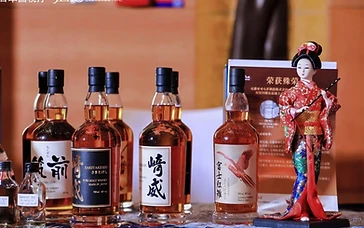
- Category Growth in Alternative Segments: Official Interwine exhibition data reveals surging interest in thematic pavilions, including the "90+ Awarded Wine Zone" and dedicated spirits/whisky showcases.
- Strategic Global Partnerships: Strategic alliances, such as the collaboration between the Beverage Trade Network's China Wine Competition and Interwine established in 2024, ensure award-winning international entrants gain immediate, organized routes to Chinese shelf space.
Actionable Checklist: Preparing Your Interwine Exhibition
To maximize distribution acquisition and regulatory compliance, international wineries should follow a structured commercial roadmap when planning their presence:
- Secure Regulatory & Customs Alignment Early: Ensure your winery is registered with the General Administration of Customs of China (GACC). Partner with recognized logistics providers to clear tasting samples through bonded customs well ahead of exhibition deadlines.
- Tailor Your Collateral for Chinese Buyers: Prepare tasting notes, technical sheets, and price lists (FOB and CIF) translated accurately into Simplified Chinese. Feature QR codes linking directly to WeChat brand pages or digital portfolios for instant messaging.
- Select the Right Booth Structure: Evaluate standard shell schemes versus custom raw space pavilions based on whether your objective is immediate brand recognition or focused, private B2B deal-making.
- Leverage Organizer Support: Register early to access pre-event promotional blasts, buyer matchmaking schedules, and logistical services by choosing to Become an Exhibitor.
Conclusion: Secure Your Brand's Foothold in China
Navigating China’s alcoholic beverage landscape requires direct access, local credibility, and contact with verified buyers. Interwine delivers this infrastructure in China's foremost import territory. By exhibiting, international wineries eliminate speculative intermediary layers, establish direct partnerships with established importers, and position their portfolios for sustained commercial growth.
Take the next strategic step for your export portfolio: apply today to Become an Exhibitor at the upcoming edition of Interwine.
Sources
- MS Advisory: Wine Market in China - Trends, Growth, and Consumer Preferences (2024)
- Beverage Trade Network: China Wine Competition Partners with Interwine China (2024)
- Wikipedia: Interwine China Overview and Market Background
- Interwine China Official Portal: The 30th Interwine China Review & Industry Data (2023)
Key Takeaways
- —Over 60% of imported wine into Mainland China enters or is distributed via the Guangdong region, making Guangzhou the premier strategic location for international wine exhibitions.
- —China's wine market was valued at $40.4 billion in 2024 and is projected to expand at a CAGR of more than 11%, according to MS Advisory (2024).
- —Interwine operates under a dedicated B2B format officially supported by the Ministry of Commerce, connecting wineries directly with vetted importers, distributors, and hotel/restaurant buyers.
- —Exhibitors benefit from structured one-on-one business matching, masterclasses, and year-round roadshows spanning over 40 major commercial cities across China.
- —Direct exhibition participation eliminates costly intermediary layers and accelerates commercial agency agreements across Tier 1, 2, and 3 distribution networks.
Frequently Asked Questions
Why is Guangzhou considered the optimal location for wine exhibitions in China?
Guangzhou is the capital of Guangdong province, which accounts for more than 60% of all wine imports into Mainland China. Its positioning in the Greater Bay Area gives wineries immediate access to the country's most established network of wine importers, wholesalers, and high-income consumers.
What type of buyers attend Interwine?
Interwine enforces a B2B attendee policy. Registered visitors include licensed wine and spirits importers, provincial and municipal distributors, e-commerce beverage buyers, purchasing managers for 4- and 5-star hotels, high-end restaurant groups, duty-free operators, and specialized retail chains.
How does Interwine help wineries connect with importers before and during the fair?
Interwine provides dedicated Business Matching services, scheduling one-on-one procurement meetings between international producers and pre-screened domestic distributors based on category, price point, and distribution capacity. It also organizes masterclasses and national roadshows across more than 40 cities.
What customs and registration requirements must wineries complete to exhibit?
Wineries must be registered with China's GACC (General Administration of Customs of China) to import products into the country. Exhibitors generally coordinate sample shipments via designated official freight forwarders who assist with customs clearance and temporary bonded exhibition entry.
Can small boutique wineries successfully compete at Interwine alongside major brands?
Yes. Chinese trade demand has increasingly shifted toward boutique, organic, and artisanal wines offering distinct regional identity. Dedicated display sections, such as the 90+ Awarded Wine Zone and regional pavilions, give independent wineries targeted visibility with specialty importers.