How Interwine Connects Wine Brands With the Chinese Market
Discover how Interwine connects international wine brands with Chinese importers, distributors, and buyers through strategic exhibitions, business matching, and nationwide roadshows.
Entering the Chinese wine market requires international wineries to navigate complex regulatory landscapes, regional distribution tiers, and shifting consumer demographics. Interwine functions as a commercial bridge for foreign wine and spirits producers, linking export-oriented brands directly with pre-screened importers, distributors, and regional buyers across Mainland China. Through high-density expos at the China Import and Export Fair Pazhou Complex in Guangzhou, multi-city roadshows, and structured bilateral matching sessions, the platform lowers entry friction, mitigates commercial risk, and accelerates regional distribution.
The Commercial Landscape of China's Wine Market
China's alcoholic beverage sector has transitioned through structural realignments. According to market observations published by the EU SME Centre in 2024, the Chinese market is undergoing an active self-adjustment phase. Historical demand for cheap, low-end bulk imports has shifted inward, as domestic producers cater to value segments while import demand increasingly pivots toward boutique, sustainable, and higher-value offerings. Still red wine remains an anchor category, yet dynamic pockets of demand are expanding across white wines, sparkling categories, and low-intervention labels.
Navigating this landscape independently presents distinct hurdles for foreign wineries. Importers operate with strict margin expectations, fragmented logistics across Tier 1 to Tier 3 cities, and stringent compliance under China Customs (GACC). Establishing commercial traction without physical validation, market presence, and face-to-face trust building remains one of the primary points of failure for foreign brands. Interwine bridges this divide by providing international producers with structured physical infrastructure, validated buyer networks, and sustained industry access points.
Direct Access to China's Premier Wine Import Gateway
Geographic targeting is decisive for wine distribution in China. According to industry records published by Wikiland, over 60% of Mainland China's imported wine ecosystem is concentrated in the Guangdong province and the greater southern China commercial corridor. This makes the Greater Bay Area the primary commercial artery for foreign vintners targeting national and regional distribution.
Interwine operates from this core, hosting primary sessions at the Guangzhou International Convention and Exhibition Center (Pazhou Complex). By placing foreign producers in Guangzhou and Shenzhen, the platform embeds international labels directly into China's densest concentration of wine traders, logistics specialists, and high-volume wholesalers. This strategic placement ensures exhibitors encounter buyers with established regional infrastructure rather than speculative intermediaries.
A Multi-Tiered Engine for Market Entry and Expansion
Interwine differs from conventional trade expositions by running an active, ongoing commercial engine rather than a static booth showcase. It deploys multiple distinct mechanisms designed to drive distribution agreements:
1. High-Density Flagship Expos
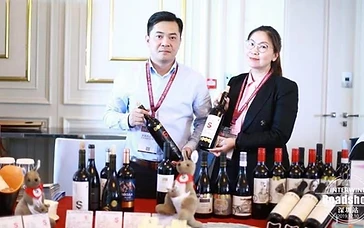
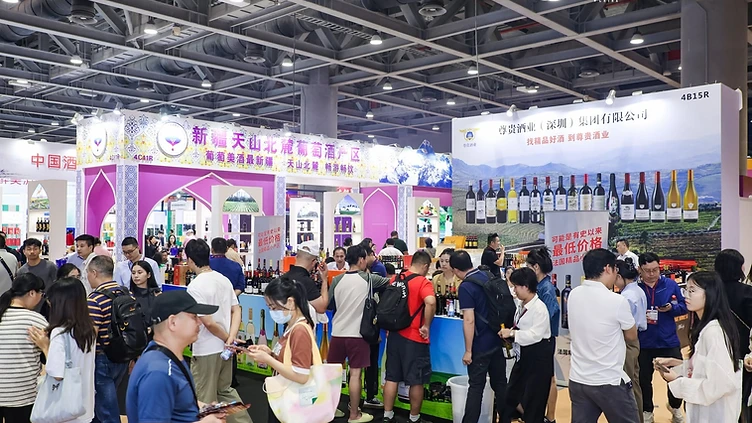
Interwine’s flagship exhibitions assemble verified wine and spirits importers, hospitality procurement managers, airline purchasing executives, and retail buyers. In an interview published by Beverage Trade Network in 2024, leadership highlighted strategic co-locations, such as holding sessions alongside the Canton Fair's food sectors. This cross-industry convergence broadens buyer foot traffic, exposing wine producers to institutional food and beverage procurement leaders who rarely attend single-category expos.
2. Tailored Business Matching
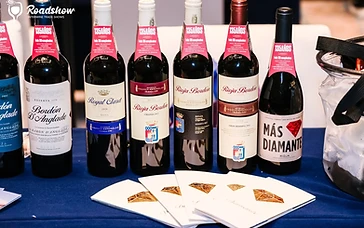
Unstructured trade shows often result in mismatched expectations between boutique producers and mass-market discounters. Interwine addresses this through targeted Business Matching services. Buyers and producers are mapped by price tier, annual capacity, appellation, and channel focus (on-trade, corporate gifting, or e-commerce) prior to meeting. This curated matchmaking ensures bilateral conversations focus on concrete pricing, volume commitments, and import distribution agreements.
3. Year-Round Nationwide Roadshows
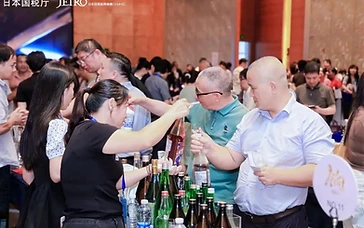
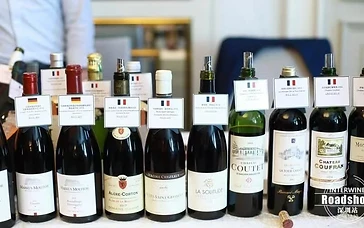
While Tier 1 hubs like Shanghai, Guangzhou, and Shenzhen remain vital brand-building anchors, substantial commercial volume resides within developing Tier 2 and Tier 3 cities. Interwine organizes annual professional roadshows covering 40 to 46 Chinese commercial hubs. These focused single-day tastings take participating international labels directly to regional distribution groups, provincial wholesalers, and private club buyers who do not regularly travel to international coastal trade fairs.
Education, Masterclasses, and Sommelier Engagement
Chinese wine buyers increasingly favor brands that support the market with educational resources and clear provenance. As noted by Beverage Trade Network in late 2024, masterclasses and expert-led forums are essential for shaping the palate of local professionals and elevating trade understanding. Interwine incorporates these initiatives into its core event structure:
- Sommelier and Importer Masterclasses: Hosted by Masters of Wine, leading sommeliers, and certified educators, these events position an exhibitor's terroir, varietals, and food-pairing versatility directly in front of influential hospitality buyers.
- Industry Forums and Trend Insights: Curated sessions address domestic consumer movements, such as the rising purchasing power of Gen Z, the rapid growth of social commerce, and the demand for organic or sustainable viticulture.
Producers can stay informed on these shifting commercial dynamics by reviewing curated industry analysis in Market Insights and reading the latest sector updates in News and Magazine.
Navigating Commercial and Operational Risks
Exhibiting in China requires strategic foresight and rigorous planning. Wineries must address operational friction points early to maximize their return on exhibition spend:
Trademark Protection
China operates under a strict "first-to-file" intellectual property framework. Producers must register their Latin brand names alongside localized Chinese transliterations with the China National Intellectual Property Administration (CNIPA) well before presenting products publicly.
Customs Compliance and Labeling
Imported wines are subject to General Administration of Customs of China (GACC) facility registration under Decrees 248 and 249. Back labels must conform precisely to national food safety standards (GB standards), detailing alcoholic strength, ingredients, shelf life, and importer information.
Sample Logistics and Travel Coordination
Ensuring sample shipments clear customs in time for tastings requires certified freight partners and official event invitations. International vintners can facilitate their business travel arrangements through Invitation Letter and Visa Support and plan practical event arrivals using Arrival and Transportation.
Transitioning From Exhibition to Long-Term Distribution
Trade fair participation represents the first step of a sustained China strategy. Successful exhibitors track leads rigorously, adapt to preferred communication platforms like WeChat, and offer flexible sample logistics for follow-up tastings. By partnering with Interwine, international producers secure the physical footprint, trade credibility, and buyer access required to turn initial tastings into sustained container orders.
Wineries seeking qualified importer representation, retail shelf space, and direct access to China's leading beverage procurement network can take the next step and Become an Exhibitor at an upcoming session.
Sources
- EU SME Centre: China's Wine Market Case Study Series: Michele Taccetti on Exporting Wine, Forging Alliances, and Branding
- Beverage Trade Network: Interwine China: Bridging Global Wines and the Chinese Market
- Wikiland: Interwine Wine Exhibition Profile and Industry Overview
- U.S. International Trade Administration: China - Market Entry Strategy
Key Takeaways
- —Interwine connects global wine producers with verified importers, wholesalers, and institutional buyers across Mainland China.
- —Guangdong accounts for over 60% of China's imported wine ecosystem, making Interwine's Guangzhou and Shenzhen hubs optimal commercial entry points.
- —The platform combines large-scale trade fairs with structured business matching sessions and nationwide roadshows across 40+ commercial cities.
- —Education initiatives, including sommelier masterclasses, help international labels build prestige and align with the market's shift toward premium and boutique wines.
- —Successful entry requires upfront attention to IP protection under Chinese trademark law and compliance with GACC customs registration.
Frequently Asked Questions
What types of buyers attend Interwine exhibitions?
Interwine attracts licensed wine and spirits importers, provincial and municipal distributors, beverage wholesalers, hotel F&B directors, sommeliers, high-end restaurant procurement executives, and corporate gift procurement managers from across Mainland China.
How does Interwine support boutique or lesser-known wine producers?
Interwine offers specialized pavilion participation, tailored business matching, and sommelier-led masterclasses. These platforms allow boutique estates to highlight unique terroirs, varietals, and sustainability credentials directly to specialized buyers looking for differentiated portfolios.
Why is Guangdong considered the best hub for entering the Chinese wine market?
Industry data indicates that over 60% of imported wine entering Mainland China passes through or is managed by companies based in Guangdong province. Its strategic proximity to Hong Kong, advanced logistics infrastructure, and mature consumption culture make it the country's primary beverage trading corridor.
What compliance steps must international wineries complete before exhibiting?
Exhibitors must ensure their production facilities are registered with the General Administration of Customs of China (GACC) under Decree 248, prepare bilingual compliant labels, and file their brand trademarks with the China National Intellectual Property Administration (CNIPA) to protect their IP.
How do Interwine's roadshows differ from the main Guangzhou expos?
While the Guangzhou and Shenzhen expos serve as comprehensive national platforms, Interwine's 40+ annual city roadshows bring curated international wine selections directly to regional distributors and local trade buyers in developing Tier 2 and Tier 3 cities across China.