How to Find Reliable Wine Importers in China
Discover how winery export directors can identify, evaluate, and partner with reliable wine importers in China. Master customs compliance, regional distribution networks, and strategic B2B matchmaking.
To find reliable wine importers in China, export directors must look beyond generic buyer directories and engage in rigorous partner qualification. According to market customs analyses reported by Vino Joy News (2024), China's wine importation remains concentrated across dynamic provincial hubs led by Shanghai, Guangdong, Zhejiang, and Fujian. Succeeding in this complex commercial landscape requires foreign wineries to understand the regulatory gateway, conduct corporate due diligence, evaluate regional distribution capabilities, and foster direct relationship-building (guanxi) through dedicated commercial channels.
The Shift in China's Wine Import Landscape
The Chinese imported wine sector has transitioned from speculative volume buying to targeted, market-led consumption. Today, national corporate consolidators like ASC Fine Wines, Summergate Fine Wines & Spirits, and EMW Fine Wines compete alongside specialized regional distributors. According to BestWineImporters (2026), imported bottled wine faces a cumulative import duty, value-added tax (VAT), and consumption tax structure that adds roughly ~50% on top of CIF (Cost, Insurance, and Freight) value. As a result, commercial margins depend heavily on working with partners who maintain streamlined logistics, port clearance efficiency, and active route-to-market channels.
Wineries must avoid appointing a single exclusive importer for the entire country unless that partner has demonstrated national distribution muscle. A regional strategy—partnering with tier-specific merchants across the Greater Bay Area, the Yangtze River Delta, and fast-growing southwestern hubs such as Chengdu—often delivers superior brand volume and commercial control.
Core Criteria for Vetting Reliable Wine Importers
When evaluating prospective Chinese importers, wineries should apply a systematic vetting checklist to verify operational substance and eliminate intermediaries who lack sales channels:
- Customs Registration and Port Clearance Track Record: A legitimate importer must possess active import/export licensing and an unblemished China Customs record. Verify whether the partner routinely clears wine through key entry ports such as Shanghai, Guangzhou, Shenzhen, or Ningbo. Importers with direct experience handling General Administration of Customs of China (GACC) documentation, sanitary certificates, and Chinese back-label approvals will minimize border clearance delays.
- Distribution Reach and Channel Specialization: Ascertain whether the importer’s core business model aligns with your price segment. Do they cater to the on-trade (luxury hotels, fine dining, and bistro venues), the corporate gifting sector, modern off-trade supermarket chains, or tier-one e-commerce storefronts on JD.com and Tmall? As highlighted by China Wine Competition (2024), portfolio fit is critical; a partner with an overloaded catalog may let your SKUs languish without commercial push.
- Storage, Cold-Chain, and Bonded Warehousing Infrastructure: China’s southern and eastern commercial hubs experience high summer temperatures and humidity. A reliable partner must show proof of temperature-controlled warehousing, whether in bonded trade zones or regional distribution centers.
- Commercial Solvency and Terms of Payment: While long-term partners may negotiate open-account terms, initial container shipments typically utilize letters of credit (L/C) or advanced deposits. Importers requesting unbacked consignment stock or extended payment windows without verifiable transaction histories present elevated commercial risk.
Strategic Routes to Connect with Qualified Buyers
Wineries can deploy three distinct procurement routes to identify vetted Chinese importers:
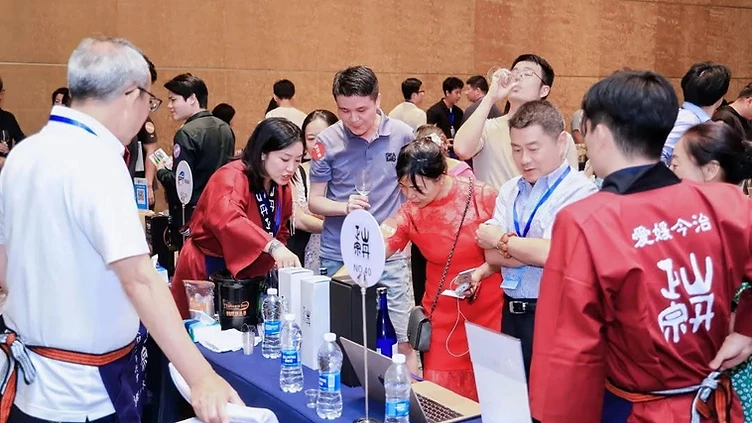
- Specialized B2B Matchmaking and Industry Tradeshows: Direct commercial interaction remains the most effective bridge for closing transactions in China. Rather than relying on cold correspondence, international producers leverage dedicated expos to pitch directly to verified purchase managers. Wineries looking to access thousands of regional wholesalers, retail sommeliers, and corporate procurement directors should explore how to /become-an-exhibitor at focused regional exhibitions.
- Pre-Screened Commercial Matchmaking Sessions: Taking advantage of structured Business Matching meetings allows export managers to meet pre-qualified importers who have explicitly requested their specific varietal profile, country of origin, and price band.
- Customs Trade Intelligence and Verified Directories: Auditing customs entry declarations helps confirm which importers are expanding their SKU lines, which have lost principal wineries, and which maintain regular container turnover.
Overcoming Operational Pitfalls: Labeling and IP Protection
Prior to signing distribution agreements, foreign brand owners must secure their intellectual property. China enforces a strict "first-to-file" trademark system. Unscrupulous third parties can register your brand's Latin name and transliterated Chinese phonetic name (Zhongwen) before your first pallet arrives at customs. Ensure all trademark registrations are submitted through the China National Intellectual Property Administration (CNIPA) before sending commercial samples.
Furthermore, accurate Chinese back-labels must comply with national food safety standards (GB standards), detailing the importer name, legal entity, alcohol percentage, grape harvest year, and mandatory health warnings. Reliable importers routinely oversee compliance with back-label verification prior to oceanic freight departures, preventing costly port quarantines.
Converting Prospects into Long-Term Distribution Alliances
Building sustainable wine sales in China requires active support for your distribution partner. International wineries should provide localized sales collateral, support WeChat marketing initiatives, and offer in-person masterclasses during key buying cycles. Discovering reliable importers is not merely an exercise in database scouting; it is the establishment of a compliant, commercially aligned partnership. Review our latest Market Insights to align your export strategy with regional buying trends, or explore our Exhibitor Directory to evaluate peer brands successfully navigating Chinese distribution.
Sources
- Vino Joy News (2024): China's Top 10 Wine Importers in H1 2024
- China Wine Competition (2024): China’s Leading Wine Importers - A Comprehensive Guide For International Brands
- BestWineImporters (2026): A Wine Exporter’s Guide to Finding Buyers in China and Working with Chinese Wine Importers
Key Takeaways
- —Import duties, consumption tax, and VAT cumulatively add roughly 50% to the CIF value of imported wine in China, making supply chain efficiency critical.
- —China operates on a first-to-file trademark system; wineries must register their Latin and Chinese brand names before shipping commercial samples.
- —Leading wine trade flow remains heavily concentrated across coastal gateways including Shanghai, Guangdong, Zhejiang, and Fujian.
- —Evaluating an importer's cold-chain warehousing, customs compliance record, and on-trade versus off-trade network is essential before granting regional distribution rights.
- —Face-to-face commercial events and targeted business matching yield significantly higher conversion rates than unsolicited cold outreach.
Frequently Asked Questions
What taxes and tariffs apply to imported bottled wine in China?
Imported bottled still wine into China is subject to an import tariff (commonly 14% unless lowered by bilateral Free Trade Agreements), a 13% Value-Added Tax (VAT), and a 10% consumption tax. Cumulatively, these compound to approximately 48% to 50% of the CIF value.
Should a foreign winery sign an exclusive national distribution contract in China?
Generally, no. China is a massive continental market with diverse regional consumption dynamics. Unless an importer demonstrates verified national reach across multiple tiers and channels, appointing regional distributors for key areas (such as East China, South China, and West China) provides better volume potential and brand control.
How can wineries protect their trademark before entering the Chinese market?
Foreign producers should register both their original Latin brand name and an official Chinese transliteration with the China National Intellectual Property Administration (CNIPA) prior to sending samples or initiating commercial talks, as China adheres to a strict first-to-file trademark principle.
What is the best way to meet verified Chinese wine buyers?
Direct interaction through established industry exhibitions such as Interwine China and curated B2B business matching programs provides direct access to pre-qualified importers, distributors, and sommeliers looking for new brand representations.