How to Build Wine Distribution in China
A commercial roadmap for international wineries on how to build wine distribution in China, covering route-to-market models, partner vetting, regulatory compliance, and regional tiered growth.
To build sustainable wine distribution in China, international wineries must shift from treating the country as a single speculative market to managing it as a continent of fragmented regional sub-markets. Securing volume and price integrity requires choosing the right commercial entry vehicle, establishing cold-chain custody, complying with General Administration of Customs (GACC) mandates, and actively vetting distributor partners based on sales velocity rather than introductory enthusiasm.
1. Route-to-Market Archetypes for Foreign Wineries
Foreign wine producers enter mainland China primarily through three operational structures, each presenting different capital requirements and commercial risk profiles.
- The National Master Importer Model: Partnering with an established nationwide distributor (such as Summergate Fine Wines & Spirits or ASC Fine Wines) offers turnkey access to multi-city wholesale channels, on-premise accounts, and national retail chains. However, large importers hold extensive portfolios. Emerging boutique brands risk becoming catalog filler unless backed by guaranteed marketing expenditure and volume commitments.
- Regional Multi-Distributor Strategy: Rather than granting exclusive nationwide rights, brands carve distribution rights by geography (e.g., East China/Yangtze River Delta, South China/Greater Bay Area, and North China) or channel (e.g., HoReCa vs. private corporate client specialists). This limits vulnerability to a single partner's operational slump, though it requires closer brand governance.
- Direct-to-Platform & Digital Hybrid: Brands partner with specialized bonded-warehouse e-commerce operators to sell directly via platforms such as JD.com, Tmall, or Douyin. While offering direct brand interaction, digital channels in China demand substantial domestic media spending and can spark channel friction with traditional on-premise distributors if pricing structures are not strictly aligned.
2. Regulatory Compliance: Customs, Labelling, and Tariffs
Navigating mainland China's import regulations requires precision before cargo dispatch. The EU SME Centre reported in 2023 that compliance failures at the point of customs entry frequently lead to inventory impoundment, demurrage costs, or mandated re-export.
- GACC Producer Registration (Decree 248): Under General Administration of Customs Decree 248, overseas manufacturing and processing facilities for imported foodstuffs—including wineries—must secure registration through the China Import Food Enterprise Registration system prior to shipping.
- Mandatory Back-Labelling (GB 7718): Chinese regulations require compliant simplified Chinese back labels affixed to every bottle before customs inspection. Labels must disclose exact product denomination, legal ingredients (including sulphites), production date, minimum shelf life (or exemption where applicable), domestic importer contact details, and alcohol content by volume.
- Tariff Fluctuations: Tariff policy strongly dictates landed price structures. For example, as reported by MS Advisory in 2025, China lifted its anti-dumping and countervailing duties of up to 218.4% on Australian wine on March 29, 2024, altering competitive dynamics across the premium sector. Standard Most-Favoured-Nation (MFN) tariff rates for wine typically span 14% to 30%, in addition to a 13% Value Added Tax (VAT) and a 10% consumption tax.
3. Vetting and Qualifying Distribution Partners
According to an analysis by B2B International in 2024, the primary cause of market-entry failure in China is commercial rather than regulatory—specifically, selecting distribution partners based on preliminary social rapport rather than verifiable distribution infrastructure.
Before signing commercial distribution contracts, wineries must assess:
- Direct Channel Footprint: Does the distributor possess actual account lists in five-star hotels, targeted bistro bars, or corporate gifting accounts, or do they rely on informal sub-wholesalers?
- Cold-Chain Infrastructure: Can the partner provide temperature-controlled storage and logistics from port-of-entry bonded facilities to regional warehouses? Heat damage during summer transit remains an acute risk across southern and central China.
- Creditworthiness and Cash Flow: What are their terms? Foreign wineries should maintain strict initial payment terms—typically 30% to 50% advance deposit with balance against shipping documentation—until trust and consistent reorder patterns are established.
4. Commercial Negotiations and Contractual Safeguards
Distributor agreements must be negotiated with specific contractual protections:
- Geographic and Channel Exclusivity Constraints: Avoid broad, perpetual national exclusivity. Tie any exclusive rights to clear, rolling minimum purchase volumes evaluated quarterly.
- Intellectual Property Protection: China adheres to a strict "first-to-file" trademark system. Overseas wineries must register both their Latin brand name and their recognized Chinese phonetic and conceptual transliteration before entering commercial talks.
- Price Architecture: Define minimum resale price maintenance guidelines where legally permissible, shielding brand prestige against aggressive clearing sales on discount digital platforms.
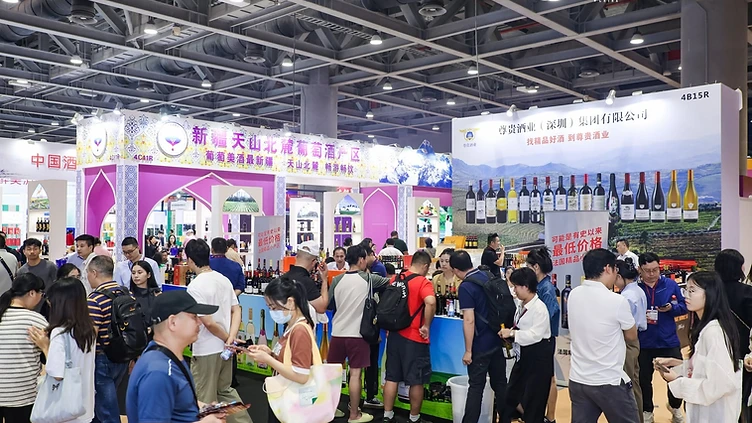
Producers seeking vetted commercial connections can review the Exhibitor Directory and schedule direct distributor negotiations via Business Matching sessions.
5. Tier-City Sequencing and Channel Execution
Wineries often over-concentrate resources in saturated Tier 1 cities (Shanghai, Beijing, Shenzhen, Guangzhou). While Shanghai remains China's epicenter for international wine culture and Western dining concepts, competition is fierce.
Sustainable commercial programs balance Tier 1 brand showcase visibility with distribution expansion into economically developed Tier 2 and "New Tier 1" hubs—such as Chengdu, Hangzhou, Wuhan, and Qingdao. In these regions, middle-class spending power continues to expand, while retail and on-premise lists face less saturation from legacy imported labels. Exploring in-depth regional reports within Market Insights helps target channel strategies effectively.
Conclusion: Moving from Strategy to In-Market Execution
Building dependable wine distribution in China requires disciplined partner verification, robust trademark security, and consistent in-market engagement. Generic mass-market distribution is no longer viable; commercial success belongs to wineries that build aligned channel partnerships and support local buyers with targeted education. To start engaging directly with regional buyers, learn how to Become an Exhibitor at upcoming trade events.
Sources
- EU SME Centre (2023). China's Wine Market(s): Drivers, Technical Requirements, and Opportunities for EU Producers. https://www.eusmecentre.org.cn/publications/chinas-wine-markets-drivers-technical-requirements-and-opportunities-for-eu-producers/
- MS Advisory (2025). Wine Market in China: Trends, Growth, and Consumer Preferences. https://msadvisory.com/wine-market-in-china/
- B2B International (2024). China Market Entry Strategy: How To Enter The Chinese Market. https://www.b2binternational.com/publications/china-market-entry/
Key Takeaways
- —Differentiate by region and channel rather than signing blanket nationwide exclusive agreements.
- —Verify GACC Decree 248 facility registration and label compliance before dispatching cargo to avoid border impoundments.
- —Secure Chinese transliteration trademarks under China's first-to-file system prior to commercial negotiations.
- —Qualify importers through operational audits of temperature-controlled storage and verified retail account lists.
- —Expand past saturated Tier 1 hubs into high-growth New Tier 1 cities like Chengdu and Hangzhou.
Frequently Asked Questions
What is the primary regulatory hurdle when shipping wine to China?
Wineries must be registered with the General Administration of Customs of China (GACC) under Decree 248, adhere to national food safety standards (GB 7718 for Chinese back-labelling), and ensure that importer partners hold active alcohol distribution permits.
Should a winery grant exclusive distribution rights across mainland China?
Granting exclusive national rights carries significant operational risk unless the importer has documented national distribution infrastructure and accepts enforceable, quarterly sales quotas. Many successful wineries partition rights by region or sales channel.
What role does trademark registration play before approaching Chinese distributors?
China operates a first-to-file trademark system. Overseas producers must register their original foreign brand name and an official Chinese transliteration before presenting product lines to prospective distributors to prevent trademark squatting.
How do import duties affect landed pricing for foreign wine?
Landed pricing includes Most-Favoured-Nation customs duties (ranging between 14% and 30%), a 10% consumption tax, and a 13% VAT, subject to bilateral free trade agreements or trade dispute resolutions.