How to Find Wine Distributors in China
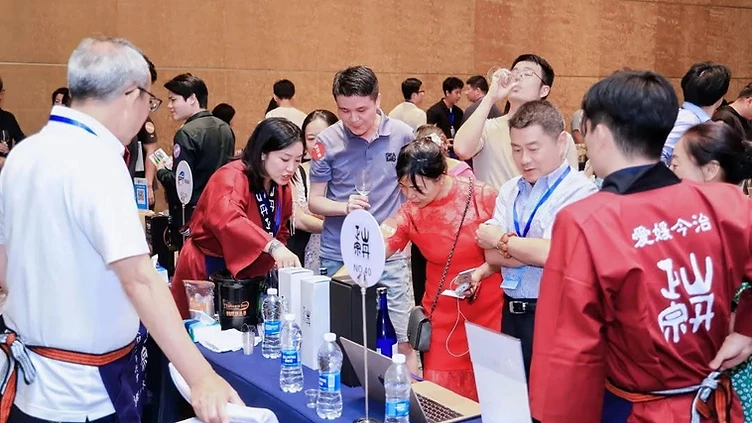
A commercial B2B guide for winery export directors on how to find wine distributors in China, navigate multi-tier routes to market, evaluate import partners, and accelerate trade agreements.
Finding the right wine distributor in China requires a structured commercial strategy rather than speculative broker outreach. To secure viable distribution, international wineries must identify licensed import entities with active provincial wholesale networks, clear portfolio alignment, and proven channel capabilities across on-trade, off-trade, and digital ecosystems. Navigating regulatory compliance under the General Administration of Customs of China (GACC), assessing fiscal margins against statutory import tariffs, and conducting targeted in-person trade engagements represent the baseline criteria for long-term commercial viability in the world's most dynamic wine landscape.
According to an analysis by MS Advisory (2025), China’s domestic wine market reached a valuation of approximately $40.4 billion in 2024, maintaining an expected compound annual growth rate exceeding 11%. Yet, capitalizing on this consumer demand requires navigating a distribution ecosystem that diverges significantly from European three-tier structures or American control models.
Understanding the Chinese Wine Distribution Landscape
China is not a monolithic retail market; it represents a federation of regionally segmented economies across Tier 1, Tier 2, and Tier 3 cities. Understanding how wine travels from international shipping ports into end-consumer glasses is foundational before initiating commercial discussions.
[International Winery]
         │
         ▼ (CIF / FOB Contract)
[Licensed First-Tier Importer] ── (Direct Sales) ──► [E-Commerce / National Retail / Duty-Free]
         │
         ▼ (Regional Allocation)
[Secondary Provincial Distributors] (Tier 1 & Tier 2 Regional Hubs)
         │
         ▼
[City Wholesalers & Sub-Distributors] (Local Networks, Tier 3/4 Coverage)
         │
         ├─────────────────────────────┬─────────────────────────────┐
         ▼                             ▼                             ▼
[On-Trade (HORECA)]           [B2B Corporate Gifting]       [Independent Retail]
The Dual Role of Importers and Distributors
In mainland China, the terms "importer" and "distributor" are frequently conflated, yet their operational scopes differ:
- First-Tier Importers: Entities holding direct import licenses, customs clearance capabilities, and bonded warehousing facilities. Prominent historical operators cited in industry directories such as Beverage Trade Network include established houses like ASC Fine Wines, Summergate, CWS Wines, and Torres China. These organizations typically import directly via coastal gateways (Shanghai, Shenzhen, Guangzhou, Ningbo) and maintain dedicated national or sub-national sales teams.
- Secondary Distributors and Regional Sub-Wholesalers: Local commercial players operating across inland provinces. They purchase cleared, tax-paid inventory from first-tier importers to supply local hotels, independent restaurants, specialty wine shops, and enterprise gifting programs.
- Hybrid Operators: An increasing number of mid-sized regional distributors have acquired their own import licenses to eliminate intermediate wholesale margins, dealing directly with overseas wineries for exclusive SKU rights.
Digital Channels and Structural Shifts
Traditional distribution channels are increasingly integrated with digital retail pipelines. Research published by Asia Pro Distribution (2026) notes that online sales command approximately 28% of wine retail volume in China. Platforms such as JD.com operate direct-import procurement teams, while live-stream commerce platforms like Douyin have shifted from clearance outlets to genuine customer acquisition channels for entry- and mid-tier labels. Export directors must evaluate whether prospective distributors maintain active digital trade infrastructure or remain dependent entirely on legacy wholesale channels.
5 Core Channels to Find Qualified Wine Distributors
Winery commercial executives must employ diversified prospecting channels rather than relying on unsolicited cold communications.
1. In-Person Professional B2B Trade Exhibitions
Physical trade fairs remain the most reliable route for securing qualified distribution agreements in China. Meeting buyers in person establishes mutual commercial credibility and accelerates commercial due diligence. Wineries seeking direct access to vetted, professional wine and spirits buyers across South China and inland provinces should strategically become an exhibitor at focused regional exhibitions.
Participating as an exhibitor positions brands in front of pre-qualified wholesale buyers, regional importers, and on-trade beverage directors. Export teams should review the exhibitor directory to evaluate brand adjacencies, leverage on-site business matching services to structure buyer appointments in advance, and consult specialized market insights to understand active category demand before floor meetings.
2. Trade Missions and Bilateral Commercial Chambers
National export boards and bilateral chambers of commerce provide structured entry support. Organizations such as Business France, ICEX (Spain), the EU SME Centre, and Austrade regularly organize curated buyer showcases, targeted roadshows in Tier 2 cities, and pre-screened B2B introduction programs. These missions lower the risk of engaging unverified brokers by filtering for accredited buyers.
3. Commercial Trade Databases and Importer Registries
Subscription-based intelligence platforms, including verified global buyer directories, list registered wine importers in China with direct purchasing contact profiles. When utilizing trade directories, cross-reference company credentials against Chinese corporate registries to confirm valid business licenses (Yingye Zhizhao), operational age, registered capital, and verified food-business distribution permits.
4. B2B WeChat Ecosystems and Industry Networks
In China's commercial architecture, WeChat functions as the primary platform for B2B communications, catalogue distribution, and professional negotiation. Chinese wine distributors, category managers, and regional wine brokers routinely discover portfolios via industry mini-programs, dedicated enterprise accounts, and curated trade groups. Overseas producers who deploy localized, Chinese-language brand assets via WeChat establish substantially higher response rates than those relying exclusively on corporate email.
5. Retaining Specialized In-Market Wine Brokers and Commercial Scouts
Boutique wine estates lacking full-time regional export managers often engage Shanghai-, Guangzhou-, or Chengdu-based commercial consultants. These market specialists work on monthly retainers or hybrid retainer-plus-commission structures, representing the winery during distributor pitches, verifying regional wholesale networks, and providing localized translation and trade liaison services.
How to Vet and Evaluate a Potential Chinese Distributor
Signing an distribution agreement without rigorous partner verification is one of the costliest errors an international brand can make. Wineries must audit candidates across four commercial parameters:
Regulatory and Licensing Verification
Ensure the prospective partner possesses:
- An unrestricted business license (Yingye Zhizhao) with food and beverage wholesale in its registered business scope.
- Valid customs registration codes and an active record with the General Administration of Customs of China (GACC).
- Established infrastructure for printing and affixing compliant simplified Chinese back-labels featuring mandatory legal indicators, standard Chinese health advisories, and net volume declarations.
Regional Footprint vs. National Claims
Many distributors claim "nationwide distribution" but derive over 80% of their actual revenue from a single province or municipal cluster. Wineries must request channel breakdowns across specific city tiers:
- Southern China (Guangdong, Shenzhen, Greater Bay Area): Mature, consumption-driven market with high demand for premium red, sparkling, and white varieties.
- Eastern Coastal Hubs (Shanghai, Jiangsu, Zhejiang): Sophisticated consumer base, strong gastronomy, sommelier-led on-trade, and natural/organic wine demand.
- Northern Hubs (Beijing, Tianjin): Corporate gifting, institutional procurement, and classic Old World appellation dominance.
- Southwest/Central Interior (Chengdu, Chongqing, Wuhan): Fast-expanding commercial centers requiring tailored regional culinary pairings and versatile profiles.
Channel Specialization and Category Exclusivity
Audit the distributor's existing catalog:
- Do they already represent a direct competitor from your specific appellation or price point? If a distributor manages five competing generic Bordeaux or Rioja labels, your brand risks remaining an inactive catalog filler.
- Determine their core sales channel: High-end HORECA, corporate gifting, supermarket chains, or e-commerce discount platforms. Partnering with a corporate gifting specialist when your product is positioned for independent wine bars leads to channel mismatch and stagnating inventory.
Commercial, Regulatory, and Pricing Fundamentals
Export directors must construct pricing models that account for China's tax framework while building necessary trade margins for downstream distributors.
| Pricing Component | Typical Applied Rate | Commercial Impact | Calculation Basis | | :--- | :--- | :--- | :--- | | Cost, Insurance & Freight (CIF) | Baseline (e.g., €10.00 / $10.00) | Winery's export revenue baseline | Contractual benchmark value | | Customs Import Tariff | Approximately 14% (Standard MFN) | Varies under bilateral FTAs (e.g., Chile, Australia, NZ) | Applied directly to CIF valuation | | Consumption Tax (Alcohol Tax) | Approximately 10% | Assessed on imported alcoholic beverages | Built into compounding formula | | Value-Added Tax (VAT) | 13% | Standard national commercial VAT | Applied on cumulative post-tariff base | | Cumulative Landed Duty & Tax | ~43% to 50% effective burden | Significantly elevates initial wholesale threshold | Added compound impact to CIF cost | | Importer & Primary Margin | 20% to 35% | Covers clearance, storage, and initial sales ops | Applied on landed landed-duty-paid cost | | Sub-Distributor / Retail Margin| 30% to 50%+ | Covers regional transport, retail overhead, and on-trade listings | End-channel wholesale or retail markup |
Note on import taxation: As documented in trade analyses by BestWineImporters (2026), standard bundled import tariffs, VAT, and consumption tax collectively add roughly 45% to 50% on top of the CIF value for bottled still wine, absent preferential trade agreements. If an export director sets the CIF entry price too high, compound import taxes and consecutive trade margins will push the shelf price beyond the target consumer's willingness to pay.
Essential Legal Safeguards
- Proactive Trademark Registration: China operates under a strict "first-to-file" trademark framework administered by the China National Intellectual Property Administration (CNIPA). Register both your original Latin brand name and an officially selected Chinese phonetic/semantic transliteration before entering negotiations or providing commercial samples. Unregistered trademarks face squatting risks, which can legally bar your wine from passing customs under your own brand identity.
- Territorial and Channel Exclusivity Restraint: Avoid granting nationwide exclusivity in the initial contract. Limit exclusivity to defined geographical territories (e.g., Guangdong Province) or specific channels (e.g., HORECA only), tied to mandatory minimum annual purchase volumes and quarterly drawdown milestones.
Action Plan: Executing Your China Distribution Strategy
To transform commercial intent into concrete distributor contracts, execute a disciplined four-phase deployment:
- Pre-Market Alignment (Weeks 1–6): Secure registered Chinese trademarks, finalize simplified Chinese spec sheets, and develop transparent CIF pricing models incorporating duty-paid margins.
- Targeted Prospecting (Weeks 7–14): Identify 30–50 verified import candidates matching your price tier and channel focus using trade platforms, verified industry databases, and bilateral export directories.
- In-Person Commercial Execution (Weeks 15–20): Schedule focused distributor meetings and participate actively in targeted trade exhibitions. Meeting face-to-face demonstrates long-term commitment, facilitates critical sensory evaluation of your portfolio, and solidifies initial business trust (guanxi).
- Contractual Structuring & Onboarding (Weeks 21+): Formalize regional distribution agreements with clear performance thresholds, register overseas production facilities with GACC, review simplified Chinese label artwork, and organize localized sales training for your partner's regional sales reps.
Conclusion
Expanding into China's multi-billion-dollar wine market offers substantial returns for wineries that approach distribution with realistic commercial expectations, proactive regulatory planning, and structured partner evaluation. By selecting distributors whose regional coverage matches your brand profile, safeguarding intellectual property, and engaging qualified buyers directly at leading industry platforms, export managers can build resilient and profitable trade partnerships across mainland China.
Sources
- MS Advisory: Wine Market in China: Trends, Growth, and Consumer Preferences (2025)
- BestWineImporters: A Wine Exporter’s Guide to Finding Buyers in China and Working with Chinese Wine Importers (2026)
- China Briefing / Dezan Shira & Associates: China’s Wine Market Outlook: Trends and Opportunities (2025)
- Asia Pro Distribution: How to Find a Wine Importer in China (2026)
- Beverage Trade Network: Leading Wine Distributors in China
Key Takeaways
- —China's multi-tier distribution separates national first-tier customs clearance importers from provincial wholesalers and specialized sub-distributors.
- —Landed costs accumulate roughly 45% to 50% in standard tariffs, VAT, and consumption tax over CIF value, necessitating strategic pricing margins.
- —Trademark registration under China's first-to-file rule must cover both the Latin brand name and a localized Chinese transliteration before shipping commercial samples.
- —Face-to-face commercial interaction at targeted professional exhibitions remains the primary vehicle for building credible distributor relationships.
- —Exclusivity agreements should be strictly partitioned by regional province or specific sales channel, tied directly to quarterly minimum purchase requirements.
Frequently Asked Questions
What is the difference between a wine importer and a wine distributor in China?
A wine importer holds an international import license, customs clearance registration, and foreign currency capabilities to clear shipments directly from foreign wineries through Chinese ports. A distributor may be a domestic wholesale entity that purchases cleared, duty-paid wine from first-tier importers to supply regional on-trade, retail, or corporate gifting channels without handling cross-border customs directly.
How much do import taxes add to wine prices in China?
Under standard Most-Favoured-Nation (MFN) rates, bottled still wine imported into China faces an effective compounded tax burden of approximately 45% to 50% on top of the CIF price, comprised of a 14% customs tariff, a 10% consumption tax, and a 13% VAT, unless preferential bilateral free trade agreements apply.
Should a foreign winery grant nationwide exclusive distribution in China?
Generally, no. China is an immense, regionally segmented market where few distributors have uniform national strength. It is safer to grant exclusivity limited to specific provinces (such as Guangdong, Zhejiang, or Sichuan) or specific channels (such as on-trade HORECA or corporate gifting), tied to strict volume-based quarterly performance clauses.
Why is trademark registration essential before contacting Chinese wine distributors?
China operates on a strict 'first-to-file' trademark system. If an overseas producer does not register both their Latin brand name and an official Chinese transliteration with the China National Intellectual Property Administration (CNIPA) prior to negotiations, third parties or unauthorized brokers can register the brand, effectively blocking legitimate imports or demanding costly buyouts.
How do B2B wine trade fairs help wineries secure reliable Chinese partners?
Trade fairs provide direct, face-to-face access to verified commercial buyers, regional wholesalers, and national importers actively sourcing inventory. They allow producers to evaluate buyer credentials in person, gauge commercial interest across multiple regions, and conduct structured meetings, eliminating the risks associated with cold digital outreach.