2025 Chianti Academy China Concluded: Four Cities, One Vision
The 2025 Chianti Academy China successfully concluded its four-city tour, equipping wine professionals in Guangzhou, Shanghai, Chengdu, and Beijing with advanced expertise in Tuscany's premier wine region.
The 2025 Chianti Academy China series has officially concluded, marking a significant milestone in professional wine education across the Chinese market. Spanning from August 22 to September 13, the program successfully navigated four of China's most influential commercial hubs: Guangzhou, Shanghai, Chengdu, and Beijing. By delivering a rigorous two-day curriculum in each location, the Academy provided deep-dive insights into the viticulture, history, and commercial framework of the Chianti region. This initiative serves as a critical bridge between Italian producers and Chinese importers, distributors, and HoReCa professionals seeking to elevate their portfolio expertise. Each leg of the tour involved comprehensive lectures and a curated tasting of 20 representative labels—including rare Vin Santo—culminating in the certification of participants as 'Chianti Wine Experts.' This standardized education is a pivotal step in fostering a sophisticated wine culture in China, which directly impacts the long-term sales and brand positioning of Italian wineries looking to penetrate the competitive tier-one city markets.
Educational Pillars and Curriculum Depth
The curriculum of the 2025 Chianti Academy was meticulously structured to move beyond basic wine appreciation. It addressed the complex technical nuances of the Chianti region, ensuring that industry professionals could articulate the value proposition of these wines to Chinese consumers. The academic framework covered several key pillars:
Terroir and Sub-Regional Distinction
Attendees were guided through the geological and climatic variations that define the various Chianti sub-regions. Understanding the nuances between the broader Chianti DOCG and the specific zones, such as Chianti Classico, is essential for buyers who need to differentiate between premium tiers for their retail or restaurant portfolios. By focusing on site-specific expressions, the course empowered trade professionals to better select products that align with the increasingly discerning palate of the Chinese middle-to-high-end wine consumer.
Classification Systems and Market Compliance
A significant portion of the training focused on the regulatory framework governing Chianti production. For importers and distributors, clarity on DOC and DOCG labeling is vital for import compliance and retail strategy. By clarifying these systems, the Academy has lowered the barrier to entry for businesses navigating the intricacies of Italian wine imports. This technical knowledge is fundamental for those managing supply chains and inventory selection, as it provides a standardized language for discussing quality and authenticity.
Food Pairing and Cultural Integration
With a focus on the HoReCa sector, the Academy emphasized the gastronomic versatility of Chianti wines. The program explored the interplay between traditional Tuscan styles and Chinese cuisine, providing practical insights for sommeliers and restaurant managers. Aligning wine profiles with the flavor profiles of diverse regional Chinese dishes creates a stronger 'pull' strategy for on-trade wine sales. This practical application transforms Chianti from a foreign luxury into an accessible, versatile component of the local culinary scene.
A Strategic Four-City Impact
The selection of Guangzhou, Shanghai, Chengdu, and Beijing demonstrates a strategic approach to China's diverse market geography. Each city serves as a gateway to distinct regional consumption patterns and distribution networks.
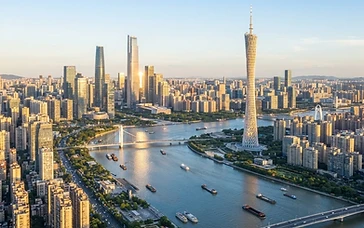
- Guangzhou: As a key hub for southern distribution and a gateway to the Pearl River Delta, the Guangzhou session at the Four Seasons Hotel focused on the dynamic import landscape. Educator Jerry Chen led the sessions, emphasizing the importance of price-point competitiveness in this high-velocity market.
- Shanghai: The Westin Hotel sessions, led by Stephen Li, targeted the sophisticated retail and fine-dining scene of the Yangtze River Delta. Shanghai remains the epicenter of wine trendsetting in China, making technical expertise here essential for luxury wine positioning.
- Chengdu: Held at the China-Europe Center and led by Marshall Chen, this session tapped into the rapidly expanding consumer base in Western China. Chengdu's role as a consumption center for high-end international goods makes it a vital territory for Chianti producers.
- Beijing: At the Wanda Vista Hotel, Jeff Gong facilitated the final leg of the tour. In the capital, the focus centered on high-level corporate gifting and institutional wine procurement, where brand heritage and historical prestige are paramount.
The Commercial Value of 'Chianti Wine Expert' Certification
Beyond individual learning, the certification process provides a tangible asset for businesses. Staff with a deeper understanding of specific regional wine identities are more effective in guiding customer purchases, reducing sales friction, and building brand loyalty. For distributors, having certified experts on staff acts as a seal of quality that can be marketed directly to their retail partners. As the Chinese wine market matures, consumer trust is increasingly placed in experts who can explain the story behind the bottle. The Chianti Academy addresses this by providing a reliable, standardized educational foundation that benefits every stakeholder in the supply chain.
Market Recommendations for Italian Wineries
For Italian wineries participating in or observing these trends, the takeaway is clear: educational outreach is the most effective form of market development. To leverage the momentum of the Chianti Academy:
- Partner with Local Experts: Engage with educators like those who spearheaded the 2025 Academy. Their influence within their respective cities is a vital asset for market entry.
- Focus on Digital Storytelling: Use the technical insights gained during the Academy to feed your digital marketing channels in China. Highlight terroir and historical authenticity, which resonate strongly with the Chinese consumer.
- Align with HoReCa Programs: Use the knowledge of Chianti’s food-pairing potential to run joint promotions with restaurants and hotels. This creates direct consumer contact points where the quality of the wine is demonstrated in context.
- Prioritize Relationship Continuity: The four-city tour concluded, but the professional relationships formed there are only beginning. Regular follow-ups with graduates, who are now your local brand ambassadors, are essential for long-term growth.
Future Trends and Industry Outlook
Looking toward the future, the success of the 2025 Chianti Academy points to a growing trend of specialized, region-specific education over generalized wine courses. As the Chinese market matures, the demand for deep, technical expertise will only increase. Producers should prepare for a landscape where trade buyers are no longer satisfied with broad regional overviews but seek granular details about vineyard practices and micro-climates. The collaboration between Italian producers and local Chinese trade experts is the most sustainable model for market development. By investing in these educational touchpoints, brands can secure their position in the top-tier Chinese markets while building a resilient customer base that values quality, origin, and expertise. The conclusion of this tour is not an end but a springboard for further collaboration and market expansion in the 2026 calendar year and beyond.
Key Takeaways
- —The 2025 Chianti Academy spanned Guangzhou, Shanghai, Chengdu, and Beijing, standardizing regional knowledge among Chinese wine professionals.
- —The curriculum covered vital technical pillars including terroir, classification systems, and food-pairing applications for the Chinese market.
- —Certified 'Chianti Wine Experts' now serve as key brand advocates across diverse Chinese consumption hubs.
- —Regional customization remains essential, with educators tailoring insights to the specific business environments of each of the four cities.
- —Producers are encouraged to leverage certified professionals and educational narratives to deepen market penetration and consumer trust.
Frequently Asked Questions
What was the objective of the 2025 Chianti Academy China?
The objective was to provide advanced, standardized education on Chianti’s terroir, grape varieties, classification systems, and food-pairing potential to wine professionals across four major Chinese cities to facilitate stronger market understanding and sales.
Which cities hosted the Chianti Academy sessions?
The program was conducted in four key strategic hubs: Guangzhou (Four Seasons Hotel), Shanghai (The Westin Hotel), Chengdu (China-Europe Center), and Beijing (Wanda Vista Hotel).
Who led the training sessions during the tour?
The courses were led by experienced industry educators: Jerry Chen in Guangzhou, Stephen Li in Shanghai, Marshall Chen in Chengdu, and Jeff Gong in Beijing.
What certification did participants receive?
Participants who successfully completed the two-day rigorous training and tasting program were awarded the 'Chianti Wine Expert' certificate, acknowledging their technical mastery of the region's wines.
How can wineries benefit from these educational initiatives?
Wineries can benefit by partnering with local educators, leveraging the certified expert network for local market development, and using the technical insights provided to craft more compelling marketing narratives for the Chinese audience.