Who Buys at Interwine? Buyer Profiles, Channels and Meeting Opportunities
Discover who buys at Interwine: detailed profiles of Chinese wine importers, regional distributors, HoReCa procurement leads, and corporate gifting buyers across Asia.
For international winery owners, export directors, and spirits brand managers, evaluating an exhibition hinges on one practical metric: who sits on the other side of the tasting table. Navigating distribution across China and greater Asia requires moving past generic visitor tallies to understand exact buyer types, their commercial criteria, distribution channels, and operational expectations.
According to documented industry analysis published by the Journal of Wine Economics in 2025, China's imported wine sector has transitioned from speculative inventory hoarding toward rational, channel-led consumption. Today, buyers across mainland China and Southeast Asia focus on inventory velocity, localized margin structure, and proven category positioning. Producers seeking trade entry through Wine Import & Distribution channels must understand the exact buyer typologies present at Interwine exhibitions and roadshows, how each channel operates, and how to convert introductory tastings into binding purchase orders.
Core Buyer Profiles at Interwine
Interwine functions strictly on a business-to-business platform, connecting global brand owners with qualified buyers representing four major procurement categories across the Asia-Pacific region.
1. Tier-1 National Importers and Port Wholesalers
- Primary Operating Footprint: Coastal commercial hubs including Guangdong (Guangzhou, Shenzhen), Shanghai, and Tianjin, with national branch networks.
- Purchasing Scale: Multi-container shipments (FCL) per SKU or mixed containers from established estate portfolios.
- Commercial Priorities: Exclusivity agreements across national territories, marketing development funds (MDF), label compliance support, and verified supply continuity.
- Decision Criteria: Importers in this category manage complex customs, bonded warehousing, and regional distribution networks. They inspect brand storytelling, international accolades, and supplier stability before discussing pricing tiers.
2. Tier-2 and Tier-3 Regional Distributors and Sub-Dealers
- Primary Operating Footprint: Fast-growing inland provincial capitals and industrial centers across Southern, Central, and Western China (such as Foshan, Dongguan, Changsha, Wuhan, and Chengdu).
- Purchasing Scale: Pallet-level orders to single mixed containers, often sourcing directly from international wineries capable of consolidated customs clearance, or partnering with bonded port platforms.
- Commercial Priorities: High margin spread to support multi-tiered localized wholesale, immediate shelf differentiation, distinctive packaging, and hands-on regional sales support.
- Decision Criteria: These buyers seek products that avoid direct price comparison against established hypermarket brands. They prioritize commercial categories that offer defensible margins in localized retail environments.
3. On-Premise Procurement and HoReCa Specialists
- Primary Operating Footprint: Luxury hotel groups, regional restaurant groups, premium bistros, independent wine bars, and private clubs across tier-1 and dynamic tier-2 cities.
- Purchasing Scale: Frequent, smaller-batch reorders (10–50 cases per delivery cycle) relying on regional warehousing hubs.
- Commercial Priorities: Exclusivity for the on-premise trade (ensuring wines are not discounted on mass e-commerce platforms), food-pairing versatility, by-the-glass (BTG) commercial viability, and sommelier staff training resources.
- Decision Criteria: HoReCa buyers evaluate price-to-quality ratios, stylistic balance, organic or sustainable certifications, and estate provenance.
4. Corporate Gifting, VIP Clubs, and Direct-to-Consumer Merchant Groups
- Primary Operating Footprint: Highly active across the Pearl River Delta / Greater Bay Area commercial ecosystem.
- Purchasing Scale: Seasonal batch orders concentrated around major cultural procurement cycles (notably Mid-Autumn Festival and Chinese New Year).
- Commercial Priorities: Prestigious presentation (heavy-weight bottles, wooden gifting boxes, embossed labels), heritage storytelling, and recognized critic scores (90+ points).
- Decision Criteria: Visual elegance and perceived status value drive decisions in this channel, with buyers demanding strict price confidentiality.
Key Distribution Channels: How Products Move in the Market
Entering the market requires understanding how buyers monetize inventory across physical and digital channels.
[International Producer]
          │
          ▼
[Licensed Importer / Bonded Warehouse Hub (Guangdong)]
          ├──────────────────────────┬──────────────────────────┐
          ▼                          ▼                          ▼
[Sub-Distributor Network]     [HoReCa Accounts]     [Corporate Direct Gifting]
 (Tier 2/3 Retail & Clubs)      (Hotels & Dining)     (Private VIP Allocations)
Channel Mechanics in China and Southeast Asia
- The Southern China Distribution Gateway: Over 60% of mainland China's imported wine distribution infrastructure has historically clustered around Guangdong province. Importers in Guangzhou leverage deep logistics links into regional distribution networks spanning inland provinces, Hong Kong, and Southeast Asian trade lanes.
- Channel-Specific Margin Requirements: A standard imported bottle incurs import tariffs, consumption tax, and value-added tax (VAT) at customs. Subsequent markups must cover provincial freight, distributor margins (25%–35%), and retail/restaurant markups (50%–200% for on-premise accounts). Ex-cellar pricing strategies must leave room for each layer of the value chain.
- Emerging Southeast Asian Trade Corridors: As cross-border trade accelerates, buyers attending regional sessions—such as the Interwine Vietnam platform at SECC in Ho Chi Minh City or Southeast Asian roadshows—seek adaptable producers able to service emerging middle-class dining markets across Vietnam, Malaysia, and Indonesia.
Channel Comparison: Commercial Requirements by Buyer Segment
The following matrix outlines what each buyer profile demands during portfolio reviews:
| Buyer Category | Primary Volume per Order | Target Margin Expectation | Critical Decision Driver | Primary Operational Bottleneck | | :--- | :--- | :--- | :--- | :--- | | National Importers | 1–5 FCL (Full Container Loads) | 20% – 30% gross | Territorial exclusivity, stable supply, co-op brand investment | Long sales cycles, strict legal/compliance auditing | | Regional Wholesalers | 1–5 Pallets / Mixed Consignments | 30% – 45% gross | Unique SKUs, pricing protected from online discounting | Inventory financing, domestic transport logistics | | HoReCa Groups | 10 – 100 Cases (per cycle) | 100% – 200% on-premise markup | By-the-glass pricing, food-pairing flexibility, staff education | Demand for local bonded consignment inventory | | Corporate / Private Gifting | 50 – 500 Cases (seasonal spikes) | 40% – 60% gross | Packaging prestige, wooden gift cases, high perceived value | Concentrated ordering windows around holiday periods |
Practical Meeting Formats and Business Matching
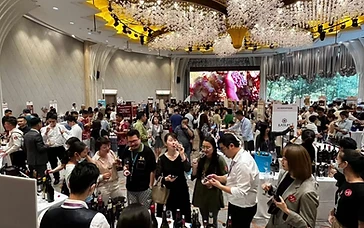
Interwine provides structured procurement environments to move trade discussions beyond casual walk-by sampling.
One-on-One Curated B2B Meetings
Through targeted Business Matching services, verified buyers are pre-screened according to their portfolio gaps, current price-point demands, and regional distribution channels. Producers meet pre-qualified procurement decision-makers in dedicated meeting sessions with targeted commercial agendas.
Masterclasses and Guided Sommelier Tastings
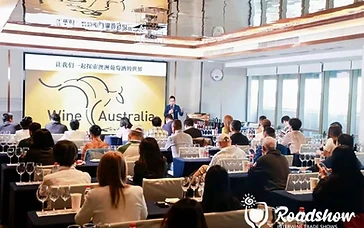
Presenting brand heritage through educational masterclasses allows producers to address 50–100 influential sommeliers, regional distributors, and specialty retailers simultaneously. Highlighting terroir, vintage consistency, and regional uniqueness builds brand equity that downstream buyers leverage when selling to end consumers.
Trade Fair Direct Engagements
On the exhibition floor at the China Import and Export Fair Complex in Guangzhou, brand managers interact directly with spontaneous buyer traffic. Exhibiting wineries can review current commercial participants in the verified Exhibitor Directory to benchmark regional representation and competitive pricing.
Multi-City Regional Roadshows
For brands seeking penetration beyond primary hubs, roadshows take curated portfolios directly into high-growth second- and third-tier commercial capitals across mainland China and Southeast Asia, creating localized meeting settings with regional distributor networks.
Proven Pre-Fair Preparation Checklist for Brand Owners
Experienced export managers utilize a standardized commercial preparation roadmap 8 to 12 weeks prior to exhibition:
- [ ] Prepare Dual-Currency Export Price Sheets: Formulate clearly defined pricing structures indicating Ex-Works (EXW), Free on Board (FOB named port), and Cost, Insurance, and Freight (CIF Guangzhou/Shenzhen) in EUR or USD.
- [ ] Define Realistic Minimum Order Quantities (MOQs): Offer tiered MOQs (e.g., sample pallet orders vs. single-SKU full containers) to accommodate both boutique distributors and regional wholesalers.
- [ ] Secure Compliant Chinese Back-Labels: Review label guidelines with customs specialists to verify mandatory declarations, including ingredient listings, alcohol by volume (ABV), and Chinese product names.
- [ ] Structure Point-of-Sale (POS) and Marketing Kits: Prepare Chinese-language digital sell sheets, technical specification cards, estate imagery, and third-party scoring accreditations.
- [ ] Assemble a Verified Importer Prospect List: Map target channels and initiate contact 6–8 weeks in advance to schedule concrete meeting times on the show floor.
Hypothetical Distributor ROI Financial Model
To understand buyer negotiation logic, producers must evaluate how a regional distributor models profitability when taking on a new imported wine label.
Scenario: First-Year Regional Distribution Agreement
- Hypothesis: A regional distributor in Guangdong agrees to import one 20-foot container containing 14,000 bottles of an estate-bottled red wine.
- Producer Ex-Works Price: $4.00 per bottle.
- Freight, Insurance & Landed Costs (including customs clearance, tariffs, and inland transport): $1.80 per bottle.
- Total Landed Cost to Distributor: $5.80 per bottle ($81,200 total).
- Average Distributor Wholesale Price (to sub-dealers and independent retail): $9.50 per bottle.
- Total Gross Revenue: $133,000.
- Gross Contribution Margin: $51,800 ($3.70 per bottle, or 38.9% gross margin).
- Distributor Commercial Expenses: Localized marketing collateral, launch tastings, sales commissions, and delivery ($16,000).
- Net Contribution Margin: $35,800 (26.9% net margin).
When producers demonstrate a transparent understanding of this margin build-up, distributors perceive lower execution risk and commit to launch volumes more readily.
Confirmed Interwine Event Schedule (2026–2027)
Producers planning their Asian export calendar should reference confirmed operational dates across the Interwine platform:
- Guangzhou Autumn 2026: 16–18 November 2026 at China Import and Export Fair Complex / Pazhou, Guangzhou.
- Hanoi Roadshow 2026: 20 November 2026 in Hanoi, Vietnam.
- Spring Guangzhou 2027: 7–9 May 2027 at China Import and Export Fair Complex / Pazhou, Guangzhou.
- Asia Roadshow 2027:
- Hanoi: 11 May 2027
- Kuala Lumpur: 13 May 2027
- Singapore: 15 May 2027
- Bali: 17 May 2027
- Vietnam 2027: 6–8 July 2027 at SECC (Saigon Exhibition and Convention Center), Ho Chi Minh City.
- Autumn Guangzhou 2027: 31 October–2 November 2027 at China Import and Export Fair Complex / Pazhou, Guangzhou.
Strategic Recommendations for Interwine Exhibitors
Success in Asian wine distribution requires moving from general visibility to targeted relationship building. Do not treat exhibition days merely as an open tasting bar. Qualify every visitor by inquiring about their primary channel (national wholesale, regional off-premise, or corporate gifting), geographical sales footprint, and bonded import status within the first three minutes of conversation.
Align your portfolio pricing with the commercial realities of the supply chain. Wineries that bring clear EXW/FOB pricing, accessible marketing assets, and a defined channel strategy achieve reliable commercial outcomes. To discuss stand availability and secure targeted procurement sessions for upcoming editions, explore options to Become an Exhibitor or pre-arrange qualified importer meetings through Business Matching.
Sources
- Journal of Wine Economics – Cambridge University Press – Academic research on China wine market transitions and import structural trends (Anderson, 2025).
- BestWineImporters Trade Intelligence – Global beverage buyer directories, trade database structures, and international importer verification models (2026).
- Interwine Official B2B Platform – Operational dates, regional exhibition structure, and business-matching program documentation.
Key Takeaways
- —Interwine convenes four distinct buyer types: national tier-1 importers, tier-2/3 regional sub-distributors, HoReCa specialists, and corporate gifting managers.
- —Guangdong serves as China's primary imported wine hub, handling over 60% of mainland imports and providing direct access into nationwide logistics routes.
- —Buyers evaluate landed pricing, distributor margins (typically 25%–35%), packaging prestige, and off-premise vs. on-premise channel exclusivity.
- —Effective fair preparation begins 8–12 weeks prior to events, focusing on CIF/FOB pricing sheets, compliant Chinese labels, and pre-scheduled B2B meetings.
- —The 2026–2027 Interwine schedule connects producers across Guangzhou exhibitions, Vietnam expos, and multi-city Southeast Asian roadshows.
Frequently Asked Questions
What types of buyers visit Interwine?
Interwine attracts professional trade visitors including tier-1 national importers, tier-2 and tier-3 regional distributors, on-premise HoReCa beverage directors, retail category buyers, and corporate gifting specialists.
How does business matching work at Interwine?
Business matching pairs participating exhibitors with verified buyers based on portfolio needs, target price points, and channel specialization, enabling focused one-on-one procurement meetings during the event.
Why is Guangdong considered a strategic region for imported wine?
Guangdong Province has historically accounted for more than 60% of China's imported wine trade, backed by advanced port infrastructure, established logistics routes into inland provinces, and proximity to major commercial centers.
What pricing information must exhibitors prepare before meeting Asian buyers?
Exhibitors should prepare transparent price lists featuring Ex-Works (EXW), Free on Board (FOB), and Cost, Insurance, and Freight (CIF) terms in USD or EUR, along with tiered minimum order quantities (MOQs).