
Industry Interview: A Wine importer on Emerging category demand
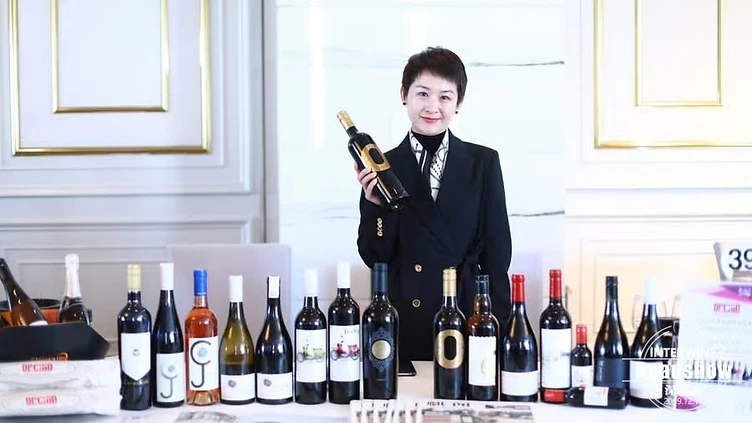
In this exclusive B2B industry interview, a veteran wine importer unpacks shifting portfolio dynamics, rising demand for clean-label, low-intervention, and regional varietals, and the commercial strategies required to balance supply risks in 2025.
Shifting consumer habits, macroeconomic adjustments, and changing retail strategies are redefining wine import portfolios across the world. According to the International Trade Council (ITC) 2024-2025 Global Wine Trade Report, international trade flows for fresh grape wine (HS Code 220421) reflect marked structural changes: while overall volume growth faces resistance in several mature regions, specific sub-categories—notably organic, clean-label, sustainable, and high-character alternative regional varietals—continue to command commercial momentum.
To understand how commercial buyers are navigating these changes, we spoke with Marcus Vance, Senior Procurement Director at Horizon Beverage Imports, a major distributor supplying tier-one retailers and independent on-trade accounts across key commercial hubs. In this detailed industry interview, Vance breaks down how consumer pull-through influences purchase orders, the practical risks of onboarding emerging categories, and what producers must demonstrate to secure viable distribution agreements.
The Shift Toward Intentional Consumption and Emerging Profiles
Interwine: Marcus, looking at import behavior over the past 12 to 18 months, traditional baseline table wines have experienced margin pressure, yet demand for niche categories is accelerating. What is driving your procurement decisions today?
Marcus Vance: "The overall volume game is no longer the growth engine it was a decade ago. According to trade data synthesized by the International Trade Council in 2025, consumer trends show decisive rotation toward certified sustainable, natural, and transparently farmed products. When we review purchasing logs from our off-premise retail partners and urban on-premise venues, the end-consumer is drinking less wine by pure volume, but they are spending more per bottle on distinctive expressions.
From an importer’s perspective, the term 'emerging category' doesn't mean a novelty that sells twelve cases a year. It refers to commercial segments proving sustained 15% to 20% sell-through growth: indigenous grape varieties from emerging European valleys, certified organic estate bottlings from South America, and cooler-climate whites that provide lower natural alcohol levels without compromising sensory balance.
Buyers are looking for narrative integrity backed by reliable supply. Ten years ago, an importer could rely on a portfolio packed with high-alcohol, oak-heavy international varieties. Today, our channel clients demand high drinkability, lighter extraction, and verifiable sustainability certifications."
Commercial Realities: Rebalancing Portfolios Under Tariff and Logistics Pressures
Interwine: With recent logistics challenges and trade shifts highlighted by supply chain analyses—such as Hillebrand Gori's 2025/2026 Wine Trade Logistics Briefing—how do you maintain inventory security while testing emerging wine categories?
Marcus Vance: "Freight logistics and tariff dynamics dictate procurement timing far more than many producers realize. In early 2025, trade reports documented significant fluctuations in order placement; for instance, US import volumes dropped substantially following precautionary inventory builds ahead of tariff reviews. When carrying costs increase due to high borrowing rates and container volatility, you cannot afford to have dead stock sitting on warehouse pallets.
Consequently, our operational strategy for emerging categories uses a 'core-and-satellite' model:
- Core Anchors: Proven regions and established SKUs generate steady cash flow and predictable warehouse turns.
- Targeted Satellites: Emerging origin stories, non-intervention bottlings, and low-yield native varietals represent 15% to 25% of our portfolio volume, but account for a much higher percentage of gross margin.
Before we introduce an emerging estate to our wholesale channels, we scrutinize their operational reliability. Can the winery handle consolidated freight? Are their standard export documents compliant with current customs requirements? In our review of macro trade conditions, accessing curated intelligence via Market Insights helps benchmark whether an emerging trend is a durable category or merely a fleeting micro-cycle."
Value vs. Heritage: How Regional Newcomers Compete
Interwine: Mature appellations carry brand equity, but pricing pushes many buyers elsewhere. How do emerging origins bridge this gap?
Marcus Vance: "Look at trade case studies like Chile’s Colchagua Valley or mid-tier regional Bordeaux. As reported by Wine Trade Insights, Colchagua secured international shelf share across the US, UK, and China not simply by producing wine, but by consistently over-delivering on price-to-quality ratios, especially with Carménère and terroir-focused Cabernet blends. At the same time, estate properties in classic regions—such as cru bourgeois properties in the Médoc—succeed by offering accessible alternatives to top classified growths.
For an emerging region to capture our attention, it must deliver a recognizable value proposition. An importer cannot build an educational platform around a 50-euro unknown regional wine if it tastes interchangeable with a mainstream product. However, if a producer from an emerging region offers an authentic, certified organic native varietal that hits the $18–$24 retail sweet spot with great packaging, our sales reps can place that across independent retail chains in a matter of weeks."
Direct Advice for Producers: Overcoming the Importer's Gatekeeping Hurdle
Interwine: What is the single biggest operational mistake international wineries make when pitching their wines to established importers?
Marcus Vance: "Sending unsolicited samples without understanding our commercial footprint. We receive dozens of sample boxes a month with zero context on distributor margins, freight logistics, or channel positioning.
If you want an importer to take you seriously, come prepared with structured commercial terms:
- Ex-Cellar Pricing with Realistic Distributor Margins: Demonstrate that your pricing accommodates importer markups, distributor margins, and retail tiers while staying competitive against benchmarks.
- Market Readiness: Provide market-ready technical sheets, bottle weight specifications (lightweight glass is increasingly non-negotiable for sustainability-focused tenders), and certified laboratory analyses.
- Active Channel Engagement: Proactively engage with platforms like Business Matching to pre-vet importer target profiles before scheduling meetings.
When we attend major international expos, we are not looking for passive conversations. We look for producers who understand inventory velocity and offer structured marketing support to help our regional sales teams educate the on-trade."
Navigating the In-Person Sourcing Advantage
Interwine: In a post-pandemic trade landscape dominated by digital communication, why do major importers still rely on in-person trade exhibitions to finalize agreements?
Marcus Vance: "You cannot taste balance, evaluate mouthfeel, or judge the personal integrity of a business partner over a video call. Wine is a physical, sensory commodity that relies on personal trust. A trade floor provides instant comparative analysis: in three days, my buying team can evaluate hundreds of producers side by side, benchmark current pricing, and identify packaging trends across entire continents.
This is why attending trade events remains mandatory for our team. We deliberately Book Your Visit months in advance to structure meetings with vetted suppliers. Walking through an international trade hall allows our team to discover producers from developing wine regions who have not yet secured wide distribution. Those hidden gems form the backbone of an importer's competitive edge."
Strategic Action Plan for Trade Buyers and Exhibitors
To translate these buyer insights into actionable business growth, importers, distributors, and producers must align their commercial pipelines around clear, measurable milestones:
- Conduct Category Gap Audits: Evaluate current inventory turn rates. If traditional baseline SKUs show softening retail pull-through, reallocate 10% to 15% of open-to-buy budgets into certified sustainable, lower-ABV, or distinct regional indigenous varietals.
- Prioritize Supply Chain Transparency: Demand proof of third-party sustainability certifications, lightweight packaging solutions, and consolidated container options from prospective producer partners.
- Engage Directly in Pre-Scheduled Buyer Meetings: Importers seeking higher-margin categories should explore the vetted listings in the Exhibitor Directory to pinpoint high-potential producers before arriving on-site.
Emerging wine category demand is not an abstract trend; it is a direct commercial response to a changing global consumer. Importers who align their portfolios with this structural shift are securing both margins and long-term shelf space.
Sources
- International Trade Council (ITC), 2024-2025 Global Wine Trade Report: https://tradecouncil.org/wp-content/uploads/2025/04/2024-2024-Wine-Report.pdf
- International Trade Council (ITC), 2024-2025 Global Wine Import Report: https://tradecouncil.org/2024-2025-wine-import-report/
- Hillebrand Gori, Global Wine Trade: What Importers Should Know: https://www.hillebrandgori.com/media/publication/global-wine-trade-2025--what-importers-should-know-heading-into-2026
- Wine Trade Insights, Analysis of Global Wine Regions and Trade: https://winetradeinsights.com/
- BestWineImporters, The State of Wine Imports: Key Insights for Producers & Wineries: https://www.bestwineimporters.com/uncategorized/the-state-of-wine-imports-in-2025-so-far-key-insights-for-producers-wineries
Key Takeaways
- —Volume contraction in commercial baseline wines is driving importers toward margin-dense, lower-intervention, and certified sustainable categories.
- —Importers utilize a 'core-and-satellite' inventory model, allocating 15% to 25% of their portfolios to high-margin, emerging regional varietals.
- —Producers pitching to international importers must arrive with realistic distributor-margin structures, lightweight packaging, and export compliance documents.
- —Consolidated freight planning and tariff resilience have become critical baseline requirements for onboarding any new producer portfolio.
- —In-person trade tastings and pre-scheduled business matching meetings remain vital to evaluating wine quality and commercial viability.
Frequently Asked Questions
What defines an 'emerging wine category' from a commercial importer's perspective?
For an importer, an emerging category is not simply a low-volume curiosity; it is a distinct, fast-growing segment demonstrating sustained 15% to 20% annual sell-through growth. This typically includes certified organic and biodynamic estates, indigenous or under-represented varietals, and lighter, lower-alcohol wines that appeal to modern, health-conscious consumers.
How are wine importers mitigating inventory risks amid fluctuating global tariffs?
Importers are utilizing 'core-and-satellite' purchasing structures. High-volume, proven appellations provide predictable cash flow and cover fixed operational costs, while high-margin emerging labels are ordered in smaller, consolidated shipments to test consumer traction without over-leveraging warehouse working capital.
What documentation and data do importers expect from prospective producers?
Importers require transparent ex-cellar pricing with clear distributor-tier modeling, up-to-date third-party sustainability certifications, lab chemical analyses (including free sulfur and alcohol levels), bottle weight specifications, and palletization configuration data for standard shipping containers.
Why do physical trade fairs remain essential for wine import decision-making?
Wine remains a sensory, relationship-driven business. Direct physical trade fairs enable buyers to blind-taste samples side-by-side, benchmark pricing directly against international competitors, and vet the commercial reliability of winery owners before entering long-term legal agreements.