Industry Interview: A Wine importer on Distribution partnership lessons
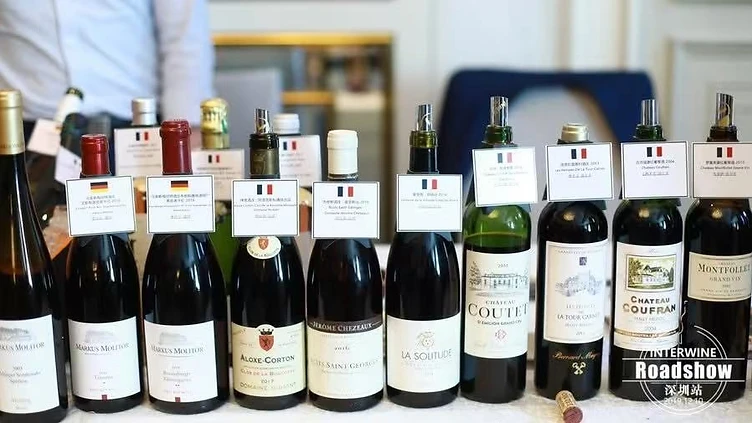
In this candid industry interview, a veteran wine importer unpacks hard-won distribution partnership lessons, detailing margin structures, portfolio alignment, compliance, and multi-tier route-to-market strategies.
Building a durable, profitable wine import and wholesale channel requires navigating complex regulatory barriers, margin expectations, and shifting regional consumer demand. A sustainable distribution partnership demands operational discipline, structured inventory control, and joint commercial alignment.
In this industry interview, we sit down with Marcus Vance, Managing Director of Apex Beverage Imports, an international trade veteran with more than twenty years of experience importing Old and New World wines into competitive regional markets. Vance breaks down what distributors really evaluate before signing, the systemic friction points that trigger contract disputes, and how boutique-to-medium producers can build resilient wholesale networks.
The Operational Reality: Beyond the Handshake Deal
INTERWINE: Marcus, brand owners often believe that securing an import agreement is the finish line. From an importer’s operational viewpoint, what happens the moment the contract is signed?
Marcus Vance: "Securing the agreement is merely the entry ticket; the real work begins when the containers hit customs. Many producers treat distribution like an outsourced sales department, expecting the importer and regional distributor to champion their brand purely out of enthusiasm. In reality, distributors manage hundreds, sometimes thousands, of stock keeping units (SKUs).
According to analysis from Palmateer Consulting LLC (2024), a common breakdown in supplier-distributor relations occurs when producers fail to provide sell sheets and technical materials in formats customized for the distributor's sales team, or when they fail to schedule face-to-face engagements with key accounts. When a winery signs with us, our initial focus is not solely consumer storytelling; it is operational logistics: customs clearance, state or provincial compliance registrations, cold-chain freight verification, and margin architecture across tiers. If a brand owner cannot support distributor sales reps with turn-key trade collateral, account ride-alongs, and sample allocations, their inventory sits in bonded storage while storage fees erode profitability."
Commercial Margins and Tier Mechanics
INTERWINE: Margin compression remains a recurring complaint among wineries entering export markets. How should producers model their wholesale pricing to protect channel partners while staying competitive?
Marcus Vance: "The classic mistake is working backward from an aspirational retail shelf price without modeling distributor freight and overhead reality. In modern beverage logistics, wholesale partners operate on tight margins that account for inland transport, local excise levies, warehousing, sales commissions, and breakage.
To build a viable partnership, the brand owner must understand the three-tier dynamic:
- The Importer Layer: We typically require a gross margin of 25% to 35% to absorb ocean freight volatility, port handling charges, currency risk, customs duties, and compliance filings.
- The Regional Distributor / Wholesaler Layer: The distributor usually requires between 28% and 33% gross profit margin. This covers fleet logistics, sales incentives, credit terms extended to retail accounts (frequently 30 to 60 days), and split-case operations.
- The On-Premise vs. Off-Premise Operator: Restaurants calculate markups ranging from 200% to 300% (a 65% to 75% pour cost margin), whereas independent fine wine retailers need a 30% to 35% margin to remain solvent.
When suppliers present ex-cellar (EXW) pricing that forces retail prices beyond competitive category benchmarks, distributors decline to pitch the inventory. Transparent margin alignment upfront prevents dead stock and contentious discounting discussions six months post-launch."
Portfolio Alignment: Fighting for Share of Mind
INTERWINE: Importers and large distributors are consolidating rapidly. As reported by the North Bay Business Journal (2025), market shifts—such as Republic National Distributing Co.'s strategic changes in California in 2025—have redistributed supplier portfolios and forced distributor realignments across multi-tier markets. How can producers stand out inside a crowded wholesale book?
Marcus Vance: "The market consolidated heavily throughout 2024 and 2025, leaving distributor sales reps managing expanded catalogs. When national giants shift footprints, boutique and mid-sized producers risk being neglected.
To secure distributor share of mind, producers must implement three structural habits:
- Provide Granular Market Education: Distributors do not sell wine simply because it is organically farmed or historic. They sell wine when the narrative directly solves an account's problem. As noted in hospitality distribution research from Sommeliers Choice Awards (2020), providing on-premise accounts with tailored staff training and educational tastings significantly elevates distributor sell-through because restaurant teams rarely have internal resources for structured wine training.
- Design Focused Depletion Allowances (DAs): Co-invest with the distributor. A producer who establishes an annual budget for promotional sampling, local wine-by-the-glass (BTG) support, and volume discounts immediately earns priority over passive suppliers.
- Direct In-Market Presence: Importers and distributor reps work hardest for suppliers who physically arrive in the territory to work the market. Wineries that conduct annual distributor portfolio tastings and visit key commercial gatekeepers consistently outperform those who rely on remote communication."
+-------------------------------------------------------------+
|               IMPORTER-DISTRIBUTOR VALUE MATRIX             |
+-------------------------------------------------------------+
| Operational Capability  | Digital EDI, bonded warehousing,   |
|                         | multi-state compliance coverage   |
+-------------------------+-----------------------------------+
| Commercial Alignment    | Protected 30%+ gross margins,     |
|                         | realistic depletions, joint DA    |
+-------------------------+-----------------------------------+
| Strategic In-Market Support| Regional masterclasses, ride-  |
|                         | alongs, verified buyer leads      |
+-------------------------+-----------------------------------+
Mitigating Friction and Contractual Pitfalls
INTERWINE: When distribution partnerships fail, where does the operational breakdown usually occur?
Marcus Vance: "Failures are rarely stylistic; they are structural. The primary breakdown happens around minimum depletions and market exclusivity.
First, brand owners often insist on arbitrary sales volume minimums that do not reflect local macroeconomic conditions or lead times for alcoholic beverage brand registrations. Second, brand owners fail to define clear performance cure periods. If a distributor misses annual depletion targets, does the contract automatically terminate, or does the supplier have the right to carve out regional rights? Clear key performance indicators (KPIs)—including accounts sold, reorder velocity, and target placement ratios between on-premise dining and independent retail—must be defined contractually before initial purchase orders are issued.
Another point of failure is fulfillment friction. Companies like LibDib (2026) have demonstrated that modern wholesale distribution requires seamless integration between physical logistics, compliance, and digital ordering platforms. When wineries cannot dispatch accurate shipping notices, temperature-controlled transit documentation, or standardized barcode labeling, distributor receiving docks reject loads, leading to missed seasonal retail windows."
Strategic Takeaways for Commercial Buyers and Exporters
Navigating international distribution demands disciplined execution from brand owners, regional importers, and regional wholesalers. Building enduring commercial partnerships relies on several core principles:
- Select Channel Partners by Segment Focus: Do not select a distributor solely on company size. Large broadline houses excel at high-volume retail placement, whereas regional mid-tier specialists provide dedicated attention for estate-bottled selections.
- Incorporate Total Landed Costing Early: Account for fluctuating ocean freight, port demurrage, customs tariffs, exchange rate margins, and distributor warehousing before settling channel pricing.
- Establish Structured Re-Order Trigger Points: Never wait until domestic wholesale stocks are exhausted. Coordinate production bottling schedules and container shipments alongside seasonal depletion spikes.
- Engage Face-to-Face with Qualified Buyers: Direct contact remains vital for vetting partner integrity, reviewing route-to-market strategies, and negotiating wholesale terms.
To discover new brand partnerships, evaluate international estates, and connect directly with verified wine importers and trade distributors, Book Your Visit to the next edition of INTERWINE. Plan your trip smoothly by checking Hotel Accommodation options and reviewing Arrival and Transportation logistics in advance. For overseas professionals, secure your travel arrangements through official Invitation Letter and Visa Support to access qualified wine trade networking.
Sources
- Palmateer Consulting LLC (2024), Best Practices for Distributor Relations: Demonstrating Your Commitment, https://palmateerconsulting.com/best-practices-for-distributor-relations-demonstrating-your-commitment/
- Sommeliers Choice Awards (2020), 7 Tips for Wine Distribution in Restaurants, https://sommelierschoiceawards.com/en/blog/insights-1/7-tips-for-wine-distribution-in-restaurants-151.htm
- North Bay Business Journal (2025), Jackson wine execs on distribution upheaval, NBA/WNBA partnership, https://www.pressdemocrat.com/2025/09/04/jackson-regal-wine-california-distribution-nba
- LibDib (2026), LibDib and BeyondVino Partner to Simplify Fulfillment and Distribution for Wine Brands, https://libdib.com/blog/libdib-and-beyondvino-partner-to-simplify-fulfillment-and-distribution-for-wine-brands/
Key Takeaways
- —Distributor relationships require ongoing commercial support, including tailored sales sheets, account tastings, and co-invested depletion allowances.
- —Wholesale pricing models must account for multi-tier margins: 25-35% for importers, 28-33% for distributors, and up to 300% markup for on-premise accounts.
- —Portfolio consolidation means producers must actively fight for share of mind through field ride-alongs and market education rather than relying on catalog placement.
- —Contractual disputes are best avoided by defining clear KPIs, depletion review timelines, cure periods, and precise regional exclusivity boundaries.
- —Meeting verified distributors and channel partners face-to-face at leading trade expos remains an efficient way to establish transparent commercial terms.
Frequently Asked Questions
What gross margin do wine distributors typically expect?
Most regional wine distributors operate with gross profit margins between 28% and 33%. This margin covers logistics, warehousing, sales representative commissions, account delivery, and the financing costs of extending credit terms (typically 30 to 60 days) to restaurants and retailers.
Why do promising wine brands get neglected in distributor portfolios?
Distributor catalogs contain thousands of SKUs. When brand owners fail to provide ready-to-use digital sell sheets, educational staff tastings, co-funded depletion allowances, and regular in-market visits, sales representatives naturally default to selling established, active brands with less friction.
What is a depletion allowance (DA) in wine distribution?
A depletion allowance is a negotiated discount or promotional credit funded by the winery or importer that supports distributor sales to retail or restaurant accounts. It enables temporary price promotions, wine-by-the-glass features, or volume discounts without permanently reducing the base wholesale price.
How should an international winery evaluate a potential importer?
Wineries should assess an importer's licensing breadth, refrigerated supply chain infrastructure, warehouse locations, financial stability, and existing portfolio synergy. An ideal importer maintains active sales relationships within the producer's specific price tier without managing directly competing labels.
What contract terms prevent disputes between wine producers and distributors?
Contracts should clearly define territory boundaries, measurable annual depletion targets, payment terms, currency exposure, brand registration responsibilities, and specific cure periods (e.g., 60-90 days) to address missed targets before termination or loss of exclusivity.