How to Find Tequila Importers in China
A commercial roadmap for Mexican distilleries and brand owners evaluating how to find tequila importers in China, navigate GACC Decree 248 compliance, and secure Tier-1 on-premise distribution.
To find tequila importers in China, brand owners must bypass broad-line commodity brokers and directly target specialized spirits distributors, high-end on-premise (HoReCa) operators, and verified cross-border trade partners who already manage Western craft spirits. Unlike mature wine or blended Scotch corridors, China's imported tequila market is defined by premiumization, strict regulatory hurdles under General Administration of Customs of China (GACC) Decree 248, and an on-trade consumption engine concentrated in Tier-1 cocktail hubs like Shanghai, Shenzhen, and Beijing.
Successfully penetrating this market requires a balance of regulatory compliance, focused channel partner selection, and active B2B engagement. Below is an authoritative, step-by-step commercial guide to finding, vetting, and securing reliable tequila importers in mainland China.
Understanding the China Tequila Landscape: Volume Realities vs. Value Growth
Before initiating commercial outreach, brand founders and export directors must separate speculative consumer forecasts from customs clearance data. Industry analysis by Marketing to China (2026) highlights that China Customs reported a 35.84% year-on-year drop in tequila import volume in March 2026, while the average price per liter rose by 29.10%. Furthermore, total imported spirits volume contracted 8.6% across the first five months of 2026.
Concurrently, research from Market Research Future (2026) estimates that the broader market valuation of China's tequila space will expand from roughly $642 million in 2024 to $1,285 million by 2035 at a compound annual growth rate (CAGR) of 6.51%, propelled largely by premium pricing and high-end cocktail culture. Grand View Research similarly placed the 2025 revenue at $715.7 million.
These market dynamics communicate a singular commercial reality: China is not a volume-dumping market for low-end mixto bulk tequila. High-margin 100% Blue Agave expressions (Blanco, Reposado, Añejo, and increasingly Cristalino) represent the primary segment generating sustainable margins for importers. Chinese Gen Z and millennial drinkers do not view tequila as a high-volume celebratory shot spirit; they encounter it as a refined base in craft cocktails within modern bistros and speakeasies. As a result, finding the right importer means targeting companies connected with high-end bars, Western hospitality chains, and niche retail channels rather than mass-market banquet distributors dominated by traditional baijiu.
Identifying the Three Main Types of Spirits Importers in China
Selecting the right partner begins with categorizing the types of importers operating across China's alcoholic beverage landscape. Not every licensed importer is equipped to handle agave distillates.
1. Boutique Spirits & Craft Cocktail Distributors
These are specialized importers focused on independent rums, craft gins, single malt whiskies, and 100% agave tequilas.
- Core Strengths: Deep commercial ties to head bartenders, cocktail lounges, and modern Western HoReCa in Tier-1 cities (Shanghai, Guangzhou, Shenzhen, Chengdu).
- Ideal For: Independent craft distilleries, boutique Blancos, and artisanal Mezcal/Tequila labels producing 3,000 to 20,000 bottles annually.
- Limitation: Lower upfront working capital; they purchase in multi-pallet or split-container quantities rather than multi-container orders.
2. National Multi-Category Beverage Conglomerates
Large trading groups that distribute global commercial spirits, commercial wine portfolios, and imported beers into nationwide retail networks and hypermarkets.
- Core Strengths: Broad geographic reach, massive capital reserves, and direct access to off-premise chains and major hotel chains.
- Ideal For: Industrial-scale brands with existing international recognition capable of providing seven-figure annual co-marketing budgets.
- Limitation: High listing fees, slow decision-making cycles, and little patience for brands requiring on-the-ground consumer education.
3. Cross-Border E-Commerce (CBEC) and Direct-to-Consumer Merchants
Digital-first import houses operating flagship stores on platforms like Tmall Global, JD.com, and Douyin E-commerce.
- Core Strengths: Fast entry routes without conventional general trade customs registration (for individual parcels).
- Ideal For: Established luxury or novelty brands testing initial market interest.
- Limitation: Conversion rates for unprompted agave spirits without on-premise brand equity remain under 1%. In China, consumers taste tequila in an on-trade venue first before searching for the bottle online.
To evaluate ongoing shifts across these merchant tiers, review our comprehensive Market Insights.
Step-by-Step Channels to Find and Vet Tequila Importers
Navigating China’s fragmented distribution networks requires a combination of structured trade intelligence, direct in-person buyer engagement, and digital trade data.
1. In-Person Professional Trade Exhibitions
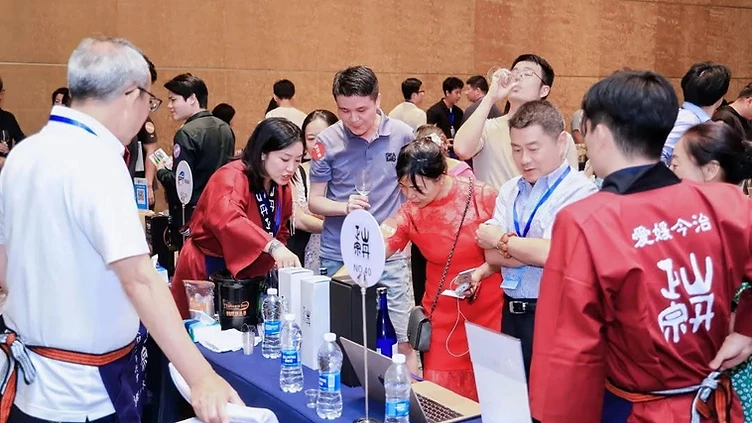
Face-to-face interaction remains the premier channel for closing distribution contracts in China's alcoholic drinks sector. Trade platforms allow producers to meet vetted buyers, sample liquid directly, and evaluate importer portfolios.
- Participating as a brand owner through Become an Exhibitor at national wine and spirits platforms like INTERWINE provides direct access to qualified procurement heads, regional distributors, and hospitality buyers from across mainland China.
- Distillers can consult the published Exhibitor Directory to benchmark competitive pricing, map which Mexican labels already maintain distribution, and analyze market gaps.
- Taking advantage of structured Business Matching sessions removes cold outreach friction by pairing your distillery directly with active importers requesting agave spirits.
2. Customs Data and Bill of Lading Intelligence
Under the Harmonized System (HS) code for Tequila (HS 2208.90), international trade platforms such as BestWineImporters (2026) and commercial customs registries track declared shipments. By analyzing bills of lading entering key ports such as Shanghai, Ningbo-Zhoushan, and Shenzhen, exporters can extract legal corporate entities, verified volume purchases, and the active port-of-entry clearing agents handling Mexican spirits.
3. Bartender Communities and Private Domain WeChat Channels
Because on-premise consumption dictates brand viability, the leading tastemakers for agave spirits in China are head bartenders, beverage managers at five-star international hotels, and mixology consultants. Establishing direct relationships with cocktail venues in Shanghai’s Jing’an district or Shenzhen’s Nanshan district allows distillers to ask on-premise managers which local distributors supply their back-bars. Often, these conversations point directly to regional mid-sized importers that do not maintain public English-language websites.
Crucial Regulatory and Compliance Checks Before Signing an Importer
Securing an importer is futile if shipments stall at customs clearance. China’s alcoholic beverage compliance framework is rigorous, and mistakes frequently result in shipment rejections or costly delays.
| Compliance Requirement | Managing Entity | Key Consideration for Agave Producers | | :--- | :--- | :--- | | GACC Decree 248 Registration | General Administration of Customs of China (GACC) | Distilleries must register their manufacturing premises on the China Import Food Enterprise Registration system prior to bill of lading issuance. | | 100% Agave Standards | Mexican CRT / China Customs | As noted by Quartz, 100% agave tequila access was opened via bilateral protocols after previous methanol and pimaricin restrictions. Certificates of Origin and CRT authenticity documentation are legally mandatory. | | Chinese Back-Label Compliance | State Administration for Market Regulation (SAMR) | Every bottle imported via General Trade must feature a Chinese back-label detailing ingredients, alcohol by volume (ABV), importer credentials, expiry/bottling dates, and mandatory health warnings. | | Methanol & Chemical Tolerances | National Food Safety Standard (GB 2757) | Tequila must strictly adhere to China's National Food Safety Standard for Distilled Alcoholic Beverages, specifically limits for methanol, cyanide, and heavy metals. |
Export teams must coordinate these filings long before dispatching freight. To learn more about industry logistics and visit management, review Arrival and Transportation.
How to Structure Your Pitch to Chinese Importers
When presenting your portfolio to prospective Chinese distributors, broad consumer marketing decks used in Europe or North America will not convert. Chinese importers prioritize practical commercial variables:
- Provide Clear Margin Models: Importers expect gross profit margins of 35% to 50% to absorb port customs handling, local logistics, sample distributions, and on-premise rebate programs. Structure your Free on Board (FOB) or Ex Works (EXW) tiers to accommodate these margins.
- Commitment to Co-Marketing Budgets: Unassisted push distribution fails in China. Offer an agreed marketing allowance (e.g., $3 to $5 per case) explicitly dedicated to bartender masterclasses, menu listing bonuses, and Chinese digital assets.
- Localized Digital Collateral: Importers require Chinese tasting notes, brand videos adapted for WeChat, and localized digital presentations that detail distillation, agave maturation, and signature cocktail recipes suited for the local palate.
Conclusion: Turning Commercial Intent into Distribution
The Chinese market for tequila has matured beyond novelty into a disciplined, high-value spirits niche driven by premiumization and contemporary on-trade venues. Brand owners who rely on unsolicited emails or passive consumer advertising will struggle. Sustainable commercial expansion requires direct partnership with specialized craft spirits importers, precise compliance under GACC regulations, and active relationship building.
Exhibiting at industry expos remains the most cost-effective and verifiable route to secure import partners across mainland China. Apply to Become an Exhibitor at INTERWINE to showcase your agave portfolio directly to verified spirits importers, distributors, and key procurement professionals.
Sources
- Marketing to China (2026) - The Tequila Market in China: https://marketingtochina.com/tequila/
- Market Research Future (2026) - China Tequila Market Size, Growth, Trends 2035: https://www.marketresearchfuture.com/reports/china-tequila-market-47164
- Grand View Research - China Tequila Market Size & Outlook, 2026-2033: https://www.grandviewresearch.com/horizon/outlook/tequila-market/china
- Quartz - China Agave Spirits Import Trade Deal Protocols: https://qz.com/94429/thanks-to-a-new-trade-deal-china-could-up-its-tequila-intake-by-2400-in-five-years
- BestWineImporters (2026) - China Spirits & Wine Import Trends: https://www.bestwineimporters.com/blog/news/china-wine-importers-and-wine-import-trends-2025-update
Key Takeaways
- —China's tequila import sector is shifting rapidly toward premiumization; customs figures in 2026 show declining overall volume alongside a 29.1% surge in unit price.
- —Boutique spirits distributors connected to Tier-1 on-premise cocktail bars are the primary commercial gateway for 100% blue agave brands.
- —General trade entry requires mandatory distillery registration under GACC Decree 248 and strict adherence to GB 2757 distilled spirits standards.
- —Cross-border e-commerce (CBEC) functions best as a fulfillment channel rather than a discovery vehicle, since Chinese consumers discover tequila via the on-trade cocktail scene.
- —Attending dedicated trade platforms like INTERWINE and utilizing B2B business matching enables distillers to meet verified regional buyers directly.
Frequently Asked Questions
Is the tequila market in China large enough for independent craft distilleries?
Yes, provided the brand targets a sustainable niche. China is shifting toward premium, low-volume imports. Independent craft distilleries can achieve commercial profitability by placing 3,000 to 10,000 bottles annually into Tier-1 on-premise cocktail venues rather than attempting mass retail distribution.
What registrations does an agave producer need before shipping to China?
Producers must register their distillery facility under GACC Decree 248 via the Single Window platform, comply with China's GB 2757 chemical residue standards, secure official CRT Certificate of Origin documentation, and design a compliant Chinese back-label.
Should a new tequila brand launch on Tmall Global or start in cocktail bars?
Distilleries should prioritize on-premise cocktail bars. In China, consumer discovery for agave spirits happens primarily in the on-trade. Without on-premise visibility and bartender advocacy, e-commerce stores suffer conversion rates below 1%.
How do trade shows help tequila producers secure Chinese distribution?
Professional wine and spirits trade exhibitions like INTERWINE allow international producers to conduct direct liquid tastings, engage in scheduled B2B business matching, and meet verified multi-regional importers who hold active customs licenses.